Outdated Drivers Are Slowing You Down
One free scan finds every outdated or missing driver and matches the right update for your exact hardware.Free scan · exact hardware matchWindows Errors? Fix Them Before They Spread
Repair common Windows errors and clear accumulated junk for a smoother, more stable PC - no reinstall needed.Free scan · no reinstallHorses nip or bite for different reasons, including fear, pain, learned behavior, sexual behavior, or other forms of aggression. Food expectations and the way treats are offered can also contribute to nipping. The safest first steps are to note the situation, avoid provoking it, and involve a veterinarian or qualified equine professional when the behavior is new, persistent, or dangerous.
Why do horses nip or bite?
A bite is a behavior, not a diagnosis. The MSD Veterinary Manual describes aggression toward people as potentially fear-based, pain-induced, sexual, learned, or dominance-related. A horse may also feel more defensive in a stall, where space is confined. None of these possibilities alone explains why a particular horse bites; the circumstances and the horse’s health matter.
Food-related nipping
Some horses become pushy or nippy when they expect a food reward. The timing and manner of treat delivery can reinforce the expectation that reaching toward a person produces food. This is a possible contributor when nipping occurs around treats, not an explanation for bites in other settings. Penn State Extension recommends offering treats in a bucket in this situation.
Pain or another health issue
Consider a medical contributor if biting is new, changes suddenly, happens when a particular area is touched, or occurs alongside other signs of illness or discomfort. Biting by itself does not identify a disease. A veterinarian can assess the horse and decide whether an examination or diagnostic tests are appropriate. The MSD Veterinary Manual’s guidance on diagnosing behavior problems in horses includes both medical assessment and a behavioral history.
Quick wins for a faster PC:
Repair Windows errors before they cause bigger problemsFix Now →Fix the driver behind crashes, sound loss and screen glitchesFind Drivers →#1 Best Overall

- Made from a high quality yachting rope
- Attached leather popper end
- Easy-to-use nickel plated Triggerbull snap
- Great long length for groundwork
What signs may come before a bite?
Signs associated with aggression can include ears flattened backward, retracted lips, rapid tail movement, snaking, pawing, head bowing, squealing, or threats to kick. These are clues to read in context, not a reliable prediction that a bite will follow. A horse can also bite without an obvious warning noticed by the handler. MSD’s description of equine aggression lists several of these signs.
What should you do first?
- Make the situation safer. Do not deliberately repeat the handling or feeding situation that triggers biting while you are working out its cause. Keep people away from the horse’s mouth and avoid putting yourself in a position where you could be trapped or struck. For serious aggression, MSD describes separation and protected contact; seek experienced veterinary or equine-professional help rather than attempting risky restraint alone.
- Write down the pattern. Record when and where the behavior occurs—for example, during feeding, grooming, saddling, stall entry, turnout, or contact with a particular body area. Note what happened immediately before the bite and any other behavior or health changes. This history can help a veterinarian or trainer assess the situation.
- Arrange veterinary advice when the behavior is new or may be pain-related. A veterinarian can evaluate the individual horse and decide whether further investigation is needed; do not assume the behavior is merely a training problem.
- Get qualified behavior or training support if it persists or is unsafe. An experienced professional can help identify the trigger and develop an individualized plan that protects both horse and handler.
How should you handle nipping around treats?
Start by changing how the treat is delivered: Penn State Extension recommends putting it in a bucket rather than feeding it by hand. That reduces exposure to hand-feeding in the food-related context; it does not resolve biting caused by pain, fear, or another trigger.
Rank #2

- PREMIUM QUALITY 14' POLY LEAD WITH LEATHER POPPER: Our lead is premium quality 5/8” thick strong poly propylene, measuring a full 14 feet long with leather popper for horses and livestock, and designed to be comfortable to hold and prevent rope burns or irritation. Ends of rope are sealed to ensure long-lasting dependability and performance.
- DURABLE NICKLE FINISH BOLT SNAP HARDWARE: We have used nickel finish heavy duty bull snap hardware to ensure they are durable, long lasting in outdoor conditions and do not rust.
- DESIGNED FOR EXTRA STRENGTH AND FUNCTIONALITY - This 14 ft. horse lead rope is constructed with strong polyester created to withstand the harsh pulls from your horse and livestocks.
- TWIN PACK & AVAILABLE IN MULTIPLE COLORS - Our 14 feet poly lead rope comes in pack of 2 and are available in solid and combinations colors.
- PRACTICAL AND EASY TO USE – Great training product for leading and working with horses. A must have for the horse lovers.You can easily release your horse from the lead with an easy bolt snap, that is designed to be easy to open and close with a smooth trigger action without using too much force, and engineered to withstand tension and force your horse can exert without detaching or splitting in half!
If hand-feeding is used, Penn State Extension advises placing the treat in the center of a flat, open palm and bringing the hand to the horse rather than making the horse reach for it. MSD gives an example of teaching a horse to back away from a person for a reward offered in a bucket. These are handling and training approaches, not substitutes for assessing a new or dangerous behavior.
Independent reader supportYour contribution helps us test, update, and keep practical guides available for everyone.Can punishment or a device stop biting?
Do not assume that punishment, tack, or a device is a universal fix. The MSD Veterinary Manual notes that punishment may suppress behavior without eliminating it and describes behavior modification such as positive reinforcement and desensitization. Trigger reduction and gradual reintroduction should be planned with veterinary guidance where appropriate. The Manual also cautions that improvement is generally gradual: “Quick fixes or ‘magic pills’ do not exist for behavior problems.”
The Tool Desk
Outbyte PC Repair FREEClear out junk files and repair common Windows errorsFree Scan →Outbyte Driver Updater FREEScan for outdated or missing drivers - takes under a minuteDriver Scan →Rank #3
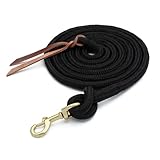
- High Performance Lead Rope: Lead your horse with ease using this premium poly lead rope for horses, built to withstand daily use; measuring 10-foot in length, the long lead line ensures ample control and reach during training or tying
- Comfortable, Soft Feel: Made from resistant polyester, the premium horse lead rope offers a soft, broken-in feel that’s gentle on the horse’s neck and prevents rope burns; this gear makes it easy to control your horse and is suitable for long sessions with your horse
- Practical Design: With a sturdy build, these horse lead ropes feel great in your hands and are great to have on hand for show day and everyday care; available in a variety of vibrant colors to perfectly match your favorite halters
- Solid Brass Snap: The horse lead is equipped with a brass plated swivel snap and a leather popper for smooth release, weather resistance, and a polished look; this unique design horse lead is an ideal choice for trainers and horse enthusiasts
- Built to Last: Weaver Equine 5/8" x 10' lead rope is ideal for leading, tying, grooming and other activities around the barn; our horse accessories are crafted to provide reliable performance and lasting use for all your equestrian needs
Cribbing, sometimes called crib-biting, is not the same behavior as biting a person: it is an oral stereotypy in which a horse grasps a surface and sucks air. The AAEP position statement on cribbing, revised in 2025, opposes hog rings and other devices in the oral cavity to prevent cribbing. That guidance concerns cribbing and should not be treated as a remedy for human-directed nipping.
Quick Recap
Best Value

- Designed for Horse Training and Daily Handling: These 1 Pack 14 Ft horse lead ropes are designed for groundwork, horse training, lunging, and daily stable handling. Offering reliable control and flexibility, they are suitable for guiding horses during regular training sessions and everyday equestrian activities
- 14 Ft Length for Effective Horse Control: Each horse training rope measures approximately 14 feet (4.3 meters) long, providing a comfortable working distance for leading and training horses. The extended length supports smoother movement control while helping handlers maintain safe spacing during horse work
- Durable Cast Iron Bull Hooks for Secure Connection: Each horse rope features a sturdy cast iron bull hook designed for reliable attachment during use. The hook allows quick connection and removal, helping support efficient handling during training, groundwork, and stable management activities
- Heavy Duty Polypropylene Construction: Made from durable polypropylene material, these horse lead ropes are designed for repeated daily use. The tightly woven rope construction helps provide dependable strength and flexibility, making them suitable for various horse handling and training situations
- 16 Mm Thick Rope for Comfortable Grip and Control: Featuring an approximate 16 mm rope thickness, these horse training lines provide a secure and comfortable grip during use. The thicker design helps improve handling stability while supporting better control throughout horse training sessions
Rank #4

- High Performance Lead Rope: Lead your horse with ease using this premium cotton lead rope for horses, built to withstand daily use; measuring 10-foot in length, the long lead line ensures ample control and reach during training or walks
- Comfortable, Soft Feel: Made from Pima Cotton blend, the premium-quality horse rope offers a soft, broken-in feel that’s comfortable to grip and prevents rope burns; this easy to control horse gear is suitable for long sessions with your horse
- Practical Design: With a sturdy build, thick material and abrasion-resistant features these horse lead ropes effortlessly maintain their integrity over time; available in a variety of vibrant colors to perfectly match your favorite halters
- Solid Brass Snap: The horse lead is equipped with a leather popper for smoother release, outdoor resistance, and a sleek, polished look; these unique design horse leads are an ideal choice for style-conscious equestrians
- Built to Last: Weaver Equine 5/8" x 10' cotton lead rope with a superior fiber blend offers the perfect combination of uniformity and softness; our horse accessories are crafted to provide reliable performance and lasting use for all your equestrian needs
Which next step fits the situation?
| Situation | Useful next step | What it does—and does not do |
|---|---|---|
| Nipping when treats are offered | Offer treats in a bucket. | Reduces hand-feeding exposure in that context; it does not address every cause of biting. |
| New or changing behavior, possible pain, or other health changes | Ask a veterinarian to assess the horse. | Allows the veterinarian to consider health causes and decide whether examination or testing is appropriate. |
| Persistent behavior or an unsafe handling situation | Seek qualified equine behavior or training support; use separation or protected contact in severe cases. | Supports an individualized safety and behavior plan; severe cases should not be managed through risky restraint alone. |
Product prices and availability are accurate as of the date/time indicated and are subject to change. Any price and availability information displayed on Amazon at the time of purchase will apply.




