
Quick wins for a faster PC:
Fix the driver behind crashes, sound loss and screen glitchesFind Drivers →Repair Windows errors before they cause bigger problemsFix Now →Scan for outdated or missing drivers - takes under a minuteDriver Scan →Some links on this page are affiliate links: if you buy through them we may earn a commission, at no extra cost to you.
Animal sanctuaries protect dogs from flooding by treating it as a planned, all-hazards shelter operation: reduce the site’s exposure, prepare people and supplies, move dogs before routes or utilities fail, and control re-entry and disease risks afterward. A written plan should assign roles, list alternate destinations and transport, maintain identification and medical records, and be practiced and updated.
The safest choice is not always evacuation. Forecast timing, building safety, road conditions, staffing, disease-control capacity, and confirmed receiving space determine whether to relocate early or shelter in place. In either case, every dog needs reliable identification, a leash or crate routine, and uninterrupted food, water, medication, sanitation, and behavioral care.
As an Amazon Associate I earn from qualifying purchases.
What should a sanctuary’s flood plan contain?
The Association of Shelter Veterinarians (ASV) says every sheltering organization needs a written plan for likely emergencies. Make it available to employees and volunteers, use it in drills, and record a review date. A flood annex can be part of a broader emergency plan, but it must give staff specific actions rather than general intentions.
Use four operating phases
- Mitigation: reduce flood exposure and strengthen the site, utilities, drainage, supplies, and insurance arrangements.
- Preparedness: train staff, maintain records and equipment, confirm destinations and transport, and rehearse the plan.
- Response: trigger early relocation or a safe shelter-in-place operation, maintain accountability, and protect health and sanitation.
- Recovery: inspect hazards, clean and disinfect, monitor illness and behavior, document losses, and restore capacity before normal operations resume.
Assign named roles
At minimum, designate an incident lead, animal-care lead, transport lead, veterinary lead, facilities and utilities lead, communications lead, and records lead. List alternates for every role, because flooding can make normal staffing, phone service, or travel impossible.
Popular on Amazon

- Easy to Assemble: The one-piece folding dog box furniture eliminates the need for complex assembly. You can create a comfortable haven for your pet set up and fold down the crate in seconds with no tools required. Enjoy a wonderful life with your furry good friend!
- Space-Saving & Easy Mobility: This collapsible dog crate features a innovative foldable design, allowing it to be stored flat when not in use. Equipped with two smooth-rolling wheels and sturdy handles on both sides, this pet crate offers effortless mobility. Move your dog cage around the house or during travel with minimal effort
- Safe & Reliable: Gardner Pet pet kennel Features squeeze-latch locks on the door for quick and secure closure. allowing your furry friends to stay safely inside while also being friendly to the fingers of pet guardians. These locks are easy for owners to operate but prevent clever dogs from opening them.Our curved corners help prevent squeezing and the sinking of the chin and claws, and the rounded corners eliminate sharp edges
- Long-lasting Dog House: Composed of high-quality PE and strong metal wire, the indoor dog house is both functional and aesthetically pleasing for modern homes, providing your pet with a long-lasting, stable and safe resting place
- Multi-functional Dog Cage furniture: Modern style, suitable for any home decoration, whether as a cozy indoor dog house, a travel crate for road trips, or a temporary containment space outdoors
| Plan element | What to specify |
|---|---|
| People | Staff call tree, volunteer backups, trained handlers, decision authority, and check-in locations |
| Dogs | Current census, crate assignment, compatibility notes, medication needs, mobility limits, and foster-home locations |
| Movement | Vehicles, drivers, fuel, loading aids, routes, alternate routes, manifests, and destination contacts |
| Care continuity | Food, water, medications, veterinary contacts, isolation space, sanitation procedures, and behavior accommodations |
| Communications | Official alert sources, staff updates, radio or charging backup, public messaging, and lost-animal reporting |
| Review | Drill dates, corrective actions, expiration checks, and the next formal review date |
How can a sanctuary reduce flood risk before an alert?
Start with a site map and a written inventory of what water, power loss, sewage backup, blocked roads, or structural damage could interrupt. Revisit the map before each storm season and after construction or drainage changes.
Map the vulnerable points
- Mark low areas, drainage paths, nearby streams, storm-surge exposure, access roads, kennel floors, gates, and likely evacuation bottlenecks.
- Identify where electrical panels, generators, fuel, chemicals, food, bedding, medications, records, and oxygen or other clinical equipment are located.
- Note which buildings remain usable if one wing floods, and which areas can serve as a pet-friendly interior refuge.
Where feasible, improve drainage, reinforce structures, elevate shelving, protect medication and food from water, and keep chemicals in secure containers above expected flood levels. Follow applicable building codes and maintain insurance and liability policies; ASV lists structural reinforcement, code compliance, and insurance as mitigation actions.
PC Slower Than It Used to Be?
A free scan shows the junk files, broken settings and background clutter dragging Windows down - then fixes them in one click.Free scan · Windows 10 & 11Crashes, No Sound, or Screen Glitches?
Random freezes, missing sound and display glitches usually trace back to one bad driver. Find and replace yours safely.Free scan · under a minutePlan capacity and mutual aid
Maintain a current count of every dog, including animals in foster homes or temporary boarding. Decide which dogs can travel together, which require individual crates, and which need a quiet handler, medication schedule, muzzle conditioning, or other accommodation. Establish written mutual-aid arrangements with nearby shelters, veterinary clinics, boarding facilities, and transport providers. An agreement should state approximate capacity, intake hours, vaccination or behavior requirements, emergency contacts, and how long the facility can hold dogs.
What should a sanctuary do before a flood?
Preparedness turns a rushed evacuation into a controlled transfer. Complete these actions while roads, utilities, and communications are still reliable.
Also popular on Amazon
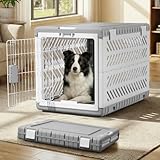
- Easy to Assemble: The one-piece folding dog box furniture eliminates the need for complex assembly. You can create a comfortable haven for your pet set up and fold down the crate in seconds with no tools required. Enjoy a wonderful life with your furry good friend!
- Space-Saving & Easy Mobility: This collapsible dog crate features a innovative foldable design, allowing it to be stored flat when not in use. Equipped with two smooth-rolling wheels and sturdy handles on both sides, this pet crate offers effortless mobility. Move your dog cage around the house or during travel with minimal effort
- Safe & Reliable: Gardner Pet pet kennel Features squeeze-latch locks on the door for quick and secure closure. allowing your furry friends to stay safely inside while also being friendly to the fingers of pet guardians. These locks are easy for owners to operate but prevent clever dogs from opening them.Our curved corners help prevent squeezing and the sinking of the chin and claws, and the rounded corners eliminate sharp edges
- Long-lasting Dog House: Composed of high-quality PE and strong metal wire, the indoor dog house is both functional and aesthetically pleasing for modern homes, providing your pet with a long-lasting, stable and safe resting place
- Multi-functional Dog Cage furniture: Modern style, suitable for any home decoration, whether as a cozy indoor dog house, a travel crate for road trips, or a temporary containment space outdoors
Build portable records for every dog
Keep a waterproof pouch for each dog containing its name, recent photograph, registered microchip number, current tag information, vaccination and rabies records, medications and allergies, medical history, behavior notes, relevant bite history, legal-custody information, and emergency contacts. Store paper copies in waterproof sleeves and maintain an offline digital backup that can be opened without internet access. Scan every dog’s microchip periodically and verify that the registry contact information is current.
Train and drill the handling routine
Practice moving dogs from kennel to crate or vehicle with the same commands, equipment, and staffing pattern used in an emergency. Label crates before loading, keep a printed manifest, and rehearse counts at departure, arrival, and every transfer. Include dogs that resist handling, dogs on medication, and incompatible pairs in drills. ASV recommends that plans be accessible, exercised, and regularly reviewed; record what failed and assign a correction.
Pre-stage equipment and transport
Service vehicles, confirm fuel access, test ramps and loading aids, charge radios and lights, and reserve enough appropriately sized crates, harnesses, and spare leashes. Prepare a list of drivers and alternates, with routes that avoid low crossings. Confirm each destination shortly before departure rather than relying on an old promise of space.
When should dogs be evacuated, and how should they be moved?
Use local flood watches and warnings, storm-surge forecasts, road-closure notices, utility conditions, and the facility’s observed water level as decision triggers. Do not wait for water to reach kennels if an earlier move can be completed safely. ASV notes that pre-emptive transport protects relocated animals, creates capacity for displaced community animals, reduces staffing pressure, and can limit facility damage.
Also popular on Amazon

- Soft-sided dog crate for keeping a furry 4-legged friend safe and comfortable when traveling, includes a Small dog crate made of tan polyester fabric and a lightweight yet sturdy frame
- Sets up in seconds with no tools needed; folds flat for easy portability and compact storage;2 doors (top and front) for easy loading and unloading
- Secure zipper closures, plus fastening straps to keep unzipped rolled-up doors in place and out of the way; mesh windows and front door provide ventilation on all 4 sides
- Recommended for medium sized breeds such as Blue Heelers and Golden Retrievers (50 lbs)
- Product dimensions: 29.92"L x 21.3"W x 21.3''H (LxWxH)
Use this evacuation sequence
- Activate the plan. The incident lead announces the trigger, opens the incident log, assigns roles, and confirms the receiving site’s hours, capacity, water supply, housing, and intake rules.
- Check routes and authorities. Follow designated evacuation routes. Never drive or walk through floodwater, and do not send a vehicle toward a route that authorities have closed. Shut off gas, electricity, and water only when it is safe and appropriate to do so.
- Prepare dogs in order of risk. Move medically fragile, mobility-limited, pregnant, very young, or flood-exposed dogs first when that can be done without delaying the whole operation. Keep incompatible dogs separated.
- Load calmly. Use trained handlers, practiced crate or leash techniques, quiet voices, and visual barriers where needed. Label every crate with the dog’s name, microchip number, destination, and medication alerts.
- Carry the care kit. Bring food, safe water, medications, first-aid supplies, records, cleaning products, waste bags, personal protective equipment, chargers, and communication equipment.
- Account continuously. A records lead checks each dog against the manifest at kennel release, vehicle loading, destination arrival, room assignment, and every subsequent transfer. Record time, handler, crate, and location.
FDA guidance says animals should remain in carriers or crates during evacuation, and pets should leave with their caretakers. A sanctuary should apply the same control standard to every transfer, even when a dog appears calm.
Where can a sanctuary evacuate dogs?
Choose destinations that are outside the hazard area, reachable by a safe route, and able to provide the level of housing and care the dogs require. Possible partners include another animal shelter, a veterinary hospital with boarding capacity, a commercial boarding facility, a foster network, or a pre-arranged municipal or nonprofit emergency shelter.
Confirm a destination before loading
- Ask for the number and size of available kennels, crate space, isolation capacity, water access, sanitation arrangements, and overnight supervision.
- Verify vaccination, rabies, parasite-control, identification, and intake requirements, including rules for dogs with unknown histories.
- Confirm who accepts legal custody, who authorizes veterinary treatment, how medications are administered, and how records are shared.
- Provide an arrival manifest and a contact who can reconcile missing, duplicate, or injured animals.
Keep at least one alternate destination in a different direction from the primary site. A facility that is open during normal conditions may close when its own roads, power, staffing, or water supply fail, so reconfirm capacity immediately before departure.
When is shelter-in-place safer than relocation?
Shelter in place is appropriate only when authorities have not ordered evacuation, the building is structurally sound, rising water is not expected to cut off escape, and the sanctuary can maintain food, water, sanitation, medical care, and staffing. If any of those conditions deteriorate, switch to relocation while a safe route remains available.
Also popular on Amazon

- Easy to Assemble: The one-piece folding dog box furniture eliminates the need for complex assembly. You can create a comfortable haven for your pet set up and fold down the crate in seconds with no tools required. Enjoy a wonderful life with your furry good friend!
- Space-Saving & Easy Mobility: This collapsible dog crate features a innovative foldable design, allowing it to be stored flat when not in use. Equipped with two smooth-rolling wheels and sturdy handles on both sides, this pet crate offers effortless mobility. Move your dog cage around the house or during travel with minimal effort
- Safe & Reliable: Gardner Pet pet kennel Features squeeze-latch locks on the door for quick and secure closure. allowing your furry friends to stay safely inside while also being friendly to the fingers of pet guardians. These locks are easy for owners to operate but prevent clever dogs from opening them.Our curved corners help prevent squeezing and the sinking of the chin and claws, and the rounded corners eliminate sharp edges
- Long-lasting Dog House: Composed of high-quality PE and strong metal wire, the indoor dog house is both functional and aesthetically pleasing for modern homes, providing your pet with a long-lasting, stable and safe resting place
- Multi-functional Dog Cage furniture: Modern style, suitable for any home decoration, whether as a cozy indoor dog house, a travel crate for road trips, or a temporary containment space outdoors
| Decision factor | Shelter in place may be safer when… | Relocation is favored when… |
|---|---|---|
| Timing | There is insufficient safe time to travel and the building remains protected. | Forecasts allow an orderly move before conditions worsen. |
| Routes | Roads are already impassable or travel would expose handlers and dogs to floodwater. | Designated routes are open and verified. |
| Facility | Kennels, utilities, drainage, and interior refuge areas are resilient. | Water, sewage, power, fencing, or structural damage threatens care. |
| Staffing | Enough trained personnel can remain safely on site. | Staff cannot reach or safely remain at the sanctuary. |
| Destination | No receiving site has confirmed space or suitable care. | A safe destination has confirmed capacity and intake requirements. |
| Dog welfare | Travel would cause greater immediate risk than controlled confinement. | Early movement avoids prolonged exposure, isolation, or utility failure. |
Set up a safe interior refuge
Move dogs to the safest pet-friendly interior area available, away from windows, generators, toxic chemicals, and rising water. FDA recommends an interior room with few or no windows and keeping animals in carriers or crates during severe weather. Keep a ready-to-go transport list, monitor official updates, preserve access to clean water and toilets or waste-removal systems, and keep dogs leashed or crated so a sudden move remains possible.
How can sanctuaries control disease, hygiene, and behavior during flooding?
Flooding and evacuation centers create crowding, stress, contaminated water, sanitation failures, and more opportunities for bites and disease transmission. Assume that a normally sociable dog may react differently after transport, injury, confinement, or frightening noise.
The Tool Desk
Outbyte Driver Updater FREEFix the driver behind crashes, sound loss and screen glitchesFind Drivers →Outbyte PC Repair FREEClear out junk files and repair common Windows errorsFree Scan →Control exposure and sanitation
- Require vaccination documentation and maintain parasite-control schedules when medically appropriate.
- Provide handwashing or sanitizer stations and require hand hygiene after animal or waste contact.
- Remove feces promptly, separate food preparation and storage from waste areas, and use designated walking routes.
- Keep dogs away from floodwater and mud that may contain sewage, chemicals, wildlife contamination, or organisms associated with leptospirosis.
- Isolate dogs that are coughing, vomiting, having diarrhea, injured, unusually lethargic, or potentially exposed; arrange veterinary assessment.
Reduce stress and bite risk
Use trained handlers, quiet routines, compatible grouping, and visual barriers when needed. Keep a behavior note with each dog and communicate triggers, muzzle or harness requirements, and calming strategies at every handoff. ASV warns that disaster-related stress and anxiety increase the likelihood of dog bites, so do not allow untrained volunteers to improvise restraint.
Independent reader supportYour contribution helps us test, update, and keep practical guides available for everyone.What supplies does an animal sanctuary need for a flood emergency?
Keep a mobile cache that can leave with the dogs and a second cache protected at the sanctuary. Rotate consumables before they expire and size quantities to the census, not to an average day.
Also popular on Amazon

- IDEAL FOR 21-40 LB DOGS: Measures 30.5 x 19.25 x 21.5 inches - perfect for French Bulldogs, Welsh Terriers, Dachshunds & similar breeds. For dogs near 40 lbs, consider sizing up to our 36-inch model so they have plenty of room to get comfortable.
- WE DON'T CUT CORNERS, WE PERFECT THEM: Precision welding, rounded corner clips & slide-bolt latch with Paw Block mitigate snags, cuts & escapes. With rigorous safety testing, iCrate provides peace of mind knowing your dog is safe while you're away.
- DURABLE CONSTRUCTION: Sturdy metal wire design with a protective black e-coat finish, the iCrate resists rust and everyday wear. Complete with leak-proof tray, rubber feet, carry handle, and tool-free assembly, it's ready for years of use.
- SUPPORTS CRATE TRAINING: A divider panel lets the crate grow with your dog, from puppy kennel to full-size crate. Large openings and low thresholds ease the crate training process and help your dog feel more at home.
- LIFE GOES BETTER WITH PETS: A family-owned business based in Indiana, MidWest Homes for Pets brings over 100 years of pet product expertise and a commitment to quality, rigorous safety testing, and excellent US-based customer service.
| Category | Items and planning notes |
|---|---|
| Containment | Appropriately sized crates or carriers, spare leashes, harnesses, slip leads, loading ramps, crate labels, and visual barriers |
| Identification and records | Current tags, registered microchips, photographs, waterproof dog ID tags, waterproof document pouches, printed manifests, and offline backups |
| Food and water | Normal diets, feeding utensils, sealed containers, and safe drinking water. CDC guidance published for 2026 advises at least 1 gallon per day for each person and pet, with at least a three-day supply. |
| Medical care | Routine and emergency medications, prescriptions, dosing tools, first-aid supplies, thermometers, and veterinary contact information |
| Sanitation and protection | Disinfectants compatible with animal areas, detergent, waste bags, gloves, boots, absorbent materials, disinfectable bedding, and hand-cleaning supplies |
| Power and communications | Vehicle fuel, generators or backup power where appropriate, flashlights, spare batteries, chargers, radios, paper contact lists, and power banks |
| Isolation | Separate crates or rooms, washable barriers, dedicated bowls and tools, protective clothing, and a process for veterinary referral |
Store supplies above anticipated flood levels and keep a dated inventory. A collapsible crate can save vehicle space, but it still must be large enough for the dog to stand, turn, and lie down safely; label it before an emergency rather than writing on it during loading.
How should a sanctuary recover after floodwater recedes?
Do not return dogs simply because water has gone down. CDC guidance notes that downed power lines, snakes and other wildlife, changed landmarks, contaminated water, and altered animal behavior can make normal release unsafe.
Recommended Free Tools
- Inspect before entry. Check structural damage, electrical systems, gas lines, chemicals, fencing, drainage, sharp debris, standing water, mold, and contaminated surfaces. Keep people and dogs out of unsafe areas.
- Restore a controlled layout. Repair gates, mark safe walking paths, establish clean and dirty zones, and keep dogs leashed or crated until fencing and exits are secure.
- Clean and disinfect. Remove sludge and organic matter first, then clean and disinfect hard surfaces using products and contact times suitable for animal housing. Discard porous materials that cannot be safely disinfected.
- Monitor health. Track appetite, drinking, urine, stool, coughing, vomiting, skin changes, fever, wounds, and unusual behavior. Seek veterinary evaluation for illness or possible contaminated-water exposure.
- Reconcile records. Document every dog’s location, transfer, injury, illness, loss, near miss, and medication interruption. Update microchip or contact records if custody or placement changed.
- Replenish and improve. Replace used food, water, fuel, medications, protective equipment, and records supplies. Hold a debrief, assign corrective actions, and update the written plan before the next threat.
Controlled re-entry protects dogs and staff from secondary hazards while preserving the accountability that can be lost during a fast evacuation.
Frequently Asked Questions
What should a sanctuary do if a dog goes missing during an evacuation?
Freeze the manifest at the last confirmed location, notify the incident lead and receiving site, and search only areas judged safe by authorities. Report the microchip number and photograph to the registry, animal-control agencies, and nearby shelters, and record every sighting or handoff in the incident log.
How can a sanctuary keep medications usable during a long evacuation?
Pack a labeled medication kit with duplicate prescriptions, dosing instructions, administration records, and the prescribing veterinarian’s contact. Ask the veterinarian or pharmacist about temperature limits and use an insulated cooler or backup power for temperature-sensitive products; never change a dose because transport is inconvenient without veterinary direction.
Can volunteers bring their own pets to the sanctuary’s evacuation site?
Only if the receiving facility has explicitly approved it and the pets are included in its capacity and disease-control plan. Mixing personal pets with evacuated sanctuary dogs can consume kennel space, introduce unknown health risks, and complicate legal custody, so volunteers need a separate personal-evacuation arrangement.
What proves who had custody of a dog after a flood transfer?
Use a signed or electronically acknowledged chain-of-custody record showing the dog’s microchip number, crate, date and time, releasing and receiving handlers, destination, medications, and condition. Keep a scanned copy with the sanctuary records and give the receiving organization the same identifying information.





Leave a Reply