The Tool Desk
Outbyte PC Repair FREERepair Windows errors before they cause bigger problemsFix Now →Outbyte Driver Updater FREEFix the driver behind crashes, sound loss and screen glitchesFind Drivers →How cold is too cold for cats to be outside? Below about 45°F is too cold for many cats, while 32°F or colder can be dangerous because prolonged exposure may cause hypothermia or frostbite. Wind, precipitation, wet fur, exposure time, age, health, body condition, coat, and acclimatization can make a cat unsafe at warmer temperatures.
The safest choice for an owned cat is indoor housing. Community, stray, or feral cats that cannot safely come inside need a dry, insulated, elevated shelter, protection from wind and precipitation, and regular access to food and unfrozen water.
Key takeaways
- Below about 45°F, many cats become uncomfortable outdoors, especially during prolonged exposure or when they are wet or exposed to wind.
- At or below 32°F, outdoor exposure can become dangerous for any cat because hypothermia and frostbite are significant risks.
- Kittens, senior cats, underweight cats, hairless or short-coated cats, sick cats, and unacclimated indoor cats need protection sooner.
- Indoor housing is safer than any outdoor workaround for an owned cat; an outdoor shelter is a fallback for community cats that cannot safely come inside.
- Shivering, lethargy, weakness, collapse, reduced responsiveness, or cold-to-the-touch skin require immediate indoor warming and veterinary advice.
What temperature is too cold for cats to be outside?
Below about 45°F is too cold for many cats to remain outside comfortably, while temperatures at or below 32°F can become dangerous because prolonged exposure may cause hypothermia or frostbite. Wind, rain, snow, wet fur, exposure time, age, health, body condition, coat, and acclimatization can make a cat unsafe at warmer temperatures.
These temperatures are practical guardrails rather than a universal safety test. A healthy, acclimated outdoor cat with dry shelter may tolerate conditions differently from a thin indoor cat caught in freezing rain, but neither situation makes severe cold risk-free.
Do these 3 things before closing this tab:
1Repair Windows errors before they cause bigger problems2Scan for outdated or missing drivers - takes under a minute3Clear out junk files and repair common Windows errors#1 Best Overall

- SELF HEATED CAT BED TECHNOLOGY: K&H Self-Warming Pet Pad, a self-heating cat pad, uses unique plush material that capture's your pet's body heat and radiates the warmth back to your dog or cat to keep them warm
- VERSATILE: Soft, plush reversible sides on this self-warming cat bed match any decor and fit on furniture or inside your pet's bed and or crate
- NO ELECTRICITY NEEDED: No electricity needed, this self-heating cat bed safely and naturally keeps your pet warm using their own comfortable and cozy body temperature
- SLEEP SURFACE: High-quality comfort and warmth from this pet heating pad for dogs, puppies, cats, and kittens
- MACHINE WASHABLE: This self-warming cat mat is machine washable with simple care instructions and includes a 1-year manufacturer's coverage
| Outdoor temperature | What it generally means | Safer decision |
|---|---|---|
| Above 45°F | Temperature alone is less likely to be an immediate problem for a healthy adult cat, but rain, wind, wet fur, illness, thin body condition, and long exposure can still cause dangerous heat loss. | Limit exposure and provide a reliable way to return indoors. Do not treat the range as automatically safe. |
| 45°F to 32°F | Many cats become uncomfortable during prolonged exposure. Vulnerable cats may be at risk sooner. | Bring owned cats inside and shorten or supervise outdoor time. Provide a dry, insulated shelter for community cats. |
| At or below 32°F | Freezing conditions create important hypothermia and frostbite risks, particularly when exposure is prolonged, windy, snowy, or wet. | Keep owned cats indoors. Check community cats frequently and provide heated, protected, dry resources. |
| Any temperature with wind, snow, freezing rain, or wet fur | Moisture and moving air accelerate heat loss, so the real risk can be higher than the thermometer suggests. | Move the cat indoors whenever possible; otherwise provide immediate access to windproof, dry shelter. |
Cornell University College of Veterinary Medicine’s cold-weather guidance identifies low temperatures combined with wind and snow or ice as contributors to hypothermia and frostbite. PetMD veterinarian Sandra C. Mitchell, DVM, DABVP, gives the practical threshold directly: “Typically, temperatures below 45 degrees Fahrenheit are too cold for cats,” according to PetMD’s veterinary-reviewed guidance published in 2025.
Can cats stay outside in 40-degree weather?
Cats can become too cold in 40-degree weather, especially if they are outside for a long time, become wet, face wind, or belong to a higher-risk group. A brief, supervised outing for a healthy, acclimated cat is different from leaving a cat outside for hours or overnight.
At 40°F, keep an owned cat indoors whenever practical and allow outdoor access only when the cat can return immediately to a warm home. Do not rely on a cat’s willingness to go outside as evidence that the conditions are safe. Cats may seek outdoor stimulation even when they cannot judge the risk of hypothermia, frostbite, traffic, or other winter hazards.
Which cats need protection sooner?
Some cats can lose body heat or suffer cold injury faster than a healthy, acclimated adult cat. Bring the following cats indoors earlier and do not use coat thickness alone to judge safety:
Quick wins for a faster PC:
Clear out junk files and repair common Windows errorsFree Scan →Scan for outdated or missing drivers - takes under a minuteDriver Scan →Repair Windows errors before they cause bigger problemsFix Now →- Kittens: young cats have less body mass and less ability to regulate temperature.
- Senior cats: older cats may have reduced resilience, mobility, or an underlying disease.
- Thin, underweight, or debilitated cats: limited body condition provides less insulation and energy reserve.
- Hairless and short-coated cats: less fur generally means less protection from cold air and wind.
- Cats with medical conditions: diabetes, kidney disease, heart disease, hyperthyroidism, arthritis, and other illnesses can change cold tolerance.
- Wet or wind-exposed cats: moisture and moving air increase heat loss regardless of breed or coat.
- Indoor cats: a cat that normally lives indoors may not be acclimated to cold outdoor conditions.
PetMD identifies kittens, senior cats, and cats with conditions that reduce blood flow to the extremities as higher-risk groups for frostbite. Outdoor community cats may grow thicker winter coats, but PetMD’s 2025 guidance still cautions that outdoor cats remain susceptible to freezing-weather injury.
Rank #2

- 2.0 UPGRADED FOIL WARMTH DESIGN: We improved the classic self warming cat bed by using a thicker heat-reflective foil layer and enhanced insulation throughout. This upgraded foil structure retains more body warmth and delivers a noticeably cozier, longer-lasting resting experience—perfect for cold-prone cats or senior pets.
- SELF-WARMING WORKS: Unlike electric heated cat bed indoor options, our self heating cat bed uses no cords or plugs. Instead, it features thermal foil beneath the soft fleece surface. As your pet lies down, their body heat is absorbed and gently reflected back, helping preserve warmth naturally. A perfect cat heating pad indoor for colder days and drafty floors.
- SOFT PLUSH SURFACE AND NON-SLIP: The ultra-soft fleece top of our self-warming cat beds gently cushions your pet while retaining warmth on chilly days. The dotted non-slip bottom keeps the cat bed stable on hardwood and tile, preventing movement even when your cat stretches or leaps. A cozy upgrade from ordinary heating pad for cats designs.
- REMOVABLE & MACHINE-WASHABLE COVER: Cleaning your heated cat bed is simple with a zippered fleece cover that removes easily for machine washing. Just unzip, wash, dry, and it's fresh again—no fuss over fur or messes. The removable cover ensures this self heating cat bed stays clean and comfy all year round. Important: Only the fleece cover is machine washable. Please remove the aluminum foil insert before washing, as the insert must not be washed or it may be damaged and become unusable.
- VERSATILE & PET-FRIENDLY DESIGN: Whether you need a cat bed outdoor or a cozy cat heating pad indoors, this self warming cat bed is ideal for sofas, floors, crates, or cat houses. Available in 3 sizes (15"x19", 18"x27", 22"x34") to suit kittens, small dogs, or senior cats, it’s the go-to heated cat bed for warmth anywhere your pet loves to nap.
What are the signs that a cat is too cold?
A cat that is too cold may seek warmth, curl into a tight ball, shiver, become unusually quiet, eat less, or grow weak. Cats can hide discomfort, and visible shivering may not appear until a cat is already significantly cold.
| Sign | Why it matters | What to do |
|---|---|---|
| Seeking the warmest place or tightly curling up | The cat is trying to reduce heat loss and find warmth. | Bring the cat indoors and dry the coat if necessary. |
| Shivering, lethargy, decreased appetite, or weakness | These can be signs of hypothermia or significant cold stress. | Warm the cat gradually and contact a veterinarian for advice. |
| Cold-to-the-touch body, reduced responsiveness, or unusual quietness | The cat may be losing the ability to maintain normal body temperature. | Treat the situation as urgent veterinary problem. |
| Collapse | Collapse can indicate severe hypothermia or another life-threatening condition. | Move the cat indoors and seek urgent veterinary care. |
PetMD lists shivering, lethargy, decreased appetite, weakness, collapse, and being cold to the touch among signs associated with hypothermia. Do not wait for every sign to appear before bringing a cat inside.
Can cats get frostbite?
Yes, cats can get frostbite when body tissue freezes after exposure to sufficiently cold conditions. Frostbite most often affects the ears, nose, tail, and toes because these areas have less protection and are farther from the body’s core.
Free tools Windows power users keep installed
One-click scans. No signup required.
Possible signs include cold or fragile skin; pale, gray, blue, purple, or black discoloration; swelling; pain; blisters; ulcers; and tissue that later darkens or sloughs. Frostbite damage may not be fully visible immediately and can become clearer over the following days or weeks.
If frostbite is possible, bring the cat inside to a warm, dry place and contact a veterinarian or emergency veterinary facility. PetMD veterinarian Jennifer Grota, DVM, states, “Frostbite is an emergency, so if you suspect it in your cat, contact your veterinarian or a local emergency veterinary facility as soon as possible,” in PetMD’s frostbite guidance.
Rank #3
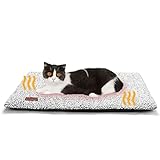
- 2x Warmer Self Heating Tech: No plugs or cords needed! Upgraded with carbon-infused cover, this self heating cat pad absorbs, holds and reflects pets body heat to provide naturally warmth. It effectively keeps your pets toasty warm in cold days
- Indoor Comfort & Outdoor Safety: Ideal for curled-up naps on sofa, floor, carrier, or window sill, yet cozy enough for outdoor cat shelter, garage and porches. Unlike electric pads, it provides a warm safe space for community cats and ferals during cold weather without electricity required
- Noiseless For Ultimate Comfort: The self warming cat mat is made from ultra-soft fluffy fabric that provides a snuggle surface for napping. It will not make crinkle sound by the completely noiseless Mylar film for enhanced sleeping comfort. Loved by anxious pets and multi-pet households alike
- Easy To Clean And Care: Designed with a removable zippered cover that is machine washable and dryer friendly for easy cleaning. The thermal cat mat is lightweight and portable, so you can give your pets a boost of warmth almost anywhere
- Snuggly Warmth For Every Pet: Available in three sizes 24 x 18 inch / 29.1 x 18.9 inch / 35 x 23.6 inch. The self heating pad is ideal for kittens, cats, puppies, dogs, aging, recovering and arthritic pets (up to 50 pounds)
- Warm the cat gradually rather than applying intense heat.
- Do not rub, massage, or squeeze suspected frostbitten tissue.
- Do not use a hair dryer, heating pad on a high setting, hot water, or another direct heat source.
- Do not give human pain medication unless a veterinarian specifically instructs you to do so.
Should an owned cat stay indoors during cold weather?
Yes. Indoor housing is the safest option for an owned cat during cold weather because it prevents exposure to hypothermia, frostbite, wet conditions, wind, and winter hazards. Cornell’s recommendation is unambiguous: “The best way to avoid these problems is to keep cats indoors at all times,” according to Cornell’s cold-weather advice.
| Option | Protection from cold | When it fits | Important limitation |
|---|---|---|---|
| Indoor housing | Highest and most reliable protection from cold, wind, snow, and wet fur. | Owned cats, especially vulnerable cats and indoor cats. | Requires enrichment, exercise, litter access, and a comfortable indoor environment. |
| Outdoor enclosure | Can provide controlled outdoor time with shelter and protection. | Owners who want outdoor enrichment without unrestricted roaming. | Must remain dry and safe; an enclosure does not make freezing exposure harmless. |
| Supervised harness and leash walk | Limits time and allows the owner to stop exposure immediately. | Some cats that tolerate harness training and mild, dry conditions. | Not suitable for every cat or severe weather; never force a frightened cat outside. |
| Outdoor shelter | Reduces wind, moisture, and ground-level heat loss. | Community, stray, or feral cats that cannot safely be brought indoors. | It is mitigation, not permission to leave an owned cat outdoors in dangerous weather. |
A covered bed, blanket, heated bed, or self-warming bed can improve indoor comfort, but no indoor comfort product makes subfreezing outdoor exposure safe. Follow the manufacturer’s instructions for any heated product, inspect cords and surfaces, and never substitute a heated product for veterinary care.
What should I put in an outdoor cat shelter?
For a community, stray, or feral cat that cannot safely come indoors, provide a dry, insulated, elevated shelter protected from wind and precipitation. A purpose-built outdoor cat shelter can be a practical starting point, but shelter quality matters more than appearance: the shelter should stay dry, block wind, and be easy for the cat to enter and leave.
- Use insulation: insulate the walls and roof and raise the shelter off the ground.
- Keep it appropriately sized: a cat-sized shelter helps body heat accumulate; an excessively large shelter can be harder to warm.
- Protect the entrance: face the doorway away from prevailing wind and precipitation. A suitable flap can provide additional protection if cats can use it safely.
- Use dry straw: straw repels moisture and lets cats burrow into bedding. Alley Cat Allies summarizes the reason plainly: “Insulate the shelter with straw to repel moisture,” in its winter-weather guidance for outdoor cats.
- Keep bedding dry: replace damp or soiled straw rather than leaving wet material in the shelter.
- Check after snow: make sure snow and ice have not blocked the entrance or reduced ventilation.
Do not use hay as a substitute for straw. Towels, blankets, and other cloth bedding can absorb moisture and become cold, damp material inside an outdoor shelter. A dry shelter filled with straw is generally a better outdoor arrangement than a fabric-lined shelter that cannot stay dry.
How do outdoor cats get enough food and unfrozen water?
Outdoor cats use additional calories to stay warm, so provide a little more food during cold weather and monitor intake. Cornell recommends feeding somewhat more than during warm months, while Alley Cat Allies recommends extra food and fresh water and notes that supplies may need replacement daily or twice daily when freezing is a problem.
Rank #4

- LARGE HEATED CAT BED: Indoor cat heating pad features soft floppy sidewalls for your cat's security and comfort and a 4 watt removable heater for warmth cats love and sizing is suitable for larger breed cats
- DOG & CAT BED: If you're looking for indoor heated dog beds for small dogs, or warming cat beds for indoor cats, your pets will love the cozy warmth this safety listed electric heated bed provides
- PET-ACTIVATED HEATER: A smart thermostat warms the bed only when your pet is inside; when the bed is empty, the surface stays at or just above room temperature—so it won’t always feel warm to the touch; please see our how to test image/video
- WASHABLE: This heated cat bed is completely machine washable, simply remove the heater and toss the bed into the washer for easy cleaning and maintenance
- SAFETY LISTED: K&H products are safety certified, providing peace of mind with electrical safety standards that go beyond UL requirements; K&H doesn't just use safety-listed parts, we safety certify the entire product, ensuring unparalleled safety
- Place food and water in a sheltered location protected from wind, snow, and rain.
- Check water frequently and replace ice or frozen water rather than assuming a bowl remains usable.
- Deep plastic bowls can be more practical than shallow ceramic or metal bowls in some outdoor setups.
- A heated electric water bowl may help prevent freezing, but use it safely, protect electrical connections, and monitor it regularly.
- Food and water do not replace dry, insulated shelter.
Follow the Alley Cat Allies winter-care recommendations for checking supplies, shelters, and water during freezing weather. Local conditions can require more frequent checks, particularly after snow or freezing rain.
What other winter dangers should cat owners prevent?
Cold weather creates hazards beyond low air temperature. Cats may crawl into warm vehicle wheel wells or engine compartments, and they can ingest toxic chemicals from paws or fur.
- Check vehicles: before starting a car, inspect around the tires and under the hood, or honk and bang on the hood to encourage a hidden animal to leave.
- Secure antifreeze: keep antifreeze inaccessible and clean spills immediately because antifreeze is extremely toxic to cats.
- Remove de-icing chemicals: prevent cats from contacting salt and snow-melting products, which can be harmful if licked from paws or fur.
- Clean paws and fur: if a cat comes inside after walking through treated areas, wipe the paws and coat with a damp cloth and prevent grooming until contaminants are removed.
What should you do if a cat is cold, wet, or unresponsive?
Move a cold or wet cat indoors immediately, dry the cat gently, wrap the cat in a dry towel or blanket, and warm the cat gradually. Contact a veterinarian promptly if the cat is weak, collapsed, unusually unresponsive, cold to the touch, or showing signs of frostbite or hypothermia.
- Bring the cat to a warm, dry, quiet room.
- Remove wet bedding and gently dry wet fur.
- Wrap the cat in dry fabric while allowing the face to remain clear.
- Avoid intense direct heat, rubbing, massage, hot water, and hair dryers.
- Call a veterinarian or emergency veterinary facility for urgent guidance.
Do not wait for a cat to “sleep it off” after collapse or reduced responsiveness. Suspected frostbite requires veterinary assessment even if the affected skin initially looks only pale or mildly swollen, because tissue damage can progress and may become more visible later.
Frequently Asked Questions
Can cats stay outside in 40-degree weather?
A healthy, acclimated cat may tolerate a brief period outside at 40°F if the cat stays dry and can return indoors immediately. Forty-degree weather is not automatically safe: wind, rain, wet fur, long exposure, illness, age, low body weight, or a short coat can make the same conditions dangerous.
Best Value

- 2.0 UPGRADED FOIL WARMTH DESIGN: We improved the classic self warming cat bed by using a thicker heat-reflective foil layer and enhanced insulation throughout. This upgraded foil structure retains more body warmth and delivers a noticeably cozier, longer-lasting resting experience—perfect for cold-prone cats or senior pets.
- SELF-WARMING WORKS: Unlike electric heated cat bed indoor options, our self heating cat bed uses no cords or plugs. Instead, it features thermal foil beneath the soft fleece surface. As your pet lies down, their body heat is absorbed and gently reflected back, helping preserve warmth naturally. A perfect cat heating pad indoor for colder days and drafty floors.
- SOFT PLUSH SURFACE & NON-SLIP BOTTOM: The ultra-soft fleece top gently cushions your pet while retaining warmth on cold days. The dotted non-slip base keeps the mat stable on hardwood and tile, preventing sliding even when your cat jumps on or your dog stretches. A warm and secure upgrade from ordinary mats or blankets.
- REMOVABLE & MACHINE-WASHABLE COVER: Cleaning your heated cat bed is simple with a zippered fleece cover that removes easily for machine washing. Just unzip, wash, dry, and it's fresh again—no fuss over fur or messes. The removable cover ensures this self heating cat bed stays clean and comfy all year round. Important: Only the fleece cover is machine washable. Please remove the aluminum foil insert before washing, as the insert must not be washed or it may be damaged and become unusable.
- VERSATILE & PET-FRIENDLY DESIGN: Whether you need a cozy mat for crates, sofas, floors, or pet houses, this self warming bed suits both cats and dogs. Available in 3 sizes (15"x19", 18"x27", 22"x34"), it’s ideal for kittens, puppies, small breeds, or senior pets—keeping them warm anywhere they love to nap.
Can cats get frostbite?
Yes. Cats can develop frostbite, especially on the ears, nose, tail, and toes. Bring the cat indoors and contact a veterinarian if the skin is cold, painful, swollen, blistered, or pale, gray, blue, purple, or black; do not rub the tissue or apply direct heat.
Is straw or a blanket better for a feral cat shelter?
Dry straw is generally better than blankets or towels for an outdoor cat shelter because straw repels moisture and allows a cat to burrow. Cloth bedding can absorb water and become damp and cold, so replace wet bedding promptly.
What should you do if a cat shows signs of hypothermia?
Bring the cat indoors, dry the cat gently, warm the cat gradually, and seek urgent veterinary advice if the cat is weak, collapsed, unusually unresponsive, cold to the touch, or showing possible frostbite. Do not rub suspected frostbitten tissue or use intense direct heat.
The Bottom Line
For most cats, below about 45°F is a signal to make an indoor plan, and 32°F or colder should be treated as dangerous. Keep owned cats indoors, bring vulnerable cats inside even sooner, and provide community cats with a dry, elevated, insulated shelter containing straw, plus unfrozen food and water. Shivering, weakness, collapse, reduced responsiveness, or suspected frostbite warrants prompt veterinary care.
What’s actually slowing this PC down?
Pick the symptom - the matching free tool is one click away.
Quick Recap
Product prices and availability are accurate as of the date/time indicated and are subject to change. Any price and availability information displayed on Amazon at the time of purchase will apply.




