
Some links on this page are affiliate links: if you buy through them we may earn a commission, at no extra cost to you.
Most cats need a veterinary oral examination at least once a year and a professional dental cleaning under anesthesia about every one to two years. That interval is only a starting point: cats with tartar, periodontal disease, tooth resorption, crowded teeth, developmental abnormalities, or poor plaque control may need a cleaning every six to 12 months or sooner. A veterinarian should set the schedule after examining your cat, because visible tartar and disease below the gumline can change the plan.
Discuss a first complete dental assessment around age one to two, and earlier if your kitten or young cat has abnormal teeth, inflamed gums, bad breath, pain, or trouble eating. A real feline dental procedure includes anesthesia, full-mouth radiographs, cleaning above and below the gumline, polishing, probing, and treatment of diseased teeth—not just scraping visible surfaces.
As an Amazon Associate I earn from qualifying purchases.
How often should a cat have a professional dental cleaning?
For a cat with stable oral health, plan on an annual veterinary oral check and discuss a professional cleaning roughly every one to two years. The American Veterinary Dental College (AVDC) gives an annual cleaning starting at age two as a practical rule, while current American Animal Hospital Association (AAHA) guidance says most pets need professional cleaning every one to two years and higher-risk pets may need it more often.
Use this as a discussion schedule rather than an automatic appointment interval:
Popular on Amazon
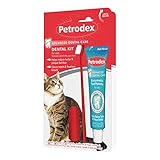
- Complete Oral Care System: Enzymatic toothpaste plus toothbrush cleans teeth and fights bad breath in one kit
- Reduces Plaque & Tartar Buildup: Patented enzyme formula works without rinsing required
- Malt-Flavored Formula Cats Tolerate Well: Makes at-home brushing easier to stick with
- Everything Needed to Start a Dental Routine: Ideal for new kittens or first-time brushers
- Formulated Specifically for Pets: Non-foaming, no-rinse enzymatic formula that's safe if swallowed
| Cat’s situation | Reasonable starting discussion | What changes the plan |
|---|---|---|
| No obvious disease and good home plaque control | Annual oral examinations; cleaning about every 1–2 years if findings remain stable | New tartar, gum inflammation, radiographic disease, or worsening home care can shorten the interval |
| Visible tartar or early gingivitis | Arrange an examination promptly; some veterinary guidance uses 6–12-month cleanings once tartar appears | The amount of tartar, periodontal probing, and dental radiographs determine whether treatment is needed sooner |
| Periodontal disease, tooth resorption, fractured or loose teeth | Follow-up and professional care at intervals set by the veterinarian, often sooner than annually | Recurrence, extraction sites, pain, and new radiographic lesions require an individualized plan |
| Crowded teeth, developmental abnormalities, or juvenile oral disease | Assessment earlier than the routine adult schedule | Abnormal tooth position or eruption can trap plaque and accelerate disease |
These ranges reconcile apparently different recommendations. The 2019 AAHA dental guideline calls for a complete dental prophylaxis by one year of age and continuing anesthetized examination, treatment, cleaning, and prevention throughout life. The 2025 FelineVMA guideline says clinicians may consider an anesthetized dental assessment with baseline intraoral radiographs at about age two when there are no developmental abnormalities or juvenile oral manifestations. Those are different starting points, not contradictory promises that every cat needs the same calendar interval.
Why does the cleaning interval vary from cat to cat?
Dental disease is driven by what is happening in an individual mouth, not simply by the cat’s birthday. Plaque can mineralize into tartar, and inflammation can progress below the gumline before an owner sees a dramatic change. Some cats also develop tooth resorption or have crowded teeth that retain plaque despite apparently good care.
Recommended Free Tools
Oral findings matter more than a generic age rule
A conscious examination can reveal red gums, calculus, broken teeth, loose teeth, oral masses, or pain. During the anesthetized procedure, probing and radiographs may show periodontal pockets, bone loss, or resorption hidden from view. A cat whose mouth is healthy on those checks may remain on a longer interval; a cat with active disease needs treatment and closer reassessment.
Home plaque control changes the risk
Daily brushing can slow plaque accumulation, but cats vary widely in how well they tolerate it and how effective an owner can be. A cat that cannot be brushed, has severe gingivitis, or has anatomy that traps food may need professional care more frequently even when the owner is diligent.
When should a cat have its first dental cleaning?
Discuss the first complete dental assessment between one and two years of age. The 2019 AAHA guideline recommends a complete prophylaxis by one year, while the 2025 FelineVMA guidance places an anesthetized assessment with baseline radiographs around age two when no earlier problems are present. Earlier evaluation is appropriate whenever disease or abnormal development is suspected.
Reasons not to wait for the routine milestone
- Persistent bad breath, red or swollen gums, or visible yellow-brown tartar
- Retained baby teeth, crowded teeth, abnormal eruption, or other developmental concerns
- Drooling, blood in the saliva, pawing at the mouth, or signs of pain
- Dropping food, chewing on one side, reduced appetite, or refusing hard food
- Facial swelling or nasal or ocular discharge associated with oral disease
Kittens can develop problems before adulthood, and a normal-looking mouth does not rule out disease below the gumline. Your veterinarian may recommend an earlier anesthetized examination if the conscious check or the cat’s history raises concern.
Outdated Drivers Are Slowing You Down
One free scan finds every outdated or missing driver and matches the right update for your exact hardware.Free scan · exact hardware matchPC Slower Than It Used to Be?
A free scan shows the junk files, broken settings and background clutter dragging Windows down - then fixes them in one click.Free scan · Windows 10 & 11What does a professional cat dental cleaning include?
A complete veterinary cleaning is a diagnostic and treatment procedure, not cosmetic scraping. AAHA describes a process that combines anesthesia, radiography, scaling, polishing, probing, and treatment of diseased teeth.
- Pre-anesthetic assessment: The veterinary team performs a physical examination and commonly recommends pre-anesthetic blood work. Findings and the cat’s health determine the safest anesthetic plan.
- Intravenous access and anesthesia: An IV catheter and general anesthesia keep the cat immobile, allow a thorough examination, and protect the airway while water and debris are used in the mouth.
- Full-mouth dental radiographs: X-rays evaluate every tooth, including roots and supporting bone. AAHA notes that more than half of a tooth’s structure lies below the gumline and cannot be assessed by looking at the crown alone.
- Scaling above and below the gumline: Instruments remove plaque and calculus from visible surfaces and periodontal pockets where disease develops.
- Polishing: Polishing smooths microscopic scratches left by scaling, making it harder for plaque to adhere immediately afterward.
- Periodontal probing and charting: The veterinarian measures around each tooth, records pockets and abnormalities, and identifies teeth that need treatment.
- Therapy or extraction when indicated: Teeth with severe support loss, fractures, resorption, or other irreversible damage may require extraction or another treatment. The veterinarian should explain findings and options after reviewing the examination and radiographs.
The 2019 AAHA guideline defines true prophylaxis as complete cleaning, polishing, and intraoral radiographs followed by periodontal therapy when needed. A procedure that omits radiographs or subgingival evaluation cannot provide the same diagnostic information.
Also popular on Amazon

- Gentle Dental Care Cats Accept: Designed for cats sensitive to strong smells or flavors, this no-added-flavor cat toothpaste supports daily plaque control without overwhelming taste or scent—ideal for picky, scent-sensitive, or first-time brushers
- Enzyme-Based Gentle Cleaning: This enzymatic toothpaste for cats helps break down plaque buildup and support fresher breath while remaining safe to swallow. A soothing, non-foaming formula that cleans effectively without irritation
- Complete Brushing Kit for Cats: A convenient cat toothbrush and toothpaste set including a standard toothbrush and finger brush. Designed to support different brushing preferences and help cats adjust more easily to daily dental routines
- Two Brush Options for Sensitive Cats: The included cat toothbrush features soft bristles for comfortable brushing, while the finger brush offers a more controlled, hands-on option—ideal for cats sensitive to brushing or new to dental care
- Everyday Dental Care Made Simple: Supports consistent cat dental care by helping maintain cleaner teeth and fresher breath over time. A stress-reduced solution for cat teeth cleaning as part of a simple daily routine
Is anesthesia necessary for a cat dental cleaning?
Yes. AVMA, AVDC, AAHA, and FelineVMA all describe anesthesia as necessary for a complete oral assessment and treatment. Cats must remain still for radiographs, probing, and work beneath the gumline, and an endotracheal tube helps protect the airway.
| Feature | Veterinary dental procedure under anesthesia | Anesthesia-free scaling |
|---|---|---|
| Mobility | Allows a complete, safe examination of every tooth and gum pocket | A conscious cat may move, limiting the examination |
| Radiographs | Full-mouth dental X-rays can reveal root disease, bone loss, and resorption | Radiographs are not obtained during a superficial scaling |
| Subgingival treatment | Calculus and diseased tissue below the gumline can be cleaned and assessed | Only visible surfaces are scraped; hidden disease remains |
| Airway protection | An endotracheal tube helps prevent inhalation of water and debris | No comparable airway protection is provided |
| Diagnosis and treatment | Probing, charting, polishing, and extractions can be completed | It may make teeth look cleaner without treating periodontal disease |
AAHA veterinary content specialist Emily Singler, VMD, summarized the limitation plainly: “without anesthesia, there’s no way to fully assess and address your pet’s dental health.” She cautioned that an anesthesia-free procedure can make teeth look and smell better temporarily while creating false reassurance. The AVDC similarly distinguishes a veterinary cleaning, which examines above and below the gumline and uses X-rays, from a procedure that only scales visible tooth surfaces.
What signs mean my cat needs dental care sooner?
Do not wait for the next routine interval if you notice a change in your cat’s mouth, eating, or behavior. Contact a veterinary clinic for an earlier evaluation when you see:
- Bad breath that persists or becomes stronger
- Red, swollen, or bleeding gums
- Yellow or brown tartar on the teeth
- Excessive drooling, blood in saliva, or pawing at the mouth
- Dropping food, chewing on one side, or difficulty picking up food
- Reduced appetite, refusal to eat, or obvious mouth pain
- Broken, loose, or missing teeth
- Facial swelling, or nasal or eye discharge that may accompany upper-tooth disease
- A sudden behavior change such as irritability, hiding, or resisting face handling
Cats often conceal pain, so a normal appetite does not guarantee a healthy mouth. A visible symptom can represent disease that is already advanced below the gumline.
Can brushing replace a professional dental cleaning?
No. Brushing is the strongest home-care measure and can reduce new plaque between procedures, but it cannot remove established tartar or diagnose disease under the gumline. Professional examinations and cleanings remain necessary when calculus, periodontal pockets, resorption, or damaged teeth are present.
How to brush safely
- Ask your veterinarian to confirm that brushing is appropriate. Severe gingivitis or painful teeth can make brushing distressing and may require treatment first.
- Use a toothbrush designed for cats and toothpaste made for pets. Never use human toothpaste; Cornell warns that human products can contain ingredients toxic to cats.
- Introduce the taste of the cat toothpaste, then touch the outer tooth surfaces with a finger or soft brush for brief sessions.
- Build toward daily brushing, concentrating on the outer surfaces where plaque accumulates. Stop if your cat shows pain and call the veterinary team.
What if my cat will not tolerate brushing?
The 2025 FelineVMA guideline lists brushing or wiping, pet dentifrice, water additives, and appropriate diets or treats as possible home-care options. Products accepted by the Veterinary Oral Health Council (VOHC) can provide a way to target plaque or bacterial load, but they are adjuncts rather than substitutes for an examination or treatment.
Quick wins for a faster PC:
Repair Windows errors before they cause bigger problemsFix Now →Fix the driver behind crashes, sound loss and screen glitchesFind Drivers →VCA guidance notes that VOHC-accepted dental diets may slow plaque accumulation and accepted water additives may reduce bacterial counts. Select products with veterinary advice, especially for cats with kidney, urinary, food-allergy, or other medical restrictions.
Independent reader supportYour contribution helps us test, update, and keep practical guides available for everyone.How should I choose the interval with my veterinarian?
Ask for a risk-based plan after each oral examination or dental procedure. The following questions help turn a generic recommendation into a schedule tailored to your cat:
Also popular on Amazon

- Ultra-Mini Brush Head for Precision Cleaning: The 0.31-inch soft bristle head targets tiny teeth and hard-to-reach areas, making it perfect for kittens and small-mouthed cats, ensuring gentle yet thorough cleaning
- Finger-Fit Ergonomic Design: This finger toothbrush for cats fits securely on your finger, giving pet parents full control for accurate brushing—ideal for skittish pets or new users starting a cat tooth brushing routine
- Coconut Oil Enzymatic Toothpaste Formula: Powered by coconut oil and natural enzymes, the cat toothpaste helps fight plaque and tartar buildup, while supporting cat tooth care and freshening breath safely
- Irresistible Coconut Chicken Flavor: A delicious enzymatic cat toothpaste flavor cats crave—finger brush for cats becomes a bonding activity, making dental care part of your daily pet routine
- Complete Cat Dental Kit for Daily Hygiene: Includes a soft toothbrush, a finger toothbrush, and a 2.5 oz tube of enzyme toothpaste for cats, giving your feline a full dental care kit in one simple package
- What did the conscious examination show, and were any teeth painful or unstable?
- Did full-mouth radiographs reveal resorption, bone loss, retained roots, or other hidden disease?
- Which teeth were treated or extracted, and what signs should trigger an earlier recheck?
- How effective is the current home-care routine, and what product or technique is realistic for this cat?
- Should the next oral examination occur in six months, one year, or another interval based on today’s findings?
Keep the written dental chart and radiographs when possible. Comparing findings over time helps the veterinary team recognize recurrence and adjust the interval instead of relying on memory or a fixed calendar rule.
What are the most common mistakes owners make?
Waiting for obvious pain
Many cats continue eating despite significant periodontal disease. Waiting until a cat stops eating can allow a treatable problem to progress.
Free tools Windows power users keep installed
One-click scans. No signup required.
Choosing a cleaning by appearance alone
A whiter visible crown does not show whether roots, gum pockets, or supporting bone are healthy. Radiographs and probing are what reveal much of the disease that matters.
Assuming one normal procedure sets a permanent schedule
Oral health changes with age, anatomy, home care, and new disease. The next interval should be reassessed after each examination.
Using human dental products
Human toothpaste is not formulated for cats and can be harmful if swallowed. Use only cat-specific products recommended by a veterinary professional.
Frequently Asked Questions
Can dental disease return after my cat has a professional cleaning?
Yes. Cleaning removes existing plaque and calculus, but plaque can form again. Continued home care and the follow-up interval recommended from the latest examination are what help limit recurrence.
Do these 3 things before closing this tab:
1Repair Windows errors before they cause bigger problems2Scan for outdated or missing drivers - takes under a minute3Clear out junk files and repair common Windows errorsShould my cat have dental X-rays even when the teeth look normal?
A normal-looking crown does not show the roots or supporting bone. Full-mouth radiographs are used during a complete procedure because more than half of each tooth is below the gumline and hidden from direct view.
Are dental treats safe for every cat?
Not automatically. Treats add calories and may conflict with a cat’s medical diet or ability to chew comfortably. Ask your veterinarian to select an appropriate product, preferably one evaluated through an independent dental-acceptance program.
What should I do if brushing causes my cat to resist or bleed?
Stop the session rather than forcing the brush. Resistance or bleeding can indicate painful gingivitis or another problem that needs a veterinary examination before home brushing resumes.





Leave a Reply