
The Tool Desk
Outbyte PC Repair FREEClear out junk files and repair common Windows errorsFree Scan →Outbyte Driver Updater FREEScan for outdated or missing drivers - takes under a minuteDriver Scan →Some links on this page are affiliate links: if you buy through them we may earn a commission, at no extra cost to you.
Wash your dog’s bed, blankets, and regularly used towels at least once a week. Wash them sooner—often twice weekly—if your dog sheds heavily, has an oily or dirty coat, swims, gets muddy, spends a lot of time outdoors, or lives with someone who has allergies. Clean immediately after contact with feces, urine, vomit, illness, or anything visibly dirty or foul-smelling.
The weekly baseline comes from the Centers for Disease Control and Prevention (CDC), while veterinary guidance adds adjustments for moisture, dirt, shedding, parasites, and household sensitivity. The right method depends on the item’s care label, whether its cover comes off, and whether you are doing ordinary cleaning or responding to contamination.
As an Amazon Associate I earn from qualifying purchases.
Recommended Free Tools
How often should you wash dog bedding, blankets, and towels?
Use a weekly schedule for ordinary use, then shorten the interval when the fabric gets wet, dirty, smelly, heavily coated with hair, or exposed to a higher health risk. Beds, blankets, and towels can follow the same baseline because all three collect skin flakes, fur, moisture, and outdoor debris.
| Item or situation | Recommended interval | Why the interval changes |
|---|---|---|
| Dog bed, blankets, crate pads, and habitats | Every week | The CDC’s example cleaning schedule lists pet beds, blankets, and habitats for weekly cleaning. |
| Dog towels | Weekly, or after each use when wet, muddy, contaminated, or smelly | Towels hold moisture and soil. Clean them sooner when they look dirty or smell bad. |
| Heavy shedding, oily coat, frequent outdoor activity, swimming, or allergies | Up to twice a week | More hair, dander, moisture, and outdoor material accumulate between washes. |
| Feces, urine, vomit, or a sick dog | Immediately; disinfect during cleaning when appropriate | These are contamination or illness triggers rather than routine-laundry situations. |
| Flea infestation | Every two to three weeks during the EPA flea-control measures | The Environmental Protection Agency (EPA) specifies hot, soapy washing at this interval for pet bedding and household bedding pets use; severely infested bedding may need discarding. |
A calendar is only a starting point. A clean-looking blanket used by a dry, indoor dog may last the full week, while a towel used after a muddy walk may need washing the same day.
Popular on Amazon

- PETTERGENT - THE PET LAUNDRY DETERGENT: Your furbaby's favorite soft toy, dog blanket, pet bed, collars, clothes, and all other laundry items get dirty & smelly over time and need to be washed. PetTergent is the first and & only pet safe laundry detergent made specifically for pet smells, stains, and soils, & their microbiome so there's no need for additives, boosters, stain sticks, or sprays to use on top of your human detergent. Your furbaby has their own laundry, they need PetTergent.
- SPECIFIC TO PET STAINS: Human laundry detergent is formulated for human needs, like coffee, ketchup, & body odor, not formulated for "that dog smell", stains, soils, or pet odors from pet messes like crusty dog toys, cat urine, feces, blood, vomit, & that stubborn 'dog' smell that you just can't seem to get out. Human stains & odors are different than pet stains & odors, so the laundry detergent to handle these should be different too. PetTergent was formulated specifically as a pet detergent for pet laundry needs; cleaning, deodorizing, eliminating stains for fresh & clean laundry, while being safe for their skin & noses.
- PET ENZYME LAUNDRY DETERGENT: We were tired of turning over laundry labels and finding tons of chemicals, so we did something about it. Human laundry detergents often contain toxic ingredients like bleach, ammonia, & formaldehyde that can be passed to your furbaby by playing or snuggling. Instead, PetTergent, the dog laundry detergent, uses naturally-occurring enzyme blends as a pet stain remover, OdorArmor and SebumDestroyer as pet odor removers, and uses pet-safe & biodegradable surfactants to clean pet laundry.
- PET SAFE LAUNDRY DETERGENT: Pet skin is up to 10x thinner than our own skin, and their noses are up to 100,000x better than ours, meaning their needs are physically, biologically, and chemically different. Just because human laundry detergent works for us, doesn't mean it'll work for our pets. PetTergent is formulated not only to be specific to pet messes, but made with pet safe ingredients and vet-approved, pet-safe scents to not irritate pet skin or noses, and is safe to use on all laundry.
- GREENER PET LAUNDRY: You might've checked your own laundry detergent for how 'green' it is, how about your pets? PetTergent is made with 90%+ bio-based and biodegradable ingredients derived from nature, and all ingredients are approved by the EPA Safer Chemicals Ingredients list, and bottled in recyclable packaging. So we can protect our pets and keep their world beautiful. At Pet Parents, we continuously strive to improve pet products, and PetTergent is no different.
Why does regular washing matter?
Pets can carry germs even when they look healthy and clean. The CDC says routine cleaning of pet supplies helps protect both people and animals. Dog beds, blankets, and towels can also retain allergens, bacteria, odors, fur, and, in some circumstances, fleas.
Moisture is especially important. A towel that remains damp after swimming or bathing gives microorganisms and odor more opportunity to persist than a dry blanket. Hair and skin oils bind soil to fibers, so waiting until an item smells strongly can make the eventual wash harder.
Weekly cleaning is a practical public-health routine, not a guarantee that every pathogen has been removed. Authoritative guidance supports the schedule and procedures described here, but it does not establish a universal contamination count for dog bedding.
When should dog bedding be washed immediately?
Do not wait for the weekly laundry day when a bed, blanket, or towel has a specific contamination trigger.
- Feces or urine: Remove the item and clean it promptly. Handle solid material carefully and wash your hands afterward.
- Vomit or other body fluids: Treat the fabric as soiled laundry and follow the care label before returning it to the dog.
- Illness: Clean and, when indicated, disinfect bedding that a sick dog has used. Increase cleaning frequency while the dog is ill.
- Visible mud, food, or outdoor debris: Rinse or remove solids before the item goes into a washer.
- Persistent dampness or foul odor: Wash rather than simply airing the item. A lingering smell can indicate retained moisture or soil.
- Fleas: Follow a coordinated flea-control plan for the dog, home, and bedding. Washing alone does not replace treatment of the infestation.
Keep contaminated items away from clean laundry. If you cannot wash an item immediately, place it in a closed, washable hamper or bag and avoid shaking it, which can spread hair and debris.
How do I wash dog bedding in a washing machine?
Machine washing is suitable only when the care label and construction permit it. Use this sequence for removable covers, blankets, and machine-safe towels.
Also popular on Amazon

- Concentrated Powder Detergent: ACTIVE Pet Detergent is a Powerful, High Efficiency Compatible Odor Destroyer & Stain Eliminating Detergent. Every Scoop has a Natural Cleaning Power to Handle any Mess, Stain, or Smell left behind by your pet.
- Suitable for all Pet Laundry: Including Pet Bed, Clothing, Leash, Harness, Blankets, Towels, Furniture Covers & More! ACTIVE is an All-in-One Laundry Detergent Compatible With All Fabric Types, Even Use on your own Clothing and Bedding that smells like your pet!
- Bio Based Enzyme Cleaner: ACTIVE Enzyme Laundry Detergent is Formulated to Target Pesky Stains and Odors, Including Pet Urine, Cat & Dog Pee, Vomit, Slobber, Dirt, Grime, Oils and Protein Stains. ACTIVE Enzymes even get rid of Wet Dog Odor, and others stubborn scents
- Natural & Fragrance Free: ACTIVE Pet Detergent is a Natural Laundry Stain Remover, Free of Harsh Chemicals and Gentle for Pets and Sensitive Skin. ACTIVE Actually Removes Odors rather than using scents to cover them up like some alternatives
- Best Value 64 Loads: Compare ACTIVE Dog Laundry Detergent to liquids that take up more space with less uses. Our Value Pack Comes in a Bulk 2 Lb bag so you can Keep Your Pet Laundry Taken Care Of!
- Read the care label. Check water temperature, cycle, detergent, bleach restrictions, and drying instructions. A foam insert, waterproof coating, or specialty filling may have different requirements from the outer cover.
- Remove hair and solid debris. Vacuum the surface, use a lint roller or masking tape, or pull hair away with damp or gloved hands. Shake items outdoors only if doing so will not spread contaminated material. A laundry bag can contain loose hair and protect the washer.
- Pre-rinse obvious soil when the label allows. Scrape off mud or solid waste before loading. Avoid putting large clumps of dirt or feces directly into the machine.
- Select the hottest permitted cycle. Veterinary guidance recommends the machine’s highest temperature that the fabric and manufacturer allow. A 140°F wash recommendation applies only to materials rated for that heat; high temperatures can shrink fabric, damage waterproof layers, or deform foam.
- Add a suitable detergent. Use the amount stated on the detergent label. For dogs or people sensitive to fragrance, a fragrance-free, pet-friendly formula and an extra rinse can reduce residue, but the care label takes priority.
- Run an extra rinse when practical. VCA Animal Hospitals recommends an extra rinse for removable covers after washing with non-toxic detergent. This is particularly useful for thick fabrics that can retain suds.
- Dry completely. Use the permitted dryer setting or air-dry as directed. Do not return a damp cover or towel to the dog, and do not store it until the interior is dry.
- Inspect before reuse. Check seams, zippers, waterproof backing, and filling. Replace an item if the cover has become unsafe, the filling is exposed, or it cannot be cleaned effectively.
Wash pet laundry separately from human clothing when it is heavily soiled, and clean the washer’s drum or lint filter if substantial hair or debris was present. The goal is to remove soil without damaging the item or leaving detergent behind.
How do I wash a dog bed that cannot go in the washer?
Non-removable covers and bulky beds need a slower process because their filling can trap water and dry unevenly.
Hand-wash a non-removable cover
- Vacuum or brush off loose hair and debris.
- Fill a basin with water and the recommended amount of detergent, then soak the item for about 10–15 minutes, as VCA advises.
- Gently work detergent through soiled areas without aggressively twisting seams or foam.
- Rinse thoroughly until the water runs clear and no slippery detergent remains.
- Press or wring out excess water only as the construction permits; excessive twisting can distort foam and stitching.
- Dry outdoors or in another well-ventilated place according to the manufacturer’s instructions.
Handle thick fiber-filled beds
Separate a removable cover from the insert whenever possible. Wash the cover according to its label, then clean the insert only if the manufacturer permits immersion. Thick fiber fills can clump, and enclosed foam can remain wet inside long after the surface feels dry. Air-drying with the item spread out and turned periodically is safer than putting an unsuitable insert in a hot dryer.
If a bulky bed cannot be cleaned thoroughly after urine, feces, vomit, or a serious flea infestation, replacement may be more hygienic than repeated surface cleaning. This is a practical decision based on whether the interior can actually dry and whether contamination has penetrated the filling.
When should I disinfect dog bedding instead of just washing it?
Routine detergent washing is usually enough for ordinary fur, dander, dirt, and odor. Use disinfection selectively after illness or feces/urine contamination, or when a veterinarian or public-health professional advises it for a higher-risk animal or household.
First clean away visible soil, because dirt can reduce a disinfectant’s effectiveness. Then use only a product whose label permits the intended surface and follow its dilution, contact time, ventilation, and rinsing directions. Never mix disinfectants, and keep the dog away from wet treated surfaces and chemical containers until the label says they are safe.
Also popular on Amazon

- LAUNDRY BIO-ENZYMATIC FORMULA: Helps break down and destroy tough pet stains and odors, such as urine, feces, vomit, blood, grass and drool.
- GENTLE ON FABRICS: Perfect for use on clothing, pet beds and more—not for use on specialty fabrics, including washable silk, khaki, fluorescents, wool, suede and leathers.
- SAFE FOR PETS AND HOME: Formulated without phosphates, parabens, sulfates and bleach, this product is safe for use around pets and home, when used as directed.
- ODORCAPTURE 360 TECHNOLOGY: An odor neutralizing system from Nature’s Miracle, the brand you trust because it works!
- WORKS IN ALL MACHINES INCLUDING HE: Use in addition to your laundry detergent to help loosen and remove tough pet stains and odors.
Disinfecting every load is not automatically better. It can damage fabric, leave residues, and expose people or pets to unnecessary chemicals. Washing hands with soap and water after handling pet bedding, equipment, or soiled materials is part of the CDC’s hygiene guidance.
How should I wash bedding during a flea infestation?
Flea control requires treating the dog and environment together. The EPA recommends hot, soapy washing of pet bedding and household bedding on which pets lie every two to three weeks while flea-control measures are underway. Follow the product label and any veterinary directions for the animal and home.
Quick wins for a faster PC:
Fix the driver behind crashes, sound loss and screen glitchesFind Drivers →Repair Windows errors before they cause bigger problemsFix Now →Scan for outdated or missing drivers - takes under a minuteDriver Scan →Use the hottest temperature the item can safely tolerate, dry it completely, and inspect areas where the dog rests. Severely infested bedding may be better discarded, especially when eggs or debris are embedded in inaccessible filling. Do not rely on a single wash to control fleas throughout a home.
How should the schedule change for different dogs and households?
Adjust the baseline according to exposure rather than the dog’s breed alone. The following factors justify more frequent washing.
| Condition | What changes | Practical response |
|---|---|---|
| Heavy shedding or dense coat | More fur and dander collect quickly. | Remove hair between washes and consider two washes per week. |
| Oily, dirty, or allergy-prone skin | Oil and dander cling to fibers and may affect sensitive people or animals. | Use fragrance-free detergent if needed, rinse well, and shorten the interval. |
| Swimming, bathing, or frequent rain | Towels and bedding become damp. | Wash towels after wet or muddy use and dry all items fully before reuse. |
| Outdoor, farm, or muddy activity | Soil, plant material, and parasites are more likely to enter the home. | Remove debris immediately and wash as soon as the item is dirty. |
| Allergies in the dog or household | Dander and residue matter even when fabric looks clean. | Use a more frequent schedule, thorough hair removal, and an extra rinse. |
| Sick dog or medically vulnerable household | Contamination consequences may be higher. | Clean promptly and ask a veterinarian or clinician whether disinfection or additional precautions are appropriate. |
These are adjustment factors, not separate guarantees. A dog with several factors—for example, a swimming dog with heavy shedding and an allergic household member—may need washing twice weekly plus same-day towel washing.
What detergent, temperature, and drying method are safest?
The care label is the controlling instruction because fabrics and fills differ. In general, choose a non-toxic or pet-friendly detergent, use the hottest permitted cycle, rinse thoroughly, and dry completely. Avoid assuming that a high temperature is safe simply because it cleans more aggressively; the 140°F figure cited by PetMD is conditional on material tolerance.
Do these 3 things before closing this tab:
1Fix the driver behind crashes, sound loss and screen glitches2Clear out junk files and repair common Windows errors3Scan for outdated or missing drivers - takes under a minuteAlso popular on Amazon
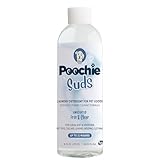
- STOPS "DOG BED SMELL" AT THE SOURCE – Regular detergent is built for coffee and grass stains, not pet messes. Poochie Suds' plant-based enzymes break down urine, drool, vomit, body oils and dander trapped in pet fabrics, so odors wash out instead of getting covered up with perfume.
- UNSCENTED, BECAUSE THEIR NOSE IS 10,000x STRONGER THAN YOURS – Your dog sleeps face-down in that blanket. Poochie Suds has no added fragrance, no dyes and no optical brighteners, and the low-suds formula rinses clean. The only thing your pet's bedding will smell like is clean.
- ONE WASH FOR EVERYTHING THEY TOUCH – Dog and cat beds, crate pads, blankets and plush toys, plus the gear that gets grimy fastest: nylon and cotton-webbing collars, leashes and harnesses, coats and the muddy-paw towel by the door. Gentle enough for puppy and kitten bedding, tough enough for the couch throw your dog claimed.
- CONCENTRATED: 32 LOADS PER BOTTLE – Use 2 capfuls per regular load, 4 for large or heavily soiled loads. Works in standard and HE washers, top or front load, in hot or cold water. Set-in pee smell or old accidents? Pre-soak 1–2 hours in 2 capfuls and water, then wash as usual.
- MADE IN THE USA BY THE MAKERS OF POOCHIEBELLS – Poochie Suds comes from Poochie-Pets, the family company behind PoochieBells potty-training doorbells. Small-batch made in the USA, with coconut-based cleansers, enzymes and sea salt nothing you can't pronounce.
Fragrance-free detergent can be a sensible choice for dogs with sensitive skin or households avoiding added fragrance. It does not remove the need for proper rinsing. Fabric softeners, scent boosters, and unapproved bleach can leave residues or damage waterproof coatings, so use them only if the manufacturer specifically permits them.
Air-drying is useful for foam and thick fills that cannot tolerate a dryer. Spread the item rather than folding it wet, turn it during drying, and check the center—not just the surface—before putting it back in the dog’s sleeping area.
Independent reader supportYour contribution helps us test, update, and keep practical guides available for everyone.What common washing problems should I troubleshoot?
The bed still smells after washing
Check whether the insert or foam remained damp. Wash the cover again if the label allows, rinse thoroughly, and dry the entire item. If odor comes from inaccessible filling or repeated urine contamination, replacement may be the only reliable solution.
The washer is full of dog hair
Pre-remove hair with a vacuum, lint roller, tape, or gloves, and use a laundry bag for loose blankets. Clean the washer’s lint filter or drum according to the appliance instructions after heavily haired loads.
The cover shrank or the backing peeled
The cycle was probably hotter or harsher than the label permits. Replace damaged waterproof covers if they no longer protect the filling, and use the manufacturer’s lower-temperature setting for future washes.
The filling is clumped
Uneven drying commonly causes clumps. Follow the care label, redistribute the filling while damp only if the construction allows it, and air-dry thick inserts completely. Do not use a dryer setting that the manufacturer excludes.
Also popular on Amazon

- 105 fl oz bottle of ARM & HAMMER Sensitive Skin Free & Clear Liquid Laundry Detergent, free and clear detergent that cleans 105 medium loads when used as directed
- SkinSAFE Certified: Dye-free, certified 100% by SkinSAFE; certified by SkinSAFE to exclude 100% of their topmost considered skin allergens
- Gentle on Skin, Tough on Stains: This hypoallergenic laundry detergent is dermatologist-tested and free from dyes, perfumes, and preservatives, making it ideal for sensitive skin and fragrance sensitivities
- 2X Stain-Fighting Power: Concentrated with 2X powerful stain fighters in every load versus the leading value detergent, removes grass stains, food, and set-in stains in all wash temperatures, even cold water
- Trusted Clean: ARM & HAMMER is the #1 liquid laundry detergent brand (based on total wash loads sold, L52W ending 1/08/26)
The dog develops skin irritation after laundry
Rinse the item again, stop using fragranced additives, and choose a fragrance-free detergent. If irritation persists, remove the bedding and contact a veterinarian rather than assuming the laundry product is the only cause.
How can I keep a reliable dog-bedding laundry routine?
Keep at least one clean spare cover or blanket so the dog has a dry place to rest while the primary item is being washed. Store clean bedding in a dry, ventilated area rather than a sealed container while it is even slightly damp.
- Choose one weekly laundry day for beds, blankets, and routinely used towels.
- Place a washable hamper near the dog’s sleeping and bathing areas.
- Remove hair and solids before every wash.
- Record same-day washing triggers such as mud, swimming, accidents, vomiting, or illness.
- Check the care label whenever you buy a new bed or replace a cover.
- Wash your hands after handling soiled pet items.
Replace bedding when seams, zippers, waterproof layers, or filling become unsafe, or when the interior can no longer be cleaned and dried adequately. A washable design with a removable cover reduces the work required to maintain the weekly routine.
Frequently Asked Questions
Can I wash dog bedding with my family’s clothes?
It is better to separate heavily soiled pet laundry from clothing and household linens. Ordinary, lightly used blankets may be washed according to their labels, but contaminated items should be contained, cleaned promptly, and followed by handwashing and any appliance-care steps the manufacturer recommends.
How often should I wash a dog towel after swimming?
Wash a towel after each swimming or bathing session if it is wet, muddy, or noticeably smelly. Hang it so it can dry between uses, but do not treat air-drying as a substitute for laundering.
Is bleach necessary for dog bedding?
No. Detergent cleaning is generally sufficient for routine dirt, fur, and odor. Disinfect only for specific triggers such as illness or feces/urine contamination, and use a product only when its label allows the fabric and dog-safe handling conditions.
Windows Errors? Fix Them Before They Spread
Repair common Windows errors and clear accumulated junk for a smoother, more stable PC - no reinstall needed.Free scan · no reinstallCrashes, No Sound, or Screen Glitches?
Random freezes, missing sound and display glitches usually trace back to one bad driver. Find and replace yours safely.Free scan · under a minuteCan I put a foam dog bed in the dryer?
Only if the manufacturer’s care instructions explicitly allow it. Foam and thick inserts can deform or retain moisture inside, so air-drying spread out in a ventilated area is often the safer label-compliant option.
What should I do if my dog’s bedding has fleas?
Wash pet and pet-used household bedding in hot, soapy water every two to three weeks while following the EPA flea-control measures, and dry it fully. Coordinate environmental cleaning with treatment for the dog; discard bedding that is severely infested or cannot be cleaned through its filling.





Leave a Reply