
Some links on this page are affiliate links: if you buy through them we may earn a commission, at no extra cost to you.
To adopt a dog or cat, start by checking nearby municipal shelters, humane societies and rescues, then follow that organization’s specific process. Most adoptions involve an application or adopter profile, a fit discussion, meeting the animal, approved paperwork and a fee. Bring government photo ID and housing information, and prepare a secure cat carrier or a dog collar and leash or harness. Some pets can leave after one visit; others require approval, a home visit, a resident-dog introduction, surgery or the end of a stray-hold period. Because every shelter sets its own rules, confirm the current requirements, fee and pickup timing before you travel.
How do I find a shelter dog or cat to adopt?
Begin with organizations you can realistically visit: municipal shelters, humane societies, independent rescues and foster-based programs. Use each organization’s website and listing services such as Adopt a Pet and Petfinder to identify animals, then verify the details directly with the shelter.
As an Amazon Associate I earn from qualifying purchases.
Read the individual listing carefully
An animal’s profile should show its current location, adoption status, fee and known notes. Look for information about bonded pairs, medical care, behavior observations and whether the pet is in a foster home. Listings can change before you arrive, so call or check online on the day of your planned visit.
Check the organization’s rules before visiting
There is no national adoption workflow or fee schedule. The ASPCA explains that “Every animal welfare organization will have their own unique adoption process, fees and parameters.” Read the shelter’s requirements for age, identification, landlord approval, appointments, resident-pet introductions and transport equipment before you apply.
Popular on Amazon
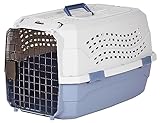
- Hard sided pet carrier with 2 doors for front and top entry; suitable for cat or medium size dog weighing 12 - 20 pounds
- Durable plastic construction with steel wire doors; screws keep the top and bottom sections securely connected
- Spring load latches ensure easy one-handed door opening and closing; top door swings open to the left or right and includes a top carry handle
- Plenty of air ventilation on the sides, top, and back of the carrier
- Note: Be sure to measure the size of the pet when choosing carrier size
Is my household ready for a shelter pet?
Match the animal’s needs to your actual household rather than choosing only by appearance or breed label. Before applying, assess your schedule, activity level, budget, living space, children, other pets and ability to provide lifelong care.
Check housing permission
Renters should obtain written landlord permission when the shelter requires it. Verify restrictions on species, size, number of animals or local licensing, and keep the approval available with your application materials.
Do these 3 things before closing this tab:
1Repair Windows errors before they cause bigger problems2Scan for outdated or missing drivers - takes under a minute3Clear out junk files and repair common Windows errorsInclude the whole household
Some organizations ask every adult household member to participate. Plan for those people to join the visit or counseling conversation if required. If you already have a dog, ask whether the shelter requires a resident-dog meet-and-greet and whether it must be scheduled separately.
Consider the animal’s placement needs
For dogs, discuss exercise demands, walking equipment, house-training and how the animal behaves when left alone. For cats, consider whether the placement is intended for an indoor home, a working-cat setting or a household with other cats or children. Ask how much handling the cat tolerates.
What documents and supplies do I need to adopt?
Have the items below ready, but confirm the exact list with the shelter because requirements differ.
Also popular on Amazon

- Secure Hard-Sided Construction: Designed as a durable pet travel carrier for small dogs and cats, this hard shell pet carrier features four reinforced buckles with optional screws that help keep the top and bottom securely connected during car rides, vet visits and everyday travel.
- Front & Top Entry with 4-Sided Ventilation: Load your pet with ease using dual-door access. Four-sided ventilation allows continuous airflow and better visibility, making this dog and cat carrier more comfortable for road trips and camping.
- Comfortable Travel Essentials Included: The included feeding bowl makes feeding on the go easy, while the raised floor helps separate pets from urine and minor spills, creating a cleaner, more comfortable resting area during travel.
- Sized for Small Pets Up to 20 lbs: This pet carrier offers room for pets to sit, turn and lie down comfortably. Ideal for small dogs, cats, puppies and kittens during daily outings, road trips and veterinary appointments.
- Easy to Carry & Simple to Clean: Made from durable plastic with sturdy steel wire doors and secure locking latches, this travel pet crate is built for repeated use. The foldable handle makes carrying easier, while the smooth surface wipes clean quickly after every adventure.
- Government-issued photo identification.
- Current address information and, when requested, proof of address.
- Written landlord permission if you rent.
- Veterinary reference details if the organization requests them.
- Participation from household members and a resident-dog introduction when required.
- A secure carrier for a cat or kitten.
- A collar and leash or a secure harness for a dog, plus a safe vehicle arrangement.
Do not assume a shelter will lend transport equipment or allow an animal to leave without it. The ASPCA’s New York City program, for example, requires a secure carrier for cats and kittens.
The Tool Desk
Outbyte PC Repair FREERepair Windows errors before they cause bigger problemsFix Now →Outbyte Driver Updater FREEFix the driver behind crashes, sound loss and screen glitchesFind Drivers →What happens during the shelter adoption process?
Most organizations use several checkpoints to confirm that the placement is appropriate. The order and depth vary, and a shelter may complete everything in one visit or spread it across appointments.
- Complete an application or adopter profile. Some shelters require an online application before a visit; others use an in-person questionnaire or create a profile at the center. Provide truthful information about your home, schedule, household and experience.
- Have an interview or counseling conversation. Staff may discuss the animal’s known needs, your expectations and practical responsibilities. Approval is organization specific; completing a form does not guarantee that a particular animal will be released to you.
- Meet the animal with staff guidance. Follow safety instructions and allow the counselor to direct the interaction. Bring household members when requested, and arrange a separate resident-dog introduction if required.
- Review health, behavior and placement information. Ask what staff or foster caregivers have observed, including energy level, house-training, handling, responses to children and other animals, medical needs and daily routine.
- Confirm the fee, services and pickup timing. Establish the exact amount, accepted payment methods, included care, return policy and whether the pet can leave that day.
- Sign the adoption agreement and transport the pet safely. After approval, pay the fee, complete the paperwork and use the required carrier, collar, leash or harness for a calm, direct trip home.
How should I meet a dog or cat before deciding?
Use the meeting to test practical compatibility, not to force an immediate emotional decision. Shelter behavior is only one part of the picture, so ask staff what they have seen in the kennel and, when applicable, in foster care.
Questions for a dog
- What are the dog’s energy level, exercise needs and daily routine?
- Is the dog house-trained, and what happens when it is left alone?
- How does it respond to children, other dogs, cats, handling and new people?
- Are there known medical conditions, medications or behavior-management needs?
- Can my resident dog meet this dog, and does that require an appointment?
Questions for a cat
- How does the cat respond to handling, children and other cats?
- Is the cat intended for an indoor home, a working-cat placement or either setting?
- What litter habits, feeding routine and medical needs are known?
- Does the cat need a bonded companion to be adopted with it?
Never skip the shelter’s handling or introduction rules. Staff may stop an interaction or require a later appointment when a safer assessment is needed.
What medical care and services are included in the adoption fee?
Ask for the animal’s current medical record and confirm what has already been completed. Many shelters include spay or neuter surgery, core vaccinations, microchipping and parasite treatment, but the pet’s local profile and adoption contract control what you receive.
Also popular on Amazon
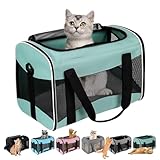
- [PRODUCT DIMENSIONS] Pet travel carrier size : 17x11x11 inches, recommended up to 15 lb pets, it is suitable for large, medium cats and small dogs. Please don't choose your airline cat carrying case based on weight, please refer to your pet's length and height when choosing a pet carrier size.
- [AIRLINE APPROVED] This cat carrier is designed with airline approved, it can fit comfortably under most flight seats, we can take our pets wherever we want. Dog travel carrier offers two attachment loop handles that can be used as a dual harness or as a luggage strap for balanced carry and secure transport.
- [EXCELLENT MATERIAL] Collapsible cat carrier is made of polyester fabric, supported by a steel ring, washable, wear-resistant and durable. The three sides and the top of this pet carrier are nylon mesh, scratch-resistant and not easy to damage, it can not only check your pet in real time, but also ensure enough air circulation.
- [SAFE AND COMFORTABLE] Dog travel bag has metal zippers on the top and side entrances, durable and not easy to deform, it allows your pets to enter and exit easily. The cat carrying case is equipped with an anti-escape safety buckle, which can effectively prevent pets from accidentally falling. It is suitable for car rides and vet rides.
- [PORTABLE AND FOLDABLE] Pet travel carrier comes with a detachable and hand washable wool pet bed, it can provide a comfortable sleeping space for your traveling pet. The cat travel case comes with an adjustable shoulder strap and handle for easy portability. When not in use, you can fold it up for storage.
- Spay or neuter status, or the date and location of a required surgery.
- Vaccinations and rabies information.
- Microchip registration instructions.
- Flea, tick, deworming or other parasite treatment.
- Heartworm testing for dogs where the shelter includes it.
- Whether a rabies license, local license or other registration is included.
- Any medication, follow-up appointment or special-care instruction.
If surgery, a stray-hold period or another medical clearance is pending, the shelter may approve you before the animal is ready to leave. Get the expected release date in writing or on your receipt.
How much does it cost to adopt a shelter dog or cat?
There is no national adoption price. Fees vary by location, species, age, medical status and the services included. The following published examples illustrate the range; they are not a universal market rate.
| Organization and date | Published fee example | Included or qualifying details |
|---|---|---|
| ASPCA New York City, current page accessed 2026 | Suggested $150 | Secure carrier required for cats and kittens; confirm the animal’s individual inclusions. |
| Austin Animal Services, current page | Many dogs $80–$120; many cats $80–$100 | Vaccinations, spay or neuter and microchipping included for the listed animals. |
| Metro Animal Care and Control, Nashville; page last updated 2025 | $90 dogs; $40 cats; $60 kittens | Sterilization, microchip, rabies license, core vaccines and parasite treatments included. |
| Ontario SPCA and Humane Society, 2026 schedule | From $100 for senior cats to $685 for puppies at some centers | Amounts vary by center and animal category. |
| Tacoma, current fee schedule | Varies by age | Includes sterilization, vaccinations, deworming, heartworm testing for dogs, flea and tick treatment and microchipping. |
Ask whether the quoted amount is the complete adoption fee or only a suggested contribution. Also confirm taxes, licensing charges, payment methods, post-adoption medication and any later surgery cost before signing.
Can I take a shelter pet home the same day?
Sometimes, but same-day pickup is never guaranteed. The deciding factors are the organization’s approval process, the animal’s medical status, any legal stray-hold period and whether a required meeting or home visit has been completed.
Quick wins for a faster PC:
Fix the driver behind crashes, sound loss and screen glitchesFind Drivers →Clear out junk files and repair common Windows errorsFree Scan →| Timing pattern | What it means for you |
|---|---|
| Same-day release | Some shelters complete counseling, payment and paperwork in one visit when the animal is medically cleared and all requirements are met. |
| Foster-based appointment | Atlanta Humane asks applicants to apply, interview and visit the foster animal, so you may need to coordinate with the foster caregiver. |
| Approval plus home visit | The Humane Society of New York requires application approval, an appointment and a home visit and does not offer same-day adoptions. |
| Stray hold or surgery delay | Minneapolis may move a pre-adoption forward only after the owner-reclaim period ends and sterilization is complete. Nashville keeps animals for pickup after surgery when needed. |
Before traveling, ask whether the pet is physically at the listed location, still available, cleared for release and eligible to leave that day. Do not arrive with a work or travel schedule that assumes immediate pickup unless the shelter confirms it.
Also popular on Amazon
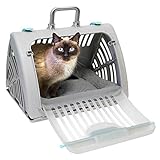
- DESIGNED SPECIFICALLY FOR CATS – PATENTED SIDE-OPENING DOOR - Original SportPet patented wide side-opening door allows cats to walk in naturally reducing fear, stress, and resistance. Ideal for anxious cats, vet visits, grooming, and everyday transport. Veterinarian recommended design for easier handling.
- HARD-SIDED CAT CARRIER WITH COMFORT BED INCLUDED - Includes 1 light gray hard-shell carrier with gray door plus an extra-comfy removable pet bed. Sturdy construction provides a safe, enclosed space cats prefer, while the soft bed adds comfort for travel or waiting rooms.
- TRAVEL-READY & VET VISIT ESSENTIAL - Perfect cat carrier for car travel, road trips, moving, and trips to the veterinarian. Smooth-closing secure door keeps pets safely contained while allowing fast, stress-free loading and unloading.
- EASY TO CLEAN & FOLD-FLAT STORAGE - Wide door opening makes cleaning quick after accidents. Carrier folds down flat for compact storage in closets, cabinets, or vehicles. Machine-washable & dryer-safe bed for hassle-free maintenance.
- IDEAL SIZE FOR LARGE CATS & SMALL PETS - Carrier dimensions: 18.5” L x 15.25” W x 14.25” H. Bed dimensions: 18” L x 13.75” W. Supports pets up to 25 lbs. Works great for large cats, small dogs, and small animals like rabbits, ferrets, and guinea pigs.
What is different about adopting a dog versus a cat?
The same basic approval and paperwork principles apply to both species, but transport, household matching and first-day preparation differ.
| Decision area | Dog adoption | Cat adoption |
|---|---|---|
| Transport | Use a collar with a leash or a secure harness and arrange a safe vehicle setup. | Use a secure carrier; shelters may require one before release. |
| Household matching | Activity needs and a resident-dog meet-and-greet may be central. | Consider other cats, children, indoor or working-cat placement and handling tolerance. |
| Preparation | Plan exercise, identification, walking equipment and local licensing. | Prepare a carrier, a quiet transition room, litter supplies and gradual introductions. |
| Timing | Surgery, behavior assessment or resident-dog appointments can delay pickup. | Stray holds, sterilization and carrier requirements can condition or delay release. |
What should I bring on adoption day?
Bring your identification, payment method and any documents the shelter requested. Transport equipment is the critical safety item: a secure carrier for a cat, or a properly fitted collar and leash or harness for a dog. Confirm whether the shelter requires additional vehicle restraints or other equipment.
Plan a calm, direct trip home. Follow the staff’s instructions for the first day rather than introducing the new pet immediately to every person or animal in the household. For a cat, have a quiet room and litter setup ready; for a dog, have identification and walking equipment ready before leaving the shelter.
What questions should I ask the shelter before signing?
Use this checklist during the interview and final paperwork:
- Is the animal still available, and where is it located today?
- What is the exact adoption fee, which payment methods are accepted and what services are included?
- Is the pet spayed or neutered, vaccinated, microchipped and treated for parasites?
- What behavior, energy level, medical history and daily routine are known?
- How does the animal respond to children, dogs, cats, handling and being left alone?
- Are there breed, size, landlord, licensing or local-law restrictions?
- Can my resident dog meet this dog, and does that require an appointment?
- Can the animal leave today, or is there a stray hold, surgery or foster appointment?
- What are the return, exchange and post-adoption support policies?
What common problems can delay an adoption?
Most delays are procedural rather than a rejection of your household. Identify the likely issue early and ask what action will resolve it.
Also popular on Amazon

- Multiple Cats: Two large cat carriers that connect in a snap—plus, the side windows can be rolled up or down whenever you need! Ideal for traveling with multiple fur babies.
- Spacious 2-in-1 Design: The carrier transforms into a secure playpen or travel crate, suitable for pets up to 35 lbs. Ideal for cats, dogs, and other small to medium pets, it offers comfort and flexibility.
- Enhanced Travel Convenience: Comes with a collapsible travel bowl and a litter box. Perfect for car rides, vacations, or camping trips, ensuring your pet's basic needs are met.
- Secure and Safe: Features locking zippers to prevent escapes, reinforced stitching, and a stable base to keep your pet secure during travel.
- Easy Setup and Storage: Simple assembly with pipe connectors, designed to be safe and user-friendly. The foldable design allows for convenient storage when not in use, saving space.
- Missing housing approval: Obtain written landlord permission before submitting the application.
- Incomplete identification or address information: Bring government photo ID and the address documents the shelter lists.
- Resident-pet compatibility: Schedule the required dog introduction instead of bringing an unapproved pet to the shelter.
- Pending surgery or stray hold: Ask for the earliest legal and medical release date and whether you can complete pre-adoption steps meanwhile.
- Animal moved to foster care: Confirm the foster location and arrange the required interview or visit.
- Transport not meeting policy: Return with a secure carrier, collar, leash or harness rather than expecting an exception.
How do I complete the adoption responsibly?
Choose an animal whose needs your household can meet, disclose relevant information during the application, and leave only after the shelter confirms approval, payment, paperwork and release status. Keep the medical and microchip documents, follow the first-day instructions and contact the organization if you need clarification about the contract or post-adoption support. The Ontario SPCA and Humane Society describes its goal as removing barriers while placing animals in “permanent, responsible homes with guardians who are willing and able to meet each animal’s lifelong needs.”
Frequently Asked Questions
Do all animal shelters require a home visit?
No. Home visits are organization-specific. Some shelters approve an adoption without one, while others make a home visit part of the approval process, so ask before submitting an application or assuming you can take the pet home.
What if the pet’s online listing changes before I arrive?
Listings can change when an animal is adopted, moved to foster care or temporarily unavailable for medical reasons. Check the listing on the day of your visit and call the shelter to verify the location and release status.
Are shelter adoption fees refundable?
Refund, return and exchange terms are set by the organization and appear in its adoption agreement. Read that section before paying, and ask whom to contact if the placement is not workable.
Can a shelter require me to license the pet?
Some adoption packages include a rabies license or other local registration, while others do not. Ask which licensing steps remain your responsibility and check the rules for your city or county.





Leave a Reply