
Some links on this page are affiliate links: if you buy through them we may earn a commission, at no extra cost to you.
Adopting from an animal shelter or SPCA usually involves six stages: find a suitable animal, check that organization’s rules, complete an application, meet the pet, finish paperwork and fees, then take the animal home with the right equipment. There is no national adoption procedure. Each shelter sets its own age, identification, landlord, appointment, payment and same-day-adoption requirements, so confirm those details before you travel.
The best adoption is a two-way fit assessment, not a race to take home the first available animal. Read the profile, discuss health and behavior frankly with staff, disclose your household circumstances, and budget for care beyond the adoption fee. The steps below work for dogs, cats and other commonly rehomed pets, with cat- and dog-specific preparation where it matters.
As an Amazon Associate I earn from qualifying purchases.
How do I start looking for a shelter or SPCA pet?
Start with the organization’s own animal listings and reputable adoption platforms such as Petfinder or Adopt A Pet. Shortlist animals whose age, size, energy, behavior and known needs fit your household before you submit an application.
Read the entire profile
Look for personality notes, exercise needs, medical information, behavior observations and the type of home the shelter believes will work. A profile may mention comfort with children or other animals, house-training, time-alone tolerance, noise level or special care. Treat those notes as a starting point for questions, not a substitute for meeting the animal.
Popular on Amazon
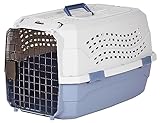
- Hard sided pet carrier with 2 doors for front and top entry; suitable for cat or medium size dog weighing 12 - 20 pounds
- Durable plastic construction with steel wire doors; screws keep the top and bottom sections securely connected
- Spring load latches ensure easy one-handed door opening and closing; top door swings open to the left or right and includes a top carry handle
- Plenty of air ventilation on the sides, top, and back of the carrier
- Note: Be sure to measure the size of the pet when choosing carrier size
Check the local process before travelling
Every animal-welfare organization has its own “unique adoption process, fees and parameters,” according to the ASPCA. On the shelter or SPCA’s current page, verify:
- Opening hours and whether visits are walk-in, appointment-only or a mixture.
- Minimum adopter age and acceptable government identification.
- Proof-of-address or landlord documentation requirements.
- Application, questionnaire or counselling steps.
- Payment methods, reservation or hold rules and whether same-day adoption is possible.
- Transport equipment required at pickup.
- Return, exchange, follow-up and post-adoption support policies.
Policies can differ between branches of the same national organization. A phone call before you leave can prevent a wasted journey if an appointment, document or carrier is required.
Quick wins for a faster PC:
Scan for outdated or missing drivers - takes under a minuteDriver Scan →Repair Windows errors before they cause bigger problemsFix Now →What should I consider before applying?
Adoption staff are trying to make a safe, durable match. Prepare accurate answers about your home, schedule, experience and budget rather than telling the organization what you think it wants to hear.
Housing and household
Be ready to describe whether you rent or own, your building’s pet rules, everyone who lives with you, children’s ages, allergies, and how the household agrees on the adoption. RSPCA teams consider whether the home is safe, whether the pet may be left alone too long, and whether landlord permission exists. Ask about pet deposits, species or size limits and local licensing before applying.
Time, experience and money
Explain a normal weekday, work and travel patterns, how long the pet would be alone, prior animal experience, exercise plans and who will provide care during holidays. Staff may ask about your budget for food, routine and emergency veterinary care, training, grooming, boarding, insurance and licensing. A low adoption fee does not make the first year inexpensive.
Existing animals
List every resident pet, including species, age, sex, health issues and temperament. Ask how the shelter assesses compatibility and whether a staged introduction or additional visit is needed. Be candid about prey drive, guarding, fear or conflict in your current animals; withholding that information can put both pets at risk.
Do these 3 things before closing this tab:
1Repair Windows errors before they cause bigger problems2Fix the driver behind crashes, sound loss and screen glitches3Clear out junk files and repair common Windows errorsHow do I choose the right dog or cat?
Use the meet-and-greet as a structured conversation about daily life, not simply an emotional reaction. Ask staff to describe what they have observed and what remains uncertain.
Also popular on Amazon

- Secure Hard-Sided Construction: Designed as a durable pet travel carrier for small dogs and cats, this hard shell pet carrier features four reinforced buckles with optional screws that help keep the top and bottom securely connected during car rides, vet visits and everyday travel.
- Front & Top Entry with 4-Sided Ventilation: Load your pet with ease using dual-door access. Four-sided ventilation allows continuous airflow and better visibility, making this dog and cat carrier more comfortable for road trips and camping.
- Comfortable Travel Essentials Included: The included feeding bowl makes feeding on the go easy, while the raised floor helps separate pets from urine and minor spills, creating a cleaner, more comfortable resting area during travel.
- Sized for Small Pets Up to 20 lbs: This pet carrier offers room for pets to sit, turn and lie down comfortably. Ideal for small dogs, cats, puppies and kittens during daily outings, road trips and veterinary appointments.
- Easy to Carry & Simple to Clean: Made from durable plastic with sturdy steel wire doors and secure locking latches, this travel pet crate is built for repeated use. The foldable handle makes carrying easier, while the smooth surface wipes clean quickly after every adventure.
Questions about health
- What examinations has the animal had, and were any conditions diagnosed?
- Which vaccinations were given, on what date, and when are boosters due?
- Has the animal been sterilized, or is an appointment or contractual requirement still pending?
- Is a microchip implanted, and how will registration be transferred?
- Are medications, prescription diets, parasite treatments or follow-up tests needed?
- What records, medication instructions and emergency contacts will you receive?
Questions about behavior and routine
- How does the animal respond to adults, children, visitors, handling and noise?
- What are its exercise, enrichment, grooming and feeding needs?
- Is it house-trained or litter-trained, and what accidents or habits have been observed?
- How does it cope when left alone, in a crate or in a carrier?
- Does it chase small animals, guard food or objects, vocalize or react to other dogs or cats?
- What situations trigger fear, reactivity or withdrawal, and what calming methods work?
Petfinder’s adopter checklist also prompts discussion of housing, work, travel, allergies, health issues and household agreement. Write down answers for each shortlisted animal so excitement does not blur important differences.
Make the meet-and-greet useful
Follow staff instructions and let the animal approach at its own pace. Observe body language, movement, recovery after a startle and willingness to engage; do not force touching, hugging or introductions. Some organizations discuss the match by phone first, while animals with complex needs may require more than one visit.
What happens during the application and approval?
Most organizations ask you to complete an application or questionnaire, discuss the answers with staff and then decide whether the placement is appropriate. Approval is individual: RSPCA says each adoption is considered with the animal’s welfare at the centre of the decision.
PC Slower Than It Used to Be?
A free scan shows the junk files, broken settings and background clutter dragging Windows down - then fixes them in one click.Free scan · Windows 10 & 11Outdated Drivers Are Slowing You Down
One free scan finds every outdated or missing driver and matches the right update for your exact hardware.Free scan · exact hardware match- Submit the application. Provide truthful contact, housing and household information, plus any requested landlord permission or proof of address.
- Answer follow-up questions. Staff may clarify time alone, resident animals, experience, allergies, travel, budget and your plan for exercise and veterinary care.
- Attend the meet-and-greet. Discuss the animal’s health, behavior, routine and known triggers while observing the interaction.
- Complete any additional checks. A branch may request a second visit, a phone consultation, an introduction involving resident pets or a sterilization agreement.
- Receive the decision and next steps. Some pets can leave after approval and payment; others require staged approval, a later pickup or completion of medical conditions.
Do not assume an application guarantees a particular animal. A shelter may recommend another pet if the first match is unsafe or unrealistic, and a responsible adopter should accept that outcome.
How long does shelter adoption take?
The timeline ranges from a single visit to several appointments. Same-day adoption is available at some organizations but not all; appointment availability, application review, medical status, sterilization rules and the animal’s behavioral needs can extend the process.
| Stage | What can affect timing |
|---|---|
| Finding an animal | Listings change quickly, and an animal may be placed on hold or adopted before your visit. |
| Application review | Missing identification, address or landlord information can pause review. |
| Meet-and-greet | Phone screening, a second visit or resident-pet introduction may be required. |
| Release to adopter | Pending sterilization, medication instructions, payment processing or pickup rules may delay departure. |
Ask the selected branch for an estimated timeline when you book. That answer is more reliable than a general promise because procedures are local and can change.
Which documents and supplies should I bring?
Bring government photo identification and any proof of current address the organization requests. If you rent, carry written landlord or building permission when required; some shelters also verify age, and Miami-Dade’s published rules require in-person adoption, photo ID, current-address proof and an adopter aged 18 or older.
Recommended Free Tools
Also popular on Amazon
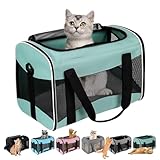
- [PRODUCT DIMENSIONS] Pet travel carrier size : 17x11x11 inches, recommended up to 15 lb pets, it is suitable for large, medium cats and small dogs. Please don't choose your airline cat carrying case based on weight, please refer to your pet's length and height when choosing a pet carrier size.
- [AIRLINE APPROVED] This cat carrier is designed with airline approved, it can fit comfortably under most flight seats, we can take our pets wherever we want. Dog travel carrier offers two attachment loop handles that can be used as a dual harness or as a luggage strap for balanced carry and secure transport.
- [EXCELLENT MATERIAL] Collapsible cat carrier is made of polyester fabric, supported by a steel ring, washable, wear-resistant and durable. The three sides and the top of this pet carrier are nylon mesh, scratch-resistant and not easy to damage, it can not only check your pet in real time, but also ensure enough air circulation.
- [SAFE AND COMFORTABLE] Dog travel bag has metal zippers on the top and side entrances, durable and not easy to deform, it allows your pets to enter and exit easily. The cat carrying case is equipped with an anti-escape safety buckle, which can effectively prevent pets from accidentally falling. It is suitable for car rides and vet rides.
- [PORTABLE AND FOLDABLE] Pet travel carrier comes with a detachable and hand washable wool pet bed, it can provide a comfortable sleeping space for your traveling pet. The cat travel case comes with an adjustable shoulder strap and handle for easy portability. When not in use, you can fold it up for storage.
Transport equipment
For a cat or kitten, use a secure carrier that cannot open accidentally. ASPCA New York requires one at pickup. For a dog, bring a properly fitted collar and leash or the shelter-approved restraint; confirm the exact requirement before arrival.
Set up a decompression area
Prepare a quiet, escape-resistant room or pen before pickup. Secure doors and windows, electrical cords, toxic plants, medicines, chemicals and small chewable objects. Provide a bed or crate if appropriate, food and water bowls, the food recommended by staff, age-appropriate toys and cleaning supplies.
Cat-specific supplies
- Litter box, litter and a scoop.
- Scratching surface and a safe elevated perch or hiding place.
- Carrier left open in the room so it can become a familiar retreat.
Dog-specific supplies
- Collar, leash and identification information.
- Crate or pen if suitable for the individual dog.
- Walking, grooming and waste-cleanup supplies.
Put a veterinary clinic and the nearest emergency clinic in your contacts. Plan a post-adoption examination according to the shelter’s instructions, and add the animal to your household emergency plan.
How much does it cost to adopt from a shelter or SPCA?
Fees are set locally, not nationally. They may help fund examinations, vaccinations, food, sterilization, microchipping and continued shelter work, but the exact package must be confirmed on the organization’s current page.
| Organization and page year | Published adoption fee | Published inclusions or conditions |
|---|---|---|
| ASPCA New York (2026) | $150 suggested fee | A mandatory New York City dog-license fee may be added for local adopters. |
| SPCA of Texas (2026) | $175 for puppies and kittens under six months; $100 for adults | Exam, behavior assessment, microchip, sterilization, vaccinations and follow-up support are listed; dogs also receive starter food and walking gear. |
| BC SPCA (2026) | $300 cats; $375 kittens; $500 dogs; $625 puppies | Assessment, core vaccinations, parasite treatment, sterilization, microchip registration and a six-week pet-insurance trial are listed. |
These are organization-specific examples, not a national price list. Ask whether the fee includes sterilization, vaccines, parasite treatment, microchip registration, medications, food, equipment, insurance trials and follow-up care, and whether any service is still scheduled or conditional.
Budget beyond the fee
Build a first-year estimate that includes licensing, carrier or walking gear, bowls, litter, food, bedding, toys, grooming, routine and emergency veterinary care, training, boarding and insurance. A shelter’s included services can reduce initial spending without eliminating ongoing costs.
How do I bring the pet home safely?
Keep the trip calm and controlled. Cats should travel in a closed, secure carrier; dogs should use the collar and leash or other restraint approved by the shelter. Do not allow an unrestrained animal to jump out in a car park or ride loose in a moving vehicle.
Also popular on Amazon
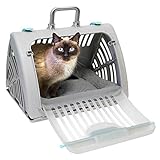
- DESIGNED SPECIFICALLY FOR CATS – PATENTED SIDE-OPENING DOOR - Original SportPet patented wide side-opening door allows cats to walk in naturally reducing fear, stress, and resistance. Ideal for anxious cats, vet visits, grooming, and everyday transport. Veterinarian recommended design for easier handling.
- HARD-SIDED CAT CARRIER WITH COMFORT BED INCLUDED - Includes 1 light gray hard-shell carrier with gray door plus an extra-comfy removable pet bed. Sturdy construction provides a safe, enclosed space cats prefer, while the soft bed adds comfort for travel or waiting rooms.
- TRAVEL-READY & VET VISIT ESSENTIAL - Perfect cat carrier for car travel, road trips, moving, and trips to the veterinarian. Smooth-closing secure door keeps pets safely contained while allowing fast, stress-free loading and unloading.
- EASY TO CLEAN & FOLD-FLAT STORAGE - Wide door opening makes cleaning quick after accidents. Carrier folds down flat for compact storage in closets, cabinets, or vehicles. Machine-washable & dryer-safe bed for hassle-free maintenance.
- IDEAL SIZE FOR LARGE CATS & SMALL PETS - Carrier dimensions: 18.5” L x 15.25” W x 14.25” H. Bed dimensions: 18” L x 13.75” W. Supports pets up to 25 lbs. Works great for large cats, small dogs, and small animals like rabbits, ferrets, and guinea pigs.
- Confirm that paperwork, medical records, medication and feeding instructions are in your possession.
- Check the carrier, collar or leash fit before leaving the building.
- Go directly to the prepared home area rather than adding errands or visitors.
- Offer water and the familiar food as advised, but do not force interaction.
- Keep doors and windows secured while the animal learns the new space.
What should I expect during the first days and weeks?
The ASPCA’s 3-3-3 guideline is a useful framework, not a deadline. The first three days may bring fear and sensory overload; over roughly three weeks the pet begins learning routines; over three months trust and personality can continue to develop.
First three days
Keep the environment quiet, limit visitors and allow the animal to retreat. Use predictable feeding, toileting and rest times. Do not force cuddling, play, introductions or exploration beyond what the pet can handle.
First three weeks
Expand access gradually as the animal settles. Reward desired behavior, maintain clear boundaries and note changes in appetite, elimination, sleep, fear or reactivity. Contact the shelter or veterinarian if a medical or behavior concern appears rather than waiting for it to become a crisis.
First three months
Continue routine and positive reinforcement while the pet’s real personality emerges. Introduce resident animals, new rooms, visitors and longer absences in small steps. Keep identification and microchip records current as soon as the organization explains the transfer process.
How should I compare two shelters or SPCA branches?
Compare the actual policies of the branches you could use; a familiar name does not guarantee identical rules.
The Tool Desk
Outbyte PC Repair FREEClear out junk files and repair common Windows errorsFree Scan →Outbyte Driver Updater FREEFix the driver behind crashes, sound loss and screen glitchesFind Drivers →| Comparison question | Why it matters |
|---|---|
| Walk-in or appointment/application model? | Determines whether you can browse today or must reserve a time. |
| Same-day or staged approval? | Affects travel, preparation and how quickly the pet can leave. |
| What does the fee include? | Reveals which veterinary and identification costs are already covered. |
| Which documents and landlord rules apply? | Prevents an avoidable application delay or refusal at pickup. |
| What support and return policy is offered? | Shows where to seek help if health, behavior or household fit changes. |
| How detailed are animal profiles? | Better disclosure helps you screen for energy, triggers and compatibility. |
| What transport is required? | Ensures you arrive with a secure carrier or approved dog restraint. |
What problems can delay or derail an adoption?
Missing paperwork
Bring photo ID, address evidence and landlord permission when requested. If a document is unavailable, ask the branch exactly what alternative it accepts before submitting an application.
A mismatch discovered at the meeting
Tell staff if the animal’s energy, behavior or care needs differ from your capacity. A recommendation to consider another pet is a welfare safeguard, not a judgement about you.
Also popular on Amazon

- Multiple Cats: Two large cat carriers that connect in a snap—plus, the side windows can be rolled up or down whenever you need! Ideal for traveling with multiple fur babies.
- Spacious 2-in-1 Design: The carrier transforms into a secure playpen or travel crate, suitable for pets up to 35 lbs. Ideal for cats, dogs, and other small to medium pets, it offers comfort and flexibility.
- Enhanced Travel Convenience: Comes with a collapsible travel bowl and a litter box. Perfect for car rides, vacations, or camping trips, ensuring your pet's basic needs are met.
- Secure and Safe: Features locking zippers to prevent escapes, reinforced stitching, and a stable base to keep your pet secure during travel.
- Easy Setup and Storage: Simple assembly with pipe connectors, designed to be safe and user-friendly. The foldable design allows for convenient storage when not in use, saving space.
Unexpected medical or behavioral needs
Ask for records, medication instructions, known triggers and follow-up requirements before paying. Confirm which services are included and which costs become yours after adoption.
Introducing too much too soon
Fear, hiding or accidents during the first days do not necessarily predict the settled personality. Reduce stimulation, restore routine and seek the shelter’s support rather than forcing contact or surrendering impulsively.
What’s actually slowing this PC down?
Pick the symptom - the matching free tool is one click away.
What is the most responsible way to decide?
Adopt when the animal’s needs, your household and your long-term budget align. Read the profile, verify local rules, answer the application honestly, ask specific health and behavior questions, and prepare the home before pickup. A careful match and a calm transition give both you and the pet the best chance of a lasting placement.
Frequently Asked Questions
Can I adopt a shelter pet if I rent my home?
Often yes, but the organization may require written landlord or building permission and may check species, size or number limits. Get that approval before applying and ask about pet deposits or licensing obligations so they do not surface at pickup.
What should I do if the adoption is not working out?
Contact the shelter or SPCA promptly and use the organization’s stated return or support process; policies differ by branch. Never give the animal away informally or leave it outside a facility, because staff need the medical and behavioral history to arrange a safe next placement.
How do I make sure a microchip is registered to me?
Ask whether the adoption package includes registration or only implantation, then confirm the transfer instructions in your paperwork. Update your phone, address and emergency contact immediately after the organization releases the record.
Free tools Windows power users keep installed
One-click scans. No signup required.
Should I insure a newly adopted pet immediately?
Some organizations include a limited insurance trial, while others do not. Read the policy’s waiting periods, exclusions and renewal terms, and keep a separate emergency-veterinary fund because insurance may not cover every condition.





Leave a Reply