
Some links on this page are affiliate links: if you buy through them we may earn a commission, at no extra cost to you.
Brush your dog’s teeth every day with a soft, size-appropriate brush and toothpaste made for pets. Angle the bristles about 45 degrees toward the gumline, work on the outer surfaces first, and build the routine gradually so your dog remains comfortable. Daily brushing is the most effective home method for controlling plaque; dental chews, dental diets, wipes, and water additives can help, but they are supplements rather than replacements.
Dental disease is common early in life: the University of California, Davis School of Veterinary Medicine reports that 80–90% of dogs have some periodontal disease by age three, while World Small Animal Veterinary Association guidance says more than 80% show signs of periodontitis by age two. A calm, consistent home routine plus at least annual veterinary dental examinations gives your dog the best protection.
As an Amazon Associate I earn from qualifying purchases.
Why does dog tooth brushing matter?
Plaque is a bacterial film that begins accumulating soon after a dog eats. If it is not disrupted, it hardens into tartar and contributes to gingivitis and periodontal disease. Disease below the gumline can damage supporting tissues and cause pain even when the visible teeth look acceptable.
World Small Animal Veterinary Association (WSAVA) global dental guidance calls tooth brushing “the gold standard.” In a study of 22 dogs, daily brushing controlled plaque more than three times as effectively as either a daily dental chew or a dental diet. Plaque can build up within 24 hours, which is why daily care is ideal.
Popular on Amazon
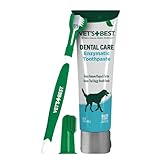
- DOG TOOTH BRUSHING KIT: Keep your dog's teeth and gums healthy with our dog toothbrush and toothpaste kit; our toothpaste is made with aloe, neem oil, grapefruit seed extract, baking soda, and enzymes to keep you dog's mouth fresh
- DOG DENTAL CARE MADE EASY: Our dog tooth paste gently cleans away plaque and tartar, serving as an effective dog breath freshener; rid your dog of bad breath and gift them a healthier mouth with our dog tooth brushing kit.
- TRIPLE HEAD TOOTHBRUSH: Our dog dental cleaning kit features a triple-sided dog tooth brush that cleans all sides of your dog's teeth at once, making tooth brushing faster and more efficient; no more struggling to clean those hard to reach back teeth
- NATURAL FLAVORS: Our toothpaste for dogs has natural flavors that your furry friend will love, making dog tooth brushing a more enjoyable experience even for the pickiest of pups, so you can keep their dog breath fresh without any fuss
- DENTAL KIT FOR DOGS OF ALL SIZES: Regular teeth cleaning supports your pet’s health. Use our dog toothbrush and toothpaste between vet visits to maintain oral hygiene, reduce plaque and tartar buildup, and keep your dog’s mouth fresh and healthy.
Brushing also lets you notice changes early. A new odor, red gumline, a chipped tooth, or reluctance to eat may be the first sign that a veterinary examination is needed.
How often should I brush my dog’s teeth?
Aim for once every day. If daily brushing is not realistic, brush three or four times per week; regular brushing at that frequency still makes a meaningful difference. Veterinary Oral Health Council (VOHC) and American Veterinary Dental College (AVDC) guidance emphasize that any brushing done regularly is better than none.
Choose a time when your dog is relaxed, such as after a walk. Keep sessions short at first and stop before your dog becomes distressed. Consistency matters more than making one session long.
How do I teach a dog to accept a toothbrush?
Training works best as a series of small, reward-based steps. Do not pry the mouth open or hold your dog down. If your dog pulls away, freezes, growls, or shows other stress signals, stop and return to an easier step later.
Weeks 1–2: introduce the toothpaste
- Choose toothpaste formulated for dogs and safe to swallow.
- Place a tiny amount on your fingertip.
- Let your dog lick it, then praise calmly or offer a small reward.
- Repeat for a few seconds on several days before adding any mouth handling.
Never use human toothpaste. It may contain ingredients that are unsafe for dogs when swallowed, and dogs cannot reliably rinse and spit.
Weeks 3–4: make the tool familiar
- Put a small amount of the same pet toothpaste on a soft pet brush, soft child’s toothbrush, finger brush, or clean cloth.
- Allow your dog to lick the toothpaste from the tool.
- Do not brush yet; the goal is to make the object predictable and positive.
Weeks 5–7: practice mouth and gum contact
- With your dog facing away or beside you, gently touch the lips and cheek.
- Lift the lip briefly to touch the outer gumline with a clean finger.
- Praise immediately and release the lip.
- Increase contact time by only a second or two when your dog remains relaxed.
Keep the mouth closed during these early exercises. Most plaque is on the cheek-side surfaces, so you do not need to open the jaws to begin effective cleaning.
Week 7 onward: add short brushing sessions
- Apply pet toothpaste to the moistened brush.
- Lift one lip and brush the outer surfaces for about 5–10 seconds on that side.
- Repeat on the opposite side.
- Reward your dog and end the session while it is still going well.
- Gradually extend the time as acceptance improves.
What is the correct technique for brushing a dog’s teeth?
Use a soft brush and concentrate on the junction between tooth and gum. Hold the bristles at roughly a 45-degree angle toward the gumline and make small, gentle circular strokes. Light pressure is enough; scrubbing hard can irritate gums.
Start with the outer upper teeth
Begin with the closed-mouth, cheek-side surfaces, especially the upper back teeth. Their position beside the salivary ducts makes them prone to plaque and tartar accumulation. Work from the canine teeth toward the molars in small sections.
Add other surfaces only as tolerated
Once your dog accepts the outer surfaces, brush the lower outer teeth and then try the inner surfaces. Inner surfaces are harder to reach and usually collect less plaque because the tongue provides some natural cleaning. Do not sacrifice a calm routine to reach every tooth immediately.
Also popular on Amazon

- COMPLETE DOG DENTAL KIT: Includes a 2.5 oz tube of chicken flavor enzymatic dog toothpaste, a long-handled double-ended toothbrush, and a finger brush, giving you a full at-home dog tooth brushing kit in one pack.
- ENZYMATIC BAKING SODA FORMULA: This Arm & Hammer enzymatic toothpaste for dogs uses baking soda for fresh breath and helps with tartar control*. Added calcium is part of the formula for stronger teeth.
- CHICKEN FLAVOR TOOTHPASTE: The chicken flavored dog toothpaste is made to make brushing more appealing. Start with a small amount so your dog can adjust to the flavor, then build a steady brushing habit over time.
- TARTAR CONTROL SUPPORT: Brushing regularly with this dog toothpaste and toothbrush helps with tartar control* and fresh breath. Use the toothpaste with either brush as part of a consistent at-home dental care routine.
- TWO BRUSH SIZES INCLUDED: The long-handled double-ended toothbrush and the finger brush give you two brush sizes to suit all size pets. The finger brush is made for training and for sensitive pets.
Use a repeatable pattern
- Lift the lip rather than forcing the jaw open.
- Place the brush at the gumline.
- Use short circles over two or three teeth at a time.
- Move methodically so you do not miss the back teeth.
- Keep the total session brief until your dog can relax through it.
Which dog toothbrush should I buy?
Select a soft brush that fits your dog’s mouth and that you can control easily. A small, soft child’s toothbrush can work for a small dog; larger dogs may need a wider pet brush. Brushes clean along and slightly below the gumline better than a cloth.
The Tool Desk
Outbyte PC Repair FREERepair Windows errors before they cause bigger problemsFix Now →Outbyte Driver Updater FREEScan for outdated or missing drivers - takes under a minuteDriver Scan →| Tool | Best use | Limitations |
|---|---|---|
| Soft pet toothbrush | Most dogs; good gumline access when correctly sized | Requires gradual training and regular replacement when bristles wear |
| Soft child’s toothbrush | Low-cost alternative sized to a small or medium mouth | Handle or head may be awkward in a very small or very large mouth |
| Finger brush | Dogs that reject a handled brush; helps an owner feel the gumline | Usually provides less precise gumline cleaning and places fingers near teeth |
| Dental cloth or wipe | Fallback when a brush is refused or for brief maintenance between sessions | Does not clean below the gumline as well as bristles |
Replace a brush when the bristles become bent, frayed, or contaminated. Use a separate brush for each dog and rinse it thoroughly after use.
What toothpaste is safe for dogs?
Use only toothpaste made for pets and labeled safe to swallow. Flavor can improve cooperation, but the mechanical action of the bristles removes most plaque. Offer a small amount first to confirm that your dog accepts the taste.
Do not use human toothpaste or baking soda. Human formulas are designed to be spit out and may contain substances that are unsafe when swallowed. Baking soda is unnecessary and can upset the stomach if a dog ingests enough of it.
Follow the product label for storage and amount. More toothpaste does not clean better; a thin coating on the bristles is sufficient.
Recommended Free Tools
Are dental chews as good as brushing?
No. Chews can reduce plaque or tartar in some dogs, but brushing has the strongest evidence and reaches the gumline more consistently. In the 22-dog study cited by WSAVA, daily brushing was more than three times as effective for plaque control as a daily chew or dental diet.
Use a chew as an adjunct when brushing is incomplete, not as permission to stop brushing. Select an appropriately sized product, supervise chewing, and account for calories. A dog that swallows large pieces or gulps treats may need a different option.
How the main home-care options compare
| Method | Plaque-control strength | Gumline access | Coverage and acceptance | Main risks or trade-offs |
|---|---|---|---|---|
| Tooth brushing | Highest; daily brushing is the benchmark | Direct access to outer gumline and, with training, inner surfaces | Can cover front and back teeth when done methodically; requires cooperation | Stress if forced; needs repeated owner effort |
| Dental chews | Helpful adjunct; generally less effective than brushing | Depends on chewing contact; inconsistent at the gumline | Often readily accepted; back-tooth contact varies by chewing style | Calories, choking or ingestion concerns, and tooth fracture with overly hard products |
| Dental diets | Adjunct supported for some formulated products | Relies on kibble contact rather than direct gumline cleaning | Can cover teeth during meals; acceptance and veterinary suitability vary | Extra calories, cost, and possible need for veterinary oversight |
| Wipes or cloths | Useful when brushing is refused, but weaker than bristles | Surface wiping; limited below-gumline reach | Front and cheek-side surfaces are easiest; some dogs tolerate them | Less thorough cleaning and frequent replacement |
| Water additives | Product-specific adjunct; not a mechanical substitute | No direct brushing action; depends on distribution in drinking water | Easy for owners if the dog accepts the taste; does not target individual teeth | Product evidence, dosing, and regional availability vary |
How can I choose evidence-based dental products?
Look for products with peer-reviewed evidence and/or the VOHC seal. The current VOHC directory lists accepted chews, diets, toothpastes, water additives, and wipes; it also identifies whether an item is consumer or veterinary-only, so check the current listing and local access before buying.
Compare each product on the factors that affect your dog:
Free tools Windows power users keep installed
One-click scans. No signup required.
Also popular on Amazon
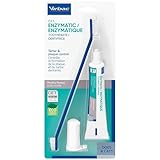
- #1 BRAND CHOSEN BY VETERINARIANS: Proven effective and trusted for over 30 years, C.E.T. is the top recommended dental brand by veterinary professionals to reduce plaque & tartar buildup
- Dual-sided toothbrush designed specifically for canine mouths with soft bristles for comfortable brushing
- Long handle with reverse angle allows for easy use and soft bristles for comfortable brushing while the finger-brush slips over finger for ease of use and better control
- Great tasting poultry-flavored toothpaste is ideal for dogs and cats that quickly build up plaque and tartar
- Complete kit with everything pet owners need to start a program of regular oral hygiene for their dog or cat. Ideal to help acquaint dogs/cats and their owners with the tooth brushing experience
- Claim: Determine whether the product is accepted for plaque control, tartar control, or both.
- Gumline reach: Prefer options that physically contact teeth near the gingival margin.
- Tooth coverage: Consider whether your dog chews with the front teeth only or works treats toward the back.
- Acceptance: A product your dog refuses cannot provide benefit.
- Safety: Match the size to the dog, supervise chewing, and avoid unusually hard materials.
- Calories: Include chews and treats in the daily food allowance.
- Oversight: A veterinary-recommended diet or product may be appropriate for dogs with specific medical needs.
- Availability: VOHC listings and product access can differ by country and may change.
Examples currently listed in the VOHC directory include the HealthyMouth Toothpast/Brush Kit Combination for Dogs, Medium/Large Breed; Canine Greenies Dental Chews; OraVet Dental Hygiene Chews; Petsmile Professional Pet Toothpaste; and Hill’s Prescription Diet Canine t/d Original Bites. Check the live directory for the current acceptance status, intended size, and consumer-versus-veterinary availability.
Which dental products should I avoid?
Do not give hard bones, antlers, or chews that cannot be dented with a thumbnail. Their hardness can fracture teeth, creating painful injuries that require veterinary treatment. Avoid any product that splinters, breaks into large pieces, or encourages frantic gulping.
Do not substitute household abrasives, human toothpaste, or baking soda for a pet dental product. If a dog has a history of fractured teeth, swallowing problems, or aggressive chewing, ask a veterinarian to help choose a safer option.
When is home brushing not enough?
Home care removes surface plaque but cannot inspect or clean disease hidden below the gumline. Professional scaling, periodontal probing, and dental radiographs may be needed to find pockets, infected roots, loose teeth, or resorptive damage.
Quick wins for a faster PC:
Clear out junk files and repair common Windows errorsFree Scan →Fix the driver behind crashes, sound loss and screen glitchesFind Drivers →Repair Windows errors before they cause bigger problemsFix Now →Call your veterinarian promptly for warning signs
- Bleeding gums or persistent redness
- Broken, loose, or missing teeth
- Severe tartar or a rapidly worsening odor
- Pain, sensitivity, facial swelling, or excessive drooling
- Trouble chewing, dropping food, or appetite loss
- Unusual irritability, withdrawal, or other behavior change
UC Davis veterinarian Ilana Halperin, DVM, DABVP, advises contacting a veterinarian for bleeding gums, broken teeth, severe tartar, sensitivity, or anything unusual. Dogs often hide oral pain, so a change in eating or behavior deserves attention even when the mouth is difficult to inspect.
How often does a dog need a professional dental examination?
AAHA recommends a veterinary dental examination at least once a year, with professional-cleaning intervals individualized to the dog. A small dog, a dog with crowded teeth, or one with previous periodontal disease may need more frequent monitoring. Your veterinarian can set the interval after examining the mouth and reviewing home care.
Professional treatment is performed under veterinary protocols that allow the team to scale below the gumline, polish tooth surfaces, probe periodontal pockets, and take radiographs when indicated. An awake scraping of visible tartar cannot provide that evaluation and may leave active disease untreated.
Independent reader supportYour contribution helps us test, update, and keep practical guides available for everyone.What should a practical weekly routine look like?
Build brushing into an existing habit rather than relying on memory. A simple routine is:
What’s actually slowing this PC down?
Pick the symptom - the matching free tool is one click away.
- Choose one quiet daily time and prepare the pet toothpaste and brush.
- Let your dog sniff or lick the toothpaste.
- Brush the outer upper teeth first, using 5–10 seconds per side while your dog is learning.
- Continue around the lower outer teeth and, when accepted, the inner surfaces.
- Reward cooperation and rinse the brush.
- Use a veterinarian-approved VOHC adjunct on days when a full brushing session is not possible, following its label directions.
Keep a note of the last successful session if several people care for the dog. If your dog resists after previously cooperating, check for oral pain rather than simply increasing restraint.
Also popular on Amazon

- SUPERIOR FORMULA FOR DOGS & PUPPIES - Upgrade to a professional-grade pet toothpaste crafted from natural ingredients. Our superior pet dental care formula ensures unparalleled oral hygiene without the harsh chemicals.
- IRRESISTIBLY DELICIOUS BACON & CHICKEN FLAVORS – Dogs and cats go absolutely wild for our real bacon and chicken flavors! They lick the brush clean and beg for more, turning daily tooth brushing into the highlight of their day instead of a battle.
- DOUBLE ENZYMATIC PLAQUE BUSTER - Unlock a brighter smile for your furry friend! Our enzymatic puppy toothpaste for small dog is enriched with the dual power of papaya and pineapple enzymes. Our natural pet teeth cleaning formula eliminates plaque and tartar buildup, ensuring a radiant smile.
- GOODBYE BAD BREATH - Harness the natural power of extra virgin coconut oil in our dog and cat toothpaste. Say goodbye to bad dog and cat breath and reduce the risk of dental issues like plaque and gum disease.
- NATURALLY SOOTHING & MOISTURIZING - Soothe inflamed gums and promote oral health with our dog and cat toothpaste's Virgin Hemp Seed Oil and Calendula Oil. Our toothpaste is an essential component of your pet tooth brushing kit in preventing gum disease and oral discomfort.
Can puppies, older dogs, or nervous dogs learn?
Yes, but the pace should match the individual. Puppies can practice lip lifting and toothpaste tasting before all adult teeth erupt; avoid pulling at loose baby teeth. Older dogs can learn the same progression, although painful periodontal disease, arthritis, or reduced tolerance may require a veterinary examination before training.
For a nervous dog, shorten sessions, use higher-value rewards that fit the daily calorie plan, and advance only after several relaxed repetitions. A veterinary behavior professional can help when fear, snapping, or severe handling sensitivity makes oral care unsafe.
What is the bottom line for protecting a dog’s teeth?
Use a soft brush and dog-safe toothpaste, train in gradual steps, and work toward daily gumline brushing. Add a VOHC-accepted chew, diet, wipe, or water additive when useful, but judge it by evidence, safety, calories, and your dog’s acceptance. Arrange at least annual veterinary dental examinations and seek care promptly for pain, bleeding, broken teeth, swelling, appetite changes, or unusual behavior.
Do these 3 things before closing this tab:
1Repair Windows errors before they cause bigger problems2Scan for outdated or missing drivers - takes under a minute3Clear out junk files and repair common Windows errorsFrequently Asked Questions
Can I brush my dog’s teeth with coconut oil or salt water?
Neither is a substitute for a dog toothpaste and mechanical brushing. Household mixtures have not been established here as reliable plaque-control products, and salty solutions can add unnecessary sodium if swallowed. Use a pet-formulated toothpaste and ask your veterinarian before adding any home ingredient.
Should I brush my dog’s teeth before or after feeding?
Choose a time when the dog is calm and unlikely to be interrupted; many owners find brushing after exercise and before a meal works well. The important factor is performing the session consistently, not a particular relationship to feeding.
How do I know whether a dental chew is too hard?
If you cannot make a thumbnail indentation in the chew, it may be hard enough to fracture a tooth. Discard pieces that splinter, supervise the entire chew, and select the size specified for your dog’s weight.
Why does my dog still have bad breath after I start brushing?
Odor can persist when tartar or periodontal infection is already below the gumline, where home brushing cannot clean it. Have a veterinarian examine the mouth, especially if the odor is accompanied by bleeding, pain, drooling, appetite change, or behavior change.
Can brushing replace a professional dental cleaning?
No. Brushing controls new plaque on accessible surfaces but cannot diagnose or treat disease beneath the gums. Veterinary examinations, scaling, probing, polishing, and dental radiographs may still be necessary at intervals your veterinarian sets.





Leave a Reply