
Some links on this page are affiliate links: if you buy through them we may earn a commission, at no extra cost to you.
The most reliable way to calm a cat for a veterinary appointment is to make the carrier familiar before the day, use a stable and well-ventilated carrier, transport the cat with familiar scent and controlled visual stimulation, and tell the clinic exactly what triggers fear. For cats that panic, ask the veterinarian in advance about an individualized pre-visit anxiolytic plan. During the visit, low-stress handling, quiet surroundings, treats when appropriate and examination in the carrier’s bottom can prevent fear from escalating.
Why are vet appointments so stressful for cats?
A veterinary visit combines several stressors that may already be frightening on their own: the sudden appearance of a carrier, being lifted and moved, car motion, unfamiliar smells, barking dogs, strange people, restraint and needles. A cat may also learn that the carrier predicts an unpleasant event if it is brought out only before appointments. Chasing a cat around the house or forcing it through the carrier door can strengthen that association and make the next visit harder.
As an Amazon Associate I earn from qualifying purchases.
What’s actually slowing this PC down?
Pick the symptom - the matching free tool is one click away.
The practical goal is not to make every cat look perfectly relaxed. It is to reduce avoidable fear, preserve the cat’s sense of choice where safety allows, and give the veterinary team enough information to adjust the plan. A cat that still shows some caution but enters the carrier voluntarily and can be handled without escalating distress is in a much better position than one that has been cornered and forcibly stuffed inside.
How do I prepare a cat for a vet visit?
Start carrier training well before the appointment. Short, voluntary sessions are more effective than one long attempt on the day of the visit.
Popular on Amazon
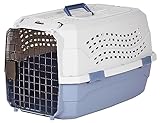
- Hard sided pet carrier with 2 doors for front and top entry; suitable for cat or medium size dog weighing 12 - 20 pounds
- Durable plastic construction with steel wire doors; screws keep the top and bottom sections securely connected
- Spring load latches ensure easy one-handed door opening and closing; top door swings open to the left or right and includes a top carry handle
- Plenty of air ventilation on the sides, top, and back of the carrier
- Note: Be sure to measure the size of the pet when choosing carrier size
Make the carrier ordinary furniture
Leave the carrier open in a room where the cat spends time. Put comfortable bedding inside and keep the door secured open so it cannot swing shut unexpectedly. Let the cat investigate at its own pace. The American Animal Hospital Association recommends gradual, choice-based exposure and advises never forcing a cat into the carrier. The AAFP/ISFM Feline-Friendly Handling Guidelines describe the goal plainly: “The goal is for the cat to enter the carrier voluntarily.”
Reward small steps rather than waiting for a complete entry. Place a treat or toy near the carrier, then at the entrance, and later farther inside. If food increases tension, use a favorite toy, praise or simply allow the cat to retreat and try again. Do not reach in and grab the cat once it enters; the carrier should remain a safe place, not a trap.
Windows Errors? Fix Them Before They Spread
Repair common Windows errors and clear accumulated junk for a smoother, more stable PC - no reinstall needed.Free scan · no reinstallCrashes, No Sound, or Screen Glitches?
Random freezes, missing sound and display glitches usually trace back to one bad driver. Find and replace yours safely.Free scan · under a minuteBuild duration and movement gradually
When the cat is comfortable entering, briefly close the door, provide a reward, and reopen it before the cat becomes distressed. Over several sessions, increase the closed-door time. Next, lift the empty carrier a few inches, set it down smoothly, and reward calm behavior. Practice carrying it through the home and placing it in the car without starting the engine. These rehearsals teach the cat that the carrier and movement do not always lead to a clinic.
AAHA summarizes the principle as “More practice = less stress.” Training should stop while the cat is still coping. If the cat hides, pants, vocalizes intensely or tries to escape, return to an easier step at the next session instead of pushing through.
What if the appointment is soon?
You can still reduce the struggle when there is little preparation time. Put the open carrier in a small room with few hiding places, add familiar bedding and close the room’s other exits. Bring the cat in calmly rather than chasing it through the house. If the carrier has a removable top, take the top off, let the cat settle in the bottom tray, then replace the top slowly and secure the latches. This approach often avoids pushing a frightened cat through a narrow front door.
What type of carrier is least stressful?
A carrier should fit the cat comfortably while allowing safe handling. AAHA guidance recommends enough room to stand, turn around, sit and lie down, along with good ventilation, easy cleaning and front entry plus removable-top or top-opening access.
Free tools Windows power users keep installed
One-click scans. No signup required.
Also popular on Amazon

- Secure Hard-Sided Construction: Designed as a durable pet travel carrier for small dogs and cats, this hard shell pet carrier features four reinforced buckles with optional screws that help keep the top and bottom securely connected during car rides, vet visits and everyday travel.
- Front & Top Entry with 4-Sided Ventilation: Load your pet with ease using dual-door access. Four-sided ventilation allows continuous airflow and better visibility, making this dog and cat carrier more comfortable for road trips and camping.
- Comfortable Travel Essentials Included: The included feeding bowl makes feeding on the go easy, while the raised floor helps separate pets from urine and minor spills, creating a cleaner, more comfortable resting area during travel.
- Sized for Small Pets Up to 20 lbs: This pet carrier offers room for pets to sit, turn and lie down comfortably. Ideal for small dogs, cats, puppies and kittens during daily outings, road trips and veterinary appointments.
- Easy to Carry & Simple to Clean: Made from durable plastic with sturdy steel wire doors and secure locking latches, this travel pet crate is built for repeated use. The foldable handle makes carrying easier, while the smooth surface wipes clean quickly after every adventure.
| Carrier feature | Why it matters | What to check before buying |
|---|---|---|
| Removable top or top-opening access | The veterinary team can examine the cat in the familiar bottom rather than pulling the cat out. | Top can be removed and replaced quietly; latches close securely. |
| Appropriate size | The cat can change position without being cramped, but the carrier is not so large that the cat slides during travel. | Measure the cat in a natural sitting and lying position; account for bedding. |
| Ventilation | Fresh air and visibility can be adjusted without creating heat or panic. | Openings on multiple sides; no blocked vents when a cover is used. |
| Stable construction | Less rocking and jostling reduces motion-related fear. | Rigid base, reliable handle or attachment points and a design that sits level in the vehicle. |
| Easy-to-clean surfaces | Accidents can be removed without leaving strong odors. | Washable plastic or removable liners; avoid materials that retain urine smells. |
| Front entry | Useful for routine loading and for cats that prefer walking in. | Door opens fully and does not swing toward the cat. |
A hard-sided carrier with a removable top is often the most versatile choice for fearful cats because it combines a stable base with examination access. A soft-sided carrier can work if it remains well ventilated, does not collapse around the cat and can be secured safely in the vehicle; it is less useful if the clinic cannot open it without disturbing the cat.
Should I use bedding or a pheromone spray?
Use familiar scent as an optional aid, not as a replacement for carrier training or veterinary advice. A blanket, towel or clean T-shirt that smells like home can make the carrier less unfamiliar. Choose an item that will not obstruct ventilation or entangle the cat.
How to apply synthetic feline pheromone spray
Environmental-handling guidance recommends spraying or wiping the carrier, bedding or a cover with a synthetic feline pheromone product before loading. The 2022 ISFM/AAFP guidance describes preparation about 15 minutes before the cat enters; older AAFP/ISFM handling guidance advises at least 30 minutes before transport. Product instructions take priority. Allow the carrier-directed preparation interval and let any alcohol smell from the spray dissipate before the cat goes inside. AAHA names Feliway as an example of this type of product.
- Remove the cat from the room or place the carrier where the cat cannot inhale a fresh spray directly.
- Apply the product to bedding, the carrier or a cover according to its label; do not spray the cat.
- Wait the label’s required interval so the liquid and carrier odor can evaporate.
- Put the familiar bedding in the carrier and observe whether the cat prefers the carrier covered, partly covered or open.
Some cats become more unsettled when their view is blocked, while others relax when visual stimulation is reduced. Keep the option that produces the calmer response. Pheromone products are an adjunct; they cannot substitute for an appropriate carrier, careful transport or a medication plan when fear is severe.
What can I give a cat to calm it before the vet?
Only a veterinarian should choose a calming medication, dose and timing for an individual cat. Never give a human medicine, another pet’s prescription or a leftover tablet from a previous visit without explicit veterinary direction. Kidney disease, frailty, debilitation, other medicines and previous unusual reactions can change what is safe.
Ask for a plan before appointment day
Tell the clinic about previous difficult visits, attempts to bite or scratch, panic in the carrier, motion sickness and all current medicines. The veterinarian may recommend a pre-visit anxiolytic for a cat whose fear is marked or whose handling tolerance is poor. Advance planning matters because the drug may need to be given at home before the first stressor, and the veterinarian may want a supervised trial on a non-appointment day.
Also popular on Amazon

- Top & Front Dual-Entry for Easy Placement: Gently place pets through the top opening — ideal for cats or small dogs who resist front-door entry — or use the front door for easy loading. The top carry handle makes transport simple for outdoor trips, vet appointments, and carrier training at home
- Secure Multi-Point Locking System: Built with a molded ABS hard shell and welded steel wire mesh door, secured by 4 reinforced locking buckles with matching fixing screws, this hard-sided carrier helps prevent door push-out during bumpy car rides. Tip: confirm every buckle clicks fully into place before travel. Ideal for vet visits, daily commutes, and weekend road trips.
- Durable Hard-Shell Construction: Molded ABS hard shell with a welded steel wire mesh door keeps its rigid shape and protects pets trip after trip — a noticeably more solid build than typical soft-sided carriers. Ideal for frequent trips and multi-pet households.
- Easy Cleanup & Feeding Access: The removable raised grate separates urine and dirt from your pet's body to keep fur clean between washes; the removable hanging food and water bowl allows mid-trip feeding without unlocking the door. Ideal for long road trips and daily feeding.
- Comfortable Fit & Durable Construction: Designed for cats and small dogs with a body length under 19.5" and a standing height under 12", this sturdy pet carrier supports pets weighing under 15 lbs. Its durable construction is built for everyday travel, while the compact 19.5"L x 13.5"W x 12"H exterior and lightweight 2.87 lb design make it convenient for car trips and travel. Measure your pet before ordering to help ensure a comfortable fit
Published guideline examples
The 2022 AAFP/ISFM guideline lists the following examples for cats, but they are not do-it-yourself instructions:
| Medication example | Guideline example dose | Typical timing before the first stressor | Important qualification |
|---|---|---|---|
| Gabapentin | 100–200 mg per cat or 20 mg/kg | Generally 2–3 hours | Must be prescribed and adjusted by the veterinarian for the individual cat. |
| Trazodone | 50–100 mg per cat or 10 mg/kg | Generally 60–90 minutes | Must be prescribed and adjusted by the veterinarian; response and interactions vary. |
These figures are guideline examples, not a universal schedule. Merck also emphasizes individual variability and advance trials under veterinary supervision. Ask what to do if the cat vomits a dose, appears excessively sedated, misses the planned timing or becomes more agitated. Keep the cat secured in the carrier even if it seems sleepy, and report any unexpected reaction to the clinic.
The Tool Desk
Outbyte PC Repair FREEClear out junk files and repair common Windows errorsFree Scan →Outbyte Driver Updater FREEScan for outdated or missing drivers - takes under a minuteDriver Scan →Does my cat need to fast before the appointment?
There is no universal fasting rule for cats visiting a veterinarian. Whether food should be withheld depends on the planned procedure, anesthesia and the cat’s medical condition. Follow the clinic’s written instructions rather than imposing a fast on your own.
The 2022 ISFM/AAFP environment guidance notes that AAFP feline-anesthesia guidance considers a 3–4 hour fast after a small wet-food meal sufficient when fasting is needed. That is a procedure-specific reference, not permission to use the same interval for every appointment. Ask whether water, regular medication or a small meal should be offered, especially for kittens, diabetic cats or cats prone to nausea.
How should I transport a cat to the clinic?
Transport the cat in a secured carrier, keep movement smooth and adjust the view according to the cat’s response.
- Load calmly. Put the prepared carrier in a quiet room. If the cat is already in the bottom of a removable-top carrier, replace the top without sudden movements and check every latch.
- Lift from underneath. Support the carrier’s base with both hands instead of swinging it by the handle. Keep it level.
- Secure it in the vehicle. Place the carrier on the vehicle floor behind the front seats or secure it in a way appropriate for that carrier’s design. A loose cat can escape or distract the driver.
- Control visual stimulation. Drape a towel or blanket over part or all of the carrier if the cat settles with less visual input. Leave ventilation clear and uncover part of the carrier if full coverage makes the cat more distressed.
- Drive smoothly. Avoid loud music, abrupt braking and unnecessary stops. Keep the cabin at a comfortable temperature.
Do not open the carrier in the car park or while the vehicle is moving. Even a normally quiet cat can bolt when startled.
Also popular on Amazon
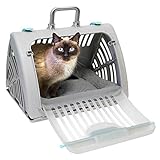
- DESIGNED SPECIFICALLY FOR CATS – PATENTED SIDE-OPENING DOOR - Original SportPet patented wide side-opening door allows cats to walk in naturally reducing fear, stress, and resistance. Ideal for anxious cats, vet visits, grooming, and everyday transport. Veterinarian recommended design for easier handling.
- HARD-SIDED CAT CARRIER WITH COMFORT BED INCLUDED - Includes 1 light gray hard-shell carrier with gray door plus an extra-comfy removable pet bed. Sturdy construction provides a safe, enclosed space cats prefer, while the soft bed adds comfort for travel or waiting rooms.
- TRAVEL-READY & VET VISIT ESSENTIAL - Perfect cat carrier for car travel, road trips, moving, and trips to the veterinarian. Smooth-closing secure door keeps pets safely contained while allowing fast, stress-free loading and unloading.
- EASY TO CLEAN & FOLD-FLAT STORAGE - Wide door opening makes cleaning quick after accidents. Carrier folds down flat for compact storage in closets, cabinets, or vehicles. Machine-washable & dryer-safe bed for hassle-free maintenance.
- IDEAL SIZE FOR LARGE CATS & SMALL PETS - Carrier dimensions: 18.5” L x 15.25” W x 14.25” H. Bed dimensions: 18” L x 13.75” W. Supports pets up to 25 lbs. Works great for large cats, small dogs, and small animals like rabbits, ferrets, and guinea pigs.
How can the clinic reduce my cat’s fear?
Tell reception and the veterinary team about the cat’s triggers as soon as you arrive. Useful details include fear of dogs, noise, strangers, the carrier, needles, being touched on a particular body area or being removed from the carrier.
Reduce waiting-room exposure
Ask whether you can go directly to a quiet examination room or wait in the car until the room is ready. Keep the cat inside the carrier rather than placing it on the floor or holding it in your arms. A cover can reduce eye contact with dogs and unfamiliar people, provided ventilation remains open.
Let the cat keep a familiar position
In many cases, the team can begin the examination in the carrier’s bottom with the top removed. The cat may choose the carrier floor, a bed or the caregiver’s lap, depending on safety and the procedure. Quiet voices, slow movements, treats or liquid treats when medically appropriate, and a favorite toy can support cooperation.
Use the least restraint that is safe
Low-stress handling avoids scruffing, chasing and forceful restraint whenever a safer cooperative technique is possible. Towels or blankets can provide a secure surface and limit visual stimulation without pinning the cat down. If distress is escalating, ask whether the team can pause, change technique or reschedule after creating a medication plan. A short delay is preferable to turning a manageable fear into a lasting association with the clinic.
Do these 3 things before closing this tab:
1Scan for outdated or missing drivers - takes under a minute2Clear out junk files and repair common Windows errors3Fix the driver behind crashes, sound loss and screen glitchesWhat should I do if my cat refuses the carrier?
Do not chase the cat through the house or repeatedly push it toward the carrier. Close doors to reduce hiding options, bring the carrier into a small room and remove the top if the design allows. Place the cat in the bottom tray only when you can do so calmly and safely, then replace the top and secure it.
- If the cat is growling, striking, panting heavily or repeatedly attempting escape, stop and call the clinic for instructions.
- If the appointment is non-urgent, reschedule rather than rehearsing a prolonged struggle.
- Request a pre-visit medication plan and ask whether the veterinarian wants a trial dose on a quiet day.
- For future visits, restart carrier training at the easiest step: resting near the carrier, then entering, then tolerating a closed door.
A cat that is injured, in respiratory distress or otherwise acutely ill should not be delayed solely for training; tell the clinic what is happening so staff can advise the safest loading method.
Also popular on Amazon

- SECURE AND COZY DEN: The Petmate One-Door portable dog crate provides easy access with a front-loading door, offering a safe and comfortable space for your pet's natural denning instincts.
- AIRLINE-APPROVED: This small dog carrier airline approved meets most airline cargo specs. Ventilation holes provide fresh air and 360-degree visibility for your pet
- IDEAL FOR SMALL PETS: Designed as a puppy carrier for small dogs 0-15 lbs, the 24-inch crate offers room for pets to stand, turn, and lie comfortably; with space for a cushion to enhance comfort.
- EASY ASSEMBLY AND MAINTENANCE: The plastic dog crate shell is simple to clean; a stay-dry moat directs fluids away from pets
- CONVENIENT: Featuring steel doors with easy-squeeze latches and a foldable handle, this USA-made pet carrier for dogs & cats provides a less stressful travel experience.
How do I compare calming options?
Choose the least intensive plan that keeps the cat and people safe, then add support when the cat’s history shows it is needed.
| Situation | First-line plan | When to add another measure |
|---|---|---|
| Cat investigates the carrier and tolerates short practice sessions | Continue reward-based training, familiar bedding and smooth transport. | Add a cover or pheromone spray only if the cat appears calmer with it. |
| Cat hides or vocalizes when the carrier appears but can recover | Use a small-room loading plan, removable-top carrier and direct-to-room scheduling. | Ask the veterinarian about pre-visit medication if every visit involves a struggle. |
| Cat has panicked, bitten, injured itself or required force previously | Contact the veterinarian before the appointment for an individualized anxiolytic and handling plan. | Consider a clinic experienced with cat-friendly, low-stress visits and schedule at a quiet time. |
| Cat becomes more distressed under a cover | Leave the carrier partly uncovered and keep the cat’s preferred view. | Use a familiar scent and stable placement instead of additional visual blocking. |
When choosing a clinic, ask about quiet scheduling, direct access to an examination room, willingness to examine the cat in the carrier bottom and low-stress handling policies. A cat-focused or cat-friendly practice may be especially useful for repeated visits, but the key is the specific procedures the team can offer.
What should I do after the appointment?
Set up a quiet room with familiar bedding, water and the normal routine as permitted by the discharge instructions. Allow the cat to leave the carrier on its own if it is safe to do so. Follow all medication, feeding and activity directions from the clinic.
Clinic odors can make other cats in the household react as though the returning cat is unfamiliar. If hissing or conflict occurs, separate the cats temporarily, provide resources in each area and reintroduce them gradually rather than forcing immediate contact. Call the clinic about prolonged or unexpectedly deep sedation, repeated vomiting, breathing trouble or any other reaction that concerns you.
When should I arrange a longer-term behavior plan?
Arrange help before the next routine appointment if fear remains severe despite careful loading, if the cat cannot recover after visits, or if handling has become dangerous. Ask the veterinarian whether a behavior referral, additional carrier desensitization or a different medication strategy is appropriate. Keep a brief record of what happened: the time medication was given, the cat’s behavior during loading and travel, triggers in the clinic and how quickly the cat recovered. Those observations help the veterinarian refine the next plan.
Frequently Asked Questions
Can I let my cat out of the carrier in the waiting room?
Usually no. A frightened cat can escape through a doorway or become more distressed when exposed to dogs and unfamiliar people. Ask the clinic whether you can wait in the car or go directly to a room; let staff decide when opening the carrier is safe.
Is a blanket over the carrier always better?
No. Covering reduces visual stimulation for some cats, while others become more anxious when their view is blocked. Start with partial coverage, keep vents unobstructed and use the arrangement that produces the calmer response during practice.
How long does a calming medicine take to wear off?
The duration depends on the drug, dose, the cat’s health and individual response, so there is no single safe time estimate. Ask the prescribing veterinarian what sedation or coordination changes to expect and when to call if they persist.
Can I give my cat treats during the examination?
Often yes, if the procedure and medical condition allow it. Confirm with the veterinary team first, particularly if sedation, anesthesia, nausea or a fasting instruction is involved; liquid treats may be easier to offer without forcing the cat to move.





Leave a Reply