Free tools Windows power users keep installed
One-click scans. No signup required.
To help a frightened pet during fireworks, prepare a familiar hiding place before the noise begins, keep the animal safely indoors, reduce outside sound and flashes, and stay calm while letting the pet choose whether it wants company or space. Do not punish fear, force the animal to face the noise, or assume it can be distracted. If the fear is severe or happens repeatedly, speak with a veterinarian ahead of the next fireworks event about a plan tailored to that pet.
What fireworks fear can look like
A frightened animal may hide, pace, tremble, pant, drool, vocalize, or seem restless. Some pets seek attention; others avoid contact. A dog may dig at a door or try to escape, and a normally house-trained pet may toilet indoors. Cats may hide. The British Veterinary Association (BVA) also notes that rabbits may become very still or thump. These behaviors are signs of distress, not misbehavior to correct.
As an Amazon Associate I earn from qualifying purchases.
Fear does not always look dramatic. A pet that goes quiet or still may still be frightened, and one that cannot settle or accept food may be too distressed to respond to an attempted distraction. Panic can lead to attempts to flee and injuries. The Virginia-Maryland College of Veterinary Medicine describes broken nails, bloody paws, and facial abrasions after escape attempts as reasons for urgent veterinary attention. If your pet has injured itself, contact a veterinarian rather than trying to manage the injury as a behavior problem.
Crashes, No Sound, or Screen Glitches?
Random freezes, missing sound and display glitches usually trace back to one bad driver. Find and replace yours safely.Free scan · under a minutePC Slower Than It Used to Be?
A free scan shows the junk files, broken settings and background clutter dragging Windows down - then fixes them in one click.Free scan · Windows 10 & 11Watch the whole pattern rather than waiting for one “classic” sign. Restlessness, repeated movement toward doors, indoor accidents, or sudden refusal of a normally valued treat can all indicate that the animal is coping poorly. A pet that accepts a food toy and gradually relaxes may have milder anxiety, while one that remains in persistent panting or trembling, cannot be redirected, or keeps attacking an exit needs professional assessment.
#1 Best Overall

- Food-Grade Silicone:Our lick mat is crafted from premium food-grade silicone, 100% BPA-Free and Non-Toxic. 4 different textured surface design is perfect for yogurt, peanut butter, and other spreadable treats
- Easy to Clean:The mat is freezer, microwave and dishwasher safe . After use, you can soak the lick mat in warm soapy water, brush off residual food and rinse clean with water, or put It into the dishwasher directly, making cleanup convenient
- 49 Strong Suction Cups:The back of the lick mat is equipped with 49 strong suction cups that firmly stick to smooth surface such as shower tiles, glass windows, refrigerator doors, floors and more, preventing the mat from moving while your dog is licking
- Easy to Use:Before you start grooming, bathing, nail trimming, training and medical treatment, spread your dog's favorite food on the lick mat and stick it on a flat surface to calm and soothe your pets
- Slow Feeding & Improve Digestion:The textured surface design is perfect for extending the feeding time to prevent bloating and choking risks, helping your dog,cat cultivate a good eating habit and aiding digestion, promoting oral health
What to do before the first fireworks
Preparation matters because it is easier to make a room safe and take a dog out before fireworks start than while the animal is already panicking. If the display is predictable, use the earlier part of the day to exercise your dog, plan bathroom breaks, set up a familiar refuge, and check doors and identification.
Set up a familiar refuge
Choose a familiar room or other place away from outside noise, and add the pet’s usual bedding or a familiar blanket. Keep access open so the animal can choose to use the refuge. Do not introduce a crate as a last-minute confinement method if the pet does not already regard it as safe; a new restriction during a frightening event can make the situation harder rather than more reassuring. Cornell University’s veterinary guidance and the BVA both recommend preparing a quiet, familiar place.
Set the refuge up while the animal is relaxed, not after the first bang. Check that the space is large enough for the pet to turn around and lie down, that water is available if appropriate, and that there are no loose cords or objects that could be pulled down during frantic movement. Leave a route out unless a veterinarian or behavior professional has given you a specific, established confinement plan. The goal is choice and safety, not trapping the animal.
Reduce noise and flashes
Close windows and draw curtains or blinds before fireworks begin. Moderate background sound from music, a radio, television, fan, or white-noise source may mask or distract from some outside noise, as UC Davis, Cornell, and the BVA suggest. It will not eliminate the fireworks, so pair it with a refuge and safe supervision rather than relying on sound alone.
Start the background sound before the display so it is part of the normal room environment. Keep the volume moderate rather than adding another startling noise. Closing curtains also reduces sudden flashes, but do not block ventilation or create a temperature problem. Sound masking is one layer of a plan, not proof that the pet is comfortable; continue watching the animal’s behavior.
Prevent escapes and plan outdoor time
Keep pets indoors during fireworks and supervise them where possible. Walk dogs and arrange bathroom breaks before the display. If your dog has to go outside after fireworks have started, use a leash even in a fenced yard: a frightened dog may try to bolt, and a fence does not replace direct control. Secure doors and keep identification and microchip information current. These precautions address a practical risk of fireworks fear—an animal trying to escape when startled.
Tell everyone in the household that doors must be closed promptly and that the pet should not be taken outside for an impromptu walk. Check gates, windows, cat flaps, and balcony access. A collar tag and current microchip registration are useful if an animal does get out, but they do not replace prevention. If visitors are expected, ask them to use one designated entrance and to avoid leaving it open.
Quick wins for a faster PC:
Repair Windows errors before they cause bigger problemsFix Now →Fix the driver behind crashes, sound loss and screen glitchesFind Drivers →Clear out junk files and repair common Windows errorsFree Scan →What to do while fireworks are happening
Stay composed and let your pet choose what helps. Some animals want to remain close; others want to hide undisturbed. Offer calm company without forcing contact, and let the pet retreat to its chosen safe place. Do not scold, punish, drag an animal out of hiding, or make it approach the sound. The BVA and VCA’s fireworks guidance caution against punishment and forced exposure; fear is not deliberate disobedience.
Rank #2
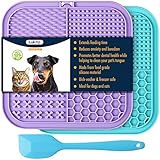
- 【77 Super Suctions】: The back of this licking mat is equipped with 77 high-strength suction cups, which can be well fixed on various walls or glass, refrigerators. It is a good distraction toy for pet bathing grooming and dog nail trimming.
- 【Slow Feeder Mat for Dogs & Cats】: Four different textured surfaces design is prefect for spreadable treats, such as cream cheese, yoghurt, peanut butter and so on. It is a peanut butter slow feeder mat for dogs to extend the feeding time and aid digestion. This lick mat is an ideal size for cats, puppies, small meduim and large dogs.
- 【Reduces anxiety, boredom and destructive behavior】: The lick pads help calm pets. It is a boredom buster for dog to suppress destructive behavio and relieves anxiety at home alone. This dog treat pad is great for stressful times such vet visits, bath time, nail clipping, injury recovery as well as thunderstorms and fireworks.
- 【Food grade silicone】 Premium food grade silicone material, very durable and tough, safe for your pets.
- 【Dish-Washer & Freezer safe 】: It is dish-washer safe, and can be hand-washed in warm soapy water; and it is also freezer safe.
Your own movements and voice can remain ordinary and gentle. You do not have to ignore a frightened pet, and quiet reassurance does not require constant touching. Sit nearby if the animal seeks you, but allow it to move away. If it is hiding, avoid repeatedly reaching into the hiding place, filming it, or inviting several people to check. A predictable room and one calm caregiver are usually less demanding than a stream of attempts to “cheer it up.”
Offer enrichment only if the pet wants it
A familiar food toy or long-lasting treat can be an optional distraction if the animal is interested and can use it safely. Cornell lists stuffed frozen Kongs, Lickimats, and other food toys as possibilities. Do not insist: a frightened pet may not eat, and refusal is a useful sign that food is not helping at that moment. Food enrichment is an option for a pet who accepts it, not a substitute for a safe refuge, supervision, or veterinary care when fear is severe.
Use only an item the pet has used safely before. A lick mat or stuffed toy may suit a dog that normally enjoys licking, while a cat may prefer a familiar treat or no offering at all. Do not leave a new chew, toy, or food item unattended if it could be swallowed or damaged. If the animal turns away, remove the item without pressure and return to quiet supervision.
Do these 3 things before closing this tab:
1Clear out junk files and repair common Windows errors2Fix the driver behind crashes, sound loss and screen glitches3Repair Windows errors before they cause bigger problemsLet the animal set the level of contact
If your pet approaches, calm company may be welcome; if it hides or moves away, allow space. Avoid repeatedly coaxing, handling, or checking on an animal that is choosing to stay tucked away. A frightened pet may not be redirectable, and trying to force a response can add pressure. Keep the environment predictable and the exits secure while allowing the animal to use its refuge.
How to judge whether the fear needs professional help
There is no checklist that can diagnose a phobia at home. The Virginia-Maryland College of Veterinary Medicine distinguishes milder anxiety from severe fear by how the animal is coping: an animal with milder to moderate anxiety may accept food or enrichment and gradually improve, while an animal in severe distress may be unable to settle or be redirected. Persistent panting or trembling, destructive behavior focused on exits, accidents, or self-injury are reasons to discuss the fear with a veterinarian.
Use the signs to decide when to seek help, not to label or treat the condition yourself. Contact a veterinarian if fireworks fear is recurring, intense, or escalating, ideally before the next event. If your pet is injured, especially with a broken nail, bloody paw, or facial abrasion after an escape attempt, seek urgent veterinary advice.
Keep notes or a short, safely recorded description for the appointment: when the signs started, whether the pet could eat or respond, what environmental steps were tried, and whether there was an escape attempt or injury. This helps the veterinarian understand the severity without asking you to make a diagnosis. Mention other medical conditions and all medicines or supplements the pet already receives.
Can you give a pet something to calm them down?
For a pet with significant or predictable fireworks anxiety, ask a veterinarian in advance whether medication or another individualized treatment is appropriate. Do not give human medicines, supplements, or sedatives on your own. Choice and dosing depend on the animal and belong with a veterinarian; availability and prescribing rules also vary by country.
Rank #3

- 【Convenient and easy to use】 Before you start bathing / sanding / trimming / grooming, spread your dog's favorite food on your lick pad and stick the lick pad on a flat / shiny surface. When the bath is over, just rinse it off or wash it in the dishwasher your next use.
- 【Safe and Secure】 Lick Pad made of food-grade silicone, and strong flexibility with durable suctions. Easy to clean and top rack dishwasher safe.
- 【Special design for dogs】 The Square shape is more attractive for pets so they can focus on food, bath time or other things easier for you.
- 【Multiple Functions】 Great for cat and dog dental care at home,the textured surfaces promote pleasurable licking action, which generates helping protect your pet's teeth and gums.
- 【Make bathing easy and fun】 Did your dog hate bathing? Now we have the product for you to solve these problems. Just place our lick pad on the bathroom wall, the dog's attention will be on the wall and they will not fight to bathe. Not only suitable for bathing, but also suitable for sanding and trimming pets. It can be treated as a slow feeding bowl for developing good eating habits.
Timing matters. Cornell recommends arranging a veterinary visit at least a week before the event and trying any prescribed medication before the stressful occasion so the veterinarian can adjust the plan if needed. Virginia Tech and VCA likewise explain that situational medication is intended to be active before the noise or panic begins. Once an animal is in full panic, oral medication may be difficult to give or may not take effect in time. Follow the prescription exactly, including when to give it, and ask the prescribing veterinarian about a quiet-day trial if that is part of the plan.
As Tim Julien of the Virginia-Maryland College of Veterinary Medicine puts it, “Waiting until after your pet is panicky can set everyone up for frustration.” Medication should be part of an individualized veterinary plan, not an improvised response once fireworks are underway. A pet’s species, medical history, level of fear, and the timing of the event all matter. Do not use dog-specific medication advice for a cat, rabbit, or another species.
Pheromone sprays or diffusers and pressure wraps are sometimes discussed as possible adjuncts, but they are not guaranteed solutions and should not be presented as equivalents to veterinary care. Ask your veterinarian whether any adjunct is suitable for your individual animal, and stop using anything that appears to increase distress.
How to reduce fireworks fear over time
Desensitization and counter-conditioning are preventive behavior methods, not quick fixes for an event already in progress. UC Davis, in guidance dated April 8, 2019, advises starting weeks to months ahead. The basic approach is to play a recording of fireworks at a very low volume and pair it with something positive, such as food. Increase the volume gradually only while the dog remains relaxed. Virginia Tech also describes pairing low-volume recorded sounds with food, play, and a calm handler, and recommends professional guidance for safe implementation.
The aim is not to make the pet endure a frightening recording. Julien describes “proactive, positive exposure to recorded storm and firework sounds at low volume, paired with food, play, and a calm handler” as a way to build a neutral or positive association before the real event.
- Choose a calm time well before fireworks season. Do not begin when a real display is underway or when the pet is already anxious.
- Start with the recording barely audible. The aim is exposure at a level that does not trigger fear, not to test how much noise the animal can endure.
- Pair the sound with a positive activity. Offer food, play, or calm company if the animal is comfortable enough to engage.
- Increase the volume gradually only if the pet stays relaxed. If fear appears, end the session or lower the volume. Do not treat a recording as a reason to push through distress.
- Seek qualified help if you are unsure how to proceed. A veterinarian can assess significant anxiety and help determine whether behavior support is appropriate.
Virginia Tech notes that puppies before 14 weeks and kittens before 9 weeks are within socialization windows when positive exposure to sounds may be useful. That is not a reason to expose a young animal to frightening volume: the same low-intensity, positive approach applies, and professional advice can help tailor it to the individual animal.
Which option fits the situation?
For one evening, prioritize measures that are immediate and low-risk: a familiar refuge, closed windows and curtains, moderate background sound, early exercise and bathroom breaks, secure exits, and calm supervision. Their value is practical—reducing opportunities for escape and giving the pet a place to cope—not guaranteeing that every sound will be unnoticed.
What’s actually slowing this PC down?
Pick the symptom - the matching free tool is one click away.
For recurring or severe fear, veterinary-directed situational medication may be considered alongside behavior work. The right choice depends on severity, timing, species, medical history, and the veterinarian’s assessment. A food toy, pressure wrap, or pheromone product may be an optional adjunct for an animal that accepts it, but none should delay professional care or be treated as a guaranteed intervention.
Rank #4

- Food-Grade Silicone:Our lick mat is crafted from premium food-grade silicone, 100% BPA-Free and Non-Toxic. 4 different textured surface design is perfect for yogurt, peanut butter, and other spreadable treats
- Easy to Clean:The mat is freezer, microwave and dishwasher safe . After use, you can soak the lick mat in warm soapy water, brush off residual food and rinse clean with water, or put It into the dishwasher directly, making cleanup convenient
- 49 Strong Suction Cups:The back of the lick mat is equipped with 49 strong suction cups that firmly stick to smooth surface such as shower tiles, glass windows, refrigerator doors, floors and more, preventing the mat from moving while your dog is licking
- Easy to Use:Before you start grooming, bathing, nail trimming, training and medical treatment, spread your dog's favorite food on the lick mat and stick it on a flat surface to calm and soothe your pets
- Slow Feeding & Improve Digestion:The textured surface design is perfect for extending the feeding time to prevent bloating and choking risks, helping your dog,cat cultivate a good eating habit and aiding digestion, promoting oral health
How advice differs for cats, rabbits, and other animals
The clearest immediate home-preparation guidance is for dogs and cats: a familiar quiet refuge, closed windows and curtains, moderate background noise, secure exits, and calm supervision. The underlying principle—avoid forcing exposure and provide a safe place—does not mean every species should receive the same medication or training plan.
Cats
A cat may respond to fireworks by hiding. Provide access to a familiar quiet place and let the cat stay there without pulling it out or insisting on contact. Keep the cat indoors and secure exits. If the fear is severe or recurrent, discuss an appropriate plan with a veterinarian rather than applying advice intended specifically for dogs.
Rabbits and guinea pigs
The BVA recommends moving rabbits and guinea pigs indoors to a quiet place during fireworks. Make arrangements before the noise starts, and seek species-appropriate veterinary guidance for ongoing or severe distress. Do not assume that a dog’s training or medication approach transfers to these animals.
The Tool Desk
Outbyte PC Repair FREEClear out junk files and repair common Windows errorsFree Scan →Outbyte Driver Updater FREEScan for outdated or missing drivers - takes under a minuteDriver Scan →Poultry, horses, and livestock
The BVA, in guidance published October 17, 2025, also flags species-specific safety concerns beyond companion dogs and cats. Poultry may huddle in fear, which can create a smothering risk; horses and livestock require their own management considerations. The available guidance does not establish one universal setup for every flock, stable, or herd. Plan for the particular animals and housing with a veterinarian or other suitably qualified animal-care professional rather than applying a household-pet checklist unchanged.
At-a-glance plan for fireworks night
| Action | When it helps | Important limit |
|---|---|---|
| Prepare a familiar quiet refuge with usual bedding | Before the display, so the pet can choose it once noise begins | Do not introduce a crate as a new confinement method during the event |
| Close windows and curtains; use moderate background sound | Before and during fireworks to reduce outside flashes and mask some noise | Music, radio, television, a fan, or white noise does not eliminate fireworks |
| Exercise dogs and arrange bathroom breaks early | Before fireworks begin | If a dog must go out after the display starts, use a leash even in a fenced yard |
| Offer familiar food enrichment | Only if the pet is interested and can use it safely | A frightened animal may refuse food; do not force the distraction |
| Stay calm and allow hiding or contact by choice | Throughout the event | Do not punish fear or force the animal to face the noise |
| Ask a veterinarian about recurring or severe fear | In advance of a predictable event | Use medication only as prescribed and according to veterinary directions |
Plan for the next event, not just tonight
If fireworks happen at predictable times where you live, record what your pet did and what seemed to help or fail, then share that account with your veterinarian before the next event. A clear description—such as hiding, persistent panting, escape attempts, inability to settle, or injury—helps the professional assess the situation without relying on a self-diagnosis. For immediate safety, the priorities remain preparation, secure exits, calm company on the pet’s terms, and veterinary support when fear is severe or recurring.
Frequently asked questions
How do I calm my dog during fireworks?
Exercise and walk your dog before the display, prepare a familiar indoor refuge, close windows and curtains, add moderate background sound, and secure every exit. Stay nearby if your dog wants company, but do not force interaction or exposure. Use a leash for any necessary outdoor trip after fireworks begin, even in a fenced yard.
Should I comfort my pet when fireworks scare them?
Follow the pet’s preference. Calm company and gentle contact are appropriate when the animal seeks them; a pet that hides or moves away should be given space. Comfort does not mean dragging the animal from hiding, repeatedly handling it, or punishing fearful behavior.
What can I do if my cat hides during fireworks?
Let the cat remain in a familiar, quiet hiding place and keep the home secure. Do not pull the cat out or insist on food or contact. Reduce flashes and some noise with closed curtains and moderate background sound, and ask a veterinarian for species-appropriate help if the fear is severe or recurring.
Best Value

- Slow Feeder & Improve Digestion: As an exquisite form of slow feeder dog bowls, The lick mat for dogs large breed can slow down a pet's eating pace and go away from intestinal diseases, including bloating, obesity, and choking. Frozen lick mat for dogs helps to change the bad behavior of gobbling up, thereby forming a healthy diet habit of eating slowly. With an uneven surface structure, the dog lick mat with suction cups scrapes food particles off the pet's tongue and protects gum health
- Reduce Anxiety, Boredom & Destructive Behaviors: Licking matt for dogs is a boredom buster for pets, which can entertain your lovely pets longer and keep them occupied. Licking the mat also helps release endorphins, which brings much-needed calmness to puppies. As an enrichment for large dogs, our dog toys to keep them busy, enrichment toys for medium dogs and dog toys for boredom and stimulating are perfect for stressful times such as grooming, bathing, nail trimming, and injury recovery
- 75 Strong Suction Cups & 4-Quadrant Design: The licking mat for dogs large and cat lick mat with 75 suction cups can stick to any glossy surface, such as ceramic tile, floors, glass, bathtubs, and fridges. Four different textured areas are spreadable for all kinds of dog foods, like peanut butter, yogurt, and cream cheese. It's better to put the dog lick pad on a towel to spread the treat mixture rather than place it on the kitchen counter so as to avoid food splashing when picking it up
- Food Grade Silicone & Easy To Clean: Our licking mat for small dogs and dog peanut butter lick pad is made of 100% BPA-free silicone, non-toxic, high-temperature resistant, and microwave-safe. Soaking your lick mat for cats in warm, soapy water to remove any additional food that may have lodged in the maze crevices after each meal, and then scrub anything left behind with a brush. The final step is to spray it with the faucet sprayer. The likimat for dogs is top-rack dishwasher safe
- After-Sales Services: A pack of 2 mats comes with 1 spatula and 1 brush, we also provide lickmats for dogs in different sizes and colors. We are committed to providing hassle-free service for our products, including puppy lick mats for small dogs and dog lick mats for large dogs. Please note that pets may mistake the lick matt for dog as a chew toy and tear it, and supervise your pets while using it. Any issues, please feel free to contact us
Can I give my pet something to calm them down?
Only use medication prescribed and directed by a veterinarian. Ask in advance, ideally at least a week before a predictable event, whether a quiet-day trial is needed. Never give human medicines, supplements, or sedatives on your own, and do not wait until full panic if the veterinarian has prescribed a medication that must be active beforehand.
How do I stop my dog escaping when fireworks start?
Keep the dog indoors, check doors and gates, update identification and microchip details, and arrange walks and bathroom breaks before the display. If going outside becomes unavoidable, use a leash even in a fenced yard. Supervise as much as possible and provide a refuge away from exits.
Is it too late to use fireworks recordings once the event has started?
Yes, recordings are for gradual preventive training, not for adding more sound to an animal that is already frightened. Begin weeks or months ahead at barely audible volume, pair the sound with food or play, and lower the volume or stop if fear appears. Seek professional guidance when the pet cannot remain relaxed.
Recommended Free Tools
Frequently Asked Questions
How do I calm my dog during fireworks?
Exercise and walk your dog early, prepare a familiar indoor refuge, close windows and curtains, use moderate background sound, and secure exits. Let your dog choose contact or hiding. Use a leash for any necessary trip outside after fireworks begin, even in a fenced yard.
Should I comfort my pet when fireworks scare them?
Follow the pet’s preference. Offer calm company if it approaches, but give space if it hides or moves away. Never punish, drag the animal out, or force it to face the noise.
What can I do if my cat hides during fireworks?
Let the cat remain in a familiar quiet place, reduce flashes and some noise, and keep exits secure. Do not pull the cat out or insist on food. Consult a veterinarian for severe or recurring fear.
Can I give my pet something to calm them down?
Use medication only under veterinary direction. Arrange advice in advance, follow the prescription exactly, and never give human medicines, supplements, or sedatives on your own.
How do I stop my dog escaping when fireworks start?
Keep the dog indoors, check doors and gates, update identification and microchip details, and complete walks and bathroom breaks early. Use a leash for any outdoor trip once fireworks have started.
Is it too late to use fireworks recordings once the event has started?
Yes. Recordings are preventive training, not a treatment to add during panic. Start weeks or months ahead at very low volume and increase only while the pet remains relaxed.
The Bottom Line
Prepare before the first bang: create a familiar refuge, reduce flashes and some noise, exercise dogs and arrange bathroom breaks early, and secure every exit. During fireworks, stay calm and let the pet choose food, contact, or hiding. Never punish or force exposure. For severe, recurring, or escalating fear—or any injury—contact a veterinarian in advance or urgently as appropriate.
Quick Recap
Product prices and availability are accurate as of the date/time indicated and are subject to change. Any price and availability information displayed on Amazon at the time of purchase will apply.
What’s actually slowing this PC down?
Pick the symptom - the matching free tool is one click away.




