
Recommended Free Tools
Some links on this page are affiliate links: if you buy through them we may earn a commission, at no extra cost to you.
Care after airway surgery is a race against swelling, overheating, aspiration and accidental strain. Keep your bulldog cross cool, quiet and under close observation, use a body harness rather than a neck collar, follow the operating surgeon’s feeding and medication sheet exactly, and restrict activity to brief toilet walks until the surgical team releases your dog. Breathing that becomes harder, noisier or less settled is not normal “just healing”: blue or grey gums, collapse, overheating, repeated vomiting or regurgitation, or any respiratory distress require immediate emergency veterinary care.
“Airway surgery” may mean widening narrow nostrils, shortening an elongated soft palate, removing everted laryngeal saccules, or several procedures together. Recovery depends on what was actually done, your dog’s airway anatomy and the discharge instructions for that operation. General guidance cannot replace the surgeon’s plan for food, drugs, monitoring or rechecks.
As an Amazon Associate I earn from qualifying purchases.
What should I do in the first 24 to 48 hours?
The first day or two carries the greatest risk from airway swelling, bleeding, poor airway protection and aspiration. The American College of Veterinary Surgeons advises that pets be monitored very closely immediately after surgery. Specialty protocols commonly keep dogs under observation for at least 24 hours; some use 24–48 hours, depending on the procedure and the patient.
Before discharge
- Ask which structures were operated on and what complications would be most concerning for this dog.
- Get written instructions for water, food texture and timing, every medicine and dose, activity limits, collar or harness use, and the recheck date.
- Confirm whom to call after hours and which emergency hospital can receive your dog if breathing worsens.
Setting up at home
If the surgeon discharges your dog, use a cool, quiet room where you can watch breathing continuously. Keep transport equipment and a route to an emergency hospital ready. Avoid leaving the dog alone during the highest-risk period unless the surgical team has specifically said that is safe.
Popular on Amazon

- No Pull, 2 Clips - With 2 sturdy metal hook loops for leash attachment. Use the front clip to create gentle redirection force, to reduce tugging during walks and training. While back clip is great for casual walks, jogging for well-behaved dogs
- Comfort, No Choke - Made from durable fabric with breathable mesh, this vest keeps them comfortable and cool during extended walks or active play. The pulling pressure is distributed evenly with soft padded —no rubbing, no irritation, just happy tails
- Easy to Wear & Adjust - Simply slip the harness over dog's head, snap the two quick-release buckles, and ready to go. 4 fully adjustable straps to create a perfect fit for your dog with room of growth. No worries about slipping out
- Built for Safety - Bright reflective strips ensure a safe walk both early morning walks or late night runs. The top handle helps to hold dog pulling immediatly, also can be used for car riding with safety
- Large Dog Harness - Chest: 17-33.4in. Recommended to Large Dogs, such as Labrador, German Shepherd, Siberian Husky, Schnauzer Giant, etc. Please measure your dog's neck and check girth carefully before purchasing
Check breathing effort, posture, gum and tongue color, ability to settle, swallowing and airway noise at regular intervals. A dog that is sleeping comfortably with pink tissues and no increasing effort is different from one that is restless, extending its neck, repeatedly changing position or working harder to inhale.
Plan the first night
Put bedding on the floor so the dog cannot fall from furniture or struggle on stairs. Keep other pets and excited children separated, and have a leash and well-fitted harness beside the resting area. Write the emergency hospital’s address and telephone number where every caregiver can see them. If possible, arrange for one adult to observe the dog while another handles transport or telephone calls.
Quick wins for a faster PC:
Clear out junk files and repair common Windows errorsFree Scan →Scan for outdated or missing drivers - takes under a minuteDriver Scan →Follow the discharge sheet’s observation schedule rather than relying on a sleeping dog to “look fine.” Note when the dog settles, swallows, drinks, urinates and changes position. A sudden change from the condition described at discharge is a reason to telephone the surgical team; obvious respiratory distress is a reason to leave for emergency care.
Which signs mean an emergency vet is needed?
Any sign of respiratory distress should prompt immediate emergency care. Cornell University’s veterinary guidance states that a respiratory crisis requires immediate transport to a veterinarian or the nearest emergency hospital; do not wait for a routine recheck.
Go immediately for these signs
- Increasing effort, open-mouth breathing at rest, neck extension, abdominal effort or inability to settle.
- Rapidly worsening or harsh breathing noise, especially when it is different from the dog’s usual sound.
- Blue, grey, purple or unusually pale gums or tongue.
- Overheating, weakness, collapse, fainting or sudden inability to stand.
- Repeated vomiting or regurgitation, choking, coughing after swallowing, or suspected inhalation of food or liquid.
- Persistent or heavy bleeding from the nose or mouth.
Do not force food, water or an oral medicine into a dog that is struggling to breathe or repeatedly regurgitating. Call the emergency veterinarian while arranging transport and follow the instructions given by that team.
How should I interpret breathing-rate numbers?
One specialty clinic uses more than 60 breaths per minute at rest as an example warning threshold. The clinic’s publication year and the applicability of that number to every patient are not stated, so it is not a universal cutoff. Record the rate when your dog is genuinely resting and ask the surgeon what threshold and measurement method apply to your dog; effort, color and behavior matter as much as a number.
The Tool Desk
Outbyte PC Repair FREERepair Windows errors before they cause bigger problemsFix Now →Outbyte Driver Updater FREEFix the driver behind crashes, sound loss and screen glitchesFind Drivers →Is noisy breathing normal after soft-palate or nostril surgery?
Some early nasal discharge, mild fatigue and temporary noise can occur, but noise should not progressively worsen or come with increased effort. Swelling can narrow an already restricted airway, so a change from the dog’s post-discharge baseline deserves a call to the surgical team.
Also popular on Amazon
](https://m.media-amazon.com/images/I/41ji4lsxEIL._SL160_.jpg)
- [UPDATED VESION, EASY TO PUT ON & TAKE OFF] This dog harness has 3 buckles( One is on the neck with Lockable, two are on the chest), NO NEED go through dog’s head. This will let your dog loves to wear harness!
- [NO PULL WITH 2 HOOK LOOPS] There are 2 sturdy metal hook loops for leash attachment. If you use the front hook on the chest, it will reduce the pulling a lot and make going for a walk more enjoyable. As usual, most people like to use the back hook.
- [REFLECTIVE MATERIAL] The reflective material will be really nice when it gets dark. Also, your dog will be saw easily. This reflective material can make drivers have long time to react, which ensure your dog’s safety!
- [USEFUL & SOFT HANDLES] You will like this handle on the back,it is helpful in controlling dogs a bit closer to you when they are trying to lunge at something. Also, it is convenient to assist dogs into the car.
- [100% BEST CUSTOMER SERVICE] If any products quality really exits, a refund or replacement will be available.
What to monitor
- Whether the sound is stable, improving or rapidly louder.
- Whether your dog can sleep and relax without sitting upright or extending its neck.
- Gum and tongue color, swallowing and tolerance of brief movement.
- Any cough, gag, choking episode, vomiting or regurgitation.
Take a short video of unusual breathing if it can be done without delaying care. Send it to the surgeon or bring it to the recheck. If the dog is working to breathe, skip filming and leave for emergency care.
Distinguish noise from effort
A rasp, snort or congested sound that is stable while the dog rests is not assessed the same way as rapidly increasing effort. Watch the chest and abdomen, not just the sound: pronounced abdominal movement, flared nostrils, an extended neck, inability to lie down or repeated waking are more concerning. When in doubt, call rather than trying to diagnose the sound at home.
What can my bulldog cross eat after airway surgery?
Use the exact staged plan on the discharge sheet. Different protocols start water and soft food at different times: one discharge form permits water first and soft food later, while another surgical review describes fasting followed by water and then small portions of soft food. Those differences are why the individual surgeon’s schedule controls.
Typical feeding principles
- When the team permits feeding, offer the prescribed soft or canned diet in the amount and frequency specified.
- Soft food is commonly continued for about 10–14 days to reduce irritation, unless the surgeon sets another duration.
- Feed slowly and calmly. Hand-feeding is appropriate only when the team recommends it and shows you how.
- Keep the head and neck in the position advised by the surgeon; do not improvise elevated bowls or forced positioning.
When swallowing is not going well
Coughing, gagging, difficulty swallowing, vomiting or regurgitation can signal poor airway protection or aspiration. Report concerning or worsening episodes promptly. If your dog cannot swallow safely, is repeatedly bringing food or liquid back up, or shows breathing changes afterward, stop offering anything by mouth and seek urgent instructions.
Prevent common feeding mistakes
Do not test recovery with crunchy kibble, chews, treats or a large meal unless the surgeon approves them. Do not syringe water or food into a dog that is drowsy, coughing or struggling to coordinate a swallow. Ask whether prescribed food may be divided into smaller portions and exactly when normal texture can return. Keep a note of what was offered and how long swallowing took; this helps the team identify a developing problem.
How long should my dog rest after airway surgery?
For the restricted period, provide only short, controlled leash walks for toileting. Avoid running, jumping, stairs when possible, rough play, excitement, strenuous exercise and swimming. One specialty center specifies no running, jumping, playing or swimming for at least two weeks, but the surgeon may choose a different interval based on the operation and healing.
Use a harness, not a neck collar
Cornell’s postoperative guidance is explicit: use a harness instead of a neck collar. Choose a well-fitted body harness that does not press on the throat, and keep walks slow and brief. A collar can place pressure on healing or vulnerable airway tissues and may trigger coughing or distress.
Also popular on Amazon

- Size Instruction: This large dog harness fits chest girth: 27-37 in, neck girth: 19-25 in. Perfect for German Shepherds, Labradors for hiking, walking, or daily outdoor adventures. Breed suggestions are for reference; please measure your dog's chest, neck, and weight for the best fit.
- Military-standard Materials: WINGOIN harness large size dog is made of military nylon and adopts an upper and lower two-layer structure. The outer camouflage pattern is 1000D nylon with sturdy stitching for extra durability, and the inner layer is a mesh material with excellent breathable, comfortable fit and no harm to the dog.
- Fast Wearing: The no pull dog harness for large dogs with a unique 4 quick-release buckles design, allowing you to put it on from the side of the dog’s neck instead of the head. This way of dressing can reduce the dog's resistance effectively, helping you to put it on or take it off quickly
- Sturdy Handle and 2 D-rings : 2 stainless steel D-rings, allow you to control the puller with little effort and training your dog to walk beside you. Dog harness with handle sewn tough, large enough to grab the harness. Three perfect combinations of use, not only slow down the impact of the dog's running but also make it easier for the owner to control the pet's running and walking
- Reflective Strip Design: The dog walking harness has a unique reflective strip design, which can alert pedestrians and vehicles when walking your dog in the evening, keeping your dog safe
Control heat and excitement
Keep the room cool and avoid hot or humid weather. Excitement, panting and exertion increase airway demand, which is hazardous while swelling is present. Separate the recovering dog from boisterous pets and children, block access to stairs and furniture, and use calm enrichment that does not involve vigorous chewing or play.
A staged return to activity
During the first days, toilet walks should be the only planned exertion. At each recheck, ask whether duration can increase and whether normal play, running or swimming is allowed. Do not use a good day as permission to resume all activity: overexertion, heat and excitement can expose residual airway limitations even after the incision looks better.
How do I protect nostril incisions?
Inspect the nostrils as instructed, without repeatedly handling the surgical site. Contact the surgical team for increasing redness, swelling, discharge, separation of the incision or persistent bleeding.
Use the prescribed Elizabethan collar if your dog can rub or scratch its nose or face. Keep it on for the period specified, often until the recheck, unless the surgical team gives a safer alternative. Do not apply ointments, cleansers or human products unless they were prescribed.
Do these 3 things before closing this tab:
1Fix the driver behind crashes, sound loss and screen glitches2Clear out junk files and repair common Windows errors3Scan for outdated or missing drivers - takes under a minuteA small amount of blood-tinged nasal discharge and mild fatigue may occur early, but persistent bleeding, increasing swelling or any breathing deterioration is not a wait-and-see sign. Take a photograph only if doing so does not delay a call or transport.
Which medicines are safe after BOAS surgery?
Give only the medicines, doses and timing on the patient’s discharge sheet. Different protocols may include pain relief, anti-inflammatory treatment, steroids, antibiotics, anti-nausea medicine or a tranquilizer. These drugs are not interchangeable, and combining leftover medicines or changing a dose can cause harm.
If a dose is difficult
- Ask the surgeon what to do if your dog vomits soon after a dose, refuses food or cannot swallow.
- Never force an oral tablet or liquid while the dog is struggling to breathe or repeatedly regurgitating.
- Keep a written log of each dose and time to prevent double dosing between family members.
Store medicines where children and other pets cannot reach them, and bring the containers to the recheck if a dose or label is unclear. If a dose is missed, do not automatically double the next one; obtain instructions from the prescribing team.
Also popular on Amazon
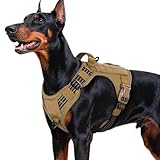
- Customizable Fit: The large dog harness has a chest girth of 22"-37" and a neck girth of 21.1"-30.3", with plenty of room for adjustment, making it suitable for breeds like Husky, Golden Retriever, German Shepherd, Bulldog, Rottie Puppy, Belgian Malinois, and more
- Easy to Use and Adjust: The harness features 2 quick-release chest buckles, making it easy to put on and take off. Additionally, the 4 fully adjustable straps (2 Shoulders and 2 Chests) allow for a snug fit with maximum mobility
- No-Pull and Control: The harness has 8 leash attachment clips, including a metal front clip for no-pull running and a daily back clip for casual jogging. The large padded handle offers comfortable real-time control in an emergency
- Tactical Molle System: The hook&loop panels on both sides of the vest provide space for water bottles and outdoor supplies, while the magic tapes with large space can accommodate morale patches and personalized badges. Additionally, the removable middle slot can be used to store an ID card to identify your dog when needed
- Comfortable and Secure: The harness is crafted with breathable cushion padding and a soft edge for cozy wearing, while the oxford cloth material and reinforced stitches at key stress-bearing parts make it rugged and sturdy. Furthermore, the all-around reflective stripes enhance visibility and security in the dark
When should the follow-up appointment happen?
Follow-up timing depends on the operation. Some plans call for an early breathing or incision check, followed by another visit around 10–14 days; others use weekly checks during healing. Use the date on the discharge sheet rather than a generic calendar.
Bring a breathing video, medication list and written record of food, water, vomiting or regurgitation, breathing rate, activity and any bleeding. Ask whether the soft-food period, harness restriction, Elizabethan collar and exercise limits can now be changed.
How does recovery differ between nostril-only and combined airway surgery?
The operative report is the only reliable way to know which recovery pathway applies. A nostril procedure alone may have a different swallowing and monitoring plan from surgery that also alters the soft palate or laryngeal saccules.
| Recovery issue | Nostril-only procedure | Combined airway procedure |
|---|---|---|
| Structures treated | Nostrils (stenotic nares) are widened. | May include nostrils plus an elongated soft palate, everted laryngeal saccules or other airway work. |
| Hospital monitoring | Duration is set by the surgeon and patient response; not stated as a universal period. | Closer or longer observation may be selected because more tissues are swollen or airway protection is affected; protocols range from at least 24 hours to 24–48 hours. |
| Food and swallowing | Follow the specific discharge schedule; soft food may still be prescribed. | Swallowing and aspiration precautions can be more significant; staged water and soft-food instructions must be followed exactly. |
| Activity and equipment | Short harness walks and avoidance of heat, excitement and rubbing the nose. | The same restrictions, with particular attention to panting, swallowing and respiratory effort. |
| Potential complications | Incision bleeding, swelling or rubbing. | All of those risks plus greater concern for airway swelling, aspiration or temporary tracheostomy in severe cases. |
| Recheck | Often an incision or breathing check, then healing review as directed. | May require an early breathing assessment and additional reviews; timing is procedure-specific. |
A bulldog cross may also have a hypoplastic trachea or chronic laryngeal changes that surgery cannot fully reverse. Ask the surgeon which findings were present and what residual noise or exercise limitation is expected.
What long-term care does a bulldog cross need after healing?
Successful healing does not eliminate every airway risk. Keep the dog lean because excess weight worsens brachycephalic obstructive airway signs. Continue avoiding heat, use a harness for routine walks, and build exercise gradually within the limits given at the recheck.
Free tools Windows power users keep installed
One-click scans. No signup required.
Surgery often improves airflow and exercise tolerance, but advanced laryngeal collapse, tracheal hypoplasia and other chronic changes can leave residual noise or respiratory limitation. Prognosis is less favorable when collapse is advanced. Arrange reassessment if tolerance declines, breathing becomes louder or heat sensitivity increases after an initially good recovery.
Independent reader supportYour contribution helps us test, update, and keep practical guides available for everyone.What should I record for the surgeon?
A simple log helps the team distinguish expected recovery from deterioration. Record:
Also popular on Amazon

- 【Heavy-duty Dog Harness】 Specially designed for powerful robust dog. The heavy-duty harness is crafted from durable nylon, reinforced with sturdy stitching and equipped with two sturdy triangular rings
- 【Four-point Adjustment, Easy To Wear】 There are 4 simple size adjusters for the neck and chest that can also be easily adjusted to fit your dog perfectly. The chest is fitted with two buckles that can be fully opened for easy wearing
- 【Molle System】featured Molle strips on both sides, allowing your dog to carry essential gear. Ideal for service, law enforcement, hunting, or outdoor activities. Perfectly compatible with Molle pouches on the market, it is easy to upgrade your gear
- 【Anti-lost ID Tag】Write down your dog’s information on ID tag. When someone finds your lost dog, they can contact you with the information above
- 【Bonus Dog Leash】: A free 5ft dog leash is included. Featured with comfortable foam handle, strong climbing rope, and tangle-free hook
- Food and water offered, amount consumed and time swallowed.
- Every medication dose and any vomiting afterward.
- Coughing, gagging, dysphagia or regurgitation, including timing after meals.
- Resting breathing rate, effort, posture, gum color and airway sounds.
- Toilet walks, excitement, sleep quality and any nose rubbing.
Bring the log and videos to every check. A clear timeline is especially useful when signs fluctuate.
What questions should I ask before leaving the hospital?
- Which exact procedures were performed, and were any tracheal or laryngeal abnormalities found?
- When may my dog have water, the first soft meal and normal food?
- What breathing changes are expected, and which require an emergency trip?
- What are the precise doses, times and missed-dose instructions for every medicine?
- How long are harness-only walks, soft food, heat avoidance and the Elizabethan collar required?
- When is the first recheck, and whom do I call overnight?
What practical pitfalls should I avoid?
- Do not assume nostril surgery alone means there is no aspiration or swelling risk; check the operative report.
- Do not replace the prescribed diet with dry food or treats because the dog appears hungry.
- Do not use a neck collar, allow rough play or take a recovering dog into heat or humidity.
- Do not wait for a scheduled appointment when breathing effort, color, collapse or repeated regurgitation worsens.
- Do not give human medicines, leftover prescriptions or an extra dose without veterinary instructions.
- Do not let a temporary improvement cancel the planned recheck.
Frequently Asked Questions
Can my bulldog sleep alone after airway surgery?
Ask the operating team before leaving the hospital. Because swelling and airway-protection problems can develop after discharge, many dogs need continuous observation in a room where an adult can respond quickly and reach emergency care.
Crashes, No Sound, or Screen Glitches?
Random freezes, missing sound and display glitches usually trace back to one bad driver. Find and replace yours safely.Free scan · under a minuteWindows Errors? Fix Them Before They Spread
Repair common Windows errors and clear accumulated junk for a smoother, more stable PC - no reinstall needed.Free scan · no reinstallShould I use a humidifier after nostril surgery?
Do not add humidity, steam or nasal products unless the surgeon prescribes them. Hot or humid conditions can increase panting and airway strain, and unapproved products may irritate healing tissue.
What if my dog refuses the prescribed soft food?
Call the surgical team for a safe alternative and instructions on timing. Do not substitute dry food, treats or force-feeding without approval, particularly if swallowing is painful or uncoordinated.
Can airway surgery prevent future breathing crises completely?
No. Surgery can improve airflow, but a bulldog cross may still have tracheal hypoplasia, laryngeal collapse or other chronic limitations. Ongoing weight control, heat avoidance and prompt response to respiratory changes remain important.
How long will my dog stay in the hospital?
The surgeon decides based on the procedures, swelling, swallowing and breathing. At least 24 hours of observation is commonly used, and some protocols monitor dogs for 24–48 hours; never shorten that period without the treating team’s approval.
Is a little blood-tinged nasal discharge expected?
A small amount may occur early, according to specialty postoperative guidance. Persistent or heavy bleeding, increasing swelling or any breathing deterioration requires prompt veterinary contact or emergency care.
When can my dog swim or run again?
Not during the restricted period. One specialty center specifies no running, jumping, playing or swimming for at least two weeks, but your surgeon may set a different interval and should clear the return to exercise at recheck.
What if breathing sounds remain after healing?
Residual noise can occur when a dog has chronic laryngeal changes, tracheal hypoplasia or advanced collapse that surgery cannot fully reverse. Ask the surgeon what level is expected and arrange reassessment if noise or exercise tolerance worsens.
The Bottom Line
Keep your bulldog cross cool, calm and supervised; feed and medicate only according to the operating surgeon’s written plan; use a body harness and short toilet walks; and treat increased effort, blue or grey tissues, collapse, overheating, repeated regurgitation or any respiratory distress as an emergency.
What’s actually slowing this PC down?
Pick the symptom - the matching free tool is one click away.





Leave a Reply