
What’s actually slowing this PC down?
Pick the symptom - the matching free tool is one click away.
Some links on this page are affiliate links: if you buy through them we may earn a commission, at no extra cost to you.
The safest plan for a small kitten is usually to leave it with an attentive mother and its littermates while you monitor it closely. A kitten that is warm, clean, nursing with a strong suck and gaining weight may simply be smaller than its siblings. Weigh every kitten in grams at the same time each day and record the trend. A kitten that fails to gain, loses weight, cries persistently, is repeatedly pushed off a teat or cannot suck needs prompt veterinary advice. If the mother cannot provide enough milk, a veterinarian can guide supplementation with a commercial kitten milk replacer. Keep the nest warm but give the kitten a cooler escape area, feed any supplement belly-down rather than on its back, and never force food into a cold, limp or poorly swallowing kitten.
What should I do first for the smallest kitten?
Check the mother, the nest and the kitten before changing anything. A calm queen that grooms her litter, allows nursing and remains near the nest is the best source of warmth, stimulation and nutrition. Support her with abundant water, a complete food suitable for a nursing cat and a quiet, clean nesting area. Do not remove a healthy-looking kitten merely because it is the smallest.
As an Amazon Associate I earn from qualifying purchases.
Use a daily weight, not appearance, as your main test
Place each kitten on a digital gram scale at the same time every day, before a feed if possible, and write down the result. The direction of the measurements matters more than one unusually low reading. University of Florida College of Veterinary Medicine guidance gives an average birth weight of about 100 grams and expected neonatal gain of roughly 10–15 grams per day. Gain of less than 7 grams per day is inadequate and should prompt supplemental feeding and investigation.
Another shelter medicine reference, the Cat Protection Society of NSW, describes average birth weights of approximately 90–100 grams and advises immediate veterinary attention when a kitten loses more than 10 grams from one day to the next. These figures are guides, not a pass-or-fail test for every breed or litter; your veterinarian should interpret the trend alongside age, litter size, hydration and behavior.
Popular on Amazon
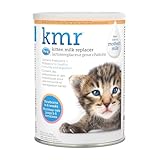
- KITTEN MILK REPLACEMENT - When mom can’t nourish them, KMR can. Scientifically the next best to mother’s milk, KMR provides all the nutritional elements necessary for kittens; newborn to six weeks old.
- COMPLETE, BALANCED NUTRITION - Our formula is closest to mother's milk in protein, fat and carbohydrates. We’ve also added vitamins, minerals and trace nutrients; plus prebiotics and probiotics for healthy immunity and digestion.
- EASY TO DIGEST - KMR is highly palatable and formulated with a special fiber blend for easy digestion and Improved gut health.
- EASY-TO-MIX FORMULA - Whisk or Shake 1 part powdered KMR into 2 parts warm water. Do not mix more KMR than can be consumed in 24 hours. Do not use a blender.
- ABOUT US - PetAg is a trusted leader in pet wellness, with science-backed formulas in our milk replacers, health supplements, and grooming products helping pet owners to proactively enhance the lives of their pets, for more healthy years together.
Look for a pattern of normal nursing
- The kitten finds a teat, latches and sucks rhythmically.
- It settles and sleeps after nursing instead of crying continuously.
- Its body feels comfortably warm, not cold, and it can move toward the mother or away from the heat source.
- The mother accepts the kitten, grooms it and does not repeatedly push it away.
- The daily weight is stable or rising.
One missed feed or a single low measurement does not establish a problem. A repeated weak suck, persistent crying, inability to stay attached or a downward weight trend does.
How can I tell whether the smallest kitten is getting enough milk?
Watch an entire nursing session and pair what you see with the weight chart. A kitten can appear to nurse while transferring very little milk if it has a weak suck or is constantly displaced by stronger littermates.
Free tools Windows power users keep installed
One-click scans. No signup required.
Observe the mother and litter together
Place the mother and kittens in a quiet nest and watch without repeatedly handling them. Note whether the smallest kitten reaches a teat, remains attached and swallows, or is pushed aside. If it is displaced, you can ask your veterinarian whether brief, supervised access to a less-contested teat is appropriate; do not isolate it for long periods without a plan, because the mother supplies heat and stimulation as well as milk.
Use weight and behavior as a two-part check
| What you observe | What it may mean | What to do |
|---|---|---|
| Strong latch, quiet sleep after feeds and steady daily gain | Milk intake is probably adequate at present. | Continue maternal nursing, daily weighing and nest checks. |
| Repeated displacement but otherwise warm and alert | The kitten may be receiving less milk than its siblings. | Call a veterinarian for a nursing and supplementation plan; continue monitoring. |
| Weak suck, persistent crying or less than 7 grams of gain per day | Inadequate intake or illness is possible. | Seek prompt veterinary advice about examination and supplemental feeding. |
| Weight loss, especially more than 10 grams in 24 hours | A potentially urgent deterioration. | Contact a veterinarian immediately, even if the kitten still appears to nurse. |
Brenda Griffin, DVM, MS, DACVIM, of the University of Florida College of Veterinary Medicine, summarizes the principle this way: “The best measure of a queen’s lactation is the body weight and daily growth of her kittens.” Do not judge milk production by how full the mother’s mammary glands look or by a kitten’s size relative to its siblings alone.
How do I help a runt catch up while its mother is caring for the litter?
Keep a viable, nursing kitten with its mother unless a veterinarian directs otherwise. Supplementation is an addition to maternal care, not an automatic reason to hand-rear the entire litter.
Also popular on Amazon

- KITTEN MILK REPLACEMENT - When mom can’t nourish them, KMR can. Scientifically the next best to mother’s milk, KMR provides all the nutritional elements necessary for kittens; newborn to six weeks old.
- COMPLETE, BALANCED NUTRITION - Our formula is closest to mother's milk in protein, fat and carbohydrates. We’ve also added vitamins, minerals and trace nutrients; plus prebiotics and probiotics for healthy immunity and digestion.
- EASY TO DIGEST - KMR is highly palatable and formulated with a special fiber blend for easy digestion and Improved gut health.
- EASY-TO-MIX FORMULA - Whisk or Shake 1 part powdered KMR into 2 parts warm water. Do not mix more KMR than can be consumed in 24 hours. Do not use a blender.
- ABOUT US - PetAg is a trusted leader in pet wellness, with science-backed formulas in our milk replacers, health supplements, and grooming products helping pet owners to proactively enhance the lives of their pets, for more healthy years together.
Support the mother first
- Give her a quiet, draft-free room where she can lie with the litter without being disturbed.
- Keep fresh water and an energy-dense, complete diet within easy reach.
- Change wet or soiled bedding promptly while preserving a warm, familiar nest.
- Limit handling to necessary weighing, nursing checks and care.
Maternal rejection, illness or an inadequate milk supply changes the plan. If the mother is too ill to care for the kittens, rejects them or has died, contact a veterinarian or experienced neonatal rescue service promptly. Cats Protection notes that kittens usually get the help they need from their mother, but human care may be necessary in those circumstances.
Recommended Free Tools
Decide between nursing alone and supplementation
| Option | When it fits | What must be monitored |
|---|---|---|
| Maternal nursing only | The kitten is warm, clean, alert enough to latch, accepted by the mother and gaining. | Daily gram weights, latch strength, crying, stool and urine, and maternal behavior. |
| Targeted supplement after nursing | The kitten is repeatedly displaced, has inadequate gain or the veterinarian finds milk intake insufficient. | Exact formula volume and interval, continued nursing, tolerance, elimination and weight trend. |
| Full hand-rearing | The mother cannot nurse or safely care for the litter, under veterinary guidance. | Frequent feeds, controlled warmth, stimulation to eliminate, sanitation and emergency signs. |
Do not guess a supplement volume from the kitten’s size. A veterinarian should account for age, hydration, medical problems and the formula’s instructions. Supplementing too aggressively can cause regurgitation, aspiration or diarrhea, while too little may fail to correct poor growth.
What should I feed a weak newborn kitten?
Use only a commercial kitten milk replacer selected with veterinary guidance, and mix it exactly as its label directs. Never substitute cow’s milk or goat’s milk; they do not provide an appropriate neonatal diet and can worsen digestive problems.
Prepare the formula safely
- Wash your hands and clean the bottle and nipple before preparation.
- Measure powder and water precisely according to the product label; do not concentrate or dilute it on your own.
- Warm the prepared formula to the label’s recommended temperature. North Carolina State guidance gives 95–100°F, while Cats Protection describes about 35°C (95°F).
- Test a drop on your wrist. It should feel warm, not hot.
- Prepare only the amount needed for the planned feed and keep a written record of the volume offered and taken.
Feed in a safe position
- Place the kitten belly-down, with its head in a neutral position as it would be while nursing from its mother.
- Use a suitable kitten nursing bottle and nipple with a controlled flow. The opening should allow drops, not a stream.
- Let the kitten draw the milk out; never squeeze formula into its mouth.
- Pause if it coughs, milk appears at the nose, breathing changes or swallowing becomes uncoordinated, and contact a veterinarian.
- Burp only as your veterinarian or the product instructions advise, then return the kitten to a warm nest.
Newborn hand-reared kittens may need feeds about every two to two-and-a-half hours, including overnight. The correct interval varies with age, health and the formula, so the label and veterinary plan take priority. A cold kitten cannot digest normally: warm it gradually and obtain professional advice before feeding.
When should I stop a feed?
Stop when the kitten will not suck, becomes too tired to swallow, or shows respiratory difficulty. A limp, cold or poorly responsive kitten should not be force-fed. Aspiration of milk into the lungs can be fatal, and a veterinarian may need to provide an alternative feeding method, fluids, glucose, oxygen or other treatment.
Quick wins for a faster PC:
Repair Windows errors before they cause bigger problemsFix Now →Fix the driver behind crashes, sound loss and screen glitchesFind Drivers →Also popular on Amazon

- KITTEN MILK REPLACEMENT - When mom can’t nourish them, KMR can. Scientifically the next best to mother’s milk, KMR provides all the nutritional elements necessary for newborn kittens to 1 year old.
- COMPLETE, BALANCED NUTRITION - Our formula is closest to mother's milk in protein, fat, and carbohydrates. We’ve also added vitamins, minerals, and trace nutrients for healthy immunity and digestion.
- EASY TO DIGEST - KMR is highly palatable and formulated with a special fiber blend for easy digestion and improved gut health.
- EASY-TO-USE FORMULA - Shake gently before use. Warm KMR to room or body temperature before serving. Portable, Tetra Pak container is resealable. Once opened, container must be refrigerated and discarded after 72 hours.
- ABOUT US - PetAg offers solutions to enrich the lives of animals & their caregivers. From nutritional supplements to grooming products, all our products are science-backed, formulated with high-quality ingredients, and supported by quality control.
How do I keep a newborn kitten warm without causing burns?
Provide a clean, dry, draft-free box or carrier with soft bedding and controlled supplemental heat under only part of the nest. The kitten must be able to crawl away from the heat. Heating pads and heat discs can burn neonates when they are too hot, placed directly against the body or left unmonitored.
Use age-appropriate temperatures
| Approximate age | Typical nest temperature | Important qualification |
|---|---|---|
| First week | About 32–34°C | Adjust for litter size, humidity and the kitten’s condition with veterinary guidance. |
| By week three | Gradually toward 24–27°C | Reduce heat progressively; never remove the kitten’s ability to move away from it. |
These ranges come from a Frontiers in Veterinary Science review and are starting points rather than a substitute for checking the individual kitten. A large litter generates more shared heat than a solitary kitten. A damp, tiny or ill kitten may need a different plan.
Compare common warming methods
| Method | Temperature control | Main risk | Safe-use principle |
|---|---|---|---|
| Protected heating pad | Can provide steady heat when thermostatically controlled. | Hot spots, burns or overheating if the control fails. | Cover it with several layers of bedding, place it under only part of the nest and monitor frequently. |
| Heat disc | Portable, but cooling time and surface temperature vary. | Direct contact burns or a disc that becomes too cool. | Separate it from the kitten with bedding and check the nest temperature regularly. |
| Mother and littermates | Self-regulating contact warmth when the queen is attentive. | Maternal neglect, crushing or a kitten being excluded. | Observe the family, keep the nest spacious and provide supplemental heat only as needed. |
A chilled kitten may feel cool in the mouth or paws, move weakly and fail to suck. Rewarm gradually with the face uncovered and the heat source separated by towels. Hypothermia impairs nursing and digestion, so do not offer a full feed until the kitten is warm enough to swallow normally and you have veterinary guidance if it is weak.
How do I help a very young kitten urinate and defecate?
Kittens below about three to four weeks may not eliminate independently. After feeds, gently stimulate the genital and anal area with a warm, moist cloth, using light strokes and stopping when the kitten urinates or defecates. Ask a veterinarian to demonstrate the technique if you are unsure; vigorous rubbing can injure delicate skin.
Record urine and stool along with feed amounts and weight. A sudden change, straining, a swollen abdomen, persistent diarrhea or repeated vomiting requires veterinary advice. Keep the kitten and bedding dry after stimulation, because moisture and waste rapidly chill neonates and damage their skin.
Also popular on Amazon

- KITTEN MILK REPLACEMENT-PetLac kitten milk replacement powder provides complete nutrition for proper growth and development for kittens, newborn to six weeks old
- COMPLETE, BALANCED NUTRITION-As a food source for orphaned, rejected, nursing, or weaning kittens, this formula provides vitamins, minerals & amino acids. It also supplies extra nutrition for thin or older cats
- EASY TO DIGEST-PetLac is highly palatable and contains prebiotics and probiotics for easy digestion and improved gut health
- DIRECTIONS-Mix one tablespoon powder with two tablespoons warm water to make approximately 2-1/3 tablespoons (7 teaspoons/35mL) of liquid. Opened powder can be refrigerated for up to 3 months, or can be frozen for up to 6 months
- ABOUT US-PetAg is a trusted leader in pet wellness, with science-backed formulas in our milk replacers, health supplements, and grooming products helping pet owners to proactively enhance the lives of their pets, for more healthy years together
What should I record each day?
A simple chart lets you and your veterinarian see deterioration before it is obvious. Record the date, time and weight for every kitten, then add observations for the smallest one.
- Whether the mother was present, calm and allowing nursing.
- Which feeds were maternal and which were supplemented.
- Formula type, the amount offered and the amount actually taken.
- Suck strength, crying, alertness, mobility and sleep after feeds.
- Urination, stool, vomiting or diarrhea.
- Nest temperature and any change in bedding or heat equipment.
Use the same scale and weighing routine each day. Bring the chart to appointments; it helps the veterinarian distinguish a naturally small kitten from one whose growth has stalled.
When is the smallest kitten an emergency?
Seek emergency veterinary care for coldness, profound lethargy, inability to stand or lift the head, refusal or inability to nurse, gasping or labored breathing, pale or blue gums, seizures, severe dehydration, repeated vomiting or diarrhea, or rapid weight loss. Do not wait for several signs to appear.
What to do while arranging transport
- Call the emergency veterinarian immediately and describe the kitten’s age, latest weight, symptoms, feeding history and temperature if known.
- Keep the kitten gently and continuously warm, with the face uncovered and the heat source separated by towels.
- Keep the mother and littermates nearby if that is safe, but prevent crowding or crushing during transport.
- Do not force-feed a cold, limp or unresponsive kitten, and do not delay professional care for home remedies.
- Take the weight and feeding chart, the milk-replacer container and any medications or products already used.
“Fading kitten syndrome” describes a life-threatening pattern, not one single disease. Infection, parasites, congenital problems, trauma, maternal neglect, hypothermia and hypoglycemia can all contribute. A veterinarian may need to give fluids, glucose, oxygen, assisted nutrition, diagnostic tests or treatment for infection or congenital disease.
Merck Veterinary Manual emphasizes that “Neonates are highly susceptible to environmental stress, infection, and malnutrition.” A rapid response gives the kitten the best chance, particularly when poor weight gain is recognized before collapse.
Also popular on Amazon
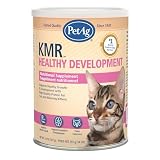
- NUTRITIONAL SUPPLEMENT - KMR Healthy Development supports healthy growth and development with high-quality protein for cats weaning to 6 years.
- SUPPORTS COGNITIVE DEVELOPMENT – With DHA (Omega 3 fatty acids) and Vitamin E, our formula supports visual & cognitive development.
- CONTAINS OMEGA 6 FATTY ACIDS - Our powder contains Omega 6 fatty acids to support a healthy skin and coat.
- GREAT TASTE - KMR Healthy Development is formulated with a great taste cats love. Supports transition to solid foods for weaning kittens.
- ABOUT US - PetAg is a trusted leader in pet wellness, with science-backed formulas in our milk replacers, health supplements, and grooming products helping pet owners to proactively enhance the lives of their pets, for more healthy years together.
How should I choose supplies for a tiny kitten?
Choose equipment for the task rather than buying a large collection of products. The essentials are a digital gram scale, a commercial kitten milk replacer if supplementation is medically indicated, a kitten nursing bottle with suitable nipples, clean bedding and a protected heating pad or heat disc. Ask your veterinarian to approve the formula, nipple flow and warming setup.
- Digital gram scale: lets you detect small daily changes that household kitchen scales may miss.
- Kitten milk replacer: provides a species-appropriate option when maternal milk is inadequate; follow the label exactly.
- Bottle and nipples: should permit a slow, controlled flow and be cleaned between feeds.
- Protected heat source: must warm only part of the nest and remain separated from the kitten by bedding.
- Record sheet: makes weight, feed, elimination and behavior trends visible to your veterinarian.
Equipment cannot compensate for a kitten that is hypothermic, dehydrated, infected or congenitally ill. Treat the supplies as monitoring and support tools, not as a substitute for examination when the trend is worsening.
Frequently Asked Questions
Can the smallest kitten stay with its siblings overnight?
Usually, yes, if the mother is attentive, the kitten is warm and the nest is large enough to prevent crowding. Check the litter before bed and again at the next scheduled observation rather than separating a healthy kitten solely because it is small.
How often should I weigh newborn kittens?
Weigh each kitten once every day at the same time and use the same gram scale and routine. More frequent checks may be useful for a kitten already losing weight, but ask your veterinarian how to avoid disturbing nursing and sleep.
What if the kitten cries after every feed?
Persistent crying can reflect hunger, chilling, illness, pain or difficulty eliminating rather than a simple need for more formula. Check warmth and nursing, document the behavior and contact a veterinarian instead of increasing feed volume on your own.
Can I use a human baby bottle or syringe for a kitten?
Use a kitten-specific bottle and nipple unless a veterinarian gives you a different feeding method. Flow that is too fast or an unsuitable device raises aspiration risk, especially in a weak kitten.
Do these 3 things before closing this tab:
1Clear out junk files and repair common Windows errors2Fix the driver behind crashes, sound loss and screen glitches3Repair Windows errors before they cause bigger problems




Leave a Reply