
The Tool Desk
Outbyte PC Repair FREERepair Windows errors before they cause bigger problemsFix Now →Outbyte Driver Updater FREEFix the driver behind crashes, sound loss and screen glitchesFind Drivers →Some links on this page are affiliate links: if you buy through them we may earn a commission, at no extra cost to you.
Cat-proofing is a room-by-room risk audit followed by simple controls: remove toxins, block falls and entrapment points, protect electrical cords, secure storage, and make feeding, litter care, scratching and hiding easy. The safest setup does not depend on watching your cat every minute. Locked cabinets, secure window screens, appliance checks, washable surfaces and sturdy enrichment give a cat safe choices while reducing mess and furniture damage.
Start with hazards that can kill or cause an emergency—lilies, medicines, chemicals, open windows, cords and strings—then improve daily-care areas. Recheck the home whenever you move furniture, bring in a plant or decoration, foster another cat, or your cat’s climbing and chewing habits change.
As an Amazon Associate I earn from qualifying purchases.
Quick wins for a faster PC:
Fix the driver behind crashes, sound loss and screen glitchesFind Drivers →Clear out junk files and repair common Windows errorsFree Scan →Scan for outdated or missing drivers - takes under a minuteDriver Scan →What does cat-proofing a home involve?
Cat-proofing means identifying what a curious, agile animal can reach, chew, swallow, knock over, fall from or become trapped in, then changing the environment so the hazard is inaccessible or removed. It also means providing legal outlets for normal behavior—scratching, climbing, hiding, playing and observing—so safety measures do not leave the cat frustrated.
Use this order when you inspect your home:
- Eliminate life-threatening hazards: remove toxic plants and foods, lock up medicines and chemicals, and secure windows and balconies.
- Prevent swallowing and entrapment: collect string, hair ties, batteries and small decorations; check appliances and doors before closing them.
- Control chewing and damage: cover cords, anchor unstable furniture and put scratching surfaces beside furniture your cat targets.
- Design for routine care: separate food from litter, keep a box accessible, and choose washable surfaces and reachable cleaning tools.
- Add safe choices: provide high observation points, private hideaways, sturdy scratchers and appropriate toys.
Walk through the house at the cat’s eye level. Look behind appliances, under furniture, inside open cabinets and above cabinets where a cat may climb. A control is successful only if it remains secure when the cat pushes, pulls, jumps or chews it.
Popular on Amazon

- Size: Diameter: 1/2"| Length: 25 Feet | Color: Black. Our wire loom is split and easy to load wires. Once loaded, our cable sleeve will close on itself and perfect wire wrap
- Operating temp (degree F.):-103 to 257|Melt temp: 446. Our cable management sleeve is used for Hifi speaker hdmi automotive wires
- Our cord protector keeps cat from chewing cables. Our cable protector is insulated
- Our wire sleeve: UL Recognized
- Our cable organizer keeps the cords organized with no more messy cables in your home and office
How do I audit each room for cat hazards?
Make one pass for immediate danger and a second for convenience. The table below turns the major risks into controls you can verify.
| Area | Look for | Control to install or practice |
|---|---|---|
| Entry, living room and hall | String, rubber bands, hair ties, batteries, pins, small toys, loose decorations, unstable ornaments and furniture that can tip | Remove small objects, anchor or relocate décor, and keep a lidded container for items that are currently in use |
| Windows, doors and balconies | Open or weakly screened windows, tilt windows, gaps, escape routes and doors that open toward a hiding cat | Use secure screens or restrictors, keep tilt windows closed or protected, treat unenclosed balconies as off-limits, and check doorways before moving through them |
| Kitchen and utility area | Medicines, cleaners, pesticides, fertilizers, solvents, antifreeze, unsafe foods, open trash, cords, toilets, washers, dryers and open flames | Use latches or locking lids, hide cords, close toilet and appliance doors, and guard any open fire |
| Plants and bouquets | Lilies and other unverified plants, unstable pots, fallen leaves and vase water | Check every plant before purchase, keep dangerous species out of the home, and use stable containers |
| Litter and feeding station | Food or water beside the toilet area, blocked box access, hard-to-wash surfaces and inaccessible scooping supplies | Separate stations, provide an accessible box, scoop daily, wash regularly and use washable mats |
| Enrichment zones | Unstable cat trees, sharp or frayed toys, no scratcher, no elevated retreat and no private hiding place | Choose sturdy equipment, remove damaged items, and provide both vertical and horizontal options |
Take a photo of each room after you finish. It gives you a baseline for checking whether a new plant, parcel, appliance or piece of furniture has created a new route to danger.
PC Slower Than It Used to Be?
A free scan shows the junk files, broken settings and background clutter dragging Windows down - then fixes them in one click.Free scan · Windows 10 & 11Outdated Drivers Are Slowing You Down
One free scan finds every outdated or missing driver and matches the right update for your exact hardware.Free scan · exact hardware matchWhich household items are toxic to cats?
Remove or lock away anything that can poison a cat. Cornell University College of Veterinary Medicine warns that lilies are especially dangerous: even a tiny amount can cause life-threatening kidney failure. The U.S. Food and Drug Administration (FDA) also identifies medicines, cleaners, pesticides, antifreeze, solvents, rat bait, pool chemicals and several human foods as risks.
Plants and bouquets
- Do not bring lilies into a cat’s home. This includes bouquets and arrangements whose individual stems may be difficult to identify.
- Check every plant against a current veterinary or poison-control database before buying it. The FDA lists lilies, tulips, amaryllis, philodendron, pothos and sago palm among potentially dangerous plants, along with many others.
- Keep approved plants in heavy, stable containers that cannot be knocked over. Remove fallen leaves and spilled soil promptly.
Medicines, chemicals and garden products
- Store human and animal medicines in a closed cabinet rather than on a counter or bedside table.
- Keep cleaners, disinfectants, pesticides, fertilizers, solvents, antifreeze, rat bait and pool chemicals behind a latch or lock. Never assume a product is safe because it is marketed as natural.
- Keep chemical-soaked cloths, open buckets and recently treated surfaces inaccessible until they are safe according to the product label.
Food and drinks
Lock away onions, garlic, grapes, chocolate, caffeine, alcohol and products containing xylitol. Secure food waste as well as fresh food: a cat can reach a countertop, tear an open bag or pull a container from a bin.
Use a cabinet latch when a door does not stay shut under a cat’s weight. A locking-lid trash can is the fallback when the bin cannot fit inside a cabinet.
How do I secure windows, balconies and doors?
Use a securely fitted screen or a purpose-designed restrictor; an ordinary insect screen that pops out under pressure is not enough. The American Veterinary Medical Association calls for securely screened windows, while Cats Protection warns that high open windows and tilt windows can cause falls, injury or entrapment.
Do these 3 things before closing this tab:
1Repair Windows errors before they cause bigger problems2Fix the driver behind crashes, sound loss and screen glitches3Clear out junk files and repair common Windows errorsAlso popular on Amazon
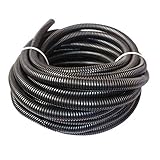
- Makes Your Home Safety and Protect Your Pets: Anti Bite Tube Makes Your Pets More Safety in Your Home. Such as: rabbits, cats, dogs, and other pets.
- Protect Your Wires: Rabbits, cats, dogs, and other pets can be very sneaky and curious creatures. Having a simple piece of tubing around your wires can preventing your pet bunny or puppy from having a chew on them.
- More Safety Material: The Plastic Piping Temperature Range -40F To 200F (-40C - 93C). Preventing and minimizing damage from electrical fires, or heating up of any cables or wires around your home.
- 30 ft: With 30 Feet of split loom tubing, Size: 10×13mm (inner × outer diameter) you will have more than enough to cover cables and wires in your home, garden or perhaps in your office. You can cut this slit loom to any size and use for computer leads, Television cables and any other electronic device in and around your home.
- How of use: Cut the length of the pipe to the size you want, then find the slit and put the wire in. Once the wire is insert, the slit will remain closed
Windows
- Keep every unscreened window closed whenever the cat has access to the room.
- Inspect the frame, mesh, fasteners and latch. Push against the screen from inside to test whether it bows or releases.
- Do not leave a tilt window open for a cat. The narrowing side gaps can trap the chest or abdomen even when the opening looks too small for a fall.
- Do not place furniture beside a window if it lets the cat push directly against a weak screen or climb over a restrictor.
Balconies and upper porches
An unenclosed balcony or upper porch is an inaccessible area, not a supervised play space. Controlled outdoor access requires a properly designed cat enclosure or cat-proof fencing that prevents climbing over, squeezing through or dropping underneath. Inspect the enclosure after storms and whenever fixtures or furniture change.
Doors and appliance openings
Before closing an exterior door, cupboard, closet or storage chest, check behind it and under nearby furniture. Keep washer and dryer doors closed, and inspect the drum before starting a cycle. A cat hiding in a warm, dark opening may not respond to a call.
How do I stop my cat chewing electrical cords?
Hide cords behind or under furniture, then add a cable tidy, clip or commercial cord protector where concealment is not possible. AAHA guidance notes that electrical cords can cause a shock or fire; Cats Protection also recommends protecting them from chewing.
- Unplug equipment that is not in use and bundle the remaining cable close to the wall.
- Route cords behind furniture or through a purpose-made protector rather than leaving a loose loop on the floor.
- Secure power strips so a cat cannot drag them into a water bowl or chew at the plug end.
- Inspect covers and cables regularly. Replace any protector that has split and remove a frayed cable from service immediately.
- Offer play and scratching outlets nearby, but do not rely on a toy to make a dangerous cord safe.
Keep string, thread, ribbon, dental floss, rubber bands and hair ties in closed storage. Swallowed string can cause life-threatening intestinal problems, and small decorations can choke a cat. Pick up these items after crafts, gift wrapping, sewing or grooming rather than leaving them on a table.
How should I cat-proof the kitchen and utility areas?
These rooms combine food, chemicals, heat, water, electrical equipment and small hiding places, so access control is more reliable than supervision.
Cabinets and trash
Fit baby-proof latches to cabinets holding medicines, cleaners, pesticides, food or trash. If a bin cannot be hidden behind a latched door, use a locking lid and keep it away from a counter edge. Rinse or wrap food waste before disposal so an odor does not invite investigation.
Also popular on Amazon
- Size: Diameter: 1/4"| Length: 10 Feet | Color: Black. Our wire loom is split and easy to load wires. Once loaded, our cable sleeve will close on itself and perfect wire wrap
- Operating temp (degree F.):-103 to 257|Melt temp: 446. Our cable management sleeve is used for Hifi speaker hdmi automotive wires
- Our cord protector keeps cat from chewing cables. Our cable protector is insulated
- Our wire sleeve: UL Recognized
- Our cable organizer keeps the cords organized with no more messy cables in your home and office
Water, heat and fire
- Keep toilet lids closed to prevent drinking from the bowl and to reduce the chance of a fall.
- Never leave a cat unsupervised near an open fire. Use a properly fitted guard and keep nearby surfaces clear of climbable objects.
- Keep hot pans, kettles and appliance doors inaccessible until cool. Do not let handles project where a cat can pull them down.
Appliances
Close washer, dryer, dishwasher and oven doors when they are not being used. Check inside before operating any appliance. Keep detergent pods, dryer sheets and cleaning cloths in a latched cabinet, not on top of the machine.
How can I make the litter box easier and safer to clean?
Put the litter box in a quiet, accessible location away from food and water. Cats generally prefer not to eat or drink beside their toilet area. The box must be easy for the cat to enter and easy for you to reach for daily scooping.
Choose a practical location and box
- Provide a large box with an entry height the cat can manage comfortably. Avoid placing it behind a door that can close or in a passage where another cat can block access.
- Keep food and water in a separate station. A washable mat beneath the bowls and another beneath the litter box help contain spills and tracked litter.
- For more than one cat, assess whether each cat can reach a box without feeling cornered or threatened. Placement and household relationships matter; a veterinarian can help design the arrangement.
Build the cleaning routine into the room
- Keep the scoop, waste bags and a small hand vacuum beside—but not inside—the cat’s food area.
- Scoop at least daily so waste does not accumulate and the cat is not forced to search for a clean spot.
- Wash the box regularly with a product that is appropriate for the material and safe when used as directed. The Welsh Government’s 2019 cat-welfare code cautions that some disinfectants and cleaning agents are toxic.
- Clean tracked litter from mats and surrounding floors before it spreads through the home.
- Replace a cracked or deeply scratched box, because damaged surfaces are harder to wash completely.
When comparing litter systems, examine box dimensions, entry height, odor containment, scoop access and how easily every surface can be washed. A more enclosed design is not automatically better if it restricts entry, traps moisture or prevents thorough cleaning.
How do I protect furniture while meeting my cat’s needs?
Provide an acceptable behavior in the place where the cat is already motivated to act. A sturdy scratching post near high-traffic furniture is more useful than a scratcher hidden in a corner. AAHA says adequate scratching surfaces make cats less likely to damage furniture and carpets.
Scratching
- Offer both horizontal and vertical scratching surfaces so the cat can stretch in different ways.
- Choose a heavy base that will not slide or topple. Replace a post when it becomes unstable or the material is dangerously frayed.
- Place a scratcher beside a sofa, doorway or sleeping area that receives regular scratching, then move it gradually only after the cat uses it consistently.
Climbing, watching and hiding
Provide a stable elevated perch for observation and an enclosed hideaway for retreat. Agriculture Victoria recommends elevated places and private spaces as part of feline security and enrichment. Anchor tall furniture and cat trees so jumping cannot tip them; keep them away from fragile décor, open flames and weak screens.
Toys and interaction
Use toys that are appropriate for the cat’s size and remove items that shed pieces, sharp edges or long strings when play ends. Short, positive interactions and regular play give the cat safe outlets for chasing and pouncing. Store toys in a closed container and inspect them before each session.
Recommended Free Tools
Also popular on Amazon

- Easy To Install - Split design, easy to wrap around cords without any hassle and the cord protector can be easily cut to any desired length.
- Keep Cords & Pets Protected - Ultra-durable and bite-resistant PET material, plus 50% edge overlap, effectively prevents your pets from chewing cords.
- Safe for Kids & Pets - Our cord covers are made from RoHS-compliant, scent-free material, ensuring safety for both your pets and children.
- Complement Your Home Decor - The sleek woven design and classic color blend in nicely with your decor; Also, it is flexible to bend and fit into tight areas.
- Versatile & Durable – Offers excellent resistance to abrasion, chemicals, and heat (withstanding up to 302°F), making it ideal for home, industrial, and automotive use.
Which cat-proofing products should I choose?
Choose a control for the specific hazard, not for a product label. Compare each option by the following criteria:
| Decision factor | Questions to ask |
|---|---|
| Hazard controlled | Does it prevent access, chewing, falling, swallowing or tipping—the actual risk identified in the room? |
| Fit and capacity | Will it fit the window, cabinet, cord bundle, box or enclosure, and can the cat squeeze around it? |
| Resistance | Can the cat pull, push, chew or climb it loose? Are fasteners still secure after repeated use? |
| Installation and removal | Can it be fitted without leaving a dangerous gap, and can you remove it for cleaning or an emergency? |
| Cleanability | Can hair, litter dust, food and moisture be removed from all surfaces? |
| Visibility and access | Does it preserve the cat’s safe access to food, water, litter, scratching and retreat areas? |
| Durability | Will it remain stable under jumping and daily use, and can worn parts be replaced? |
For windows, prioritize a secure frame, reliable attachment and an opening size the cat cannot exploit. For cord protection, prioritize chew resistance and a route that keeps the cable out of sight. For gates and enclosures, check that the cat cannot climb over or squeeze through and that the structure remains stable when pushed.
What daily and weekly checks keep a cat-proof home safe?
Cat-proofing is maintenance, not a one-time installation. Use a short checklist that matches how your household actually operates.
Every day
- Scoop the litter box and remove tracked litter around the station.
- Put away string, hair ties, rubber bands, batteries, pins, small toys and decorations after use.
- Check that exterior doors, windows, balcony access and appliance doors are closed or secured.
- Look for chewed cords, displaced cable covers, spilled food, open trash and knocked-over plants.
- Return toys to storage and remove any damaged item.
Every week
- Test screens, restrictors, cabinet latches, trash lids, baby gates and enclosure fasteners.
- Inspect scratching posts, perches, hideaways and cat trees for wobble, loose hardware or frayed material.
- Wash litter equipment and wipe washable mats and feeding surfaces.
- Check behind appliances and under furniture for new hiding places, dropped objects or cord damage.
Whenever something changes
Repeat the audit after moving furniture, buying a plant, receiving a delivery with packing materials, decorating for a holiday, adding a new appliance or introducing another cat. A new route to a high shelf or a new gap behind a cabinet can create a hazard even when every previous control remains intact.
What’s actually slowing this PC down?
Pick the symptom - the matching free tool is one click away.
What should I do if I think my cat has been poisoned?
Call a veterinarian or a pet poison-control center immediately after suspected ingestion or exposure. The FDA specifically advises calling right away; do not wait for symptoms. Do not induce vomiting unless a veterinarian directs you to do so.
- Move the cat away from the substance without putting yourself at risk.
- Keep the package, plant label, medication container or a sample of the material available so the professional can identify it.
- Record what may have been eaten, how much, and when, if you can do so without delaying the call.
- Follow the veterinarian’s instructions for transport and first aid. Do not give home remedies or another medication unless instructed.
For a cord bite, fall, burn, entrapment or breathing problem, treat it as an emergency and contact a veterinarian promptly. Secure the area so the same hazard cannot injure the cat again while help is arranged.
Also popular on Amazon
- Size: Diameter: 1/2"| Length: 10 Feet | Color: Black. Our wire loom is split and easy to load wires. Once loaded, our cable sleeve will close on itself and perfect wire wrap
- Operating temp (degree F.):-103 to 257|Melt temp: 446. Our cable management sleeve is used for Hifi speaker hdmi automotive wires
- Our cord protector keeps cat from chewing cables. Our cable protector is insulated
- Our wire sleeve: UL Recognized
- Our cable organizer keeps the cords organized with no more messy cables in your home and office
How should cat-proofing change for kittens, older cats and multi-cat homes?
The controls stay the same, but the cat’s abilities and access needs change.
Kittens and active climbers
Assume a kitten can reach higher shelves than expected within days. Increase the frequency of small-object and cord checks, use latches on every accessible cabinet, and block narrow gaps behind appliances. Provide low, stable climbing and hiding options while preventing access to unsafe heights.
Older or mobility-limited cats
Keep litter, food, water and hideaways on routes with secure footing and manageable entry heights. A high perch is useful only if the cat can reach it without a dangerous jump; add a stable intermediate platform or choose a lower observation point.
Several cats
Watch for one cat guarding a doorway, litter box, food station or elevated retreat. Provide alternative routes and places to hide or rest so a cat can access essentials without passing a threatening housemate. If toileting or conflict changes, ask a veterinarian to assess the environment and the cats’ health.
What is the simplest way to start cat-proofing today?
Begin with a ten-minute sweep: remove every lily and unverified bouquet, lock medicines and chemicals, close toilets and appliances, secure windows, unplug or cover exposed cords, and collect string and small objects. Then place a sturdy scratcher beside the most vulnerable furniture, set up a stable perch and hideaway, and separate the litter and feeding stations. Finish by writing a daily and weekly checklist so the controls remain effective rather than becoming another task that is easy to forget.
Frequently Asked Questions
How many litter boxes should a multi-cat household have?
There is no single arrangement that works for every household. The important test is whether each cat can reach a clean box without being blocked, cornered or startled; a veterinarian can help evaluate the number and placement when access or toileting is a problem.
Free tools Windows power users keep installed
One-click scans. No signup required.
Are ordinary window insect screens safe for cats?
Not necessarily. A screen is suitable only when it is securely attached, resists the cat’s weight and leaves no squeeze-through gap; test the frame and fasteners rather than judging safety by the mesh alone.
Can I use household disinfectant to wash a litter box?
Only use a product according to its label and confirm that it is appropriate for the box material and safe after rinsing and drying. Some disinfectants and cleaning agents are toxic to cats, so keep the cat away during cleaning and never leave wet residue accessible.
What information will a poison professional need when I call?
Have the product or plant label, the estimated amount, the time of exposure and your cat’s weight and symptoms ready if known. Do not delay the call while trying to calculate a perfect dose or waiting to see whether signs develop.





Leave a Reply