Do these 3 things before closing this tab:
1Clear out junk files and repair common Windows errors2Scan for outdated or missing drivers - takes under a minute3Repair Windows errors before they cause bigger problemsThe safest way to catch a frightened or unfamiliar cat is with a humane box trap—not by chasing, grabbing, using a net, or trying to pin the cat down with a blanket. Before you set a trap, decide why the cat needs to be caught, arrange where it will go, and make sure you can monitor the trap continuously.
First decide whether the cat needs to be caught
An outdoor cat is not necessarily abandoned. It may belong to a nearby family, or it may be a healthy community cat being cared for by someone in the neighborhood.
Before trapping, look for a collar, identification tag, or an ear-tip. An ear-tip—usually a clean, straight cut on the tip of one ear—often means the cat has already been sterilized through a trap-neuter-vaccinate-return (TNVR) program. Ask nearby residents and local rescue groups whether anyone recognizes the cat. A shelter or veterinary clinic can scan a friendly cat for a microchip.
A healthy, settled community cat generally should not be removed simply because it lives outdoors. If the cat needs medical care, sterilization, or relocation from an immediate danger, contact a local rescue, animal-control agency, or TNR group first. They may lend you the correct trap and explain where the cat should go afterward. Confirm the organization’s policy before trapping: some shelters require the cat to be surrendered with the trap, and policies toward community cats vary.
What’s actually slowing this PC down?
Pick the symptom - the matching free tool is one click away.
#1 Best Overall

- High Quality Materials:SZHLUX Live Animal Cage Trap use low carbon steel wire and medium frequency welding. In this way, the product surface is flat, the welding is firm, and it is not easy to solder off.Weather and rust resistant.
- Convenient Design: Our cat trap is foldable and can be easily loaded into the trunk of the car.It only takes 4 simple steps to set up,from nearly flat to assembled in seconds--no tools needed.
- Humane Live Animal Trap: Our raccoon trap use oblong support frame to secure the cage shape and use fixing clips to fix rear door,smoothed internal edges protect and prevent trapped animal being injured.All you need is some bait to catch and then release them back to the wild.
- User-friendly Design: The top cover guard board of the cage prevents people injured by the trapped animal's mistake.The connecting rod of the pedal mechanism is set inside the cage to prevent animals from touching the mechanism by mistake.A new tool has been designed to extend the safe distance when releasing the animal.
- Dimensions: Product Size: 32inch*10inch*12inch; Package Size: 38.2inch*11.8inch*3.15inch.Excellent choice when attempting to capture smaller animals such as stray cats, raccoons, squirrel, skunk, mole, groundhog, armadillo, rabbit and small dogs.
Use a humane box trap
A purpose-built humane cat trap has a trip plate that closes the door when the cat walks far enough inside. Choose a trap that fits the cat:
| Cat | Equipment consideration |
|---|---|
| Average adult | Standard cat box trap |
| Very large adult | Larger trap with enough room to turn around |
| Small kitten | Kitten-sized trap, because an adult trap may not trigger and may be too powerful |
Do not use snares, nets, “clam” traps, darts, tranquilizer guns, or improvised cages. These methods can injure, panic, or kill a cat. Ask a local TNR group, shelter, or animal-control agency about borrowing an appropriate trap and its requirements.
Prepare before setting the trap
Have the following ready:
- A humane box trap
- Newspaper or another suitable liner for the trap floor
- Canned cat food, sardines, mackerel, tuna in oil, or cooked chicken
- A large towel, blanket, or sheet
- Gloves for carrying the trap
- A pen and label for recording the cat’s description and location
- A secure vehicle
- A veterinary appointment, rescue contact, or temperature-controlled holding area
Never trap first and decide what to do later. A confined cat needs prompt transport or a safe, quiet place to wait. Confirm that the veterinarian, shelter, or rescue organization will accept the cat and ask whether it has any trap or intake requirements.
Line the bottom of the trap with newspaper or another suitable liner so the cat is not standing directly on wire. Set it on flat, stable ground in a quiet, sheltered spot. Avoid areas exposed to traffic, dogs, heavy rain, direct sun, or extreme cold.
Quick wins for a faster PC:
Fix the driver behind crashes, sound loss and screen glitchesFind Drivers →Clear out junk files and repair common Windows errorsFree Scan →Scan for outdated or missing drivers - takes under a minuteDriver Scan →How to bait and set the trap
- Put about 1 tablespoon of bait at the very back of the trap, beyond the trip plate.
- Place approximately ¼ teaspoon of bait or bait juice just inside the entrance to encourage the cat to enter.
- Check that the trap door and trip plate move freely.
- Set the trap on level ground and camouflage it lightly with a towel if the cat is wary. Keep the entrance and mechanism unobstructed.
- Move away far enough for the cat to approach, but stay close enough to respond immediately.
Do not put food outside the trap once trapping begins. Doing so allows the cat to eat without entering.
Rank #2

- HUMANE CAPTURE: This large live animal trap safely captures raccoons, cats, possums, and other small animals with a 1-door design that allows full entry before closing, reducing escape chances for effective pest control
- HEAVY-DUTY CONSTRUCTION: Built with galvanized wire mesh and solid steel door, this raccoon trap resists rust and corrosion while providing long-lasting durability for outdoor use in all weather conditions
- SAFETY FIRST: Features smooth internal edges to prevent animal injuries and protective handle guards for safe handling, making this humane animal trap ideal for both novice and experienced users in wildlife management
- PROFESSIONAL DESIGN: Engineered with a refined trip mechanism specifically calibrated for heavier animals like bobcats and coyotes, this live trap minimizes false triggers while ensuring reliable capture performance
- VERSATILE SOLUTION: Perfect as a feral cat trap, skunk trap, or armadillo trap, this large animal cage trap handles a wide range of pest control situations effectively for comprehensive wildlife management
For a trap-shy cat, feed it from an unset trap with the door secured open for one to two weeks. Remove the trap after each meal during this conditioning period. You can gradually place the food farther inside until the cat is comfortable walking in.
Should you withhold food?
For a planned TNR appointment, experienced trappers commonly withhold food for about 24 hours while continuing to provide water. Follow a veterinarian’s advice instead for kittens, sick or injured cats, pregnant cats, or other medically vulnerable animals. Never withhold water, and do not withhold food for longer than 48 hours.
Monitor the trap continuously
Never leave a set trap unattended. A cat trapped outdoors can suffer heatstroke, hypothermia, panic, or injury. Another animal may also interfere with the trap.
Set the trap only when you can watch it until it is triggered or you decide to stop. Do not trap during weather that is unsafe for the cat. Keep a note of the trap’s exact location and the cat’s description, especially if several similar cats are nearby.
What to do immediately after the cat is caught
- Do not open the trap. Never put your hands through the wire or try to grab the cat.
- Expect the cat to thrash, hiss, or throw itself against the sides. This is usually a fear response, not proof that the cat is aggressive.
- Cover the entire trap with a towel or sheet, leaving the ventilation openings clear. Darkness usually reduces visual stimulation.
- Carry the trap upright and level using its handle. Wear gloves, but remember that gloves do not make direct handling safe.
- Move the trap to a quiet, temperature-controlled area.
- Transport it inside the passenger compartment or another secure, enclosed part of the vehicle. Never place a trapped cat in a trunk or an open truck bed.
Do not release the cat at an unfamiliar location. If it is a community cat being returned after treatment, it should normally go back to its established territory unless a qualified organization or veterinarian has made a different plan.
Rank #3
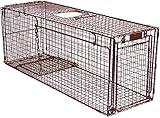
- Works for cats, skunks, rabbits, and other small animals
How to catch a friendly cat
If the cat is clearly socialized, avoid chasing it. Put a familiar carrier in a quiet area with the door secured open, then use familiar food, treats, or a food dish to encourage the cat to walk inside. Once the cat is fully inside, close and secure the carrier door.
A friendly cat can still panic when cornered or restrained. If it will not enter a carrier voluntarily, use a humane box trap rather than trying to catch it with your hands.
Free tools Windows power users keep installed
One-click scans. No signup required.
Kittens and mother cats
Do not automatically remove healthy kittens found outdoors. Kittens younger than about eight weeks often depend on their mother. Watch from a distance to see whether she returns; your presence may keep her away.
If the kittens or mother are sick, injured, or in immediate danger, contact a veterinarian or rescue group before trapping. A nursing mother must not be left confined for days. Contact the veterinarian and arrange the quickest safe return to her kittens, following veterinary instructions.
Use kitten-sized traps whenever possible. A small kitten may be too light to trigger an adult trap, and an adult trap may be too powerful. If using an adult trap, it may need to be manually triggered by someone experienced so the door does not close while another kitten is in the entrance. Use at least one trap per kitten when trapping a litter, and watch the doors closely.
Rank #4

- Wide Application: As urban and wilderness ecosystems intertwine, animals may disturb your life. Our cat trap is a versatile solution for various animals, including cats, raccoons, rabbits, groundhogs, armadillos, and opossums. It effectively addresses issues such as farmland invasion, release, and harassment.
- Humanized Designs: We prioritize humane care with our raccoon trap. The L-shaped lever ensures the trap won't harm animals when triggered. The dense mesh prevents escapes and protects against external attacks or stolen food. Smooth wire edges prevent animals from panicking or biting the wire, ensuring their safety.
- Sturdy and Durable: Our animal trap is built to last. It is constructed with sturdy, thickened wires that withstand animal bites and impacts without deformation or cracking. The galvanized coating provides excellent corrosion resistance, ensuring stability and durability in all weather conditions.
- Simple and User-friendly: Our live trap is designed for your convenience. It comes pre-assembled, saving you from tedious setup steps. Just unfold the cage, secure the rear door, and connect the trap mechanism to start using it quickly. This saves time and effort, allowing you to engage in capture work promptly.
- Portable and Easy to Store: Our efficient groundhog trap is portable and easy to store. It features a convenient handle for easy mobility, with an extended design that prevents accidental injuries from animals. The collapsible design allows for easy storage, freeing up space when not in use.
Sick or injured cats need a veterinary plan
Call a veterinarian or emergency veterinary hospital before setting the trap. Explain the cat’s symptoms and ask where to take it immediately after capture. Once caught, cover the trap, keep it upright and steady, and transport it without delay.
Do not give a stray cat human painkillers or other home medication. Many human medicines are toxic to cats, and attempting treatment inside a trap can result in bites or further injury.
If the cat bites or scratches you
Wash the wound immediately with soap and running water, even if it looks minor. Seek medical care promptly and tell the healthcare provider that the injury came from a cat. Your healthcare provider or local health department can assess infection and rabies exposure risks.
Independent reader supportYour contribution helps us test, update, and keep practical guides available for everyone.Unsafe advice to ignore
| Advice | Why it is unsafe |
|---|---|
| “Just grab it with a blanket.” | A frightened cat can bite, scratch, or injure itself while trying to escape. |
| “Use a net or tranquilizer.” | These methods can cause injury and are not substitutes for a humane box trap. |
| “Leave the trap outside and come back later.” | Heat, cold, panic, and other animals can place the trapped cat in immediate danger. |
| “Take every outdoor cat to a shelter.” | A healthy community cat may have a caregiver and may be best served by TNR and return. |
| “Withhold water so it enters the trap.” | Water should never be withheld as a trapping tactic. |
When in doubt, pause and call a local shelter, TNR program, veterinarian, or animal-control agency. The right destination and timing matter as much as catching the cat itself.
FAQ
What is the safest way to catch a stray or feral cat?
Use a purpose-built humane box trap baited with strong-smelling food. Monitor it continuously, cover the trap once it closes, and move the cat promptly to a quiet, temperature-controlled location.
Best Value

- Safe & Humane Trapping – Designed with animal welfare in mind, this live trap safely captures animals without injury, making it ideal for humane relocation.
- Durable Galvanized Steel Build – Constructed from high-strength, rust-resistant steel for long-lasting performance in any weather condition.
- Reliable Trigger Mechanism – Features a highly sensitive trip plate and spring-loaded door to ensure fast and secure captures, every time.
- Spacious & Versatile Size – Accommodates a range of medium-sized animals including raccoons, groundhogs, armadillos, and stray cats.
- Simple Assembly– Folding to save space and easy assembly with no tools required—perfect for homeowners, farmers, or pest control professionals.
Can I catch a cat by grabbing it with a towel?
It is safer not to. Even a normally friendly cat may bite or scratch when frightened. Encourage a socialized cat into a secure carrier; if that fails, use a humane box trap.
How long can a cat stay in a humane trap?
A trapped cat should be moved promptly and should not be left outdoors. Never leave a set trap unattended, and seek veterinary advice immediately for kittens, nursing mothers, sick cats, or injured cats.
What should I do if a trapped cat bites me?
Wash the wound thoroughly with soap and running water, then seek medical care promptly. Tell the healthcare provider about the cat bite so infection and rabies risks can be evaluated.
The Bottom Line
Catch an unfamiliar cat with a humane box trap, not your hands. Prepare the destination first, bait the trap correctly, watch it continuously, cover and transport it securely, and get veterinary or rescue guidance for kittens, nursing mothers, and sick or injured cats.
Recommended Free Tools
Quick Recap
Product prices and availability are accurate as of the date/time indicated and are subject to change. Any price and availability information displayed on Amazon at the time of purchase will apply.




