
Some links on this page are affiliate links: if you buy through them we may earn a commission, at no extra cost to you.
Identify the exact flower, including its scientific name, before you buy it. Search that name in the ASPCA toxic and non-toxic plant resources and its dog-specific list. If the label is incomplete, the common name could refer to several plants, or the flower is not listed, ask a veterinarian or a pet-poison service before bringing it into a dog-accessible home. Check which parts of the plant your dog could reach, because bulbs, leaves, flowers, and branches can carry different risks. If your dog may already have eaten any part of an uncertain or toxic plant, remove access and call promptly rather than waiting for symptoms.
How do I check a flower before bringing it home?
Use a six-part check: identify the exact plant, verify it in an authoritative database, resolve any naming gap, assess the reachable plant parts, choose a safe location or substitute, and prepare an emergency plan. A common name by itself is not a reliable safety check.
As an Amazon Associate I earn from qualifying purchases.
1. Record the exact identity at the point of sale
Read the nursery tag, bouquet card, seed packet, or seller’s online listing. Write down the complete common name and the scientific name exactly as printed. Take a photograph of the label and of the whole plant, including leaves, flowers, stems, and any bulb or tuber visible in the pot. Ask the seller to confirm the identity if the tag says only a broad term such as “lily,” “daisy,” or “bulb.”
ASPCA’s plant resources are organized around plant names and scientific names. A correct match is therefore the foundation of every later step; guessing from flower color or shape can send you to the wrong entry.
Popular on Amazon

- 【Strong Absorbent & Stain-Resistant】Our dog food mat boasts exceptional absorbency, quickly soaking up any spilled water & milk and leaving no traces behind. It effectively prevents wet paws and keeps your pet's eating area clean.
- 【Anti-Slip & Leak-Proof】Our dog bowl mat features a non-slip rubber backing that securely maintains its position. The waterproof rubber bottom provides excellent leak protection, preventing water from seeping into the floor and causing damage.
- 【Easy to Clean】The surface of our pet food mat is made of a special material that resists pet hair and dust. Simply wipe it with a damp cloth or rinse it with water. Keep pet's eating area hygienic.
- 【Pet-Friendly & Durable】Our cat food mat is highly durable and tear-resistant, preventing your pets from accidentally ingesting it. The mat is soft and comfortable, ensuring a pet-friendly environment for your furry friend.
- 【Versatile Pet Supplies】Suitable for cats, dogs, and other pets, this pet food mat is ideal for their feeding needs. The generous size provides ample space for eating and drinking, while effectively protecting your floors.
2. Search ASPCA’s toxic and non-toxic plant resources
Enter the exact name in the ASPCA toxic and non-toxic plant database, then check the dog-specific list. Compare the scientific name shown in the result with the scientific name on your label. Read the notes about the plant rather than stopping at a colored “toxic” or “non-toxic” heading.
The ASPCA Animal Poison Control Center warns that its compilation is not all-inclusive. An absent entry means “not found,” not “proven safe.” Keep that distinction in your decision record.
3. Resolve every ambiguity before purchase
Pause the purchase when the label is incomplete, the common name could describe more than one species, or the plant does not appear in the database. Send clear label and plant photographs to your veterinarian or ask a poison-control service for help identifying the risk. Do not bring an unverified flower into a room, yard, or patio your dog can enter while you wait for an answer.
4. Check the part your dog could reach
Look beyond the flower head. Toxicity can differ among bulbs, leaves, flowers, stems, branches, seeds, and sap. Cornell’s examples show why this matters: tulip and hyacinth bulbs are toxic, while daffodil flowers, leaves, and bulbs can all cause illness. A display that keeps a blossom above nose level may still expose a dog to a fallen leaf or an accessible bulb.
5. Choose placement or a verified alternative
If the plant is toxic, uncertain, or likely to shed reachable pieces, choose a different flower or place it where your dog cannot enter. Reported veterinary guidance lists roses, gerbera daisies, and orchids among popular flowers considered safer for cats and dogs. “Safer” is not the same as risk-free: ASPCA cautions that eating any plant material can cause vomiting or gastrointestinal upset, even when a plant is classified as non-toxic.
6. Have an ingestion plan before the plant arrives
Save your veterinarian’s number and the relevant poison-control contacts. In the United States, ASPCA lists its Animal Poison Control Center at (888) 426-4435 as a 24-hour emergency number; Cornell lists Pet Poison Helpline at 855-764-7661. If ingestion is possible, remove the plant and any fallen pieces, keep the label or a photograph, and call promptly.
Also popular on Amazon

- 【Premium Pet Supplies for Showerheads & Sprayers】Our 6PCS pet grooming kit includes 2PCS pet grooming gloves, 2 PCS dog washing brush, and 2PCS dog finger toothbrush to meet all your pet care needs—bathing, grooming, hair removal, massaging, and oral care. Crafted from soft, premium silicone, it’s safe and gentle for dogs, cats, horses, and other pets - The Best Dog Gifts - Merry Christmas
- 【Pet Grooming Gloves】Made from tear-resistant silicone and high-density bristles, the durable, long-lasting grooming gloves for dogs function as a brush, scrubber, and massager. With 3,000 silicone grooves, the dog bathing gloves create rich foam, deeply clean, and save shampoo, making bath time faster and easier. The versatile dog cleaning gloves also remove fur, trap 50% more hair, and reduce shedding
- 【Dog Scrubber for Bath】This set includes two adjustable dog shower brush and two finger toothbrushes for grooming and oral care. The ergonomic rubber curry brush make bathing and massaging simple while removing loose fur
- 【Dog Finger Toothbrush】This finger toothbrush for dogs and cats helps reduce plaque, whiten teeth, and freshen breath, leaving your pet with a healthier, happier smile
- 【2-Year Warranty】We are a professional pet products company, committed to bringing the safest, practical and affordable pet products to pets and owners. We promise to solve it for you at any time if there is any quality within 2 years. We provide 7*24 hours after-sales service, if you have any questions, please feel free to contact us
Why is the scientific name more reliable than a common flower name?
Common names are not unique identifiers. Different plants can share a name, and a seller may shorten or use a regional name that does not match the database entry. The scientific name gives you a precise string to compare across the label, the ASPCA result, and advice from a veterinarian.
- Match spelling, not just the first word. Record the full scientific name shown by the seller and compare it character by character with the database result.
- Keep the cultivar or variety information. If the tag includes a named variety, photograph it even when the database lists only the broader species.
- Do not infer safety from appearance. Two flowers that look alike can have different toxicity profiles, and a single common name can cover multiple plants.
- Use photographs as supporting evidence. A photo helps a professional spot a mislabeled or incomplete listing, but it does not replace a confirmed name.
When a seller cannot provide a scientific name, treat the plant as unidentified rather than assuming it is harmless. Waiting for confirmation is safer than trying to identify it after your dog has eaten it.
Which familiar flowers should I keep away from dogs?
Several widely sold flowers appear on veterinary and poison-control guidance as plants to keep out of reach. The table describes the specific cautions documented for each example; it is not a substitute for checking the exact species on your own label.
| Flower or plant name | Documented concern | Practical decision |
|---|---|---|
| Daffodil | Flowers, leaves, and bulbs can cause illness. | Do not allow access to a potted plant, cut stems, fallen pieces, or bulbs. |
| Tulip | Bulbs are toxic. | Keep planted bulbs, stored bulbs, and uprooted pieces away from dogs. |
| Hyacinth | Bulbs are toxic. | Block access to the bulb and to soil that may contain it. |
| Lily of the valley | Cornell advises keeping it out of dogs’ reach; serious effects are possible with some toxic plants in this group. | Do not use it in a dog-accessible room or yard unless a professional has confirmed the exact plant and risk. |
| Oleander | Cornell advises keeping it out of dogs’ reach; reported effects for toxic plants can include cardiac arrhythmias. | Treat an unidentified oleander-like plant as unsafe until confirmed. |
| Azalea | Listed by ASPCA among plants toxic to dogs; Cornell advises keeping azaleas away from dogs. | Do not rely on a decorative placement if leaves or dropped flowers can be reached. |
| Amaryllis | Included on ASPCA’s dog-toxic plant list. | Verify the exact species and keep the plant and any fallen material inaccessible. |
| Foxglove | Included on ASPCA’s dog-toxic plant list. | Choose another flower for areas a dog can enter. |
| Calla lily | Included on ASPCA’s dog-toxic plant list. | Confirm the scientific name; do not assume every “lily” has the same risk. |
Reported effects associated with toxic plants include vomiting and diarrhea, cardiac arrhythmias, seizures, and potentially fatal changes in heart rate. The severity depends on the plant, the part eaten, and the exposure, so a professional should assess an actual ingestion.
The Tool Desk
Outbyte Driver Updater FREEScan for outdated or missing drivers - takes under a minuteDriver Scan →Outbyte PC Repair FREEClear out junk files and repair common Windows errorsFree Scan →Are roses, gerbera daisies, and orchids completely safe?
No. They are reported as popular flowers considered safer for cats and dogs, but “safer” does not guarantee that a dog can eat them without consequences. ASPCA states that consuming any plant material may cause vomiting and gastrointestinal upset, including material from plants classified as non-toxic.
Use the same identity check for a supposedly safe bouquet:
Also popular on Amazon
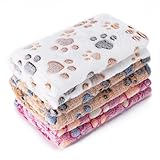
- 【Premium Quality Material】Our pet blanket is made of high-quality flannel fabric, providing a soft, lightweight, and gentle touch.Essential pet supplies!
- 【Three Sizes】The small/medium/large pet blankets contain 3 covers per pack. Small: 23" x16"(60*40cm) / Medium: 30"x20"(76*52cm) / Large: 41"x31" (104*76cm).
- 【Easy to Clean】100% machine washable & dryer safe. The blankets not only look elegant, it is also easy to clean and dry. It can be utilized as a cover or quilt for dogs, cats and other pets.
- 【Easy to Carry】The dog blankets are soft and lightweight. Our pet blanket is a suitable companion for outdoor activities. Keep your pets warm and cozy during sleeping in the outdoors. Excellent puppy essentials!
- 【Multipurpose Usage】Protect furniture from scratching and pet hair. Cute and lovely paw print design. No pilling, skin-friendly, perfect for the couch, sofa, bed and pet carrier.
- Confirm the exact species rather than accepting a mixed-bouquet label.
- Remove fallen leaves, petals, and stems before a dog can investigate them.
- Keep the vase, floral foam, soil, and decorative bulbs out of reach.
- Watch for chewing, because a plant’s classification does not make repeated ingestion a good idea.
If a bouquet contains several species, check every component. A single toxic stem can change the risk of an otherwise safer arrangement.
How do I evaluate a bouquet, potted plant, or garden bed?
Assess the whole exposure route, not just the visible bloom. A flower can be safe at one height and hazardous at another if your dog can pull it down, dig up a bulb, or pick up dropped material.
Recommended Free Tools
Cut bouquets
Ask the florist for the names of every stem and foliage filler. Mixed bouquets often contain several plant types, so one general bouquet name is insufficient. Keep the vase on a stable surface your dog cannot reach, and inspect the floor for petals, leaves, or broken stems after arranging it.
Potted plants
Check the plant, the soil surface, and the roots or bulb that may be exposed during watering or repotting. A raised shelf is useful only if your dog cannot knock the pot down. Secure the plant before your dog enters the room.
Outdoor beds and containers
Identify each species before planting. Consider digging, wind-blown pieces, and access to bulbs or roots. A fence or closed gate can reduce access, but it does not remove the need to verify a plant if a dog can enter during maintenance.
Gifts and unlabeled arrangements
Do not wait until a dog has chewed the arrangement to ask what it contains. Contact the giver or florist for the full plant list. Until every component is identified, keep the gift in a dog-inaccessible location.
Do these 3 things before closing this tab:
1Clear out junk files and repair common Windows errors2Scan for outdated or missing drivers - takes under a minute3Repair Windows errors before they cause bigger problemsAlso popular on Amazon

- SUPER ABSORBENT & LEAKPROOF - The dog pee pads uses thick absorbent material that locks in liquids upon contact and prevents leaks and mess. The design allows for approximately 20 uses and overnight use while still keeping your dog comfortable
- WASHABLE & REUSABLE - The pee pads can be reused infinitely. Machine wash and tumble dry. The pads will stay like-new without wear, tears, or loss of softness. package includes 2 pads for easy replacement after cleaning
- BEAUTIFUL PATTERNS & MULTIPLE SIZES - Our puppy training pads come in different sizes, colors, and patterns for various pets. They are eco-friendly and cost-effective compared to disposable pee pads
- ANTI-SLIP DESIGN - The dog pad has a non-slip silicone base, shaped like a dog paw, to keep it in place on floors or carpets. It ensures pet safety and protects your floors and furniture from scratches and dirt, keeping your home clean
- MULTI USE - These pads are perfect for potty training puppies or helping incontinent senior dogs. They can be used as liners under enclosures, crates, and dog beds, providing great protection for beds, sofas, furniture, wood floors, rugs, and car seats
What should I do if my dog ate a flower?
Call a veterinarian or poison-control service promptly after suspected ingestion. Do not wait for signs to appear: early advice allows the professional to judge the plant, part, amount, and timing while those details are still available.
- Stop further access. Move your dog away from the plant and collect remaining pieces without handling them in a way that destroys identification evidence.
- Save identification details. Keep the nursery label, bouquet card, purchase page, or clear photographs. Note the common and scientific names if shown.
- Estimate the exposure. Record which part may be missing, approximately how much, and when it could have been eaten. Do not guess a precise amount if you cannot know it; say that it is unknown.
- Call for case-specific instructions. Contact your veterinarian, ASPCA Animal Poison Control at (888) 426-4435, or Cornell’s listed Pet Poison Helpline at 855-764-7661.
- Follow the professional’s directions. Keep the plant and packaging available in case the clinician needs to verify the identity again.
Do not use the database result as a substitute for a clinical assessment after an actual exposure. A listing may not describe every plant part, amount, or individual circumstance, and ASPCA’s compilation is not all-inclusive.
Which signs mean I should treat the situation as urgent?
Any suspected ingestion of a plant known or suspected to be toxic warrants a prompt call. ASPCA veterinarian Tina Wismer identifies nausea, vomiting, diarrhea, and drooling as the most common outward signs of toxicity in pets. Cornell’s examples also describe potentially severe outcomes such as cardiac arrhythmias, seizures, and dangerous heart-rate changes for some plants.
If signs are already present, tell the veterinarian or poison-control professional exactly what you see and when it began. A dog that appears normal can still require advice because symptoms may not be immediate and the plant identity may determine the next step.
PC Slower Than It Used to Be?
A free scan shows the junk files, broken settings and background clutter dragging Windows down - then fixes them in one click.Free scan · Windows 10 & 11Outdated Drivers Are Slowing You Down
One free scan finds every outdated or missing driver and matches the right update for your exact hardware.Free scan · exact hardware matchHow can I prevent a repeat exposure?
Turn the first plant check into a household record. Save a photograph of the label, the confirmed scientific name, the database result, and the placement decision in a note shared with everyone who buys or cares for plants.
- Check replacement stems and seasonal decorations separately; a familiar arrangement can change its contents.
- Tell visitors not to leave bouquets, potted gifts, or fallen plant pieces where the dog can investigate them.
- Inspect shelves, tables, and outdoor beds after watering, pruning, or storms.
- Teach children that a plant is not a dog treat and that they should tell an adult if a pet chews one.
- Keep emergency numbers accessible, not only saved on one person’s phone.
For an unverified plant, the safest interim choice is exclusion: keep it behind a closed door or outside the dog’s access until its identity and risk have been confirmed.
Also popular on Amazon

- 【Reusable & Easy to Clean】Pet hair removal glove are washable and reusable, offering a sustainable alternative to wasteful sticky papers and lint rollers! Save money while reducing environmental impact. Cleaning is simple – just shake off debris or rinse under water for repeated use.
- 【Upgraded Glove Design & Larger Size】Featuring an improved grip and secure five-finger design that prevents slipping, our electrostatic pet hair remover is larger than most pet gloves (9.25" x 6.69"). It covers more surface area in less time.
- 【Effortless Cleaning with Static Electricity Technology】Harnessing electrostatic power, these pet hair removers effortlessly lift lint, pet hair, and dust with gentle left-to-right strokes. No more tedious rolling or struggling with stubborn debris!
- 【Practical & Comfortable】Crafted from breathable mesh fabric with a five-finger design, this glove ensure comfortable, effortless use. The expanded contact area enables efficient hair removal, while the soft material gently protects your skin during extended grooming or cleaning sessions.
- 【Suitable for Most Fabric Surfaces】 Whether used on clothing, beds, sofas, carpets, or more, this hair removal glove works on most fabric surfaces. No more tedious rolling or cleaning—simply slide your hand back and forth to witness the magic! Designed for various surfaces, it’s your go-to tool for all hair removal needs.
How should I decide between a risky flower and an alternative?
Use a simple priority order: verified identity first, then the toxicity classification, then the reachable part and likely access, followed by the documented severity of effects. If two flowers meet your decorative needs, choose the one with a confirmed, lower-risk profile and a placement that prevents chewing.
| Decision question | If the answer is clear | If the answer is uncertain |
|---|---|---|
| Do I have the exact species and scientific name? | Continue to the database check. | Ask the seller or a professional; do not rely on appearance. |
| Does ASPCA list the plant for dogs? | Follow the toxic or non-toxic guidance and read the notes. | Treat absence as unresolved because the compilation is not all-inclusive. |
| Can my dog reach a bulb, leaf, flower, or fallen piece? | Evaluate that specific part’s risk. | Move the plant out of reach or choose another. |
| Are the documented effects potentially severe? | Do not bring it into a dog-accessible area. | Seek veterinary or poison-control advice before purchase. |
| Is a verified alternative available? | Consider a rose, gerbera daisy, or orchid, while still preventing chewing. | Keep the plant isolated until identity and risk are established. |
What does the available exposure data actually tell dog owners?
The ASPCA Animal Poison Control Center received more than 31,500 calls about pets ingesting potentially toxic indoor and outdoor plants and flowers in 2021, according to reporting by The Associated Press in 2023. That figure covers pets and plant exposures generally; it is not a dog-only or flower-only incident rate. It supports taking plant identification seriously, but it cannot predict the risk from a particular bouquet or individual dog.
Frequently Asked Questions
How common are plant-poisoning calls for pets?
The ASPCA Animal Poison Control Center reported more than 31,500 calls involving pets and potentially toxic indoor or outdoor plants and flowers in 2021. The figure, reported by The Associated Press in 2023, includes all pets and plant exposures, so it does not provide a dog-specific rate.
What symptoms can a dog show after eating a toxic plant?
ASPCA veterinarian Tina Wismer identifies nausea, vomiting, diarrhea, and drooling as common outward signs of toxicity in pets. Some plant exposures can also lead to cardiac arrhythmias, seizures, or dangerous heart-rate changes, which is why a prompt call is warranted even before signs appear.
What information will a veterinarian or poison service need?
Have the plant label or a clear photograph, the common and scientific names if available, the part that may have been eaten, the approximate amount, and the possible time of exposure. If any detail is unknown, say so rather than estimating; the professional can advise you based on the uncertainty.
Is an unlisted flower safe if my dog has never reacted to plants before?
No. ASPCA describes its plant compilation as not all-inclusive, so a missing entry cannot establish safety. Keep the flower away from your dog and obtain an identification and risk assessment before allowing access.
Quick wins for a faster PC:
Fix the driver behind crashes, sound loss and screen glitchesFind Drivers →Clear out junk files and repair common Windows errorsFree Scan →Scan for outdated or missing drivers - takes under a minuteDriver Scan →Quick Recap
Product prices and availability are accurate as of the date/time indicated and are subject to change. Any price and availability information displayed on Amazon at the time of purchase will apply.





Leave a Reply