
Some links on this page are affiliate links: if you buy through them we may earn a commission, at no extra cost to you.
Choose the household first and the breed second. Write down your available time, housing, exercise access, tolerance for shedding and grooming, other pets, budget, and the kind of temperament you can manage. Then eliminate breeds whose adult size, activity, care or health profile conflicts with those limits. Use lifespan as a priority filter rather than a promise: broad guidance places large breeds around 8–12 years and giant breeds around 8–10 years, while recent studies find median survival near 9–10 years for giant dogs. The individual dog still matters most, so confirm temperament, medical history and parent health information with a veterinarian and a responsible breeder, shelter or rescue.
How do I define my household before choosing a large dog?
Start with constraints that cannot be negotiated. The American Veterinary Medical Association (AVMA) advises prospective owners to assess time, home type, exercise access, work schedule, other pets, future moves, desired traits and traits to avoid. Unfulfilled expectations are the primary reason dogs are surrendered, so an honest inventory is more useful than choosing a breed because it looks appealing.


As an Amazon Associate I earn from qualifying purchases.
Write down your daily schedule
- How many hours will the dog be alone on a normal weekday, and who covers unexpected overtime or travel?
- Who will provide walks, training, feeding, medication and grooming?
- Can the household maintain the routine during holidays, illness and extreme weather?
- Do you want a dog that settles quietly after exercise, or one that needs frequent activity and interaction?
Check physical and housing limits
- Measure doorways, corridors, crate space and vehicle access. A giant dog may fit a room but still be difficult to transport or turn around in tight areas.
- Read the lease, insurance policy or building rules for weight, breed, elevator and communal-area restrictions.
- Count stairs and consider what happens if the dog is injured, sedated or elderly and cannot climb them.
- Identify a safe toilet area and an exercise route that remains usable in heat, cold, rain and poor air quality.
List the people and animals affected
Record children’s ages, visitors, resident pets and anyone who is fearful, frail or allergic. Decide whether you need a dog comfortable with handling, crowds, noise, livestock, cats or other dogs. Also list traits you cannot safely manage, such as intense guarding, chase behavior, jumping or very high arousal.
Set a change-of-life test
Large dogs can live with you through a decade or more of changes. Consider a move, a new baby, a changed work pattern, reduced mobility or an aging resident pet. A breed that fits only your current weekend routine is a fragile choice.
Popular on Amazon
How much weight should lifespan have in my decision?
Longevity can narrow a shortlist, but it cannot identify a guaranteed winner. The AVMA notes that large-breed dogs tend to have shorter lifespans than smaller dogs. Broad American Kennel Club guidance places large breeds at roughly 8–12 years and giant breeds at roughly 8–10 years; these are population averages, not an expiration date for an individual.
Size is associated with lifespan, yet dogs of the same size still vary substantially. The 2026 Dog Aging Project analysed 41,047 dogs and reported median lifespans of about 13–14 years for toy and small dogs versus about 9–10 years for giant dogs. It also found meaningful variation within size classes and a modest longevity advantage for females. Health status, activity, behavior, environment and diet were associated with outcomes, so a breed average should never be presented as a personal forecast.
What’s actually slowing this PC down?
Pick the symptom - the matching free tool is one click away.
Use longevity as a filter in three steps:
- Set your acceptable range. Decide whether an expected giant-breed lifespan is compatible with your emotional and practical plans.
- Compare health burden, not just years. A longer-lived dog may still need expensive treatment, mobility support or daily medication.
- Evaluate the individual. Age, body condition, veterinary records, family health information and observed behavior can change the outlook more than a headline number.
What does recent health evidence say about giant dogs?
Giant size brings a measurable health burden, although it does not determine what will happen to every dog. A 2026 Royal Veterinary College VetCompass cohort followed 28,345 giant dogs from 29 breeds. In 2019, 73.8% had at least one disorder recorded in their clinical record. Dermatological, musculoskeletal and aural disorders were the most common grouped categories, and the cohort’s median age at death was 8.94 years.
That study describes a large clinical population; it does not mean that 73.8% of every giant breed or every individual dog will develop a serious illness. The 8.94-year figure is a median age at death for that cohort, while the Dog Aging Project’s 9–10-year figure is a median lifespan estimate for giant dogs in a different dataset. Differences in populations, definitions and follow-up make these numbers useful for planning, not for ranking one breed as universally healthiest.
Turn health evidence into questions
- Which conditions are reported in this breed, and at what ages do they commonly appear?
- What screening or examination records are available for both parents, and can a veterinarian interpret them?
- What symptoms should trigger an urgent call, and which emergency clinic can provide large-dog care?
- Can you afford diagnostics, surgery, rehabilitation, medication and mobility equipment if they become necessary?
Which factors should I compare on a large-breed shortlist?
Use the same criteria for every candidate. A written comparison prevents a striking appearance or a single attractive trait from hiding a serious mismatch.
| Comparison factor | What to record | Why it matters |
|---|---|---|
| Adult size and footprint | Expected adult weight and height, crate dimensions, turning space and vehicle access | Determines housing, transport, equipment and handling demands |
| Lifespan and uncertainty | Published range, median data where available, and variation within the breed or size class | Supports realistic long-term planning without promising a precise age |
| Exercise | Daily duration, intensity, off-leash needs, weather tolerance and age restrictions | Prevents under-exercise, injury and unsafe routines |
| Mental stimulation | Training time, problem-solving activities, social contact and tolerance for being alone | Reduces boredom-related behavior |
| Coat and grooming | Shedding, brushing, bathing, trimming, ear care and professional-grooming frequency | Sets the recurring time, cleaning and equipment workload |
| Temperament | Sociability, arousal, guarding, prey drive, handling tolerance and visitor behavior | Determines safety and compatibility with people and animals |
| Health profile | Breed-associated disorders, screening information and likely veterinary needs | Guides prevention, insurance decisions and emergency planning |
| Household fit | Lease rules, stairs, outdoor access, vehicle, climate and future moves | A dog can fail a practical requirement even when its personality is appealing |
| Acquisition age | Puppy supervision and socialization versus an adult’s established habits | Matches the dog’s transition needs to your available time |
| Lifetime budget | Food, equipment, grooming, training, routine and emergency veterinary care, boarding, licensing, identification, sterilization and insurance | Prevents purchase price from becoming the only financial test |
How much exercise does a large dog need?
Exercise needs are breed-, age- and individual-specific. Adult size alone cannot tell you whether a dog needs a long run, several brisk walks, structured play or mostly low-impact activity. Ask for an ordinary weekday plan, not an ideal holiday schedule, and include mental work such as scent games, obedience practice and calm social exposure.
Do these 3 things before closing this tab:
1Repair Windows errors before they cause bigger problems2Scan for outdated or missing drivers - takes under a minute3Clear out junk files and repair common Windows errorsAlso popular on Amazon
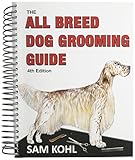
- It is a user-friendly all breed grooming guide 4th edition by Sam kohl
- It features in-depth explanations on how to groom 193 breeds recognized by the AKC
- This one-of-a-kind guide has been a longtime favorite of grooming schools nationwide
Use age-appropriate activity
Growing large and giant dogs need gradual conditioning while bones and joints mature. The American Kennel Club’s Great Dane profile, for example, says two or three brisk walks can be sufficient for many adults, advises waiting until about age two before jogging or hiking, and warns against rigorous exercise around meals because of bloat risk. Those instructions are specific to that profile and should not be copied automatically to another breed.
Build a weather and recovery plan
- Have indoor enrichment for heat, storms, ice, smoke or unsafe footing.
- Increase activity gradually and watch for persistent stiffness, limping, reluctance to rise or unusual fatigue.
- Provide rest after demanding activity and ask your veterinarian how to condition an overweight, young or previously inactive dog.
- Learn the signs of gastric dilatation-volvulus and the emergency plan recommended for your dog; do not treat exercise or meal timing as a substitute for veterinary advice.
Can a large or giant dog live comfortably in an apartment?
Yes, sometimes. A large dog can adapt to an apartment when its exercise, training, rest and toileting needs are met, while a smaller but highly active dog may be harder to manage. The deciding factors are usable floor space, predictable outdoor access, noise tolerance, elevator or stair arrangements, building rules and the dog’s ability to settle indoors.
Apartment checks before adoption or purchase
- Walk the route from the sleeping area to the exit and identify pinch points, slippery floors and elevator delays.
- Confirm that the building permits the dog’s adult weight and any applicable breed or insurance requirements.
- Plan several daily outings plus indoor training and enrichment; a balcony is not an exercise area.
- Ask how the dog responds to hallway noises, delivery workers, neighbors and confined elevators.
- Arrange a backup walker, sitter or boarding option for workdays, illness and travel.
For an adult dog, observe whether it can relax after a walk. For a puppy, assume months of toilet trips, chewing management and stair or elevator training before apartment life feels easy.
How do grooming and shedding affect the choice?
Coat care is a recurring household commitment, not a cosmetic detail. Compare daily or weekly brushing, seasonal shedding, bathing, nail care, ear checks, drying time and access to a groomer who can safely handle the dog’s size. Heavy shedding adds cleaning and may conflict with allergies; a low-shedding coat may require more frequent professional trimming.
Free tools Windows power users keep installed
One-click scans. No signup required.
Ask who will perform each task and what happens if the dog dislikes restraint. Start cooperative handling early, use non-slip surfaces and have a veterinarian address painful skin, ears or joints that make grooming difficult. Budget for larger quantities of shampoo, towels, dryers, brushes and replacement bedding where appropriate.
How should I judge temperament and compatibility?
Breed tendencies are useful for forming questions, but an individual dog’s behavior must be observed. Look for calm recovery after a surprise, willingness to accept gentle handling, ability to disengage from excitement and safe responses to people and animals relevant to your home.
Also popular on Amazon
Observe behavior in realistic situations
- Watch the dog enter a room, meet unfamiliar adults and pass other dogs at a sensible distance.
- Ask how it responds to food, toys, resting places, grooming, nail handling and being moved.
- For a home with children, use controlled, supervised interactions; never rely on a breed label as a child-safety guarantee.
- For resident pets, arrange gradual introductions and obtain an honest history of chasing, guarding or rough play.
A shelter or rescue may have limited history, while a breeder may provide more information about relatives and early development. Neither setting eliminates uncertainty. A veterinarian or qualified behavior professional can help interpret concerning signals before you commit.
What health information should I request?
Ask for records rather than assurances. Request the dog’s examination history, vaccination and parasite-control records, medications, prior injuries, surgeries, current diet and any observed behavior changes. For a puppy, ask for available health information on both parents and relatives, what screening was performed, and what follow-up your veterinarian should complete.
Have your own veterinarian review the records and examine the dog within the return or adoption period. Confirm microchip or other identification details, transfer paperwork, sterilization status or plan, and emergency contact information. A responsible source should answer questions directly, disclose known problems and allow you to consider the fit without pressure.
Should I choose a puppy or adopt an adult large dog?
Choose the age that matches your time, experience and tolerance for uncertainty. Puppies offer a chance to shape routines but require intensive supervision, socialization, toilet training, bite inhibition, safe exercise and repeated veterinary care. Adults may arrive with established habits and a clearer temperament, yet they can also need decompression, behavior work or treatment for conditions that are not immediately visible.
| Consideration | Puppy | Adult |
|---|---|---|
| Daily supervision | Frequent toilet trips, confinement management and prevention of chewing or unsafe activity | Usually less constant supervision, but adjustment time varies |
| Behavior predictability | Temperament is developing; adult size and energy are still ahead | Current habits, activity level and handling response can be observed |
| Exercise | Short, controlled activity while growth continues | Routine can be tailored to established fitness and medical needs |
| Training | Long foundation period requiring consistency from everyone | May know useful cues, or may need retraining for unwanted habits |
| Health information | Parent information is important, but future health remains uncertain | Existing veterinary records may reveal strengths and problems |
| Transition support | Plan socialization and positive exposure during development | Plan decompression, predictable routines and gradual introductions |
Do not assume that an adult dog is automatically easy or that a puppy is automatically healthier. Match the dog’s known needs to the household’s actual capacity.
How do I budget for the entire life of a large dog?
The purchase or adoption fee is only the entry cost. AVMA’s planning guidance includes food, housing, grooming, training, routine and emergency veterinary care, boarding, licensing, identification, sterilization and accessories. It also identifies pet insurance as a possible aid for unexpected illness or injury; policies differ in eligibility, exclusions, waiting periods, reimbursement and regional availability.
Crashes, No Sound, or Screen Glitches?
Random freezes, missing sound and display glitches usually trace back to one bad driver. Find and replace yours safely.Free scan · under a minutePC Slower Than It Used to Be?
A free scan shows the junk files, broken settings and background clutter dragging Windows down - then fixes them in one click.Free scan · Windows 10 & 11Also popular on Amazon
Build a written budget
- Recurring care: food, parasite prevention, routine examinations, vaccinations, grooming, training refreshers and replacement bedding or equipment.
- Size-related equipment: crate, harness, collar, leash, vehicle restraint, gates, raised or washable bedding and safe transport options.
- Contingency: emergency consultation, imaging, surgery, hospitalization, rehabilitation, medication and mobility support.
- Absence care: dog walking, boarding, daycare or a trusted sitter when work or travel interrupts the routine.
- End-of-life planning: discuss likely senior-care needs and options with your veterinarian before a crisis.
Ask providers for current regional fees and coverage terms rather than relying on a generic internet estimate. The key test is whether the household can fund ordinary care and respond quickly to an unexpected problem.
Independent reader supportYour contribution helps us test, update, and keep practical guides available for everyone.What is the safest order for comparing breeds?
Follow a sequence that removes mismatches early and reserves the final decision for the individual dog.
- Write household constraints. Include schedule, home, outdoor access, climate, other pets, children, allergies, budget and likely future changes.
- Set a lifespan priority. Decide what range is acceptable and acknowledge that more years do not guarantee low medical costs.
- Remove conflicts. Eliminate candidates whose adult size, exercise, grooming, temperament, housing or health profile cannot fit.
- Compare the survivors. Use official breed information and veterinary advice across every axis in the comparison table.
- Evaluate the individual. Observe temperament, handling response, health records and parent information where applicable.
- Prepare before commitment. Arrange a veterinarian, emergency clinic, training plan, equipment, identification, insurance decision and absence care.
What common mistakes lead to a poor match?
Choosing by appearance or reputation
A familiar look or slogan cannot tell you whether the dog can tolerate your schedule, stairs, climate or resident animals. Require evidence about the individual and a realistic daily routine.
Assuming a large yard solves exercise needs
Outdoor space does not replace walks, training, social contact or supervision. A dog may ignore a yard or use it only for brief activity.
Using a lifespan number as a guarantee
Published averages describe populations. Within-size variation and health differences mean that veterinary care, genetics, environment and chance still influence an individual outcome.
Underestimating handling and transport
A dog that cannot be safely lifted, restrained, groomed or transported during illness creates a crisis. Test equipment, doorways, vehicle access and backup plans before acquisition.
Also popular on Amazon
Skipping a behavior plan
Large-dog strength magnifies jumping, pulling, guarding and chase behavior. Begin reward-based training immediately and obtain professional help when safety or welfare is at stake.
How do I make the final decision?
Give each shortlisted dog a written pass, revise or reject decision for every non-negotiable requirement. A candidate should pass adult size and housing, daily care, temperament, health-information and budget checks before appearance or availability enters the discussion.
The Tool Desk
Outbyte Driver Updater FREEFix the driver behind crashes, sound loss and screen glitchesFind Drivers →Outbyte PC Repair FREEClear out junk files and repair common Windows errorsFree Scan →Then arrange a veterinary review and, when possible, more than one observation in ordinary conditions. Ask the source to describe both strengths and difficult behaviors. If the answers are vague, records are withheld or the household cannot cover foreseeable care, pause rather than hoping the mismatch will disappear.
The practical answer is not one universally best large breed. It is the dog whose adult needs, behavior, health information and expected care fit the household for the whole of its life, including the years when exercise, mobility and veterinary support change.
Frequently Asked Questions
How can I prepare my home before a large dog arrives?
Use nonslip runners on smooth floors, secure barriers at stairs, and remove objects that could be swallowed or knocked over. Assemble the correctly sized crate or rest area, vehicle restraint, identification, food and waste supplies before the dog arrives. Ask your veterinarian which household toxins and plants are especially important to remove.
How should I introduce a large adult dog to a resident cat or small dog?
Start with separate areas and scent exchange, then use parallel walks or barrier-based visual contact before allowing brief, supervised proximity. Keep escape routes and elevated safe zones for smaller animals, and prevent chasing from ever becoming a game. A qualified behavior professional can design the progression when prey drive, guarding or fear is present.
Recommended Free Tools
What should I do if a giant dog suddenly seems weak or bloated?
Sudden abdominal enlargement, repeated unproductive retching, collapse, pale gums or severe restlessness can indicate a life-threatening emergency. Call an emergency veterinary clinic while arranging immediate transport; do not wait to see whether the signs pass or attempt home treatment.
Is pet insurance useful for an older large dog?
Eligibility, exclusions and premiums vary by age, region and medical history. Ask several providers whether pre-existing conditions, hereditary disorders, rehabilitation and prescription medication are covered, and confirm reimbursement limits and waiting periods before enrolling.





Leave a Reply