
Free tools Windows power users keep installed
One-click scans. No signup required.
Some links on this page are affiliate links: if you buy through them we may earn a commission, at no extra cost to you.
Choose flowers by their exact common and scientific names, verify each plant on the ASPCA dog-specific list before buying, and design beds your dog cannot freely enter. Roses, sunflowers, zinnias, Gerber daisies, snapdragons, orchids, asters, statice, freesia and wax flower are useful starting points because the ASPCA lists them as non-toxic to dogs. “Non-toxic” is not a license to let a dog graze: ASPCA notes that any plant can cause mild stomach upset, and its database is not a complete catalog. Safe gardening therefore combines plant identification, access control, careful maintenance and a response plan for accidental chewing.
What does dog-safe mean in a flower garden?
A dog-safe flower is a plant that a reliable veterinary-poison reference lists as non-toxic to dogs when the exact plant identity matches. It does not mean the plant is edible, harmless in unlimited quantities or free of every physical hazard. A dog can still vomit after eating a non-toxic plant, choke on a large piece, be injured by thorns or ingest fertilizer and pesticide residues around it.
As an Amazon Associate I earn from qualifying purchases.
Quick wins for a faster PC:
Fix the driver behind crashes, sound loss and screen glitchesFind Drivers →Repair Windows errors before they cause bigger problemsFix Now →The ASPCA says, “Any plant can cause mild stomach upset when ingested by pets.” Its database focuses on frequently encountered plants and is not all-inclusive. Treat an absent listing as a reason to investigate further, not as proof that a flower is safe.
Why exact identity matters
Common names are unreliable. “Daisy,” “lily,” “crocus” and “jasmine” can describe several unrelated species with different toxicity profiles. Nursery labels may also omit a cultivar name, use a trade name or group several species under one display label. Record the botanical name printed on the tag and check that name against a dog-specific reference before planting.
Popular on Amazon

- 15 Sunflower Varieties: These seeds grow 15 vibrant colors, including lemon yellow, orange-red gradient, and chocolate brown and more rare colors. A little tip: Sunflower seeds are better suited for planting in open fields
- Easy-Growing Sunflower Seeds: Groundio mixed sunflower seeds are grown in the US! Just 6+ hours of sun a day and they’ll thrive. Super drought-resistant, so even hot summers won’t stop them. Great for yards, balconies, or small pots
- High Germination: Each ounce of these mixed sunflowers are about 300+ seeds, they are super easy to plant—they’re one of the simplest flowers to grow! Tested germination rates stay between 95-99%. These sunflowers grow 3-6 feet tall, and with plenty of sunlight, you’ll get a colorful rainbow sunflower field
- Ornamental & Edible: More than just beautiful, Mature flower heads yield plump edible sunflower seeds, ideal for roasting or pressing into flavorful oil
- Premium Seeds and Packaging: Groundio guarantees top-quality seeds and service. Each pack uses reusable moisture-proof aluminum foil packaging, with a detailed planting guide on the back covering sowing time, spacing, fertilization tips, and other information
Non-toxic does not mean dog-proof
- A dog that eats a large amount may develop vomiting, diarrhea, drooling or abdominal discomfort even from a listed non-toxic plant.
- Thorns, stiff stems, sharp stakes and fallen branches can injure a mouth or paw.
- Bulbs, seed treatments, compost, slug pellets, fertilizer and sprayed foliage may be more dangerous than the flower itself.
- Repeated grazing can damage the bed and make it harder to notice when a truly toxic plant has been chewed.
Which flowers are good starting choices for a dog-friendly garden?
The ASPCA’s current expert guidance identifies the following flowers as non-toxic to dogs. Use this as a shortlist, then confirm the exact species or cultivar and its growing requirements at the nursery.
| Flower sold to gardeners | Botanical identity to verify | Planning notes |
|---|---|---|
| Rose | Rosa species and hybrids | The plant is listed as non-toxic, but thorns create a physical hazard. Choose thornless or low-thorn types for beds near running paths and remove prunings promptly. |
| Sunflower | Helianthus species | ASPCA lists sunflower as non-toxic. Heavy seed heads can fall and attract wildlife; collect fallen material if your dog scavenges. |
| Zinnia | Zinnia species | A listed non-toxic annual. Confirm the packet or transplant label identifies the intended species and has no pesticide-treatment warning that conflicts with your use. |
| Gerber daisy | Gerbera species, commonly Gerbera jamesonii | Listed as non-toxic. Keep potting media, systemic treatments and plant-food products out of reach. |
| Snapdragon | Antirrhinum species, commonly Antirrhinum majus | Listed as non-toxic. Tall stems may need supports; place stakes where a running dog cannot collide with them. |
| Orchid | The exact orchid genus and species on the label | “Orchid” covers many plants. Confirm the precise identity rather than relying on the common name alone. |
| Aster | The exact Aster-group species on the label | Different plants are sold under similar daisy-like names, so retain the botanical label for later verification. |
| Statice | Limonium species | Listed as non-toxic. Dried flower heads can become tempting chewable debris; remove them if your dog mouths them. |
| Freesia | Freesia species or hybrid named by the seller | Verify the identity and keep any untreated or treated corms and bulbs inaccessible during planting. |
| Wax flower | The exact wax-flower species, often a Chamelaucium species | Confirm the scientific name because common names vary between sellers and regions. |
These flowers are starting points, not a blanket approval for every plant sold under the same common name. Before purchasing, photograph the label or save the listing so you can identify the plant if your dog chews it later.
How do I verify a flower before buying it?
Use a repeatable identity check instead of relying on memory or a “pet-safe” shelf sign. The following process works for annuals, perennials, bulbs, cut-flower plants and container specimens.
- Copy the full label. Write down the common name, scientific name, cultivar and any plant part described as a bulb, corm, tuber or rhizome.
- Search a dog-specific toxicity list. Check the ASPCA dog list for the exact scientific identity. A match at genus level may not be enough when the seller has not identified the species.
- Resolve missing or conflicting entries. If the plant is absent, sold under a synonym or appears under several names, ask the nursery for a confirmed botanical name and consult a veterinarian or veterinary poison service before planting.
- Check the whole product, not just the blossom. Find out whether the risk differs for roots, bulbs, seeds, sap, leaves or berries. Ask whether seeds or starts were treated with a pesticide or fungicide.
- Save evidence. Keep the tag, packet, receipt and a photograph of the mature plant. This information can speed treatment if ingestion occurs.
- Assess the garden setting. Confirm the flower suits your climate, sunlight, mature height and watering plan without requiring chemicals your dog could reach.
What if the nursery gives only a common name?
Do not guess from a photograph. Ask the seller for the Latin name and cultivar, or choose a different plant with an identity you can verify. A missing scientific name is a purchase-confidence problem even when the common name sounds familiar.
Also popular on Amazon

- 40 SUNFLOWER SEEDS FOR ABUNDANT BLOOMS: Each pack contains 40 premium autumn beauty sunflower seeds that produce vibrant, multi-colored flowers. Perfect for creating stunning garden displays or sharing with fellow gardeners, these seeds ensure a long-lasting and colorful flower season.
- FAST GERMINATION AND RAPID GROWTH: These sunflower seeds for planting sprout in 7-14 days under optimal conditions and grow 1-2 feet per month, reaching heights of 5-8 feet. Plant at 70-75°F for quick results and enjoy mature blooms in just 60-80 days.
- STUNNING MULTI-COLOR BLOOMS FOR IMPACT: These flower seeds create striking sunflowers with shades of yellow, red, and orange. Blooms measure 4-6 inches in diameter and last from mid-summer to fall, adding long-lasting ornamental beauty to your garden.
- ATTRACTS POLLINATORS AND WILDLIFE: These non-GMO sunflower seeds draw bees, butterflies, and birds, enhancing garden biodiversity while supporting local ecosystems. Perfect for gardeners looking to create a thriving, wildlife-friendly space.
- HEAT, DROUGHT, AND PEST RESISTANCE: These hardy sunflower seeds to plant thrive in hot, dry climates with minimal care. They are disease-resistant and tolerant of pests, ensuring reliable blooms even in challenging weather conditions.
Which flowers and bulbs should dogs not be able to reach?
Keep the following examples out of dog-accessible beds unless a veterinary professional has assessed your specific situation. They appear on the ASPCA dog list as toxic or potentially hazardous.
| Plant | Why it needs exclusion | Special handling point |
|---|---|---|
| Oleander (Nerium oleander) | Can cause serious poisoning affecting the digestive system and heart. | Do not leave prunings or fallen leaves where a dog can chew them. |
| Autumn crocus (Colchicum autumnale) | A high-risk plant with potentially severe systemic effects. | Keep bulbs, foliage and flowers away from dogs during every season. |
| Azalea and rhododendron (Rhododendron species) | Can produce gastrointestinal, neurologic and cardiovascular signs. | Verify the exact shrub before adding any plant sold as an azalea or rhododendron. |
| Daffodil (Narcissus species) | Can cause stomach upset and other toxic effects. | The bulb is a particular concern; store and plant bulbs where dogs cannot dig them up. |
| Foxglove (Digitalis species) | Contains compounds that can disrupt heart function. | Remove dropped leaves and spent stalks from dog routes. |
| Larkspur (Delphinium species) | Can cause neurologic and muscular signs. | Do not assume a blue or purple “cottage-garden” flower is harmless without its label. |
| Lantana (Lantana species) | Can cause poisoning, including digestive and liver-related problems. | Prevent access to leaves, flowers and berries. |
| Tulip (Tulipa species) | All parts can be problematic; the bulb is especially concentrated. | An Associated Press report citing ASPCA guidance says tulip bulbs can cause intense stomach upset, low blood pressure, convulsions and cardiac abnormalities. |
Plant names and risk can vary by species, so use this list as a warning screen rather than an exhaustive catalog. If a plant is not listed here, verify it before purchase.
How should I design flower beds so my dog stays out?
Design for the way your dog actually moves. A curious puppy, a digger and a fast-running adult dog need different barriers, but all benefit from a clear route that does not pass through fragile beds.
Block direct entry
- Use raised beds or sturdy short fencing around plants your dog investigates.
- Place dense plantings rather than leaving broad bare corridors that invite running and digging.
- Close gaps under gates and between containers; small dogs can use openings that appear secure to a larger dog.
- Keep thorny plants away from narrow paths, doorways and favorite sniffing spots.
Provide an approved activity zone
A designated play or digging area gives the dog an alternative to freshly turned soil. Reinforce the approved zone with toys, shade and regular interaction, then redirect calmly when the dog enters a planted bed. Physical barriers are still needed for toxic plants; training alone is not a reliable poison-prevention system.
Also popular on Amazon

- The Best Value - Organo Republic Sunflower Mix Seeds Pack contains 8 oz or 10,300 of Non-GMO heirloom sunflower seeds. Sunflower (Helianthus annuus) is known for its vibrant blooms and nutritious seeds, making it a favorite for adding beauty to gardens and providing a natural food source for birds and pollinators.
- Innovative Sunflower Seeds Package - Organo Republic flower seeds come in a waterproof resealable seed bag protects sunflower seeds from sunlight and moisture, allowing secure storage for successful planting now or later, ensuring freshness and high germination rates. The package features QR codes to online growing guide, making it easy for gardeners of all levels to grow sunflower flowers. We prioritize sustainability to ensure environmental safety.
- High Germination Rate - Grow beautiful sunflower flowers effortlessly, whether in indoor trays or your backyard garden. Our premium seeds boast a superior germination rate, rigorously tested to ensure successful growth year-round. Perfect for creating vibrant blooms in your own garden, these top-quality seeds are also a thoughtful gift for gardening enthusiasts.
- Easy to grow - Perfect for beginners and experienced gardeners, our sunflower seed package includes detailed tips for success in any climate or soil type. Simply scan the QR codes on the seed packet to access an online growing guide and learn how to plant and care for sunflowers like a professional gardener.
- US Sourced Premium Sunflower Seeds - We are sourcing our seeds only from the most trusted and sustainable domestic seed suppliers and farmers. We proudly test and package them in our Florida Boutique Family-Owned Facility to provide you with the best quality. Our sunflower seeds for planting flowers undergo rigorous testing with a 90%+ germination rate. Sealed to last for up to 2 years, you can trust the freshness and viability of our flower seeds.
Control chemicals and re-entry time
Store fertilizer, herbicide, insecticide, slug bait, compost additives and treated seeds in a locked or inaccessible place. Follow every product label’s drying and re-entry instructions. Do not let a dog lick wet foliage, walk through treated soil or drink from a container that held a garden chemical.
Manage fallen material
Inspect beds after wind, pruning and heavy rain. Pick up bulbs, leaves, berries, thorns, snapped stems and seed heads before your dog can investigate them. Put plant waste in a secured bin rather than an open pile.
Recommended Free Tools
How can I compare several non-toxic flowers?
Once a plant passes the identity check, compare it on more than toxicity. A flower that is technically non-toxic may be a poor choice beside a gate if it has thorns, sheds tempting seed heads or requires frequent spraying.
| Decision factor | Questions to ask | What a stronger choice looks like |
|---|---|---|
| Toxicity evidence | Does the exact scientific name match a dog-specific listing? | A clearly labeled plant with a documented match and no unresolved synonym. |
| Access control | Can the bed be raised, fenced or placed outside the dog’s route? | The plant can be protected without creating a new escape or collision point. |
| Physical hazards | Does it have thorns, sharp supports, bulbs, irritating sap or heavy fallen parts? | Potentially injurious parts are absent, contained or easy to remove. |
| Garden fit | Will sunlight, climate, mature size and watering suit the site? | The plant thrives under ordinary care rather than repeated chemical intervention. |
| Purchase confidence | Is the cultivar identified, and are treatment instructions clear? | The nursery provides a readable label and explains any seed or plant treatment. |
What is a practical planting and maintenance routine?
Use a routine that keeps identification and access control intact from purchase through seasonal cleanup.
Also popular on Amazon
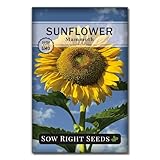
- Beautiful - Large premium packet of Mammoth Sunflower (Helianthus var. ‘Mammoth’) seeds. These blooms grow up to 12 feet tall, creating cheerful summer displays for your outdoor space. These fast-growing flowers are easy to plant and care for - your family will enjoy watching these giants grow from seed to bloom! The seeds are open pollinated and can be saved to plant each year. You can also harvest and roast your own sunflower seeds! Minimum of 8g per packet (approximately 70 to 80 seeds).
- Productive - Mammoth Sunflower germinates in 7-14 days when soil temps are 70-75°F. Plant 1” deep and space 3’ apart in an area with full sunlight. This variety will grow 8-12’ tall with a spread of 2-3’. Flowers will mature in 80-90 days, plant in USDA zones 3-13.
- Pollinator and Bird Friendly - Bees love the nectar in sunflowers and will travel around helping pollinate your garden. Towards the end of the season, birds also love to come and eat the dried seeds. Great way to support local pollinators!
- Easy to Grow - Instructions included on each packet. Plus, we are available to answer all your questions. If these seeds don’t germinate, we will happily make it right for you.
- Safe and Sustainable - Our operation is fully solar powered, and Sow Right Seeds has taken the Safe Seed Pledge to sell only fresh Non-GMO heirloom seeds for you and your family.
- Map dog traffic. Mark gates, running lanes, digging spots, water bowls and resting areas before choosing bed locations.
- Choose a verified shortlist. Start with the ASPCA-listed flowers above, then eliminate plants that cannot be protected at your site.
- Install barriers first. Set posts, edging or raised-bed frames before planting so you are not trying to protect established roots later.
- Plant with spacing for inspection. Leave enough room to see the soil, remove fallen parts and check for chewing without stepping into the bed.
- Label every bed. Keep the scientific names on weather-resistant tags and store a matching photo indoors.
- Use the least hazardous maintenance method. Hand-pull weeds where practical, remove damaged material and choose products only after checking pet precautions.
- Inspect after each garden task. Account for pruned branches, loose bulbs, spilled granules, open bags and wet spray residue before releasing the dog.
What symptoms mean my dog may have eaten a flower?
The ASPCA’s Dr. Tina Wismer says, “The most common outward signs of any toxicity in pets will be nausea, vomiting, diarrhea and drooling.” Other concerning signs include lethargy, depression and seizures. Signs may be delayed, and a dog can appear normal shortly after eating a plant.
What to do immediately
- Remove access. Move the dog away from the bed and secure other pets.
- Identify the plant. Take the label, a clear photograph and a sample in a sealed bag if doing so is safe. Note which part was eaten and an approximate amount and time.
- Call for professional advice. Contact your veterinarian or ASPCA Poison Control at (888) 426-4435. Do not wait for severe signs before asking what to do.
- Follow the instructions you receive. Do not induce vomiting, give milk, oil or human medication, or offer charcoal unless a veterinary professional specifically directs you.
- Escalate emergencies. Seizures, collapse, breathing difficulty, repeated vomiting, profound weakness or suspected ingestion of a high-risk bulb require immediate veterinary attention.
Why the plant label matters to the clinician
Different species that look alike can require different monitoring. The scientific name, plant part, amount and time of exposure help a veterinarian or poison specialist decide whether home observation is appropriate or whether examination and treatment are needed.
Do these 3 things before closing this tab:
1Scan for outdated or missing drivers - takes under a minute2Clear out junk files and repair common Windows errors3Fix the driver behind crashes, sound loss and screen glitchesWhat mistakes make a supposedly dog-friendly garden unsafe?
- Relying on a common name: A “daisy” or “crocus” label may conceal a different species.
- Assuming the ASPCA list is complete: An unlisted plant still needs identification and professional verification.
- Ignoring bulbs and roots: Dogs that dig may reach the most concentrated plant part.
- Leaving prunings in place: Fallen leaves and stems can be more accessible than flowers on the plant.
- Using “natural” products casually: Organic or botanical pesticides can still harm pets.
- Removing barriers after planting: A mature dog may learn the route to a bed even if a puppy initially ignored it.
- Waiting for symptoms: Early professional advice is safer than observing a dog after a potentially toxic ingestion.
How common are plant-poisoning concerns?
Plant exposure is common enough to justify a written plan. Dr. Tina Wismer reported more than 31,500 calls about potentially toxic indoor and outdoor plants and flowers to the ASPCA Animal Poison Control Center in 2021. That figure covers reported calls, not every exposure, and does not predict the risk from any particular flower in your garden.
Can I use cut flowers or bouquets in a home with dogs?
Only after identifying every stem and removing access to vase water, floral food and fallen petals. A bouquet may combine several species, and a florist’s common name may not identify the exact cultivar. Keep arrangements on a stable, elevated surface and discard dropped material promptly.
Also popular on Amazon
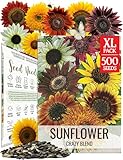
- Flowers: Crazy Sunflower Blend includes 15+ varieties and several colors & bloom sizes, from red, orange, yellow and several bi-colors.
- Butterfly Garden: Sunflowers are a wonderful flower to grow for attracting pollinators to a butterfly garden. Bees, butterflies, ladybugs and more.
- Easy to Grow: Sunflowers are one of the easiest flowers to grow from seed. Sow the seed in a sunny area, water daily and watch them grow!
- Annual Flowers: Sunflowers are annuals, which means they will grow quickly from seed, flower through the Summer and later wilt with the first frost.
- Quality: All Sunflower seeds packaged by Seed Needs are intended for the current and the following growing seasons. All seeds are stored in a temperature controlled facility that is free of significant amounts of moisture.
How should I adapt the garden for puppies or persistent chewers?
Use physical separation rather than relying on training while the dog is young or highly motivated to chew. Raised beds, closed gates and a separate digging area reduce opportunities during the months when supervision is inconsistent. Reassess the layout as the dog grows; a barrier that contains a small puppy may not contain an adult.
Frequently Asked Questions
Are flower seeds safer than the mature plant?
Not necessarily. Seeds may contain different concentrations of plant compounds, and treated seed can carry a separate chemical risk. Keep packets and loose seed away from dogs and verify the plant identity before sowing.
The Tool Desk
Outbyte Driver Updater FREEFix the driver behind crashes, sound loss and screen glitchesFind Drivers →Outbyte PC Repair FREERepair Windows errors before they cause bigger problemsFix Now →Can my dog eat grass or flowers if it has never become ill before?
A previous uneventful exposure does not establish safety for another plant, a larger amount or a different plant part. Dogs can also develop irritation or poisoning without immediate visible signs, so prevent grazing and seek advice after a suspected ingestion.
Should I remove a flower if my dog only sniffs it?
Sniffing alone is usually not an ingestion event, but close inspection can dislodge petals, leaves or berries. Keep high-risk plants behind a barrier and remove loose material so a later chew does not become the first exposure.
What information should I keep near the garden?
Keep a current plant list with scientific names, cultivar labels, planting dates and any treatment products used. Add your veterinarian’s number and the ASPCA Poison Control number, (888) 426-4435, so you can provide precise information quickly.
Do pet-safe labels on nursery plants replace a toxicity check?
No. Marketing labels may refer to a particular product, growing method or local policy rather than a complete veterinary assessment. Confirm the exact identity with a dog-specific poison reference and retain the nursery label.





Leave a Reply