
Some links on this page are affiliate links: if you buy through them we may earn a commission, at no extra cost to you.
Move every pet and child out of the spill area, close the room, and keep the original medication container. Put on waterproof disposable gloves, blot up the product without rubbing, seal contaminated waste, and clean the surface exactly as the label directs. If medication touched a pet, stop licking or grooming, blot the fur or paws, and obtain veterinary advice promptly. Wash exposed fur with lukewarm water and mild skin soap for at least 2–3 minutes, keeping product out of the eyes; flush irritated eyes with lukewarm water for 10–15 minutes. Any possible ingestion, swallowed patch, exposure to prescription fluorouracil, or contact with a high-risk medicine warrants an immediate call to a veterinarian or animal poison-control center.
How do I clean up a topical medication spill with pets in the house?
Use this order: isolate pets, identify the medicine, protect yourself, collect the visible spill, clean according to the label, then decide whether veterinary help is needed. A pet can be poisoned by licking a floor, grooming contaminated fur, biting a tube, swallowing a patch, or licking residue from a person’s skin or clothing.
As an Amazon Associate I earn from qualifying purchases.
Crashes, No Sound, or Screen Glitches?
Random freezes, missing sound and display glitches usually trace back to one bad driver. Find and replace yours safely.Free scan · under a minuteWindows Errors? Fix Them Before They Spread
Repair common Windows errors and clear accumulated junk for a smoother, more stable PC - no reinstall needed.Free scan · no reinstall- Isolate the area. Take pets and children out of the room and shut the door or use a barrier. The U.S. Environmental Protection Agency’s instruction is: “In the event of a spill, be sure to keep animals out of the area until it is cleaned up.” Do not allow a pet back until the surface is clean and dry.
- Keep the package. Set aside the tube, bottle, patch package, or pharmacy label. Read the active ingredient, concentration, route of use, and first-aid and disposal directions. A compounded cream may contain several medicines, and a commercial product may have more than one active ingredient.
- Protect yourself. Put on waterproof gloves. A mask may be appropriate when the label identifies a chemical exposure risk or when fumes or powder could be inhaled. Do not touch your face, and do not let a pet lick medication from your skin, clothes, fur, or nearby objects.
- Blot and collect. Use disposable absorbent towels or other label-compatible material to lift or blot visible medication. Do not scrub or spread it. Put used towels, gloves, and contaminated disposable items in a sealed bag; double-bagging and a closed container reduce secondary exposure. Follow the product label for final disposal.
- Clean the surface as labeled. Use only the detergent, solvent, ventilation, contact time, and rinsing method specified by the medicine label or a poison professional. Do not invent a neutralizer or combine household cleaners. Keep pets away while the area is being cleaned and until it is completely dry.
- Check every possible exposure route. Consider whether medication reached a pet’s paws, coat, eyes, mouth, food or water bowls, bedding, carpet, upholstery, or clothing. Write down the product name, strength, estimated amount, time of contact, and any symptoms before calling the veterinarian.
If you cannot identify the medicine or cannot remove all residue safely, keep the room closed and call a veterinarian, emergency animal hospital, or animal poison-control center for product-specific instructions.
What should I do if my dog licks cream off the floor?
Prevent further licking immediately, preserve the container, and call a veterinarian or animal poison-control center even if the amount appears small. The active ingredient, concentration, species, body weight, and time since exposure determine whether observation is reasonable or treatment is urgent.
Popular on Amazon

- Lightweight & Flexible Fit: SwiftLite food prep gloves feature a thin 2.5 mil design that fits snugly to your hands for a comfortable, flexible, and soft feel. Nitrile gloves also offer elasticity, making them ideal for delicate and precise tasks that require dexterity and comfort
- Skin-Friendly & Latex-Free: Made from premium latex-free nitrile, these cooking gloves are safe for people with latex allergies. SwiftLite disposable plastic gloves are ideal for daily household chores and cleaning tasks
- Food-Safe & Reliable Grip: Powder-free food-grade gloves are suitable for food preparation. Resistant to oil and water, with textured fingertips that provide a great grip even when handling slippery or delicate items
- Multi-Purpose for Everyday Use: Ideal for household cleaning, dishwashing, kitchen cooking, food prep, pet grooming, hair coloring, arts & crafts, gardening, and car detailing. Not recommended for heavy-duty or industrial work
- Multiple Sizes & Convenient Packaging: Available in Small, Medium, Large, and X-Large to fit both men and women comfortably. Each box includes 100 ambidextrous gloves (50 pairs), great for daily home and kitchen use
Immediate steps
- Move the dog away from the spill and remove access to contaminated paws or fur.
- Do not induce vomiting or give food, milk, oil, or home remedies unless a veterinary professional specifically instructs you to do so.
- Wipe medication from the mouth or visible fur with a disposable cloth if this can be done safely without pushing material farther into the mouth. Avoid being bitten.
- Call with the exact product, active ingredient, concentration, approximate amount, and the dog’s weight. Keep the package available for the clinician.
Vomiting, diarrhea, unusual sleepiness or agitation, tremors, seizures, weakness, breathing difficulty, or collapse are emergency signs. A dog that is having trouble breathing, seizing, or not responding needs an emergency veterinary visit rather than a phone-only plan.
Is topical medicine dangerous to cats?
It can be. Cats may be more sensitive than dogs to some topical nonsteroidal anti-inflammatory drugs (NSAIDs), and even a small amount licked from fur or skin can matter because grooming transfers medicine into the mouth.
Why cats need extra caution
Merck Veterinary Manual reports that household pets commonly encounter human topical agents through tube biting, swallowed patches, grooming contaminated fur, or licking medicine from a person’s skin. Topical NSAIDs can cause gastrointestinal irritation or ulceration, gastrointestinal perforation, acute kidney injury, and, at very high doses, central-nervous-system signs. Do not wait for symptoms before calling when a cat may have ingested an NSAID.
Prescription fluorouracil is an urgent exception
The U.S. Food and Drug Administration specifically warns that prescription topical fluorouracil can be dangerous to pets. Wash or safely discard application materials, wash hands, and prevent residue from reaching clothing, carpets, furniture, or the animal. If a pet may have contacted or swallowed fluorouracil, call a veterinarian immediately; vomiting, diarrhea, seizures, and tremors are warning signs.
Also popular on Amazon
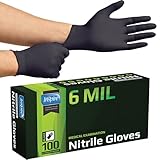
- These Inspire gloves are designed for BOTH medical and industrial use. Both exam-grade and durable 6-mil thickness, they are ideal for medical and industrial applications. These gloves are suitable for healthcare settings, laboratories, industrial environments, and household tasks.
- STRENGTH AND DEXTERITY: Inspire Nitrile Gloves provide strong protection every time. Rugged nitrile material is rip and puncture resistant, yet offers a secure fit, ease of movement, superior tactile control, and ultimate dexterity.
- TRUSTED BY PROFESSIONALS: The exam grade industrial glove trusted by industrial and medical professionals. Whether emergency services, doctors, nurses or food and household use, Inspire disposable gloves hold up to the job at hand.
- FOOD SAFE, JANITORIAL, TATTOO, MECHANICS AND MEDICAL: Multipurpose gloves with textured fingertips. Touch screen compatible. Latex free. Powder Free. ASTMD6319 & ISO9001:2015
- CONFIDENCE- GLOVES THAT HOLD UP TO THE JOB AT HAND: When your protection is on the line, you demand a glove that will hold up. Inspire Gloves give you the confidence to tackle all scenarios securely and safely. 100 gloves by weight per box. Don glove by the cuff for best application.
How do I get medication off my pet’s fur or paws?
Stop grooming first, blot rather than rub, then wash with lukewarm water and mild skin soap for at least 2–3 minutes unless a veterinarian or the product label gives different directions. The medicine involved determines the safest decontamination plan, so veterinary advice is still required after washing.
- Put on waterproof gloves and prevent the pet from licking or shaking product onto people or surfaces. An Elizabethan collar, towel wrap, or another safe barrier can help if you have one and the pet tolerates it.
- Use disposable material to blot excess cream, gel, liquid, or ointment from the coat, paws, or skin. Do not scrub; friction can spread the medicine and damage irritated skin.
- Rinse with lukewarm water and wash with mild skin soap for at least 2–3 minutes. Keep soap and runoff away from the eyes, nose, and mouth, and do not use a solvent, bleach, disinfectant, or essential oil unless a veterinary professional explicitly directs it.
- Rinse thoroughly, towel-dry, bag the contaminated towels, and keep the pet away from the spill room and from other animals until the coat is clean and dry.
- Call the regular veterinarian, an emergency animal hospital, or an animal poison-control service with the product details. A topical exposure can still be dangerous after visible residue is gone.
If the medicine is sticky, oily, caustic, or impossible to remove without force, stop and obtain veterinary instructions. Do not cut contaminated fur with scissors near the skin.
Quick wins for a faster PC:
Repair Windows errors before they cause bigger problemsFix Now →Fix the driver behind crashes, sound loss and screen glitchesFind Drivers →Clear out junk files and repair common Windows errorsFree Scan →What if medication gets in my pet’s eyes?
Flush the irritated eye with lukewarm running water for 10–15 minutes and seek veterinary advice immediately. Hold the eyelids open gently, allow water to flow from the inner corner outward, and prevent rubbing or pawing during and after rinsing.
Do not apply eye drops, ointments, neutralizing chemicals, or other products unless a veterinarian tells you to. Redness, squinting, cloudiness, swelling, discharge, or continued pain after flushing requires urgent veterinary examination. For a suspected chemical injury to skin or eyes, Veterinary Partner recommends immediate veterinary care and at least 15 minutes of flowing lukewarm water; never apply a neutralizing agent because the reaction can generate heat and worsen tissue damage.
How should I clean medication from floors, carpet, furniture, or clothing?
Use the label’s cleanup and disposal directions rather than guessing at a household cleaner. The safest method depends on whether the product is a cream, gel, liquid, patch, powder, compounded preparation, or a medicine with special handling warnings.
Also popular on Amazon

- ORIGINAL QUALITY – Tired of flimsy, low-quality gloves? Inspire Medical Nitrile Gloves bring back the durable, rip-resistant quality you remember. These premium black disposable exam gloves are powder-free, latex-free, and offer superior protection—far exceeding rubber, latex, and plastic gloves. Trusted by professionals, designed for performance and for a more sterile environment.
- TOUGH YET FLEXIBLE – Made from heavy-duty nitrile, Inspire gloves are puncture- and tear-resistant while maintaining excellent dexterity and tactile sensitivity. The snug fit allows for ease of movement, whether you're working in medical, food service, or industrial environments. Available in sizes Small through XXL.
- PROFESSIONAL-GRADE PERFORMANCE – These exam-grade nitrile gloves are trusted by medical personnel, first responders, and industry professionals. Whether you're a nurse, doctor, caregiver, or using them at home, Inspire gloves consistently deliver dependable protection. ISO 9001:2015. & ISO14001
- MULTIPURPOSE USE – FOOD SAFE & MORE – Safe for food handling, cleaning, medical use, tattoos, mechanics, and more. Inspire gloves feature textured fingertips for enhanced grip and are touchscreen compatible for convenience. Ideal as disposable cooking gloves, janitorial gloves, or food prep gloves.
- BUILT TO PERFORM – When the job demands reliable protection, count on Inspire Gloves. Each Box contains 100 gloves (glove ct. by weight) providing food-grade, powder-free, and latex-free protection in bulk. Designed to perform and last in high-use environments.
Hard, washable surfaces
After putting on gloves, blot or lift the visible material with disposable absorbent towels. Bag the towels and gloves, then wash the area with the product-approved cleaner and rinse if the label requires it. Keep the room ventilated as directed and block pet access until no residue remains and the surface is dry.
Free tools Windows power users keep installed
One-click scans. No signup required.
Carpet, upholstery, and bedding
Keep pets away and avoid rubbing, which can drive medication deeper into fibers. Blot with disposable material, isolate or bag removable items, and follow the medication label or a poison professional’s instructions for laundering or disposal. If residue has soaked into an item that cannot be cleaned reliably, keep it sealed away from animals while you obtain disposal advice.
Clothing and washable fabrics
Remove contaminated clothing without spreading the product to your skin or face. Seal it separately until the label or veterinarian advises whether normal laundering is adequate; do not put contaminated items in a dryer before the medication guidance is known.
Patches, tubes, and applicators
Treat a swallowed or chewed patch, tube, cap, syringe, or applicator as a possible ingestion, not merely a mess. Keep the package and call a veterinarian immediately. Do not search for a missing patch by allowing a pet to continue roaming through the spill area.
Also popular on Amazon
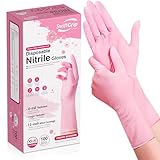
- SWIFTGRIP UPGRADED GLOVES: As enhanced version of the popular cherry blossom gloves, these upgraded gloves bring superior durability and functionality with 6mil thickness and extended 12-inch length. Offering exceptional protection against chemicals, sharp objects, and everyday wear, they last longer, reducing the need for frequent replacements. With improved wrist coverage, they strike a perfect balance between safety and style, making them ideal for users seeking both fashion and performance
- INSTANT PROTECTION, EASY DISPOSAL: Perfect for Every Task! No more dealing with greasy, reusable gloves. With 50/100 gloves per box, our SwiftGrip disposable gloves are a hassle-free, affordable solution for handling even the greasiest dishes. Use and toss—no more washing gloves after washing dishes
- SUPREME COMFORT & DEXTERITY: Building on the comfort of the popular cherry blossom gloves, this upgraded version provides even better flexibility and fit. Made from ultra-soft, skin-friendly nitrile, these gloves feature textured fingertips for a secure grip, perfect for delicate tasks—even with a smartphone. Rolled cuffs prevent slipping, and the enhanced elasticity adapts to either hand, making them versatile for household chores, gardening, and garage work
- NON-LATEX GLOVES: Ideal for individuals with sensitive skin and prone to allergies. Compared to latex gloves, they offer significant advantages in reducing allergy risks, improving durability and protective performance, enhancing comfort and flexibility, offering wide applicability. Upgraded for even better performance in food handling, these powder-free, food-safe gloves are perfect for food prep, food processing, and frequent kitchen use
- VERSATILE MULTIPURPOSE USE: This upgrade version extends protection beyond the wrist, offering superior resistance to water, stains, and chemicals. Ideal for pet grooming, hair dyeing, beauty treatments, and more, these gloves meet both professional and household needs—from janitorial work and tattooing to BBQ and gardening. Economical and very suitable as a replacement for traditional latex dishwashing gloves
When should I call the vet after a medication spill?
Call promptly for any ingestion, licking, swallowed patch, contact with a high-risk medicine, eye exposure, chemical burn, or uncertain product. Call emergency services without delay when a pet has trouble breathing, seizures, or is unresponsive.
Do these 3 things before closing this tab:
1Clear out junk files and repair common Windows errors2Scan for outdated or missing drivers - takes under a minute3Repair Windows errors before they cause bigger problemsInformation to provide
- Product name, active ingredient, concentration, formulation, and whether it is compounded.
- Estimated amount, route of exposure, location on the body, and duration of contact.
- Pet species, age, weight, health conditions, and current medicines.
- Time of exposure, cleanup or washing already performed, and all observed symptoms.
In the United States, FDA lists ASPCA Animal Poison Control at 1-888-426-4435 and Pet Poison Helpline at 1-855-764-7661 as 24-hour resources; fees may apply. Your veterinarian or an emergency animal hospital can coordinate treatment and tell you whether additional decontamination is safe.
Independent reader supportYour contribution helps us test, update, and keep practical guides available for everyone.Which exposure details determine the level of risk?
Risk is not determined by the word “topical” alone. Professionals weigh the medicine, route, species, location, amount, contact time, and symptoms together.
| Factor | Why it changes urgency | Examples that warrant a call |
|---|---|---|
| Active ingredient and concentration | Some medicines are far more toxic when swallowed or absorbed than others. | Topical NSAIDs, prescription fluorouracil, an unidentified compounded cream |
| Exposure route | Ingestion and grooming can deliver a dose internally; eye and caustic skin exposure can injure tissue directly. | Licking a floor, chewing a tube, swallowing a patch, eye splash |
| Species | Cats can be more vulnerable to some topical NSAIDs, and grooming increases oral exposure. | Any suspected NSAID exposure in a cat |
| Body location | Eyes, mouth, broken skin, paws, and dense fur can increase injury or ingestion risk. | Medication on the face, between toes, or on irritated skin |
| Amount and contact time | More product or longer contact can increase absorbed dose and make removal harder. | A large smear, repeated licking, or residue left overnight |
| Symptoms | Signs indicate that observation at home may no longer be appropriate. | Vomiting, diarrhea, tremors, seizures, breathing trouble, collapse |
What should I never do during cleanup?
Avoid actions that spread the medicine, create a second exposure, or delay professional advice.
Also popular on Amazon

- Premium Food Nitrile Gloves: Designed for sensitive skin, these disposable gloves are latex-free, making them ideal for anyone with latex allergies. Powder-free and food safe, they are suitable for food prep. At 2.5 mil thick, these gloves are thin for dexterity yet durability to handle everyday light-duty tasks
- Food-Safe & Reliable: Heat- and cold-resistant, these non-toxic nitrile gloves won't release harmful chemicals when contacting grease or water. These food grade gloves feature textured fingertips for better control when handling wet or oily items
- Lightweight & Comfortable: With their great elasticity and sensitivity, these chef gloves are resistant to tearing and provide a snug fit while maintaining dexterity. They are a great alternative to plastic gloves
- Multipurpose Black Design: Crafted from high-quality nitrile, these gloves are ideal for kitchens, salons and household use including cooking, cleaning, gardening, auto detailing, pet grooming, crafting, nail art, and hair coloring
- Various Sizes: Available in Small, Medium, Large, and X-Large, fitting both men and women. Each box contains 100 gloves to keep your home or workspace well-stocked
- Do not let pets “finish cleaning” a small spill or groom a treated person.
- Do not scrub contaminated fur, skin, carpet, or upholstery.
- Do not mix cleaners or apply a neutralizer. Chemical reactions can generate heat and worsen injury.
- Do not use solvents, bleach, disinfectants, essential oils, or human skin products on an animal unless the label or veterinarian specifically approves them.
- Do not induce vomiting or give home antidotes without veterinary direction.
- Do not throw contaminated towels, patches, or tubes into an open trash can where a pet can retrieve them.
- Do not discard the package before a clinician has identified the active ingredient and strength.
How can I prevent another topical-medication spill?
Prevention is mainly controlled storage and an application routine that keeps residue away from animals.
The Tool Desk
Outbyte Driver Updater FREEFix the driver behind crashes, sound loss and screen glitchesFind Drivers →Outbyte PC Repair FREERepair Windows errors before they cause bigger problemsFix Now →- Apply medication in a closed room with pets outside, then wash your hands as the label directs.
- Keep tubes, pumps, patches, applicators, and discarded packaging in a closed cabinet or container, not on a bedside table or counter.
- Store medicines in their original, labeled containers so concentration and first-aid information remain available.
- Wash or safely discard application materials as directed, and keep treated skin or dressings from contacting pet bedding, carpets, furniture, or clothing.
- After applying a medicine, secure the container before touching food bowls, toys, door handles, or an animal.
- Save local veterinarian and poison-control numbers in your phone so you can call quickly if a spill occurs.
Frequently Asked Questions
Can I use dish soap to wash medication off my dog?
Use only mild skin soap and lukewarm water unless the product label or veterinarian says otherwise. Dishwashing products can irritate skin or eyes, and the medicine may require a different decontamination method.
How long should I watch my pet after a possible topical exposure?
There is no universal observation period because onset varies by ingredient, dose, and species. Ask the veterinarian or poison-control professional for a product-specific monitoring plan, and report any new sign immediately.
What if I do not know which cream spilled?
Keep the room closed, save the tube or pharmacy records, and contact a veterinarian or poison-control center with a photograph or description of the container. Do not resume normal cleaning or let pets enter until the substance has been identified or professionals advise you.
Are natural or compounded topical products automatically safe for pets?
No. Compounded preparations can contain several active medicines, and “natural” does not describe toxicity or dose. Treat an unidentified or compounded product as potentially hazardous until a clinician reviews its ingredients.





Leave a Reply