
Some links on this page are affiliate links: if you buy through them we may earn a commission, at no extra cost to you.
Clicker training teaches a cat that a distinct sound marks the exact moment it did something right, and that a reward follows. To begin, pair the sound with something your cat values; then use it to mark small, achievable behaviors and add a cue once the behavior is reliable. A clicker is optional: a consistent word such as “yes” can serve as the marker, too. These four steps reflect guidance from veterinary and animal-care organizations, though they are not a single formally approved protocol for every cat.
Clicker training is a form of positive-reinforcement training. The click is not the reward: it is a marker that identifies the behavior you want, while a treat, toy, or another valued reward gives the cat a reason to repeat it. The marker is useful because it can pinpoint the right moment, even when you cannot deliver the reward instantly. The American Animal Hospital Association explains that a marker tells a cat the exact moment it did the right thing in its Cat Training 101 guidance.
As an Amazon Associate I earn from qualifying purchases.
The sequence is straightforward: choose a reward and a calm moment, pair the marker with the reward, mark a small behavior, then add a cue and build gradually. Let the cat set the pace. There is no universal timeline or guarantee that every cat will learn a particular trick.
What do you need before you start?
Have a marker, a reward your cat actually values, and a behavior in mind. Keep the reward ready so you can deliver it promptly after the marker. A clicker can be a dedicated training clicker; if the sound unsettles your cat, use the same brief word, such as “yes,” each time instead. Both a clicker and a verbal marker are recognized options in AAHA’s training guidance and the Feline Veterinary Medical Association’s positive-reinforcement toolkit.
Popular on Amazon

- New communication tool about you and your puppy.
- Pet Dog Training Clickers for Puppy, Cat, Potty, Bird, Horse, Pet, Trainer Training Tools, Behavior Aids
- Just press to mark desired behavior, then reward for faster learning.
- The spring wrist length : 16cm/6.3inches and can strength to 25cm/9.84inches.
- Package include : Black + Blue,each color 1 pcs.
Food is a common reward, but do not assume all cats are motivated by it. The veterinary guidance also allows toys and other rewards. Choose something suitable for this cat, and keep it available before you begin. A target is optional: a target stick or a simple object can give the cat something specific to look at or touch, but it is not required for clicker training.
There is no single required piece of equipment beyond a marker and a reward. You can buy a training clicker, but a consistent verbal marker costs nothing. Likewise, a target stick is an optional aid rather than a prerequisite; the Feline Veterinary Medical Association describes target touching as an exercise, and AAHA also discusses target contact. If using an object, make it easy for the cat to notice and for you to present consistently. The important part is the clear behavior-and-marker connection, not a particular brand or accessory.
The Tool Desk
Outbyte PC Repair FREERepair Windows errors before they cause bigger problemsFix Now →Outbyte Driver Updater FREEFix the driver behind crashes, sound loss and screen glitchesFind Drivers →Choose a time when the cat is calm and relaxed. If it is not engaged, stop or make the task easier rather than pressing on. The Feline Veterinary Medical Association specifically advises training when the cat is calm and relaxed; the goal is a positive, manageable experience, not completing a fixed number of repetitions.
How do you clicker train a cat in four steps?
Follow the steps in order, moving on when the cat is comfortable with the current one. The marker should consistently predict a reward, and each new behavior should start small enough for the cat to succeed.
- Choose a reward and a calm moment. Decide what this cat values—food, a toy, or another suitable reward—and have it ready. Start when the cat is relaxed. A useful first goal is a simple behavior such as looking toward you or touching a target, not a complicated trick. AAHA describes choosing rewards based on what motivates the individual cat, while the Feline Veterinary Medical Association includes both food and toys among possible rewards.
- Pair the marker with the reward. Make one click, then promptly give the reward. Repeat this pairing so the cat learns that the sound predicts something worthwhile. The click itself is not the treat; it marks the moment, and the reward should follow as soon as possible. If the click worries the cat, switch to a consistent verbal marker such as “yes.” Guidance from VCA Animal Hospitals and Cats Protection also describes associating the click with a reward.
- Mark and reward a small behavior. Choose an action the cat can offer, such as turning toward a target or touching it. Click at the instant the desired action happens, then deliver the reward. If the eventual goal is more complex, reward small steps toward it rather than waiting for the full behavior. This process—building a behavior through smaller approximations—is described by the Ontario SPCA and the Feline Veterinary Medical Association. A target stick is optional; an ordinary object can serve as a target for a simple touch exercise.
- Add a cue and progress gradually. Once the cat reliably offers the behavior, say the cue just before the action you want. When the cat responds, click at the right moment and reward. Increase difficulty in small increments and give the cat time to become comfortable before advancing. VCA’s guidance covers adding cues in clicker and target training; International Cat Care’s carrier-training guidance likewise emphasizes allowing a cat time to become comfortable with each step.
How does the click help—and when should you use a verbal marker?
The marker bridges the gap between the behavior and the reward. If a cat touches a target and you need a moment to hand over a treat, the click can identify the successful touch precisely; the reward that follows reinforces it. That is why timing matters: mark the action you want, not a later movement, and then reward promptly.
Also popular on Amazon

- Cat Training Clicker Kit - Includes a finger ring clicker and a retractable target stick with yellow ball, giving you two tools for guiding and interacting with your cat during training or play.
- Finger Ring Clicker for Clear Feedback - The included finger clicker produces a crisp, easy-to-press sound, helping guide your cat during training or interactive play without startling them.
- Eye-Catching Yellow Target Ball - The bright yellow ball at the tip of the target stick catches your cat’s attention and supports guided movement for interactive sessions.
- Retractable Stick for Convenient Use - The stainless steel target stick extends and retracts smoothly, allowing adjustable length for comfort, while keeping the target clicker compact and easy to store or carry.
- Versatile Training Accessory - Suitable for kittens and adult cats, this dual clicker kit can be used for a variety of interactive play or guided training sessions, and can also be used with other small pets.
A clicker is not essential. Use a short, consistent word such as “yes” if that is easier or if the click sound worries the cat. Whatever marker you choose, keep it predictable: it should mean that a behavior was just marked and a reward is coming. Avoid changing between sounds or words casually, since the cat needs to learn what the marker predicts. AAHA describes both “yes” and a clicker as possible markers.
Recommended Free Tools
In the early pairing stage, the order matters: marker first, reward immediately after. If the reward comes before the marker, or the marker is delayed until after the cat has moved on, it is less clear which action earned it. Think of the marker as a brief signal tied to one precise moment, not a general expression of praise throughout the session. Once the cat understands that signal, continue to follow it with the chosen reward so its meaning stays dependable.
How should you choose the first behavior?
Start with a behavior that is easy to notice and easy for the cat to perform. A target touch is a practical example: present a simple object, then mark and reward an intentional touch. Looking toward a target can be a smaller first step if touching it is not yet happening. The Feline Veterinary Medical Association describes target exercises, and AAHA includes target contact in its training guidance.
Think of a larger goal as a sequence of small actions. If you want a cat to go to a mat, for example, the early steps could be orienting toward it, approaching it, and then placing a paw on it. Mark only the step you are currently teaching, and make the next step a modest increase in difficulty. Shaping a behavior this way avoids requiring the finished action before the cat has learned its parts.
The same principle applies to a target touch. At first, the useful step might be noticing the object or looking toward it; later, the cat may approach and then touch it. Mark the particular approximation you are working on, rather than waiting for a complete, polished response. When that step is easy and reliable, shift the criterion slightly toward the final goal. If the cat stops succeeding, make the next attempt easier instead of asking for several harder actions at once. The Ontario SPCA describes shaping as building a larger goal from smaller approximations.
What’s actually slowing this PC down?
Pick the symptom - the matching free tool is one click away.
Also popular on Amazon

- INSIDE THE PACKAGE: Created by a professional animal behaviorist, this complete cat clicker training kit includes everything you need to get started: an all-in-one integrated clicker tool with a 22 inch extendable target stick and a 43-page illustrated training manual with 15 guided lessons to help you confidently train your cat from day one.
- TARGET STICK WITH UPDATED DESIGN: The CAT SCHOOL all-in-one clicker features a new and improved design with a quieter clicker sound and a stronger, more durable construction—perfect for sound-sensitive cats and everyday training use. This versatile tool works as both a target stick and a detachable clicker, giving you flexible training options. Extend the target stick up to 22 inches to easily guide your cat between positions. The large, bright yellow ball tip is easy for cats to see, track, and touch—boosting confidence, accuracy, and calm focus during training.
- QUIET, DETACHABLE CAT-FRIENDLY CLICKER: Designed with your cat’s sensitive ears in mind, this quiet clicker delivers a sound your cat can comfortably learn from. Use it attached to the target stick or slide it off for handheld use. The clicker fits comfortably in your hand and includes a secure finger loop to wear on your finger once removed from the base. Fully mechanical, with no batteries needed.
- IMPROVES CAT BEHAVIOR: Clicker training is a positive, rewarding way to teach skills and encourage good behavior. Regular training sessions help increase activity, reduce boredom and stress, and may curb unwanted behaviors like scratching or biting—while strengthening the bond between you and your cat.
- OUR COMMITMENT TO YOUR SUCCESS: Your cat’s training success matters to us. Every kit is backed by our 1-year replacement guarantee: if any part breaks or stops working, contact us through Amazon and we’ll send a replacement. Your kit also includes access to an online video course, created by an animal behaviorist and trusted by thousands of successful students, so training stays fun and easy for you and your cat.
Once the behavior is happening reliably, add a cue immediately before the cat is likely to do it. This timing helps the cue become associated with the action. Then mark and reward the response to the cue. If the cat stops responding as you make the task harder, return to an easier step and build again rather than repeating the cue more insistently.
A cue is a signal for a behavior, not a demand to keep repeating until the cat complies. Give it just before the behavior you want, then mark and reward when the cat responds. If the cat was offering the action without the cue but seems unsure once you add it, revisit the easy version and make the cue-action relationship clear again. VCA’s clicker and target guidance supports adding cues after the behavior is established; the gradual approach keeps the new signal from being layered onto an action the cat does not yet understand.
What if the cat is startled, distracted, or not interested?
Do not try to push through a session when the cat is not calm or engaged. Pause, simplify the task, or try another time. The Feline Veterinary Medical Association’s guidance is to train when the cat is calm and relaxed; the method depends on the cat being able to participate.
- The click sound seems concerning: Use a consistent verbal marker such as “yes” instead. A clicker is optional, not a requirement.
- The cat does not approach for food: Food may not be the reward this cat values. Try an appropriate toy or another reward the cat prefers, as veterinary guidance recognizes options beyond food.
- The cat is not offering the full behavior: Mark an earlier, smaller step toward the goal. A look or approach can precede a target touch, for instance.
- The cat loses interest or is unsettled: Stop or return to a simpler step. Do not treat a particular number of repetitions or a fixed pace as a requirement.
- The cat performs the behavior but not after the cue: Go back to an easier, reliable version. Present the cue just before the behavior, then mark and reward the response; progress in small increments.
- The cat seems confused about what earned the reward: Check the timing. Mark the desired action as it happens and deliver the reward promptly; avoid marking a different movement that follows it.
These adjustments follow the same principles as the four-step method: keep the marker meaningful, make success achievable, and let the cat become comfortable before asking for more. A pause or a return to an easier approximation is part of adjusting the training, not a reason to force the next step.
Do these 3 things before closing this tab:
1Clear out junk files and repair common Windows errors2Scan for outdated or missing drivers - takes under a minute3Repair Windows errors before they cause bigger problemsCan clicker training help with everyday handling?
The same gradual approach can be used to teach practical behaviors, not only tricks. Carrier training is one example: work through manageable stages and give the cat time to become comfortable with each one, rather than expecting it to accept the entire process at once. International Cat Care’s guide to taking a cat to the veterinary clinic uses this gradual-comfort principle for carrier training.
Also popular on Amazon
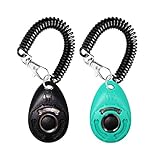
- EASY TO USE - Simple push button with distinct clicking sound.
- Comes with an elastic wrist band so you can leave it on your wrist or clip it to the leash or your pants.
- Not only train the dog but also the cat, bird, chicken, sheep a new behaviors like sit, fetch, roll over, lie down.
- For effective pet training ALWAYS reward with a treat after clicking.
- Can be used to train the dog basic obedience, small trick, and correct the bad behavior; Scientific method of training your pet safely and easily.
For a practical goal, keep the same logic as for a target: identify a small action the cat can manage, mark it, reward it, and move forward only as the cat becomes comfortable. The carrier example is especially relevant because it involves a series of steps rather than one trick performed on cue. The cited guidance supports allowing time at each step; it does not establish a fixed schedule for how quickly a cat should progress.
Positive-reward training can also provide stimulation. International Cat Care’s guide to lower urinary tract diseases cites positive-reward training as a form of stimulation and points readers to The Trainable Cat: A Practical Guide to Making Life Happier for You and Your Cat by John Bradshaw and Sarah Ellis. That does not mean clicker training treats or prevents a medical condition; it is a possible enrichment activity. Avoid expecting a guaranteed result or timeline. The veterinary and animal-care guidance supports the training practices described here; it does not establish a universal success rate for clicker training.
Independent reader supportYour contribution helps us test, update, and keep practical guides available for everyone.How much does clicker training cost?
The method does not require a specific paid product. A dedicated clicker and target stick are optional; a verbal marker and an ordinary target object can be used instead. If food is the reward your cat prefers, choose a suitable treat or soft food; if the cat prefers a toy or another reward, use that. No particular merchant, brand, or price is necessary to follow the steps.
What should you remember?
Clicker training works by making a clear connection: the marker identifies the behavior, and a valued reward follows. Pair the marker first, begin with a small action, and add a cue only after the behavior is reliable. Use a verbal marker if a click is uncomfortable, choose rewards that suit the individual cat, and keep the process calm and gradual. The clicker is a useful option, not a prerequisite.
Frequently Asked Questions
Can I clicker train an older cat?
The guidance here does not set an age cutoff. The same approach—a marker, a valued reward, and small achievable steps—can be adapted to the individual cat, with training limited to times when it is calm and relaxed.
Also popular on Amazon
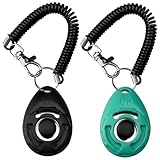
- Instant Attention & Clear Sound: This dog clicker for training produces a sharp, consistent sound that’s perfect for clicker training dogs, puppies, cats, and even birds or horses. Works great as a dog clicker to stop barking and reinforce positive behaviors quickly.
- Lightweight, Durable & Easy to Carry: Made from sturdy, lightweight materials, this pet training clicker is built to last. Comes with a convenient wrist strap so your dog training tools are always within reach during walks, obedience classes, or home sessions.
- Simple One-Button Operation: Whether you’re a new dog trainer or a pro, the large button makes this puppy training clicker and cat training clicker easy to use—just press to mark desired behavior, then reward for faster learning.
- Versatile for Multiple Pets & Purposes: More than just a dog training clicker—this tool is perfect as a cat clicker trainer, training clicker for puppies, or even a clicker cat trainer. Works for potty training, obedience, tricks, and behavior correction.
- Positive Reinforcement Training Made Easy: Trusted by professionals, this dog training & behavior aids device supports humane, reward-based training. Ideal as puppy training tools, dog training aids, or dog training clickers to create a strong bond with your pet.
Do I need to buy a clicker or target stick?
No. A consistent word such as “yes” can replace the click, and a target stick is optional; an ordinary object can work as a target. The essential parts are a clear marker and a reward the cat values.
Can I use clicker training for carrier training?
Yes. Apply the gradual approach and give the cat time to become comfortable with each step before moving on. International Cat Care discusses this principle in its guide to taking a cat to the veterinary clinic; it does not set a universal schedule.
Crashes, No Sound, or Screen Glitches?
Random freezes, missing sound and display glitches usually trace back to one bad driver. Find and replace yours safely.Free scan · under a minuteWindows Errors? Fix Them Before They Spread
Repair common Windows errors and clear accumulated junk for a smoother, more stable PC - no reinstall needed.Free scan · no reinstallHow long does it take to clicker train a cat?
There is no single reliable timeline in the veterinary and animal-care guidance cited here. Progress depends on the behavior, the individual cat, and how comfortably it is participating, so advance when the current behavior is reliable rather than by a deadline.
What can I use as a reward if my cat does not like treats?
Food is common but not essential. Veterinary guidance also recognizes toys and other rewards. Choose something suitable that this cat values, and have it ready so you can deliver it promptly after the marker.





Leave a Reply