Ask your veterinarian for a written, itemized estimate, then compare what each plan includes, what it is intended to achieve, and when each part of care needs to happen. If the proposed cost is beyond your budget, say so directly and ask whether there is a medically reasonable alternative or a phased approach—and what risks come with changing or delaying care. A lower total is not a meaningful comparison unless you understand what has been left out and how that changes the plan for your pet.
The goal is not to select the cheapest number or to question care for its own sake. It is to understand the choices well enough to make a plan with your veterinarian. A clear conversation can help separate the medical decision from the payment decision, identify what is time-sensitive, and show whether a different approach is reasonable for your pet.


As an Amazon Associate I earn from qualifying purchases.
Start with a detailed written estimate
Request an estimate that separates the proposed diagnostics, treatment, medication, monitoring, and follow-up rather than presenting only a single total. Ask the veterinary team to explain what each line covers and why it is being recommended. A written, line-by-line plan gives you something specific to discuss, compare, and refer back to; it also makes it easier to spot questions about scope or timing before you agree to a plan.
You can open the conversation with: “Could you walk me through what each line on this estimate covers?” If an item is unfamiliar, ask what decision or care step it supports. The aim is not to challenge every recommendation; it is to understand the medical purpose of the proposed plan and the assumptions behind its cost.
#1 Best Overall

- "COMPLETE MEDICAL RECORDS FOR DOGS & PUPPIES: Comprehensive health record booklets designed to track vaccinations, deworming, exams, and treatments. Ideal for maintaining organized, accurate medical histories for individual dogs or entire litters."
- 25 INDIVIDUAL BOOKLETS PER PACK: Includes 25 separate health records, making it easy for breeders, shelters, rescues, or clinics to document care for multiple pets. A convenient, cost-effective option for professional use."
- CLEAR, CUSTOMIZABLE FORMAT FOR EASY RECORDING: Each booklet includes clearly labeled sections for vaccines, dates, and notes. Simple, organized design allows pet owners and professionals to record information quickly and legibly at home or during vet visits."
- PORTABLE & DURABLE DESIGN: Compact size fits easily into travel folders, puppy packets, or veterinary files. Sturdy paper stock ensures each record withstands handling over time, ideal for breeders and adopters."
- IDEAL FOR PET OWNERS, BREEDERS & CLINICS: A must-have tool for dog owners, shelters, veterinarians, and groomers to track a pet’s complete health history. Simplifies communication between caregivers, adopters, and clinics."
Ask for the pieces that make up the plan
- Diagnostics: Which tests are proposed, and what is each intended to clarify?
- Treatment or procedures: What care is included, and what is its purpose?
- Medication: Which medicines are included, and is the estimate for an initial supply or ongoing use?
- Monitoring and follow-up: What rechecks or monitoring are part of the plan, and what is not included?
These prompts are a way to make the estimate understandable, not a universal checklist of services every condition requires. Your veterinarian should explain which items apply to your pet and why. If an estimate does not say whether follow-up or ongoing medication is included, ask rather than assuming it is covered.
It can also help to ask whether the estimate describes a recommended plan, an initial step, or a broader course of care. If the veterinarian expects that further decisions may depend on what an initial test or treatment shows, ask what the next decision point would be and whether that later step is included. Do not assume that an item absent from the written estimate is unnecessary or included in another line; ask the clinic to clarify what the document covers.
When you receive an updated estimate, ask what changed and why. A revision may reflect a change in the proposed plan or its timing, so make sure you understand which services are still included and which are no longer part of the plan. Written clarification makes it easier to remember the conversation and to compare the current proposal with any alternative being discussed.
What’s actually slowing this PC down?
Pick the symptom - the matching free tool is one click away.
Compare the plans on equivalent terms
Two estimates can have different totals because they describe different care. Before treating one as less expensive, check whether both include the same diagnostics, treatments, medicines, monitoring, follow-up, and assumptions. There is no standard nationwide estimate format or universal fee schedule, so a total alone cannot show whether two proposals are comparable.
| What to compare | Questions to ask |
|---|---|
| Services included | Do both plans include the same diagnostics, treatment, medication, monitoring, and follow-up? What is excluded or left unspecified? |
| Medical purpose | What is each step intended to determine, treat, or achieve? |
| Expected result | What benefits and likely outcomes does the veterinarian expect from each approach? |
| Timing | Which steps need to happen now? Could any be staged, and what is the risk of waiting? |
| Alternatives | What other approaches are reasonable, and how do their benefits, risks, and costs differ? |
| Follow-up assumptions | What monitoring or rechecks are planned, and are they included in the estimate? |
When estimates differ, ask the clinics to clarify the scope and assumptions behind their proposals before comparing totals. Ask each veterinarian to explain the likely benefits, risks, expected results, and timing for the option they are discussing. A less expensive estimate may reflect a different plan, not the same plan at a better price.
For a useful comparison, write down the details in the same categories for each plan. For example, note which diagnostics are proposed, what treatment follows, what medication is listed, and what monitoring or follow-up is described. Mark anything that is unclear or not specified rather than treating it as included. This does not create a medical ranking; it gives you a focused list of questions for the veterinary team.
Compare the purpose and expected result, not only the names of services. Two plans may use different approaches, so ask what each is intended to accomplish and what the veterinarian expects to learn or achieve. If one plan includes a service that the other does not, ask what role it plays and how its presence or absence affects the proposed care. The veterinarian can explain the benefits and risks of the alternatives for your pet.
Rank #2

- All-in-one pet care tracking: vaccinations, vet visits, medical exams, medications and more
- Easy access to pet’s health info: stay organized and on top of your pet's health
- Ample writing space: never run out of space; designed to last entire life of pet
- High-quality materials: durable and elegant design for long-lasting use
- Portable size: convenient A5 size, perfect for on-the-go; practical for vet visits and storage
There is no universal price list that makes every estimate directly comparable. Costs and the contents of a plan can vary by clinic, location, treatment, and time. Avoid concluding that one clinic is overcharging, or that another plan is equivalent, based only on the total. First clarify the medical scope and assumptions; then discuss any remaining questions about the difference.
Find out what is urgent and what might be staged
Ask your veterinarian to distinguish what needs to happen now from what may be delayed or divided into stages. AAHA advises clients to ask about alternative approaches and their associated costs, and notes that phased treatment may make significant expenses more manageable. Whether staging is appropriate depends on your pet’s individual condition; do not infer from the estimate alone that a step can safely wait.
Useful questions include:
- “Which parts need to happen now, and could any part be staged?”
- “What would it cost to delay this, and what signs mean I should call sooner?”
- “If we start with one part of the plan, what would the next step be and when would we reassess?”
Ask the veterinarian to explain the consequences of waiting or changing the plan for your pet, including what signs should prompt you to call sooner. Confirm any delay or change with the veterinary team rather than deciding from a lower estimate or a general rule.
Staging is a conversation about timing and medical priorities, not simply removing items until the total fits. Ask which parts must happen first, whether a later step depends on the result of an earlier one, and what the team would monitor between stages. If the veterinarian says a step should not be delayed, ask them to explain why and what risk the timing is meant to address. If a step can be staged, clarify when the team recommends reassessing and what would change that plan.
The Tool Desk
Outbyte PC Repair FREERepair Windows errors before they cause bigger problemsFix Now →Outbyte Driver Updater FREEScan for outdated or missing drivers - takes under a minuteDriver Scan →Get specific instructions about signs that should prompt a call or a change in timing. A general agreement to “watch and wait” is not a substitute for knowing what to watch for and whom to contact. Your veterinarian should tailor that advice to your pet’s condition, rather than relying on a general list of warning signs.
Ask for lower-cost options without losing sight of the medical goal
Tell the veterinary team what amount or payment schedule is realistically possible for you. Then ask them to help identify a medically reasonable plan within that constraint. Being specific about the financial limit gives the team a practical starting point for discussing alternatives, priorities, or staging; it does not require you to choose an option without understanding its trade-offs.
AAHA’s guidance says, “Don’t hesitate to ask about alternative treatment options and their associated costs.” For each alternative, ask what benefit it is expected to provide, what risks or limitations it carries, and whether it changes the timing or expected result. The veterinarian can explain which choices are reasonable for your pet and what the costs of each approach are.
A short conversation script
- State the constraint: “This estimate is more than I can manage at once. I can afford [amount or schedule]. Can we discuss a medically reasonable plan within that limit?”
- Clarify priority: “What needs to happen now, and what could potentially be staged?”
- Ask about trade-offs: “What are the likely benefits and risks of each option, and what might happen if we wait?”
- Agree on follow-up: “If we choose this plan, what should I monitor, when should we check in, and what signs mean I should call sooner?”
Keep variable wording such as an amount or schedule specific to your circumstances. The veterinarian must answer questions about delay, monitoring, and warning signs in light of your pet’s condition.
Recommended Free Tools
You can also ask the veterinarian to lay out the alternatives in terms of what each is meant to achieve, what it would involve, and what the trade-offs are. For example: “If we choose this option instead, what benefit might we give up, what risk might change, and when would we know whether the plan is working?” The answer may be that a lower-cost option is not medically appropriate, or that a staged approach is possible; do not assume either outcome before discussing your pet’s case.
If you are having trouble following the explanation, ask the team to restate the options in plain language or summarize the agreed plan in writing. You can take time to review the estimate and ask follow-up questions, but do not delay a time-sensitive step without confirming the implications with the veterinarian. Being open about cost is a way to invite a practical discussion, not a promise that a particular alternative will be available.
Discuss referrals and second opinions in terms of the care goal
If a referral is proposed, ask what need the referral addresses and what goals the specialist may pursue. Also ask about likely costs, available alternatives, and the potential benefits and risks of those alternatives. AAHA referral guidance recommends discussing alternatives and their possible benefits and risks; explaining likely costs can help avoid financial surprises and prepare clients for the commitment.
Clarify what information or prior work will be relevant to the referral conversation and what the next decision would be after the specialist’s assessment. These are questions to ask the veterinary team, not assumptions about what any particular referral includes or costs. If you seek a second opinion, compare the recommendations by scope, purpose, timing, and follow-up—not just by the quoted total.
Crashes, No Sound, or Screen Glitches?
Random freezes, missing sound and display glitches usually trace back to one bad driver. Find and replace yours safely.Free scan · under a minuteWindows Errors? Fix Them Before They Spread
Repair common Windows errors and clear accumulated junk for a smoother, more stable PC - no reinstall needed.Free scan · no reinstallBefore agreeing to a referral, ask what question the specialist is expected to answer or what care goal the referral is meant to address. Ask what alternatives are available, what potential benefit each may offer, and what risks or limitations the veterinarian sees. Also ask what costs are likely and what commitment to follow-up may be involved. The veterinarian should explain these points in relation to your pet rather than treating the referral as an automatic next step with a predictable price.
If you receive another estimate or opinion, ask whether it is addressing the same medical question and includes comparable services. A second opinion can help clarify options, but differences in the proposed plan need context: purpose, included care, timing, and follow-up all matter. If those details are unclear, ask the clinics to explain them before using totals to judge the options.
Keep payment options separate from treatment choices
First understand the medical options and their trade-offs; then ask how the bill might be paid. AAHA lists clinic payment plans, third-party financing such as CareCredit, and charitable organizations that may help with particular conditions or income levels. Its position statement also identifies savings, credit reserves, medical credit cards, and preventive care plans as funding approaches. These are avenues to investigate, not guarantees of eligibility or recommendations that you borrow.
Ask whether the clinic offers an in-house plan or which third-party options it accepts. If considering a financing offer, review the current terms directly with the provider before agreeing. AAHA cautions that a promotional interest-free period can lead to high interest charges if its conditions are not met. Check the promotional-period conditions and possible interest charges rather than relying on the headline description of an offer.
Quick wins for a faster PC:
Clear out junk files and repair common Windows errorsFree Scan →Scan for outdated or missing drivers - takes under a minuteDriver Scan →Repair Windows errors before they cause bigger problemsFix Now →In particular, ask what conditions apply to a promotional period and what interest charges may apply if those conditions are not met. Verify current terms with the financing provider and ask the clinic which options it accepts; terms and availability can change. A payment option may affect how you pay, but it does not establish whether a particular treatment is medically appropriate or affordable for you. Consider the terms carefully and choose only if they fit your circumstances.
Charitable assistance may be condition-specific or income-based. Ask the clinic or local animal welfare organizations whether any programs may fit your circumstances, and confirm current eligibility and application details directly. No particular fund, application window, geographic eligibility, or condition eligibility is established here; availability varies.
When looking into assistance, ask what organization administers a program, what conditions or circumstances it may cover, and how to verify current requirements. Do not assume that a program is available in your area or that an application will be approved. Because assistance details can vary, confirm them directly with the clinic, organization, or local animal welfare group. Keep these funding questions distinct from questions about which treatment choices are reasonable.
Other approaches identified by AAHA include using savings or credit reserves and preventive care plans. These are possibilities to consider, not a one-size-fits-all recommendation. Ask what a clinic plan covers and how it relates to the care being discussed; do not assume that a preventive care plan will pay for a particular treatment. Compare terms and eligibility directly with the relevant provider or clinic.
Free tools Windows power users keep installed
One-click scans. No signup required.
Use cost statistics as context, not as a guide to your pet’s care
Cost conversations are common, but survey figures do not determine which treatment is appropriate for an individual animal. In 2022, the American Animal Hospital Association reported results from the 2021 AAHA Financial Care Study, sponsored by CareCredit: 74% of surveyed veterinary professionals said they try to discuss costs with clients once they have an estimate, and 79% of veterinary practices said they discuss alternative payment options when an owner is unwilling to pay for a service or procedure. These are historical, practice-reported findings, not guarantees about what a particular clinic will offer.
A 2026 AAHA article sponsored by CareCredit attributed a separate figure to a PetSmart Charities survey: 52% of U.S. pet owners reportedly skipped or declined needed veterinary care in the prior year because of cost. This is a different population and source from the 2021 practice survey; it should not be combined with the 74% and 79% findings as though all three were results from one survey. The figure provides context for why direct cost conversations matter, not a measure of what any one owner should do.
These statistics describe different groups and should remain attached to their dates and sources. The 74% and 79% figures are historical findings reported in 2022 about veterinary professionals and practices responding to the 2021 study. The 52% figure was attributed in a 2026 AAHA article sponsored by CareCredit to a PetSmart Charities survey. They do not establish what an individual clinic will offer, whether an aid program will apply, or which treatment is right for a particular pet.
Independent reader supportYour contribution helps us test, update, and keep practical guides available for everyone.Keep a usable record of the decision
Keep the written estimate and the agreed treatment plan together so you can refer to the same details later. Note what the veterinarian said was time-sensitive, what may be staged, any follow-up that was discussed, and the signs that should prompt a call. If the plan changes, ask for the revised details in writing so the current scope and timing are clear.
Do these 3 things before closing this tab:
1Fix the driver behind crashes, sound loss and screen glitches2Clear out junk files and repair common Windows errors3Scan for outdated or missing drivers - takes under a minuteBest Value
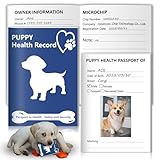
- Product Include:When you choose our dog vaccines records tracker, you'll receive one notebook.This 12-page puppy health journal has 8 dedicated pages for tracking your pup’s health, vet visits, and key details, with 4 blank pages at the end for jotting down extra notes, pet-related info, or anything else you want to record.
- Ideal Size for Record Keeping:Each dog vaccine record book measures 5x3.5 inches folded; 5x7 inches unfolded, allowing for easy portability and storage.These handy health records notebook for dogs with double sided printing, featuring enough space for all your pets important information,plus, it has dedicated spots for sticking on vaccine stickers and adding cute puppy photos.They offer a stylish and organized approach to pet health documentation, a must have addition to your pet supplies.
- Premium Quality: The puppy health record tracker’s cover features 300gsm coated paper with vibrant full-color printing and a protective laminate finish. Inside, 100gsm high-quality offset paper pages are durable and ink-resistant, ensuring no bleeding from pens or markers—so your records stay neat and easy to read.
- Effortlessly Track Vaccinations and More:The canine health record booklets pages include:owner and puppy information,medical history and hospitalizations,vaccination record and sticker,dog service providers,fecal examinations and de-worming,heartworm screening, prevention and treatment etc.This record keeping tool will ensure every important detail is accounted for and make this task easy, organized, and straightforward.Add this essential tool to your pet supplies for a happier, healthier pet.
- Essential for Pet Owners:Designed for veterinary clinics and pet owners, these puppy vaccination record books make tracking key health details—like shots, checkups—simple and organized. When you’re away and leave your pup with a sitter or family, the dog medical record and vaccine book serves as a quick reference for their medical history. Plus, dedicated sections for photos, physical markings, and ID info prepare you for emergencies, helping you recover your friend quickly if they get lost.
You can keep questions and answers with the estimate, whether in a paper folder or another record you already use. Record the agreed next step, any timing the veterinarian recommended, the follow-up plan, and whom to contact if you have concerns. The purpose is to keep the plan easy to find and consistent—not to replace the veterinary team’s instructions or medical records.
Before you leave the conversation, summarize what you understand: which care is planned now, what may happen later, what each step is intended to achieve, and what you should do if your pet’s condition changes. Invite the veterinary team to correct anything you have misunderstood. That short confirmation can help prevent confusion when you review the estimate or discuss payment later.
Frequently Asked Questions
What should a veterinary estimate include?
Ask for a written, itemized estimate that separates proposed diagnostics, treatment or procedures, medication, monitoring, and follow-up. Have the veterinary team explain what each item is for and clarify anything that is excluded or unspecified. The services that apply depend on your pet’s condition, so this is a prompt for questions, not a universal checklist.
How can I compare two vet estimates fairly?
Compare their scope and assumptions before comparing totals: diagnostics, treatment, medication, monitoring, follow-up, purpose, expected result, timing, and alternatives. Ask each veterinarian to explain benefits and risks. There is no standard nationwide estimate format or universal fee schedule, and a lower total may represent a different plan.
Can I ask my vet to lower the cost or stage treatment?
Yes. Explain what amount or payment schedule is feasible and ask whether there is a medically reasonable alternative or phased approach. Ask what needs to happen now, what could be staged, and what risks come with waiting. Confirm any change with the veterinarian because suitability depends on your pet’s condition.
What should I ask before delaying part of a treatment plan?
Ask what the cost and medical risks of delay are, which signs mean you should call sooner, and when the veterinarian recommends reassessing. Get advice for your pet’s specific condition rather than assuming a step can safely wait based on the estimate alone.
What payment or assistance options might be available?
AAHA identifies clinic payment plans, third-party financing, charitable organizations that may help with specific conditions or income levels, savings, credit reserves, medical credit cards, and preventive care plans as options to investigate. Availability and eligibility vary. Ask the clinic what it accepts and verify current program details directly.
What should I check before using promotional veterinary financing?
Review the current terms directly with the financing provider, including the promotional-period conditions and possible interest charges if those conditions are not met. AAHA cautions that a promotional interest-free period can lead to high interest charges when requirements are not satisfied. Do not rely on a headline offer alone.
Should I get a referral or second opinion to compare costs?
If a referral is proposed, ask what need it addresses, what goals the specialist may pursue, likely costs, and what alternatives and trade-offs exist. For a second opinion, compare the recommendations by scope, purpose, timing, and follow-up, not only by total. Ask the veterinary team to clarify what each plan includes.
The Bottom Line
Ask for the written details, compare plans by scope and medical purpose, and tell your veterinarian what you can realistically manage. Discuss alternatives, timing, payment, and assistance as separate but related questions. Before delaying or changing care, confirm the risks and next steps with the veterinary team for your pet’s specific condition.
Quick Recap
Product prices and availability are accurate as of the date/time indicated and are subject to change. Any price and availability information displayed on Amazon at the time of purchase will apply.




