
Some links on this page are affiliate links: if you buy through them we may earn a commission, at no extra cost to you.
The safest storm room is a familiar, interior space with few or no windows, secure exits, good ventilation, and enough room for your dog to move freely. Set it up before thunder starts with a washable bed, familiar bedding, water, dimmed light, and layered background sound from a fan, white-noise machine, television, or calm music. Let your dog choose whether to hide, rest near you, or use an already familiar crate. A storm room reduces flashes and noise; it does not make a home soundproof. Prepare the space on calm days, rehearse relaxed visits, and involve your veterinarian when fear leads to escape attempts, injury, or prolonged distress.
What makes a storm room safe for a dog?
A storm room should lower stimulation without trapping the dog. The best setup combines a familiar location, safe footing, ventilation, controlled light, background sound, water, and an exit the dog can use voluntarily. It is a management tool, not a cure for thunderstorm phobia.
As an Amazon Associate I earn from qualifying purchases.
- Familiarity: Start with a room your dog already chooses for resting or hiding.
- Interior placement: Choose the part of the home farthest from outside noise, with few or no windows.
- Freedom of movement: Your dog should be able to turn around, lie down, change position, and leave when practical.
- Physical safety: Remove cords, chemicals, sharp objects, loose items, and anything that could be swallowed.
- Basic needs: Provide water, a washable resting surface, and optional enrichment your dog already knows how to use.
- Low-pressure support: Permit hiding or proximity to you rather than demanding one coping behavior.
Close doors, windows, and gates that could become escape routes, but do not turn a small, poorly ventilated space into a sealed box. Check that flooring is stable and nonslip enough for a frightened dog moving quickly.
Which room is quietest for a dog during storms?
In most homes, the quietest practical choice is a familiar interior room with the fewest windows and the greatest distance from outdoor noise. A basement, interior bathroom, closet, or central hallway can work if it is ventilated, has safe footing, and gives the dog enough space to move.
Popular on Amazon
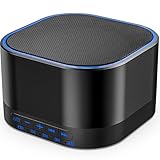
- ❤Notice: This sound machine needs to be plugged in for use.
- ❤20 Non-Looping Sleep Sounds: White noise ,Brown noise, pink noise, blue noise, fan,brook, rain, ocean,bird and Bonfire,suitable for for Baby and Kids and Adults.
- ❤Precise Volume & Timer Settings:With 32 Levels of Volume ,it is perfect for baby sleeping .And you can set 1 hour,2 hours,3 hours,4 hours and continuous play,control the comfort level for your own environment.
- ❤Unique Design: Solid-state design with 3.01inch*3.01inch *1.77inch,it is portable for home, office or travel,can give you a perfect sleep.
- ❤Function & Safety:Memory function automatically restores your previous volume, sound and time,it is powered by AC or USB.The machine is approved by FCC, CE and RoHS,don't need to worry about accidents.
| Room option | Why it can help | Checks before use |
|---|---|---|
| Basement | Usually has fewer windows and more separation from outdoor sound and lightning. | Confirm ventilation, dry flooring, safe access, and that the dog is comfortable going downstairs. |
| Interior bathroom | Often central, windowless, and easy to clean. | Remove medications, cleaners, toilet-access hazards, cords, and slippery mats. |
| Closet | Can provide darkness and enclosure when the dog already uses it voluntarily. | Keep the door open or otherwise permit exit; ensure airflow and enough room to lie down and turn. |
| Central hallway | Can avoid exterior walls and windows while preserving a larger escape-free area. | Secure nearby doors and gates, clear clutter, and add traction where the dog walks. |
| Another familiar interior room | Familiar scent and routine may matter more than choosing a theoretically perfect room. | Reduce window exposure and outside noise, then observe whether the dog settles there on calm days. |
A room is not automatically suitable because it is small or dark. If your dog panics when confined, a closed closet or bathroom can increase distress. In that case, use a larger safe zone and leave the route to the preferred hiding place open.
How do I prepare the room before a storm?
Prepare the room while the weather is calm, then make a short storm-day checklist. The following sequence addresses the main escape and injury risks before adding comfort items.
- Observe your dog’s preferred refuge. Note where your dog naturally rests or hides. Use that location if it meets the space, ventilation, and safety requirements above.
- Secure the perimeter. Check windows, exterior doors, baby gates, and fence access. Remove objects that could be knocked over, chewed, or swallowed. Keep the collar tag readable and the microchip registration information current.
- Improve the floor. Add a washable mat or bed that will not slide when the dog stands, circles, or changes position. Avoid loose coverings that bunch underfoot.
- Block flashes. Close blinds before lightning begins. If the room has windows, add blackout curtains to reduce visual scanning and sudden light changes.
- Add water and familiar bedding. Place a stable water bowl and blankets that already smell like home. Familiar scent can make the space more predictable.
- Set up sound masking. Start a fan, white-noise machine, television, or calm music before thunder arrives. Use a comfortable volume and keep the device positioned so it cannot be knocked over or chewed.
- Prepare optional enrichment. Offer a food puzzle or stuffed, frozen toy only if your dog has used that item safely before. Supervise chewing and remove the item if your dog begins tearing off or swallowing pieces.
- Keep the route voluntary. Leave the doorway open whenever that can be done safely. Let the dog enter, leave, hide, or remain near you without being pushed into a particular spot.
Do not wait for the first loud crack to discover that a door slams, a machine alarms, or a mat slides. Test every item during a quiet period and remove anything that creates a new startling sound.
Should I use a crate or closet for thunder?
Use a crate only when your dog already treats it as a safe resting place. A crate is not a storm intervention for a dog that is untrained, frantic, or trying to escape confinement; forcing the dog inside can intensify panic and create injury risk.
When a crate can be part of the room
- Your dog voluntarily naps or retreats there on ordinary days.
- The crate is large enough for the dog to stand, turn, lie down, and change position normally.
- The door can remain open, or you can monitor the dog closely if a veterinarian has given a specific confinement plan.
- A cover is used only if the dog remains comfortable with it and airflow is not restricted.
When not to close the crate
- The dog claws, bites bars, pants heavily, or repeatedly throws its body against the door.
- The dog has a history of escape injury or confinement distress.
- The crate is new, has been used only for transport, or is being introduced for the first time during a storm.
If your dog prefers a closet, under-table space, hallway corner, or another refuge, make that area safe instead of replacing it with a crate. The goal is voluntary shelter, not physical containment.
Also popular on Amazon

- EFFECTIVELY CANCELS NOISE: Our signature sound has helped millions experience better sleep for generations—including our furry family members. White noise effectively cancels out noises that may disturb or distract your pet.
- 6 SOOTHING SOUNDS: Choose from 6 sound options, including Dohm High, Dohm Low, Gentle Surf, Stream, and two soundtracks specifically designed to reduce dog anxiety—The Time Is Ours and Calm.
- INTEGRATED BARK SENSOR: Built-in bark sensor detects loud sounds and automatically plays your selected music to help calm your pet.
- MANAGE PET ANXIETY: Soothe your dog while you’re away—white noise is great for calming dogs during fireworks, thunderstorms, crate training, traveling, and being home alone.
- VOLUME CONTROL & TIMER: Play continuously or set the sleep timer to 45 minutes, 90 minutes, or 8 hours.
How can I reduce thunder and lightning triggers?
Layer sound masking and light reduction, but describe the result accurately: these measures lower the prominence of storm cues; they do not soundproof a household room or guarantee a particular decibel reduction.
The Tool Desk
Outbyte PC Repair FREEClear out junk files and repair common Windows errorsFree Scan →Outbyte Driver Updater FREEFix the driver behind crashes, sound loss and screen glitchesFind Drivers →Use two familiar sound sources
Run one source continuously before thunder starts and add a second if your dog remains comfortable. For example, combine a white-noise machine with calm music, or a fan with television. Cornell University College of Veterinary Medicine specifically recommends layering sources such as white noise and music to help drown out storm noise.
| Sound tool | Useful role | Safety and reliability check |
|---|---|---|
| White-noise machine | Provides steady masking sound that can run at a controlled volume. | Test its startup tones, alarms, controls, and power arrangement before storm season. |
| Fan | Adds a consistent low-level sound while moving air. | Keep cords secured and the fan out of reach; check that the motor does not rattle or startle the dog. |
| Television | Combines speech and continuous audio that may cover some thunder. | Disable sudden alerts or loud program changes when possible and keep the remote inaccessible. |
| Calm music | Can provide a predictable layer alongside another masking source. | Choose familiar, steady audio rather than tracks with abrupt peaks or effects. |
Begin at a volume your dog ignores. Watch for lowered posture, lip licking, panting, pacing, hiding, scanning, or refusal of food. If any of these increase after a device starts, lower the volume or remove that source. A device that alarms, clicks, or loses power unpredictably can become another trigger.
Reduce visual stimulation
Close blinds or draw blackout curtains before lightning begins. This limits flashes and the repeated visual scanning that can keep an anxious dog alert. Keep a small amount of safe ambient light if complete darkness makes your dog uneasy; the dog’s response determines the setting.
What should I put inside the storm room?
Choose items that are washable, familiar, and safe when your dog is anxious. The room should support rest without requiring the dog to interact with anything.
Outdated Drivers Are Slowing You Down
One free scan finds every outdated or missing driver and matches the right update for your exact hardware.Free scan · exact hardware matchWindows Errors? Fix Them Before They Spread
Repair common Windows errors and clear accumulated junk for a smoother, more stable PC - no reinstall needed.Free scan · no reinstallAlso popular on Amazon

- 🔹【 Mini Yet Powerful & 40-hour battery life 】This is the most powerful sound machine in its size with 30 soothing sounds, 32 volume levels, rechargeable, auto-off timer, memory function and flexible clip. This mini sound machine is easy to fit in your purse, bag or suitcase, making it easier for your baby and you to sleep undisturbed wherever you are. Sleep sounds for babies on the go.
- 🔹【 Loud Speaker, Effctively Masks Noise】The small white noise machine has the highest volume level on the market in the same size sound machine and it has 32 levels of volume, which can loud enough helps block disruptive environmental noises, help you improve sleep, focus on, office privacy, and meditation, perfer for home, office or travel.
- 🔹【Sleeping Better with 30 Soothing Sounds 】This portable sound machine baby with white noise, brown noise, pink noise, baby hushing sound, lullabies, fan, rain, thunder rain, wave, bird, fire, meditation and so on. It is not only a sleep soother machine for baby and kids, but also an ideal white noise machine for adults which can cover background noises for sleeping, working and relaxing.
- 🔹【 Rechargeable Portable Baby Sleep Aid 】The travel white noise machine with its small size but can be used for up to 40 hours, and it can easily fit in your backpack so that you can soother your baby anywhere. It not only has soft lullabies, but also has the sound of the mother's heart, creating a peaceful sleeping environment for the baby. A best baby sound machine for moms.
- 🔹【 4 Timer and Memory Function 】Continuously play, 30, 60, or 90 minutes, helpful for sleeping well all night or taking a nap. In addition, the memory function will automatically remember the previous setting, no need to reset for next use.
Resting surface
Use a washable bed or familiar blankets. A bed with a non-slip underside is preferable to loose fabric on a smooth floor. Bring the same bedding back after washing so the scent and texture remain familiar.
Water
Use a stable bowl that is difficult to tip. Check the water level when the storm begins and again if the dog has been in the room for an extended period.
Food toys and puzzles
A stuffed frozen toy, Lickimat, or other puzzle can provide optional licking or foraging. Offer it only if the dog already uses that item safely. Frightened dogs may chew more forcefully or swallow pieces, so supervise dogs that ingest bedding, rubber, plastic, or puzzle components. Never push food into a dog’s mouth or insist on eating when anxiety has removed the appetite.
Familiar scent
Blankets, a well-used bed, or another safe item carrying the household scent can make the room less novel. Avoid introducing strongly scented products, sprays, or new objects on storm day.
How do I teach my dog that the room is safe?
Build the association during calm weather. Short, successful sessions are more useful than placing a worried dog in the room only when thunder starts.
Also popular on Amazon
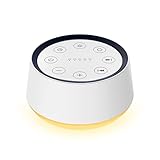
- ❤[Plug In White Noise Machine] This sound machine needs to be plugged in for use.
- ❤[30 Natural and Soothing Sounds] Our white noise machine provides 30 soothing sounds, including 3 Brown noise, 2 White noise(White noise, Pink noise), 2 fan noises( Loud and Soft Fan), 8 lullabies and 15 natural sounds( Rain, Sea waves, Brook, Bird, Train, etc.). This sound machine suitable for relieve stress, relax your mind and create a relaxing sleep environment.
- ❤[12 Night Light Colors] Sound machine with 12 kinds of light color, to suit your personal preferences at any time. You can choose the suitable nightlight to decorate the environment and create the perfect atmosphere for sleep and rest.
- ❤[10 Adjustable Levels Night Light] An adjustable soft lighting creates a comfortable sleeping atmosphere for baby kids and adults. Change your surroundings to create the perfect atmosphere for baby sleep, it is the best choice for night feedings.
- ❤[5 Timer Settings & Memory Function] This sound healing machine can be played continuously or 1,2,3, 4 hours auto-off timer, it is good for taking naps, relaxation, meditation, concentration while studying and working. The white noise machine is powered by AC. Our white noise machine can remember the last sound and volume level you selected when restarted, no need to reset to your previous settings.
Pair the room with ordinary good experiences
- Leave the door open and allow your dog to investigate without being lured or pushed inside.
- Serve occasional meals, play a familiar game, or provide a special food toy in the room.
- End sessions while the dog is still relaxed, then repeat on another day.
- Gradually vary your position so the dog can rest there while you sit nearby, move around, or briefly step away.
Practice a mat or bed settle
Reward a few seconds of relaxed posture on the mat, then slowly lengthen the interval before the next reward. Reinforce quiet choices such as resting the head, softening the body, or remaining on the bed while you move a short distance away. If the dog gets up repeatedly, shorten the interval rather than holding the dog in place.
Desensitize to storm sounds carefully
Use a recording at barely audible volume while the dog is relaxed and receiving rewards. Increase intensity in small steps only when the dog remains calm. If the dog startles, pants, paces, hides, or stops eating, lower the volume or end the session; resume later at an easier level.
Systematic desensitization is best planned outside storm season. An accidental, full-intensity exposure can undo progress, particularly if the dog has already developed a strong fear response. Never punish barking, destruction, hiding, or escape attempts. Cornell’s guidance is explicit: “Punishment must never be used because it will only increase your dog’s distress.”
Quick wins for a faster PC:
Scan for outdated or missing drivers - takes under a minuteDriver Scan →Clear out junk files and repair common Windows errorsFree Scan →Fix the driver behind crashes, sound loss and screen glitchesFind Drivers →What should I do on the day of a thunderstorm?
Use a predictable routine before the first thunderclap. Early preparation gives the dog a chance to toilet, exercise, and settle before the environment becomes frightening.
- Check the forecast early. Identify the likely storm window and gather the room supplies.
- Finish exercise and bathroom trips. Complete outdoor activity before thunder begins. If the dog must go out during or after a storm, use a leash even in a fenced yard.
- Bring the dog inside before the storm. Do not wait for the dog to bolt or become too frightened to respond normally.
- Close blinds and curtains. Reduce flashes before lightning is visible.
- Start masking sound. Turn on the tested fan, white noise, television, or music at a comfortable level.
- Offer choice. Stay available if the dog seeks contact, but allow hiding and avoid dragging the dog out.
- Secure exits again. Recheck doors, windows, gates, and the route to any preferred hiding place.
Keep your own movements calm and ordinary. You do not need to ignore a frightened dog; quiet proximity, gentle interaction, and access to the chosen refuge are compatible with helping the dog feel safe.
Also popular on Amazon

- 20 SOUNDS HELP YOUR PET SLEEP BETTER AND REDUCES ANXIETY. 20 built-in, made for pet sounds create a soothing and familiar sound environment for your pet; Perfect for helping pets deal with separation anxiety, new homes, thunderstorms or neighborhood noise.
- DOCTOR DEVELOPED SOUNDS. Sound tracks are doctor composed and chosen with pets in mind leading to greater effectiveness.
- USE AT HOME OR WHILE TRAVELING. Keep plugged in with included USB charging cable or use cord-free with built-in rechargeable battery; 4 - 5 hour run time on one charge; great for helping your pet relax and sleep at home or when traveling to new locations; plays your chosen sound continuously for all night/day use.
- ADD NEW SOUNDS FOR GREATER VARIETY. Add new sounds to your pet sound library by simply changing the micro SD card; use your own sounds or download new sounds from Sound Oasis; or have Sound Oasis create a custom sound card for your pet.
- COMPLETE PET THERAPY SOLUTION. Includes sound machine, 20 built-in sounds, USB charging cable, Help Your Pet Relax & Sleep Booklet, no cost use of Sound Oasis pet therapy APP. Let our 25 years of sleep expertise help your pet achieve a happier and healthier life with better sleep and relaxation; high quality sounds and construction.
When should medication be part of the plan?
Medication decisions belong with a veterinarian, especially when fear is severe, worsening, or linked to escape and injury. If a veterinarian prescribes an anti-anxiety medicine, ask about timing well before storm season, trial the plan on a quiet day, and give it early enough to work as directed. Never use human medication or alter a prescribed dose without veterinary instructions.
A veterinary behaviorist may be appropriate when storm fear overlaps with pain, separation anxiety, confinement distress, or another behavior problem. The most effective plans commonly combine environmental management, reward-based behavior modification, and medication when indicated.
Free tools Windows power users keep installed
One-click scans. No signup required.
How do I know the room is not enough?
Contact a veterinarian when your dog’s fear is moderate or severe, is getting worse, causes self-injury or escape attempts, or prevents eating and recovery after the storm. Seek help promptly if the dog damages teeth, nails, paws, or skin while trying to get out, or if you cannot keep the dog safely indoors.
- Escape risk: The dog repeatedly forces doors, windows, crates, or barriers.
- Injury risk: The dog collides with objects, breaks nails, bites through barriers, or injures the mouth.
- Persistent distress: Panting, pacing, hiding, or agitation continues long after the storm has passed.
- Loss of normal behavior: The dog will not drink, eat, rest, or recover between storm events.
- Multiple problems: Thunder fear appears alongside pain, separation-related distress, or confinement problems.
Bring your veterinarian a description of what happens before, during, and after storms, including escape attempts, appetite, and the time needed to recover. That information helps distinguish a room-management problem from a broader treatment need.
Storm-room checklist
- Familiar interior location selected.
- Few or no windows, or blinds and blackout curtains ready.
- Ventilation and safe, nonslip footing checked.
- Doors, windows, gates, cords, chemicals, and sharp objects secured or removed.
- Collar identification and microchip information current.
- Washable bed or familiar blankets placed inside.
- Stable water bowl available.
- White noise, fan, television, or calm music tested at a comfortable volume.
- Optional food toy offered only if previously used safely.
- Crate included only if the dog already chooses it voluntarily.
- Exercise and toileting scheduled before thunder.
- Leash ready for any necessary outdoor trip during or after the storm.
- Veterinary plan established if fear is severe, worsening, or dangerous.
Frequently Asked Questions
Can a dog’s thunderstorm fear start suddenly in adulthood?
Yes. A 2025 peer-reviewed report described a typical recorded median onset around two years of age, but that figure is not a prediction for every dog and does not explain an individual case. A sudden change warrants a veterinary discussion, particularly if pain, illness, or another new stressor could be involved.
Do blackout curtains stop a dog from hearing thunder?
No. Curtains address lightning flashes and visual scanning, while background audio addresses only part of the sound. Keep expectations realistic and combine visual reduction with a familiar refuge and behavior support.
What’s actually slowing this PC down?
Pick the symptom - the matching free tool is one click away.
What if my dog refuses every treat during a storm?
Refusing food can indicate that the dog is already over its coping threshold, not stubbornness. Remove pressure to eat, maintain access to water and shelter, and discuss the pattern with your veterinarian if it persists or interferes with recovery.
Can I leave the storm room running when the power may fail?
Only use equipment whose behavior during an outage you have considered, and never rely on a device that emits a sudden alarm or restart tone. The room must remain safe without sound equipment, with secure exits, ventilation, water, and a comfortable resting surface.





Leave a Reply