
What’s actually slowing this PC down?
Pick the symptom - the matching free tool is one click away.
Some links on this page are affiliate links: if you buy through them we may earn a commission, at no extra cost to you.
The safest default is simple: scoop feces promptly, seal it in a leak-proof bag or container, and put it in household trash unless your city or county gives different instructions. Keep pet waste out of storm drains, recycling, and ordinary compost. Some wastewater authorities permit unbagged dog feces to be flushed on a municipal sewer, but rules vary; never flush a bag, cat litter, or cat feces. Homes with septic tanks should use stricter local guidance because many septic authorities advise against putting pet waste into the system.
Good disposal protects people, pets, groundwater, and surface water. The method that works for a dog on a municipal sewer is not automatically safe for a cat, a litter box, or a septic household.
As an Amazon Associate I earn from qualifying purchases.
What is the safest everyday way to dispose of pet poop?
For most homes, bagged household trash is the broadly reliable route. The basic routine is scoop, contain, place, and wash.
- Scoop promptly. Removing feces soon after it is produced limits contact with children, other animals, soil, and runoff. Rhode Island’s environmental agency advises collecting dog waste, putting it in the trash, and never putting it in a storm drain.
- Use a leak-proof bag or container. Tie the bag securely before it goes into the bin. A second bag is practical for cat feces, and Metro Vancouver specifically recommends double-bagging cat feces.
- Use the correct waste stream. Put the sealed package in household garbage unless your local solid-waste authority explicitly accepts pet waste in another stream. Do not place feces, soiled bedding, or kitty litter in recycling.
- Wash your hands. Wear gloves for litter-box cleaning and wash thoroughly afterward. Keep litter scoops and waste tools separate from food-preparation equipment.
- Clean tools and nearby surfaces. Follow the cleaner manufacturer’s directions and avoid using pet-waste equipment for kitchen tasks.
“Compostable,” “biodegradable,” or “flushable” printed on a bag does not change the disposal rule. Seattle Public Utilities says pet waste belongs in trash even when the bag carries one of those labels, because the local composting process may not be designed to handle it.
Popular on Amazon

- [ Easy to Use ] : The dog poop bags rolls are on rolls that fit into any poo bag holder for easy access while on the go, the bottom easy-tear hole seam allows quick detach of each dog poop bag from the roll, making it convenient to use these poop bags for dogs anytime.
- [Sturdy and Durable]: These sturdy and durable dog waste bags are tear-resistant, and the double-sealed bottom ensures they won’t tear, making them a reliable choice for handling your dog’s waste.
- [ 100% Leakproof Dog Poop Bags ] :Lospu HY dog poop bags rolls for dogs are designed with rip-resistant technology that locks away odors and guarantees a mess-free leakproof seal. These large dog poop bags are suitable for all dog sizes, ensuring no leaks when using these poo bags dogs during walks. You can enjoy all the sights on walks with your furry best friend while using these reliable dog poo bags.
- [ Fresh Scented Doggy Poop Bags ] : These fresh lavender scented pet waste bags aren’t just for dog poop. They work great for cleaning cat litter, soiled baby diapers, food scraps, or car trash. These doggy poop bags with light fragrance help neutralize odors, making every cleanup quick and discreet.
- [ Value Package ]:Our pet waste bags come in a generous value pack, sized 13” x 9” to fit all dogs. Each roll contains 15 dog poop bags, with 24 rolls per box, totaling 360 dog poop bags in one package. This bulk quantity meets long-term needs for poop bags and provides great value for money compared to small packs.
Can I flush dog poop down the toilet?
Sometimes, but only when your local wastewater authority allows it, only on a municipal sewer, and only without a bag. Metro Vancouver and Seattle both describe unbagged dog feces as a possible toilet-flushing option because it can be treated with other sewage. Other authorities differ: Snohomish County, for example, says its municipal sewers are not designed for pet waste.
When municipal sewer guidance allows flushing
Remove the feces from the bag, place the feces alone in the toilet, and flush. Never flush the bag, even if its label claims that it is flushable, compostable, or biodegradable. Bags can clog household plumbing, pumps, or sewer equipment.
When you should use the trash instead
Use sealed household trash if your city or county does not expressly allow dog-waste flushing, if you cannot confirm which sewer system serves your home, or if the waste is mixed with litter, bedding, wipes, or other material. Local rules take priority over general advice because sewer designs and treatment permits differ.
What changes if you have a septic tank?
Do not assume that a toilet flush is safe because a municipal sewer nearby permits it. King County says pet waste is not recommended for septic systems, and federal septic guidance says toilets should receive only human waste and toilet paper; it lists cat litter among items never to flush. Ask your health department or wastewater authority for the rule that applies to your tank and drain field. Until you receive a clear local answer, bag pet feces and use household trash.
Can cat litter or cat poop be flushed?
No. Keep cat litter and cat feces out of the toilet. Metro Vancouver says cat feces should not be flushed, and Seattle’s guidance directs both cat litter and cat poop to the trash.
Also popular on Amazon
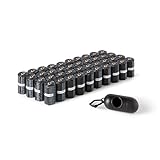
- Dog poop bags for quick, easy pick-ups
- Neatly contains waste and minimizes odors
- Leakproof design keeps hands clean and protected
- Includes 600 unscented plastic bags (15 bags per roll; 40 rolls), a dispenser, and a matching leash clip
- Large 13 x 9 inch bag size for generous coverage
Why cat waste is treated differently
Cat feces can contain Toxoplasma gondii. Metro Vancouver advises wearing gloves whenever you clean a litter box. Wastewater systems and septic tanks are not a reason to send litter down a drain, and clay, silica, wood, or plant-based litter can swell, settle, or otherwise interfere with plumbing and treatment equipment.
Quick wins for a faster PC:
Clear out junk files and repair common Windows errorsFree Scan →Scan for outdated or missing drivers - takes under a minuteDriver Scan →How to empty a litter box
- Put on disposable gloves.
- Scoop feces and urine clumps into a leak-proof bag.
- Tie the bag; double-bag cat feces when practical.
- Place it in household garbage unless your local authority has a documented alternative.
- Remove gloves safely and wash your hands. Clean the scoop and box with products used according to their labels.
Do not pour litter into a toilet, sink, storm drain, recycling cart, or ordinary compost pile. Keep the litter bag out of curbside organics unless the specific commercial facility serving your area expressly accepts that material.
Is it safe to compost dog or cat poop?
Ordinary backyard compost is not a safe default for dog or cat feces. Connecticut’s environmental agency warns that pet feces can contain parasites, bacteria, pathogens, and viruses that home composting is unlikely to destroy. Federal compost guidance also lists pet waste and cat litter among materials to avoid in a backyard pile because typical piles may not reach or maintain temperatures high enough for reliable pathogen destruction.
Why a normal compost pile is unreliable
Home piles fluctuate in temperature and moisture, and a cool or uneven pile can leave pathogens viable. Finished-looking compost is not proof that parasite eggs or disease-causing organisms have been eliminated. Turning the pile or adding more “brown” material does not create a guaranteed sanitation process.
What about curbside organics?
Do not put pet feces, litter, or soiled bedding in a curbside organics cart unless the operator specifically accepts them. Some commercial facilities use controlled temperatures and validated processing, while others reject all pet waste. Check the accepted-material list for the exact facility that serves your address; a bag marketed as compostable is not evidence that the facility accepts its contents.
Recommended Free Tools
Also popular on Amazon

- SUPPORT THE ORIGINAL POOP Bags created by two veteran visual media artists who turn the daily clean-up into a laugh.
- EXTRA THICK & LEAK PROOF: Durable design ensures no mess, no leaks, and no smells—perfect for even the toughest clean-ups, or the biggest diaper duty. Reliable & Practical: Designed for responsible dog owners who value quality and elevated design masquerading as low-brow art.
- LARGE GENEROUS SIZE: At 9"x13", these bags are large enough for most breeds, ensuring easy sanitary cleanup.
- BSCI-certified facility made from PBAT + PLA + Cornstarch, these pet waste bags are top quality and soft to the touch.
- Versatile Use: Ideal for backyard clean-ups, walks in the park, or while traveling, fitting easily into your daily routine and lifestyle. Refill your dispenser or gift them to friends.
Can a dedicated pet-waste digester be used?
A purpose-built system is different from an ordinary compost pile, but acceptance and operating requirements are local and product-specific. Follow the manufacturer’s instructions and your local health and waste rules. If those requirements are unclear, household trash remains the lower-risk option.
Can I bury pet waste in my yard?
Generally, no. King County does not recommend burying household pet waste because burial does not reliably destroy pathogens. Waste buried too close to the surface can be dug up by animals, and waste placed where rain can move through soil may contribute to groundwater contamination.
A narrow, local exception
If your local authority explicitly permits burial, follow its exact siting and depth rules. A Texas handbook describes one jurisdiction-specific method: a hole at least 1 foot deep, 3–4 inches of waste at the bottom, and at least 8 inches of soil cover. It limits the practice to ornamental areas and excludes food-growing locations. Treat that as a local exception, not a universal recommendation.
Where never to bury waste
- Vegetable gardens, herb beds, or areas used to grow food.
- Near wells, streams, drainage ditches, ponds, or property-line runoff paths.
- Play areas or places where children and pets dig.
- Locations that flood or remain waterlogged.
If you cannot verify that your local authority allows burial, bag the waste and use household trash.
Why does prompt cleanup matter?
Pet waste is a concentrated source of microorganisms and nutrients. Connecticut’s environmental agency estimates that an average dog produces about three-quarters of a pound of feces per day and says that daily amount can contain billions of fecal-coliform bacteria. Washed into stormwater or groundwater, those organisms can threaten water quality and drinking-water supplies.
Also popular on Amazon
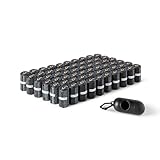
- Dog poop bags for quick, easy pick-ups
- Neatly contains waste and minimizes odors
- Leakproof design keeps hands clean and protected
- Includes 900 unscented plastic bags (15 bags per roll; 60 rolls), a dispenser, and a matching leash clip
- Large 13 x 9-inch bag size for generous coverage
The volume adds up in dense communities. Metro Vancouver reports more than 350,000 dogs producing waste each day. Leaving piles on lawns, sidewalks, or shared paths increases the chance that rain will carry contamination into a drain or waterway.
Storm drains are not sewers
A storm drain is designed to move rainwater, not to provide sewage treatment. Never throw a bag into a drain and never hose feces toward one. If a pile is near a drain, scoop it, seal it, and place it in the trash.
People who need extra precautions
Wear gloves for litter-box work and wash hands afterward. Cat feces can contain Toxoplasma gondii; pregnant people, people with weakened immune systems, and households with other medical concerns should follow advice from their clinician and local public-health authority about who should clean the box and how.
Outdated Drivers Are Slowing You Down
One free scan finds every outdated or missing driver and matches the right update for your exact hardware.Free scan · exact hardware matchWindows Errors? Fix Them Before They Spread
Repair common Windows errors and clear accumulated junk for a smoother, more stable PC - no reinstall needed.Free scan · no reinstallWhich disposal method fits my situation?
| Situation | Recommended route | What to avoid | Why the distinction matters |
|---|---|---|---|
| Dog feces, municipal sewer, local flushing allowed | Flush feces alone, without a bag, or use sealed household trash | Flushing any bag or mixed material | Some treatment plants accept unbagged dog waste; local sewer rules control |
| Dog feces, municipal sewer, rule unknown | Leak-proof bag in household trash | Assuming a neighboring city’s rule applies | Authorities differ on sewer capacity and accepted material |
| Dog feces, septic tank | Leak-proof bag in household trash unless the local authority gives another route | Routine flushing | Septic guidance commonly limits flushing to human waste and toilet paper |
| Cat feces or any cat litter | Bag, preferably double-bagged for cat feces, and use household trash | Toilet, sink, storm drain, recycling, or ordinary compost | Litter can damage plumbing; cat feces may carry Toxoplasma gondii |
| Backyard compost pile | Keep dog and cat waste out | Adding feces, litter, or soiled bedding | Typical home piles may not destroy pathogens |
| Curbside organics | Use only if the specific commercial facility expressly accepts pet waste | Relying on a “compostable” bag label | Programs and processing conditions vary |
| Burial | Use only where local rules expressly permit it and specify the method | Food-growing areas, drainage paths, shallow holes | Pathogens and parasite eggs can persist in soil |
How should I handle pet waste in an apartment or shared property?
Use the building’s designated garbage stream unless its management provides written instructions for another service. Tie every bag before carrying it through common areas, use a lidded bin where available, and do not leave bags beside a full container. Shared yards and dog runs still require prompt removal because runoff can carry contamination to drains.
Public bins and dog parks
Use a public pet-waste bin only when it is clearly designated for that purpose and your local program permits it. Do not put pet-waste bags in recycling containers or leave them beside a bin. If no approved bin is available, carry the sealed bag home for household trash rather than placing it in a storm drain or an unmarked container.
Also popular on Amazon

- 【100% Leakproof】: Made of premium plastic and Strict quality control process, these dog poop bags rolls ensures 100% leakproof, keep your hands clean when picking up your lovely pet’s poop.
- 【Strong & Sturdy】: These strong & sturdy poop bags for dogs won’t tear easily, the double sealed bottom make sure the bags won’t bust open, also a great cat poop bags and poop bags for cats litter.
- 【Easy to use】: Breakpoint design makes the bags easy to dispense, also the bags are easy to open for use. These bags make it a breeze for you to pick up the dog poop on walking.
- 【Large 13” x 9” Bags】: Wowflash waste bags for dog poop features the size of 13” x 9”, suitable for all kinds of dogs and fit the standard dispenser.
- 【Value Package】: The package contains 16 rolls of poop bags, total 240 count, which covers 4 month usage ( 2 bags per day).
High-volume households and kennels
Homes with several animals, boarding facilities, and kennels may need a contracted collection service or a local program with specific storage rules. Verify pickup frequency, container requirements, spill procedures, and which waste types are accepted before signing up; availability and terms vary by jurisdiction.
What should I do if a bag leaks or breaks?
- Keep children and animals away from the spill.
- Put on disposable gloves and use a second leak-proof bag or rigid container.
- Pick up solids with disposable material and seal everything together.
- Clean the affected hard surface according to the cleaner’s label, then wash your hands.
- For soil, gravel, or vegetation, remove visible material without directing water toward a drain. Contact your local public-works or health authority if a large amount entered a drain or waterway.
Do not rinse feces into a sink, toilet, gutter, or storm drain. Double-bagging cat feces and checking bags for holes before tying them reduce the chance of a repeat leak.
Free tools Windows power users keep installed
One-click scans. No signup required.
How do local rules affect the answer?
Waste and wastewater requirements are set locally, and the differences are material. Before flushing dog feces, using an organics cart, burying waste, or using a public bin, check your city or county solid-waste page and wastewater or health-department page. Confirm three details: whether your home is on a municipal sewer or septic system, which species and materials are accepted, and whether the rule applies to your specific collection program.
Keep a written or bookmarked copy of the current guidance because programs change. If two local pages appear to conflict, ask the agency that operates the sewer, septic-permitting, or waste program for a direct answer rather than guessing.
Frequently Asked Questions
Can I put a bag labeled “flushable” in the toilet with dog poop?
No. Even bags marketed as flushable, biodegradable, or compostable can obstruct household plumbing or wastewater equipment. If your local sewer authority permits flushing, remove the dog feces from the bag and flush only the feces; otherwise use sealed household trash.
Are compostable pet-waste bags recyclable?
No. A compostable label does not make a bag suitable for recycling, and many composting facilities reject pet-waste bags and their contents. Put the tied bag in household trash unless the facility serving your address explicitly accepts it.
What should I do with pet waste during a garbage-service delay?
Keep tied bags in a secure, lidded, leak-proof container away from children, pets, food, and floodwater, then place them in the approved trash stream when collection resumes. Do not stockpile waste in a compost pile or flush it to avoid temporary storage.
Is dog poop safer to handle than cat poop?
Neither should be handled bare-handed, and both belong in an approved waste stream. Cat feces receive additional caution because they can contain Toxoplasma gondii; wear gloves for litter-box cleaning and wash your hands afterward.



Leave a Reply