
Some links on this page are affiliate links: if you buy through them we may earn a commission, at no extra cost to you.
Let your dog shake in an easy-to-clean place, then press and blot the coat with a clean, absorbent towel. Work from the paws upward, drying between the toes, around the pads, under the belly, in the armpits and groin, beneath the tail, and on the visible outer ears. Feel down to the skin in long, thick or double coats, because a dry surface can hide wet hair underneath. Brush out tangles, and use a dog-specific dryer on cool or low airflow only when needed. Never blast concentrated hot air or insert cotton swabs into an ear canal.
What is the safest way to dry a dog after rain?
The safest routine is shake, blot, inspect and finish drying any areas that hold moisture. Vigorous rubbing can tangle long hair, form mats and irritate already-sensitive skin, so press the towel into the coat and lift it away. A short-coated dog may dry adequately with towels, while long, thick and double-coated dogs often need gentle brushing and carefully controlled airflow.
As an Amazon Associate I earn from qualifying purchases.
Outdated Drivers Are Slowing You Down
One free scan finds every outdated or missing driver and matches the right update for your exact hardware.Free scan · exact hardware matchPC Slower Than It Used to Be?
A free scan shows the junk files, broken settings and background clutter dragging Windows down - then fixes them in one click.Free scan · Windows 10 & 11Set up before you begin: have one or more clean towels, a brush suited to your dog’s coat, and a non-slip place where your dog can stand. A microfiber dog drying towel is light and highly absorbent; an ordinary bath towel can work, but it may become heavy and saturated sooner. If the walk left mud or grit on the paws, keep lukewarm water and a paw cleaner available.
1. Let your dog shake first
Allow the shake in a bathroom, entryway, mudroom or other easy-to-clean area. Do not restrain the head or try to stop the shake; it removes loose surface water before you start towel work. Stand clear of the swinging coat and eyes, then move in once the dog is calm.
Popular on Amazon

- 【High Absorbency】WOUSEDO microfiber pet towels has excellent absorbency, quickly soaking up moisture from your pet's coat to keep it dry
- 【Soft & Skin-friendly】Our Microfiber dog towels made from ultra-fine fiber material, the towel is soft to the touch and gentle on your pet's skin, making it suitable for dog, cat and puppy with sensitive skin
- 【Quick Drying】The towel machine washable and dries quickly, allowing for convenient washing and rapid reuse, perfect for pets that require frequent baths
- 【Lightweight and Portable】Its lightweight design makes the pet towel easy to carry, providing convenience for pet owners when on the go, ideal for travel or outdoor activities
- 【 Durability】Our Microfiber towels feature fine side whipstitch design,Resistant to Shedding, and the ultra-fine fiber is wear-resistant, maintaining its performance even after multiple washes, ensuring reliable long-term use
2. Press and blot instead of scrubbing
Place the towel against a wet section, apply gentle pressure, and lift it away. Reposition to a dry part of the towel as it absorbs water. Virginia Tech Veterinary Teaching Hospital summarizes the technique as: “Press towels against the coat rather than rubbing.” Scrubbing back and forth is especially likely to felt or tangle long hair and can aggravate irritated skin.
3. Start at the paws and legs
Dry the tops and bottoms of every paw. Separate the toes and blot between each one, then dry around the paw pads and the lower legs. Wet grit can stay trapped in these spaces, so rinse mud or sand with lukewarm water, or use a paw cleaner, before drying. Check that no small stone, twig or clump of debris remains.
Quick wins for a faster PC:
Repair Windows errors before they cause bigger problemsFix Now →Scan for outdated or missing drivers - takes under a minuteDriver Scan →Clear out junk files and repair common Windows errorsFree Scan →4. Work through moisture-trapping body areas
Continue upward to the belly, chest, armpits, groin, skin folds and the area beneath the tail. These places receive less air and can stay damp even when the back looks dry. In a dense coat, put your fingers through the hair and feel close to the skin rather than judging by the surface alone.
5. Dry the ears conservatively
Blot the visible outer ear and the part of the opening you can see. Do not push a cotton swab, tissue or towel into the ear canal. Banfield’s guidance specifically warns against cotton swabs in the canal because they can push material deeper or injure the ear. Leave canal cleaning to a veterinarian’s instructions and a product intended for that purpose.
6. Brush long or double coats as they dry
Once the coat is towel-damp rather than dripping, brush gently to separate sections. This helps air reach the undercoat and prevents damp clumps from tightening into mats. Work in small areas and stop if the brush catches; pulling through a snag can hurt the skin. Cornell notes that towels may be enough for a short coat, whereas long or double coats may require both brushing and a blow dryer.
How should I dry a thick, long or double coat?
Use several short towel-and-brush cycles instead of one aggressive session. Press out water, part the hair with your fingers or brush, then blot the newly exposed layer. Pay particular attention to dense areas around the collar, chest, armpits, feathered legs, tail and behind the ears.
Free tools Windows power users keep installed
One-click scans. No signup required.
If your hands still find cool, wet sections near the skin after towel drying, controlled airflow can finish the job. Keep the dog standing on a secure, non-slip surface and check the skin as you work. A dog drying robe can absorb residual moisture after the initial towel pass, but it is an aid, not a substitute for checking the coat underneath; remove it and inspect the dog rather than leaving a damp layer covered indefinitely.
Also popular on Amazon

- Pet Towel Measures 44 x 27.5"
- Provides comfort for your pet and protection for your couch, carpet, car, bed, floor, or chair
- Lightweight and easy to care for; this towel can be stored in your car for on the go trips for your pet or at home
- Great for grooming, traveling, a pet kennel, or cage to keep your pet warm, cozy and comfortable
- Very absorbent and thirty, making drying your pet easy
Why surface dryness is misleading
Guard hairs can feel nearly dry while the undercoat remains wet. Cornell reports that rain or water left in thick coats can contribute to hot spots, and mats hold moisture next to the skin. Dogs with thick coats and dogs with drop ears are particularly prone to these problems. The practical test is to part the hair in several places and feel the skin, especially in areas that are folded, shaded or densely furnished.
Can I use a hair dryer on my dog?
Use a dryer only when towels and brushing cannot dry the coat fully, and choose a dog-specific dryer with adjustable airflow. Set it to cool or low heat, keep the stream moving, maintain distance from the skin, and stop immediately if your dog becomes distressed. The American Kennel Club cautions: “But it’s important not to use a human blow dryer on your dog.” Human dryers can deliver concentrated heat too close to the skin.
A safe dryer sequence
- Introduce the sound before the air. Let your dog see and sniff the switched-off dryer. Turn it on at a distance for a short period, reward calm behavior, and increase proximity gradually rather than starting beside the head.
- Begin with the lowest practical setting. Use cool or low heat and low airflow while your dog learns the sensation. A high-velocity dog dryer can be useful for a thick coat, but its force and noise require extra distance and a slow introduction.
- Keep the nozzle moving. Sweep across the coat instead of holding the stream on one patch. Avoid directing air into the eyes, nose, mouth, genital area or ear opening.
- Dry in sections. Part the coat with your free hand or brush, move air across the exposed hair, and then check the skin. Return to the paws, folds, belly and behind the ears before finishing the back and sides.
- Stop at stress signals. Panting unrelated to exertion, trying to flee, freezing, trembling, repeated lip licking or other clear distress means the session is too intense. Switch back to towels, give the dog space, and try gradual sound conditioning another day.
Why a human dryer and some crate dryers are poor choices
A human blow dryer can create a hot, concentrated stream that burns or overheats skin before you notice. A crate dryer may also be unsuitable for a dog that is frightened by confinement or motor noise; a distressed dog cannot move away from the airflow. Direct, supervised drying lets you adjust distance, heat and direction continuously.
How do I dry my dog’s paws after rain?
Inspect each paw before wiping. Rinse off mud, road grit or sand with lukewarm water, or use a paw cleaner when debris is packed around the toes. Then blot the top, sole, spaces between every toe and the skin around each pad. Spread the toes gently so you can see what the towel cannot reach.
Finish by checking for cuts, scrapes, redness, swelling or a lodged twig or stone. A dog that persistently licks one paw after the walk may have more than leftover moisture. Do not force a painful paw open; arrange veterinary advice if the dog reacts strongly or the problem does not settle.
How do I dry my dog’s ears without causing injury?
Use a corner of a soft towel to blot the outer ear and the visible entrance only. Never insert cotton swabs into the canal, and do not pour water or home remedies into an ear unless a veterinarian has directed you to do so. Drop-eared dogs deserve an especially careful moisture check because the ear flap can cover a damp environment.
After drying, watch for repeated head shaking, ear scratching, discharge, a strong odor, pain when the ear is touched or a head tilt. Those signs point to possible ear disease rather than ordinary post-walk dampness and warrant veterinary advice.
What’s actually slowing this PC down?
Pick the symptom - the matching free tool is one click away.
Also popular on Amazon

- SUPER ABSORBENT — The ultra soft, tightly woven microfiber chenille fabric soaks up to 10x more water and mud than standard towels. It holds up to 7x its weight in water for even the soggiest doggy in your family.
- PERFECT SIZE — 35x15 inches and a plush 1 inch thick, its the perfect-sized towel to dry your pet. It's suitable for dogs and cats of all different breeds and sizes. One size fits them all.
- EASY TO USE — The dual hand pockets with elastic bands provide better grip to dry your dog's legs and underbelly while the fabric "noodles" gently massage and wick water from your pooch.
- QUICK DRYING — Dry your dog 8x faster than a typical cotton towel - its even faster than using a blow dryer! Plus the odor-resistant towel is skin and fur-friendly so it never gets that "wet doggy" smell.
What should I check before letting my dog go?
Make a final nose-to-tail inspection under good light. Part the coat in several locations and confirm that the skin feels dry, not merely that the guard hairs look fluffy. Run your fingers over places where debris and moisture hide:
- Between every toe and around each paw pad
- Lower legs, feathering and the underside of the belly
- Chest, armpits, groin and other skin folds
- Behind and beneath the ears, without entering the canal
- Under the tail and around the rear
- Collar, harness and other areas compressed by equipment
Remove trapped twigs and stones, and look for redness, scrapes, scabs, unusual odor or moist patches. If the dog wears a collar or harness, dry the contact area and the equipment separately so damp fabric does not keep the skin wet.
Why is complete drying important?
Moisture held against skin can contribute to hot spots, particularly when a thick coat is matted. Cornell describes rain and incomplete drying as risk factors, and the ASPCA links rain exposure and matted coats with hot spots. Excessive scratching, licking or biting, abnormal skin, heat, swelling, oozing or painful lesions are not normal signs of a wet walk.
Drying also helps you find problems the rain may have hidden. A careful inspection can reveal a new scrape, a burr, a tick attached to the skin or a sore spot under a harness. Finding these early is more useful than trying to cover them with a robe or more brushing.
Do these 3 things before closing this tab:
1Repair Windows errors before they cause bigger problems2Fix the driver behind crashes, sound loss and screen glitches3Clear out junk files and repair common Windows errorsWhat if my dog is wet and cold?
Move the dog to a warm place, remove wet equipment and wrap it in dry towels or blankets. Handle gently; do not vigorously rub tissue that may have been chilled or injured. Replace damp towels with dry ones and monitor the dog while arranging help.
Shivering, lethargy, weakness or pale or blue gums are warning signs of cold stress that require urgent veterinary attention. A dog that remains cold, unusually quiet or uncoordinated after warming should not be sent back outside or left alone to “dry off.”
Independent reader supportYour contribution helps us test, update, and keep practical guides available for everyone.Which drying products are useful?
Choose equipment for the coat and the actual task rather than buying every accessory. These are the practical roles and selection points supported by veterinary guidance:
Also popular on Amazon
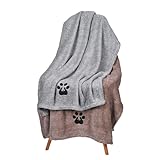
- EASY TO CARRY AND USE: 2-Piece set includes, 1 grey + 1 brown towel. Suitable for medium & small dogs, cats, and other furry pets, for bathing, swimming, outdoors, travel, camping, pet mobile groomers, and pet grooming salons.
- SUPER ABSORBENT: Made from premium high-density microfiber, it is extremely soft and delicate, fluffy, and smooth to the touch. It can absorb about 9.1 times its own weight in water, quickly soaking up around 2000 ml of water, absorbent and drying speed far exceed those of ordinary towels.
- EASY MAINTENANCE AND CLEAN: With its flexible, sturdy, good-quality microfiber, the towel is resistant to tearing and free from lint. it is machine washable and dry, without creating unpleasant damp odors. It does not shrink or lose its shape after repeated use and washing, and continues to maintain its softness, absorbency, color, and lint-free condition over time, making it perfect for frequent use.
- SIZES: 36" x 28", designed for small to medium sized dogs. The length-to-width ratio is just right. Unlike many towels on the market that are overly long but not wide enough, this thoughtfully designed size provides optimal coverage for your dog and quickly absorbs moisture.
- MULTIPURPOSE: The unique towel size and soft, thick, plush fabric make it both a super absorbent pet bath towel and a comfortable pet blanket.
| Product | Useful for | Selection and use points |
|---|---|---|
| Microfiber dog drying towel | Removing surface water from any coat | Lightweight, absorbent and large enough to press over the dog’s body; keep a second towel available when the first becomes saturated |
| Dog paw cleaner | Mud or sand caught around toes and pads | It should rinse clean easily; use lukewarm water and dry every toe and pad afterward |
| Low-heat or high-velocity dog dryer | Finishing thick or double coats after towel drying | Look for controllable airflow and heat; use moving cool or low airflow, introduce noise gradually and supervise continuously |
| Dog drying robe | Absorbing residual moisture while the dog is calm | Fit should allow normal movement, fabric should be washable, and the coat still needs an under-layer inspection before the robe comes off |
For towels, compare absorbency and size. For dryers, compare airflow type, heat control, noise and suitability for the coat. For paw cleaners, consider cleaning effectiveness and ease of rinsing; for robes, consider fit, washability and how quickly the fabric dries between uses.
The Tool Desk
Outbyte PC Repair FREERepair Windows errors before they cause bigger problemsFix Now →Outbyte Driver Updater FREEFix the driver behind crashes, sound loss and screen glitchesFind Drivers →What are the most common drying mistakes?
- Rubbing hard to save time: This tangles long hair, tightens mats and may irritate skin. Press, lift and move to a dry towel area instead.
- Stopping when the top looks dry: Moisture often remains at the skin, in the undercoat, folds and between toes. Part the coat and feel those locations.
- Using heat close to the skin: Concentrated hot air can burn or overheat a dog. Use a dog-specific dryer on cool or low airflow, keep it moving and maintain distance.
- Forcing a frightened dog through a dryer session: Noise and airflow can trigger panic. Condition the sound gradually and use towels when the dog cannot remain relaxed.
- Putting a cotton swab in the ear: The canal is not a place for improvised drying. Blot only the visible outer ear.
- Covering a damp coat and forgetting it: A robe can absorb residual moisture, but hidden dampness still needs a skin-level check and a final dry.
- Ignoring debris picked up on the walk: Twigs, grit and stones can sit under wet hair or between toes. Inspect before the dog settles down.
When should I call a veterinarian?
Contact a veterinarian for worsening redness, heat, swelling, oozing, painful lesions, a strong odor, persistent licking, scratching or biting, ear discharge, repeated head shaking, ear pain or a head tilt. These signs can indicate a hot spot, skin infection or ear disease rather than simple post-walk dampness.
Seek urgent help for a wet, chilled dog showing shivering with lethargy or weakness, or gums that look pale or blue. Do not wait for routine drying to resolve signs of cold stress.
How can I make the next rainy walk easier?
Keep a towel and brush at the door, and decide where the dog will shake before you leave. A quick paw rinse, followed by toe-by-toe drying, prevents grit from remaining in the house and gives you an early chance to spot a sore pad. For a long or double coat, regular gentle brushing keeps wet sections from forming tight mats after the walk.
Introduce a dryer when the dog is completely dry and relaxed, not during the first stressful rainy return. Pair the distant sound with calm behavior, increase exposure in small steps, and preserve the option of towel drying. The goal is a calm, fully dry dog—not the fastest possible blast of air.
Frequently Asked Questions
How long can I leave a dog-drying robe on my dog?
Use a robe only while you can supervise and while the dog remains comfortable. Remove it to check the hair and skin underneath; the garment should not replace complete drying or an inspection of folds, paws and the undercoat.
What should I do if my dog panics when the dryer turns on?
Turn it off, give the dog space and finish with towels rather than restraining the dog near the noise. On a dry day, reintroduce the sound at a distance for brief periods and increase exposure only while the dog stays relaxed.
Is a wet dog more likely to get an ear infection after rain?
Rain alone does not establish an infection, but moisture, ear shape and existing skin problems can contribute to ear trouble. Discharge, odor, pain, repeated head shaking or a head tilt needs veterinary assessment instead of deeper home cleaning.
Should I brush a wet dog immediately after the walk?
First press out excess water so the coat is damp rather than dripping. Then brush gently in small sections to separate damp hair and prevent mats, stopping whenever the brush catches or the dog shows discomfort.





Leave a Reply