
What’s actually slowing this PC down?
Pick the symptom - the matching free tool is one click away.
Some links on this page are affiliate links: if you buy through them we may earn a commission, at no extra cost to you.
File a complaint with the veterinary licensing board in the state where the veterinarian practices. Start by confirming the correct board through the American Association of Veterinary State Boards (AAVSB) license directory; AAVSB itself does not investigate complaints. A board complaint can lead to licensing discipline when evidence suggests a violation of veterinary-practice law or professional standards, but it usually cannot order a refund or pay damages. Those financial remedies generally require mediation, a consumer process, or a civil case. The form, filing channel, confidentiality rules, deadlines, withdrawal rights and appeal options differ by state, so follow the current instructions on the board’s own website.
What does a veterinary licensing board do?
A state veterinary board regulates licenses and investigates alleged violations of the veterinary practice act, administrative rules or professional standards. It can decide whether a veterinarian or, in some states, a veterinary establishment complied with those requirements. Possible sanctions include a reprimand, required education, probation or other conditions, a fine, suspension or license revocation, depending on state law and the facts.


As an Amazon Associate I earn from qualifying purchases.
The board is not a court and does not act as your lawyer. Maryland’s board states that it “does not represent you.” A board may close a matter without finding a violation, even when a client is unhappy with the treatment or outcome. The board’s role is public protection and license regulation, not deciding every dispute between a clinic and a client.
Where do I report a veterinarian?
Submit the complaint to the veterinary licensing board in the jurisdiction where the veterinarian practices. A veterinarian must hold a license in each jurisdiction where they practice. The AAVSB Veterinary License Look-Up can help identify the state board and verify a license, but AAVSB says it does not process complaints against veterinarians or veterinary technicians.
Popular on Amazon
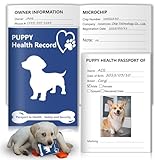
- Product Include:When you choose our dog vaccines records tracker, you'll receive one notebook.This 12-page puppy health journal has 8 dedicated pages for tracking your pup’s health, vet visits, and key details, with 4 blank pages at the end for jotting down extra notes, pet-related info, or anything else you want to record.
- Ideal Size for Record Keeping:Each dog vaccine record book measures 5x3.5 inches folded; 5x7 inches unfolded, allowing for easy portability and storage.These handy health records notebook for dogs with double sided printing, featuring enough space for all your pets important information,plus, it has dedicated spots for sticking on vaccine stickers and adding cute puppy photos.They offer a stylish and organized approach to pet health documentation, a must have addition to your pet supplies.
- Premium Quality: The puppy health record tracker’s cover features 300gsm coated paper with vibrant full-color printing and a protective laminate finish. Inside, 100gsm high-quality offset paper pages are durable and ink-resistant, ensuring no bleeding from pens or markers—so your records stay neat and easy to read.
- Effortlessly Track Vaccinations and More:The canine health record booklets pages include:owner and puppy information,medical history and hospitalizations,vaccination record and sticker,dog service providers,fecal examinations and de-worming,heartworm screening, prevention and treatment etc.This record keeping tool will ensure every important detail is accounted for and make this task easy, organized, and straightforward.Add this essential tool to your pet supplies for a happier, healthier pet.
- Essential for Pet Owners:Designed for veterinary clinics and pet owners, these puppy vaccination record books make tracking key health details—like shots, checkups—simple and organized. When you’re away and leave your pup with a sitter or family, the dog medical record and vaccine book serves as a quick reference for their medical history. Plus, dedicated sections for photos, physical markings, and ID info prepare you for emergencies, helping you recover your friend quickly if they get lost.
Confirm the board and license
- Use the AAVSB directory to identify the state board.
- Open the state board’s official complaint page rather than relying on a third-party form.
- Search the veterinarian’s name and license number, if available, to confirm the license and check for posted disciplinary history.
- Check whether the complaint concerns an individual veterinarian, a veterinary technician or a separate veterinary establishment; some states use different forms or channels.
If treatment occurred across state lines, identify where the veterinarian was licensed and where the conduct occurred. Contact each potentially relevant board for direction instead of assuming that the state where the animal lives is the correct jurisdiction.
Is my problem something the board can investigate?
Boards generally investigate conduct that could violate licensing law, board rules or accepted professional standards. They commonly review allegations about inadequate records, improper treatment, unsafe practice, unprofessional conduct, controlled-substance violations, impairment, fraud involving the license or practicing without a required license. The exact scope is set by each state’s practice act.
Crashes, No Sound, or Screen Glitches?
Random freezes, missing sound and display glitches usually trace back to one bad driver. Find and replace yours safely.Free scan · under a minutePC Slower Than It Used to Be?
A free scan shows the junk files, broken settings and background clutter dragging Windows down - then fixes them in one click.Free scan · Windows 10 & 11Many boards exclude disputes that do not present a licensing issue. Examples identified in state guidance include fees, pricing, billing, bedside manner, refusal to see a pet and ordinary business disagreements. A poor outcome by itself does not prove negligence or misconduct; the board needs facts that could amount to a legal or professional violation.
Separate a care allegation from a payment dispute
A complaint can describe both treatment concerns and a billing disagreement, but explain them separately. The board may evaluate the treatment conduct while declining to decide whether a charge was fair. For a refund, disputed invoice or damages claim, consider the clinic’s internal complaint process, mediation, a consumer-protection route or a civil proceeding.
How should I prepare the evidence packet?
Prepare a chronological, factual packet before opening the form. A clear timeline lets an investigator match each allegation to a date, record or witness. Keep the original documents and submit copies or electronic scans in the format the board accepts.
Build a dated timeline
- Date and location of every visit, call, message, test and procedure.
- What you reported about the animal’s symptoms and what the veterinarian or staff said in response.
- Examinations, diagnoses, medications, procedures, referrals and discharge instructions.
- When the animal’s condition changed, when you sought another opinion and what happened afterward.
- Any communications about records, follow-up care, payment or attempts to resolve the issue.
Collect supporting documents
- The veterinarian’s full name, clinic name, address and license number if available.
- The animal’s identifying information and relevant history.
- Medical records, laboratory and imaging reports, prescriptions and treatment notes.
- Invoices, receipts, estimates and payment records.
- Dated photographs or videos that help show the condition or outcome.
- Emails, text messages, letters and portal messages with the clinic.
- Names and contact information for witnesses.
- Records from other treating veterinarians and any written second-opinion report.
Kansas specifically asks for identity, dates, a treatment description and second-opinion reports. Texas’s form requests license information, service dates, witnesses, other treating veterinarians and a detailed explanation. Those examples illustrate the level of specificity that makes a complaint usable, even where another state’s form has different fields.
Also popular on Amazon

- All-in-one pet care tracking: vaccinations, vet visits, medical exams, medications and more
- Easy access to pet’s health info: stay organized and on top of your pet's health
- Ample writing space: never run out of space; designed to last entire life of pet
- High-quality materials: durable and elegant design for long-lasting use
- Portable size: convenient A5 size, perfect for on-the-go; practical for vet visits and storage
Protect privacy and preserve originals
Store a complete copy of everything submitted, including attachments and the confirmation or mailing receipt. Do not alter a medical record or photograph. If the board’s portal limits file size, label each file with the date and document type and explain any omitted pages in the narrative.
What is the filing process?
States accept different submission methods. The required channel may be an online form, a signed paper complaint, email, mail or fax. Use only the method specified by the board; sending an informal message to a general mailbox may not open a case.
- Read the state instructions. Note signature rules, document formats, language-access options, deadlines and whether the board accepts anonymous complaints.
- Complete every required field. Give the veterinarian and clinic details, service dates, animal information and a concise description of the conduct.
- Attach organized evidence. Refer to exhibits by name or number in the narrative so the investigator can locate the supporting record.
- State the issue for review. Describe the conduct and the rule or professional concern you believe the board should examine, without asserting facts you cannot support.
- Submit through the required channel. Save the electronic confirmation, or use trackable delivery for paper filings when practical.
- Respond to follow-up requests. Keep your contact information current and answer requests within the stated time.
State filing examples
| State | Submission and notable rules |
|---|---|
| Texas | All complaints must be submitted in writing on the board’s complaint form. The board screens jurisdiction, requests records and a written response, and offers status information while generally withholding active investigative details. The veterinarian may be asked to respond within 21 days; that is a process step, not a nationwide filing deadline. |
| Maryland | Filing is online through OneStop. The board says a filed complaint cannot be withdrawn, the complainant has no right to request a hearing or appeal the decision, and the board does not handle fees or pricing. |
| Kansas | The written complaint should identify the parties, dates and treatment, and include second-opinion material when available. Sanctions can range from a reprimand to revocation; compensation claims require a separate civil route. |
| Ohio | Written complaints may be anonymous. The board excludes fees, billing, bedside manner, refusal to see a pet and several business matters. |
| California | The board accepts an online or printable complaint. Personal information is voluntary and anonymous complaints are allowed, although anonymity can limit follow-up. |
| Florida | Use the department’s online complaint portal or customer center for a veterinarian or establishment. Alleged unlicensed activity has a separate complaint channel. |
These examples are not substitutes for the current instructions in your state. Forms and policies can change, and a state may distinguish between a licensed veterinarian, a technician and an establishment.
How do I write a persuasive complaint?
Write as an investigator’s briefing, not as a review of the clinic. Begin with a short statement identifying the veterinarian, the dates of care and the conduct you want reviewed. Then present events in date order and connect each important assertion to a record, photograph or witness.
Use facts instead of labels
“On March 4, the discharge sheet instructed two tablets daily; the prescription label said one tablet, and the clinic did not return two messages before the animal received the second dose” is more useful than “the veterinarian was reckless.” Explain what you observed, what you were told, what document supports it and what happened next. Avoid insults, speculation about motives and medical conclusions outside your knowledge.
Identify the requested review
Tell the board which conduct you believe may violate licensing requirements and why. You may ask the board to review records, informed-consent questions, medication handling, follow-up instructions or another specific issue. Do not demand a result the board may not have authority to provide, such as a refund or a damages award.
Also popular on Amazon
Report urgent safety concerns promptly
If an animal is in immediate danger, seek emergency veterinary care first. A licensing complaint is an administrative process and is not a substitute for treatment, poison-control advice or emergency services. Preserve the emergency records because they may document the animal’s condition and the timing of subsequent care.
What happens after I file?
The board normally screens the submission before a full investigation. It first considers whether it has jurisdiction and whether the allegations, if supported, could violate the practice act or board rules.
Screening and requests for information
An investigator may ask for missing records, obtain treatment records, contact witnesses, interview you or send the allegations to the veterinarian for a written response. Texas describes requests for records and a written response as part of its process. Respond completely and keep copies of every supplemental submission.
Investigation and board review
The investigator may prepare a report for review by the board or its authorized panel. The board can close the case without action, seek an agreement or impose discipline allowed by state law. The evidence standard, meeting procedure and notice provided to the parties differ by state.
Confidentiality and public records
Do not assume that filing is private everywhere. Texas says active complaint files are generally confidential and investigative details ordinarily cannot be disclosed, while final disciplinary actions are public. Other states have different public-records rules. The board’s notice should explain what information may be released and when.
Timing
There is no authoritative nationwide average for resolution time. Louisiana cautions that investigations can take several months or longer. Delays may result from record collection, expert review, witness interviews, board meeting schedules or legal procedures. A 21-day response request to a Texas veterinarian is one deadline within that process, not a promise that the case will finish in 21 days.
Recommended Free Tools
Also popular on Amazon
Can I withdraw, appeal or request a hearing?
Those rights depend entirely on state law and the board’s rules. Maryland says a filed complaint may not be withdrawn and that a complainant has no right to request a hearing or appeal the decision. Another state may provide a different notice or review process, so read the board’s instructions before filing and ask the board how it handles reconsideration or appeals.
If you are contacted for testimony or receive a formal notice, meet the stated deadline. A private attorney can explain procedural rights in your state, especially when the matter involves substantial harm, a possible malpractice claim or a parallel civil action.
Can a veterinary board make the veterinarian refund my money?
Usually not. Licensing boards primarily protect the public and regulate licenses; they generally do not award damages, order a refund or replace a civil court. Maryland points complainants toward private counsel or mediation, Kansas toward civil proceedings and New Mexico toward a court or attorney when restitution is sought.
| Your main goal | Route that may fit | What to expect |
|---|---|---|
| Professional discipline or license conditions | State veterinary licensing board | Administrative investigation; possible reprimand, education, probation, fine, suspension or revocation. No guaranteed compensation. |
| Refund or invoice correction | Clinic resolution process, mediation or consumer remedy | Focuses on payment and contract issues; eligibility and procedures vary. |
| Damages for injury or loss | Civil proceeding with legal advice | Requires proving the elements of the claim under state law and meeting filing deadlines. |
| Unlicensed practice | State’s unlicensed-activity channel | Often handled separately from a complaint about a licensed veterinarian. |
You can pursue a board complaint and a separate financial remedy when each process addresses a different issue. Preserve the same records, but check with a lawyer before making statements that could affect pending litigation or an insurance claim.
Quick wins for a faster PC:
Scan for outdated or missing drivers - takes under a minuteDriver Scan →Repair Windows errors before they cause bigger problemsFix Now →Fix the driver behind crashes, sound loss and screen glitchesFind Drivers →What mistakes can weaken a complaint?
- Sending it to the wrong recipient: AAVSB and professional associations do not replace the state licensing board.
- Submitting a general grievance: A narrative without dates, names and records makes jurisdiction and fact-finding harder.
- Mixing every disagreement together: Separate alleged practice violations from fees, customer service and contract disputes.
- Ignoring the required format: An unsigned or unofficial submission may be rejected or delayed.
- Overstating conclusions: Let the board assess negligence or misconduct; report observable facts and supporting documents.
- Expecting confidentiality or a particular sanction: Disclosure, withdrawal, appeal and penalty rules vary.
- Discarding originals: Keep the complete file and proof of submission in case an investigator requests clarification.
How should I choose between a board complaint and another remedy?
Compare five factors before filing: jurisdiction, desired outcome, available evidence, confidentiality and appeal rights, and expected timeline. A board complaint is appropriate when the facts could implicate licensing law and the goal is regulatory review or public protection. Mediation or a consumer route may fit a billing dispute. A civil case may be necessary for damages or restitution.
Write down the outcome sought and the evidence supporting it. If the desired outcome is money, do not rely on the board alone; investigate the limitation period and procedural requirements for a civil or consumer claim in your state. If the desired outcome is discipline, make the licensing allegation specific and submit it through the board’s required channel.
Also popular on Amazon
What should I do if the board closes the case?
Read the closure notice carefully. It may explain that the board lacked jurisdiction, found insufficient evidence or addressed the matter through another action. Ask whether the notice identifies a reconsideration process or a new submission route for material evidence; do not assume an appeal exists. If the closure concerns compensation rather than professional conduct, pursue the separate remedy that matches the financial dispute.
Keep the notice, your submission and all records together. If the animal’s condition remains unresolved, continue care with a qualified veterinarian and request complete records for ongoing treatment.
Do these 3 things before closing this tab:
1Repair Windows errors before they cause bigger problems2Scan for outdated or missing drivers - takes under a minute3Clear out junk files and repair common Windows errorsPractical filing checklist
- Correct state board identified and license verified.
- Complaint form or portal requirements reviewed.
- Veterinarian, clinic, animal and service dates listed.
- Dated timeline completed.
- Medical records, invoices, images, messages and witness details assembled.
- Second-opinion records included when relevant.
- Facts written objectively with unsupported conclusions removed.
- Desired regulatory review stated without demanding a refund or damages.
- Copies, submission confirmation and delivery proof saved.
- Contact information kept current for follow-up.
Frequently Asked Questions
Can I file a veterinary-board complaint anonymously?
Some states allow anonymous complaints. Ohio permits anonymous written complaints, and California accepts them while warning that investigators may be unable to obtain clarification or provide follow-up. Check your board’s current policy before choosing anonymity.
What if the veterinarian is practicing without a license?
Use the state’s unlicensed-activity reporting channel when one is provided; Florida, for example, separates unlicensed-activity complaints from its regular veterinarian or establishment portal. Include the location, dates, advertising or service records and any names used.
Should I get a second veterinarian’s opinion before filing?
A second opinion is not always required, but it can clarify the medical issue and document the animal’s condition. Kansas specifically requests second-opinion reports, and other boards may find an independent record helpful when evaluating treatment decisions.
Will the veterinarian see my complaint?
Often, yes. Investigators may send allegations to the veterinarian and request a written response. The timing and confidentiality of that disclosure vary; Texas generally treats active investigative details as confidential while making final discipline public.
The Tool Desk
Outbyte Driver Updater FREEScan for outdated or missing drivers - takes under a minuteDriver Scan →Outbyte PC Repair FREEClear out junk files and repair common Windows errorsFree Scan →How long should I keep my veterinary records after filing?
Keep the complete records, invoices, communications, photographs, submission receipt and board notices for as long as any administrative, mediation, insurance or civil matter could remain open. A lawyer or the board can advise on a state-specific retention period.





Leave a Reply