
Some links on this page are affiliate links: if you buy through them we may earn a commission, at no extra cost to you.
The best way to find a Fear Free veterinary clinic is to start with the official Fear Free Directory, then call promising practices and verify how they will handle your particular dog. Directory listing is optional, so an absent listing does not prove that a clinic lacks Fear Free participation. Ask about waiting in the car, direct rooming, dog–cat separation, reward-based handling, restraint choices, what happens if your dog panics, and whether the practice can provide the medical and emergency services your dog needs.
A Fear Free label is a useful starting point, not a substitute for a conversation. The right clinic combines lower-stress logistics and handling with suitable equipment, hours, communication, records, fees and continuity of care. This guide gives you a practical search, screening and preparation plan.
As an Amazon Associate I earn from qualifying purchases.
What does “Fear Free” mean for a veterinary visit?
Fear Free is an approach intended to reduce fear, anxiety and stress through the environment, scheduling, communication, rewards and handling. The Fear Free Directory lists Fear Free Certified Veterinary Practices and Fear Free Certified Professionals who have chosen to make their information publicly available. That wording matters: participation and public listing are not universal, and certification does not tell you every detail of the appointment your dog will receive.
Use certification as a prompt for specific questions. Find out whether the practice is currently listed, which veterinarian or team members are certified, and who is likely to handle your dog. Then ask what those principles look like at this location: how patients enter, where they wait, how dogs and cats are separated, which rewards are used, what restraint is considered necessary, and how staff respond when a dog is too frightened to continue.
Popular on Amazon

- Lots of flavor, not fillers: Just three simple, all-natural ingredients mean low calories and high nutritional value, making a tasty but healthy treat that your pup will actually love
- Ready for training, wherever you are: The best training is consistent training. Our small treats are lightweight and perfectly sized for quick rewards so they are ready to go whenever there is a training opportunity
- Mess free treats: No oily, greasy, crumbly messes here, Pupford treats keep your hands and pouches clean. You can even keep some in your pocket for walks, classes, or mini adventures without worrying about them getting grimy or stale
- Motivate even the pickiest of pups: A wide range of flavors makes it easy to find the perfect fit for your pup’s tastes
- Pupford Promise: We strive to always provide simple, high-quality, healthy pup essentials. If you or your pup aren't happy with a purchase, let us know so we can help find the right fit!
A low-stress approach also does not replace ordinary veterinary standards. A clinic must be able to diagnose and treat your dog, manage urgent problems or direct you to emergency care, keep usable records and communicate clearly about costs and follow-up.
How do I find a Fear Free vet near me?
1. Search the official directory
Open the Fear Free Directory and search by your location for certified practices or professionals. Record the practice name, address, telephone number and the people identified in the listing. Directory information can change, so treat the result as a shortlist rather than a guarantee that a particular appointment will be handled by a certified person.
Crashes, No Sound, or Screen Glitches?
Random freezes, missing sound and display glitches usually trace back to one bad driver. Find and replace yours safely.Free scan · under a minutePC Slower Than It Used to Be?
A free scan shows the junk files, broken settings and background clutter dragging Windows down - then fixes them in one click.Free scan · Windows 10 & 112. Call every plausible clinic
Ask the receptionist or practice manager to confirm current participation and explain who will see your dog. Say plainly that your dog is fearful, reactive, has had a difficult veterinary experience or has handling limits. A clinic that cannot answer basic questions about its plan may still offer good medicine, but you will have less evidence that its process fits your dog.
3. Check nearby options that are not listed
Because listing is optional, a practice missing from the directory is not automatically unsuitable. You can ask any local veterinarian whether the practice or an individual clinician follows Fear Free or other low-stress procedures. Use the same practical screening questions for listed and unlisted clinics, and verify the answers with the people who will actually handle your dog.
4. Confirm that the location is workable
Compare travel time, parking, public-transport or driving arrangements, opening hours, appointment availability and access for a dog that cannot safely pass through a busy lobby. A theoretically ideal clinic may be a poor choice if the journey repeatedly pushes your dog beyond its ability to cope. Ask whether the clinic can offer a quieter appointment time, a side or back entrance or a direct route to an exam room.
What should I ask a clinic about low-stress handling?
Ask for a concrete visit plan rather than a general promise to “be gentle.” The following questions are adapted from guidance by the American Animal Hospital Association, its fear-reduction guidance and Cornell University’s advice on less stressful dog visits.
The Tool Desk
Outbyte Driver Updater FREEFix the driver behind crashes, sound loss and screen glitchesFind Drivers →Outbyte PC Repair FREEClear out junk files and repair common Windows errorsFree Scan →Arrival and waiting
- Can my dog wait in the car until a room is ready?
- Can we use a side or back entrance or go directly to an exam room?
- Do you schedule quieter times for dogs that are fearful or reactive?
- How do you prevent close contact with unfamiliar dogs in hallways and waiting areas?
These details can matter as much as what happens on the exam table. A dog that enters already over threshold may not be able to benefit from food rewards or cooperative handling.
Also popular on Amazon

- ALL NATURAL INGREDIENTS: Real beef is the first ingredient in our bite-sized training treats. Jinx beef & banana tiny treats are low calorie for repeated rewarding. Made with all-natural ingredients you can trust, carefully selected to provide a wholesome and delicious snacking experience.
- SLOW SMOKED TREATS FOR DOGS: Jinx healthy dog treats are slow-smoked for 14+ hours, infusing each bite with an irresistible smoky flavor and soft and chewy texture dogs love. Use as a high value reward during training to teach new tricks and reinforce desired behaviors.
- LOW CALORIE DOG SNACKS: Each Jinx training treat is under two calories, so you can repeatedly reward good behavior while helping your dog maintain a healthy weight.
- REAL BANANA: Real fruit adds adds a touch of sweetness and fiber for healthy digestion. Beef liver added for a savory, craveable flavor
- NO FILLERS: All of the good, none of the bad. Jinx recipes never use corn, wheat, soy, or artificial preservatives.
Species separation and the environment
- How are dogs and cats separated in the waiting and treatment areas?
- Are visual barriers available for dogs that react to other animals?
- Can staff reduce noise, crowding and unnecessary handling while we wait?
Ask what is possible at this particular branch, not just what the group’s general policy says. The physical layout and staffing pattern determine whether a promised arrangement is realistic on the day.
Rewards and cooperative handling
- Do you use my dog’s favorite treats or other rewards when medically appropriate?
- Can the examination happen on the floor or on a nonslip surface if that is safer for my dog?
- Which procedures can be done with minimal or alternative restraint?
- Can I help deliver rewards or participate in the handling plan?
The AAHA recommends using favorite rewards to build positive associations and support calm handling. Tell the team about allergies, a prescription diet, diabetes or any other reason food may be restricted before you arrive.
Stopping, rescheduling and medication
- What signs tell you that my dog is becoming too distressed?
- Will you pause, change the plan or reschedule instead of forcing non-urgent procedures?
- When would you discuss a pre-visit medication or another support?
- What should I do if my dog has a bite history or cannot be safely handled?
A clear stop-and-replan procedure is essential. Ask who makes that decision, how the dog will be moved out safely and what the next appointment will change. If medication may help, the veterinarian should select and explain it; do not give your dog a human drug or someone else’s prescription.
What’s actually slowing this PC down?
Pick the symptom - the matching free tool is one click away.
Medical and administrative questions
- Does the practice provide the vaccinations, diagnostics, dentistry, surgery or chronic-care services my dog needs?
- What are the regular hours, after-hours instructions and emergency arrangements?
- How are estimates, payment, prescriptions, referrals and follow-up communicated?
- Can you obtain and transfer my dog’s records if we change clinics?
- What fees apply to an exam, a longer behavior-focused appointment, a missed appointment or a planned return visit?
The AAHA’s veterinarian-selection guidance emphasizes evaluating services, access, communication and costs alongside the practice’s style of care.
How should I compare Fear Free clinics?
Use the same questions for each candidate and write down the answers. A simple comparison prevents a reassuring phone conversation from obscuring a practical problem, such as no after-hours plan or no way to avoid the lobby.
| What to compare | Questions to record | Why it matters |
|---|---|---|
| Certification and scope | Is the practice or individual currently listed? Who will handle my dog? | The directory identifies publicly listed certified practices and professionals, but listing is optional. |
| Stress-control logistics | Can we wait in the car, use a separate entrance, enter a room directly or book a quiet time? | Reducing exposure to triggers can prevent fear from escalating before the examination. |
| Species and patient separation | How are dogs, cats and reactive patients kept apart? | Distance, barriers and separate routes may make arrival safer and calmer. |
| Handling approach | Are rewards, floor exams, minimal restraint and pauses part of the plan? | The plan should match your dog’s known triggers and handling limits. |
| Escalation plan | What happens if my dog freezes, growls, snaps or cannot complete the procedure? | You need a safe next step rather than improvised restraint during a crisis. |
| Medical fit | Does the practice offer the required services, equipment, referrals and emergency instructions? | A low-stress process is valuable only if the clinic can meet your dog’s health needs. |
| Operations and cost | What are the hours, parking, communications, records process and fees? | Predictable logistics make repeat care easier and reduce avoidable stress. |
How can I prepare my dog before the appointment?
Preparation starts at home and should stay below the level at which your dog panics. The AAHA preparation guide recommends practicing handling, following the clinic’s instructions and sharing relevant history. Cornell also notes that many dogs find veterinary hospitals stressful and overwhelming, so the goal is not to demand perfect stillness; it is to make each manageable step predictable and rewarding.
- Request written instructions. Ask when to arrive, where to park, whether your dog should eat normally, how to give routine medication and what to bring. Follow the clinic’s directions if they differ from generic advice.
- Practice brief touch sessions. At home, gently touch one area—such as a paw, ear, mouth area or shoulder—then immediately reward calm behavior. Keep sessions short and stop while your dog is still comfortable. Gradually vary the position and duration only when the previous step remains easy.
- Use rewards your dog can safely have. Bring suitable high-value treats if the clinic approves them and they fit your dog’s diet, allergies and medical condition. Ask whether the practice has restrictions before packing food.
- Pack useful information. Bring medication names and doses, relevant records, vaccination information if requested, and a concise history of triggers, previous bad experiences, growling or biting, and handling that your dog cannot tolerate.
- Plan transport. Follow the clinic’s instructions for a carrier, harness, leash or vehicle restraint. Allow enough time to avoid rushing, and tell the team if loading the car or entering the building is itself a trigger.
- Arrange a low-stimulation arrival. Confirm the car-wait, side-entrance or direct-room plan on the appointment day. If the clinic cannot provide it, ask what alternative timing or route is available.
- Discuss medication early when fear is intense. Contact the veterinarian before the appointment if your dog has previously been unable to enter, be touched or recover from a visit. The veterinarian can decide whether pre-visit medication or another support is appropriate and provide exact instructions.
Never conceal a bite risk in the hope that the visit will go more smoothly. Accurate information lets staff choose safer equipment, people, timing and procedures. It also protects your dog from a rushed approach that could make future visits harder.
Quick wins for a faster PC:
Fix the driver behind crashes, sound loss and screen glitchesFind Drivers →Repair Windows errors before they cause bigger problemsFix Now →Scan for outdated or missing drivers - takes under a minuteDriver Scan →Also popular on Amazon

- REAL BEEF FIRST: BLUE Bits dog training treats are made with delicious real beef as the first ingredient making them an ideal reward for your best friend’s best behavior
- SOFT TRAINING TREATS: For dogs that love a soft treat, BLUE Bits are tender, bite-sized morsels that are the perfect size for training; plus, with DHA to help support cognitive development, they’re an ideal puppy treat
- WHOLESOME INGREDIENTS: These dog treats don’t contain any chicken (or poultry) by-product meals and are free from corn, wheat, and soy; plus, they’re free from artificial preservatives like Propylene Glycol and colors like Red Dye 40
- HEALTHY DOG TREATS: Blue Buffalo natural dog treats feature the healthy, wholesome ingredients you’ll love feeding as much as they’ll love eating
- Contains: One (1) 11-oz bag of BLUE Bits Natural Soft-Moist Training Dog Treats, Beef Recipe
What is a “happy visit,” and could it help my dog?
A happy visit is a short appointment with no treatment, intended to create positive associations with the building. Cornell describes it as a way to let a dog enter, receive rewards and leave without the usual examination or procedure. Ask whether the clinic offers this service and whether it is suitable for your dog’s temperament, medical needs and current level of fear.
The clinic should explain what the visit includes, where you will go, how long it lasts and what happens if your dog becomes distressed. A happy visit is not a test your dog must pass, and it should not be used to force contact. The useful outcome is a series of manageable experiences in which your dog can remain below its panic threshold.
What should happen if my dog becomes frightened at the clinic?
Staff should notice early signs of escalating stress and adjust the plan before the dog is in crisis. Depending on the situation, that may mean increasing distance, moving to a quieter room, switching to rewards, changing the examination position, reducing the number of people present, postponing a non-urgent procedure or discussing medication for a later attempt.
Ask in advance how an urgent medical problem will be handled if your dog cannot cooperate. Some procedures cannot wait, and the veterinarian must balance welfare, safety and the need for diagnosis or treatment. You should be told what is necessary now, what can safely wait, which options involve more restraint or sedation, and what follow-up will reduce stress next time.
If your dog growls, lunges or snaps, do not punish the warning. Tell the team exactly what happened and give them room to work safely. A clinic that treats the behavior as information can make a safer plan; a clinic that dismisses it may not be the right long-term fit.
How do I know whether a clinic is the right long-term choice?
After the first call or visit, assess both the plan and the communication. The right practice should be able to describe who will handle your dog, how arrival will work, what rewards and restraint are considered, and what happens if the appointment cannot be completed. It should also provide the medical services, records access, emergency guidance and follow-up your dog requires.
Pay attention to whether the staff listen without blaming you or your dog. You should be able to report fear, prior trauma, muzzle use or bite risk without being pressured to minimize it. A respectful conversation is not proof that every future visit will be easy, but it is evidence that the clinic is willing to plan rather than improvise.
Also popular on Amazon
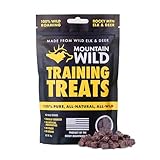
- Wild-Sourced Protein: Our treats are made from all-wild roaming elk and deer protein, sustainably harvested from the Rocky Mountains, offering your dog a unique and premium nutritional experience Wild-Sourced Protein: Our treats are made from all-wild roaming elk and deer protein, sustainably harvested from the Rocky Mountains, offering your dog a unique and premium nutritional experience
- Ideal for Training: With a wild protein source that dogs instinctively crave, these training treats are recognized as an extremely high-value reward, boosting your dog’s attention, focus and motivation
- Pure & Natural: Embrace the wilderness with dog training treats that are all-natural and all-wild, meeting your dog's ancestral dietary needs and cravings for a healthy and active lifestyle
- Eco-Conscious Choice: With every purchase, you support the full utilization of precious wildlife resources along with wildlife conservation and anti-poaching efforts to help maintain strong wildlife populations
- Clean Recipe: Free from nasty fillers, artificial preservatives, and grains, our treats ensure your dog enjoys the healthiest reward. Perfect for dogs of all sizes and puppies too
Reassess the choice if the practice repeatedly ignores the agreed arrival plan, separates your dog from you without explanation, uses more restraint than discussed for non-urgent care, or cannot explain how it will prevent a repeat of a frightening event. Ask for your records and seek another veterinarian when the medical relationship no longer feels safe or workable.
What should I bring on the day?
- Written arrival, parking and medication instructions from the clinic.
- Your dog’s current medication list, relevant records and a short trigger or bite-risk summary.
- Approved high-value rewards that fit the dog’s diet and the clinic’s instructions.
- The transport equipment the clinic requested, such as a secure leash, harness or carrier.
- A list of the questions you want answered about today’s procedure, costs, after-hours care and the next visit.
Call if circumstances change. A new cough, vomiting, a medication change, a worsening bite risk or an inability to get the dog into the car may require a different appointment plan.
What are the most common mistakes when choosing a low-stress vet?
Relying on the badge alone
A certification logo does not tell you which person will handle your dog or whether the branch can provide a quiet route, direct rooming or the service required. Verify current participation and the practical details by phone.
Waiting until arrival to disclose fear
Staff cannot prepare a room, schedule, rewards or medication discussion if they do not know your dog’s history. Share triggers, previous restraint, bite risk and failed visits when booking.
Confusing sedation advice with self-medication
Only the veterinarian should select a drug, dose and timing for your dog. Do not use human medication, leftover prescriptions or an internet dosing plan.
Recommended Free Tools
Choosing convenience while ignoring medical fit
A nearby clinic with a pleasant waiting room may not offer the diagnostics, surgery, chronic-care support or emergency pathway your dog needs. Compare low-stress procedures and clinical capability together.
Expecting one visit to undo a bad experience
Behavior change is usually built through repeated, manageable exposures. Ask about a gradual plan, including a happy visit, rather than demanding a complete examination when your dog is already overwhelmed.
Also popular on Amazon

- ALL NATURAL: Single ingredient dog treat with no preservatives or artificial flavors. These beef dog treats are not only healthy dog treats but also grain free dog treats.
- NUTRITIONAL: Our high-protein, low-calorie beef lung dog treats make them lean treats & a great alternative to beef liver dog treats & lamb lung dog treats.
- RESPONSIBLY SOURCED: From locally grass fed free range cattle born and raised in the USA - no questionable sourcing means they make high value dog training treats.
- PREVENTS PLAQUE & TARTAR BUILDUP: Our natural dog chews clean your puppies teeth, making them functional dog treats for large dogs and puppies alike.
- MISSION: To make treating your K9 healthier
How can I make the first phone call?
You can use this concise script: “My dog is very worried at veterinary visits and has these triggers: [describe them]. Is your practice currently Fear Free Certified or does a specific clinician have that certification? Who would handle my dog? Can we wait in the car or go directly to a room? How do you use rewards and minimal restraint, and what is your plan if my dog cannot continue? What services, emergency arrangements and fees should I expect?”
Take notes, ask for written instructions and repeat the agreed arrival plan shortly before the appointment. The goal is a shared plan that the receptionist, veterinary technician and veterinarian all understand.
Free tools Windows power users keep installed
One-click scans. No signup required.
Frequently Asked Questions
Is every veterinarian in a Fear Free Certified practice certified?
Not necessarily. Ask which individual professionals are currently certified and who will be involved in your dog’s visit; the directory can distinguish practices from professionals, and public listing is optional. Confirm the current status directly with the clinic before booking.
Can a fearful dog have vaccines or blood drawn without being forced?
Sometimes the team can change the room, position, rewards, restraint or appointment timing, but the safest option depends on the procedure and your dog’s condition. Ask the veterinarian what must happen today, what can wait and whether a pre-visit medication plan could make a later attempt safer.
Should I muzzle my dog for a Fear Free appointment?
Discuss muzzle use with the clinic before arrival, especially if your dog has snapped or bitten. A properly introduced basket muzzle can support safety while allowing treats, but forcing an unfamiliar muzzle on at the clinic can add stress; the team should tell you what equipment and training are appropriate.
What if there is no Fear Free clinic in my town?
Use the directory as one source, then interview local practices with the same questions about waiting, separation, rewards, restraint and stopping procedures. Because directory participation is optional, a non-listed clinic may still offer a thoughtful low-stress plan, while a listed clinic still needs to demonstrate that it can meet your dog’s medical and logistical needs.





Leave a Reply