First confirm that the insects are ground-nesting bees; holes or small soil mounds alone are not enough to identify them. If the location is tolerable, leave the bees alone and keep people and pets away while they are active; for future nesting, extension guidance supports watering dry soil and reducing bare ground with dense turf or suitable ground cover. These habitat measures are not instant removal treatments.
“Ground bees” is a loose name for multiple kinds of bees. Many nest individually, even when entrances cluster together, and are beneficial pollinators that are generally low-risk when left undisturbed. Some can sting, and other insects also nest in soil, so do not assume identification from a hole or mound.
How to identify ground-nesting bees
Observe from a safe distance and, if uncertain, take a photograph without approaching the entrances. Small holes in exposed or thinly vegetated soil can be clues, but they do not confirm which insect is nesting there. Different species vary in appearance and activity timing, and a large aggregation does not by itself mean there is a defensive social colony.
| What you observe | What it may indicate | What to do |
|---|---|---|
| Bees entering separate small holes in exposed soil | Possible ground-nesting bees; nearby entrances may still be individual nests | Keep your distance and seek local identification if unsure |
| Insects emerging from one opening in large numbers, or repeatedly chasing people | A defensive social nest or another insect is possible | Keep people and pets away and contact a local extension office or qualified pest professional |
Do not excavate a nest to identify it. People with a history of severe sting allergies should avoid the area and seek local help rather than approach an uncertain nest. Keep curious dogs and cats away from the patch so they cannot dig, paw, or snap at insects.
#1 Best Overall
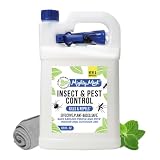
- Pet-Friendly & Family-Safe Formula – Mighty Mint is a top pick for pet parents looking for a natural, pest control solution. Safe to use around dogs, cats, and kids when applied as directed—no harsh fumes or dangerous chemicals, just powerful peppermint protection you can trust.
- Powerful Plant-Based Pest Control – Formulated with extra-concentrated peppermint oil, this natural spray is a proven deterrent for spiders, ants, roaches, and more.
- Effective Indoor & Outdoor Use – Designed for versatile application on baseboards, entryways, patios, and other areas. Helps repel insects from kitchens, bathrooms, living spaces, and more—without staining surfaces.
- Fresh Minty Scent With Long-Lasting Effect – Infused with pure peppermint oil, this formula leaves a crisp, clean aroma that lingers without overwhelming. Free from synthetic fragrances and common allergens, making it a gentle option for scent-sensitive households.
- Long-Lasting Gallon Value Size For Whole-Home Coverage – The 128 oz bottle provides extended coverage for indoor and outdoor use. Easily refill smaller spray bottles for reliable, cost-effective pest protection around your home, garage, or garden.
Seven natural ways to manage ground bees
These are practical ways to reduce risk or make a site less attractive for future nesting, not seven independently proven cures. The best choice depends on local species, soil, drainage, grass, and how heavily people and pets use the area.
1. Confirm what is nesting
Before changing the site, request identification from a local Cooperative Extension office if you are not sure the insects are bees. Soil holes and mounds are clues, not a diagnosis, and management for a social wasp nest is different.
2. Leave a low-traffic patch undisturbed
If the location is safe and tolerable, leaving the nest alone avoids unnecessary harm to pollinators. Some ground-nesting bees are active for only a few weeks, but duration and timing vary by species and location; there is no universal calendar date when they will disappear.
Rank #2
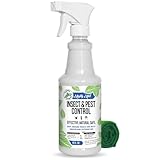
- Pet-Friendly & Family-Safe Formula – Mighty Mint is a top pick for pet parents looking for a natural pest control solution. Safe to use around dogs, cats, and kids when applied as directed—no harsh fumes or dangerous chemicals, just powerful peppermint protection you can trust.
- Powerful Plant-Based Pest Control – Formulated with extra-concentrated peppermint oil, this spray is a proven deterrent for spiders, ants, roaches, and more.
- Effective Indoor & Outdoor Use – Designed for versatile application on baseboards, entryways, patios, and other areas. Helps repel insects from kitchens, bathrooms, living spaces, and more—without staining surfaces.
- Fresh Minty Scent With Long-Lasting Effect – Infused with pure peppermint oil, this formula leaves a crisp, clean aroma that lingers without overwhelming. Free from synthetic fragrances and common allergens, making it a gentle option for scent-sensitive households.
- Ready-To-Use 16 Oz Spray For Targeted Application – Perfect for quick treatments in high-traffic areas, this 16 oz bottle delivers fast, focused pest control against spiders, ants, and other common insects. Pre-mixed and easy to use—just spray and go for natural protection wherever it’s needed most.
3. Keep people and pets away during activity
For a patch near a path, doorway, kennel, or play area, avoid the area or use a temporary visible barrier while the insects are active. Supervise pets and do not disturb the soil or handle the insects. This reduces contact; it does not remove the nest.
Do these 3 things before closing this tab:
1Scan for outdated or missing drivers - takes under a minute2Clear out junk files and repair common Windows errors3Fix the driver behind crashes, sound loss and screen glitches4. Water dry soil to discourage future nesting
Extension guidance supports watering dry soil as a way to make a nesting site less attractive over time. If you need to water a dry patch, a lawn sprinkler can make consistent watering easier. Do not flood occupied entrances or treat watering as a way to drown or flush out active bees. Consider drainage, water restrictions, and lawn health.
5. Establish dense turf where a lawn makes sense
Dense vegetation reduces exposed nesting ground. After activity ends, address the cause of bare or thin turf and repair it with grass suited to your local climate and site conditions. A local Cooperative Extension office can help with regional choices. Turf is not appropriate for every location and is not a guaranteed repellent.
Rank #3

- FOAMING AEROSOL: Foam expands to where insects live – extension tube lets you spray into hard-to-reach areas
- KILLS CARPENTER BEES: Treats active carpenter bee tunnels – bees distribute the insecticide throughout the nest
- CONTROLS GROUND-NESTING YELLOWJACKETS: Spray foam aerosol directly into holes where yellowjacket activity has been observed
- KILLS ON CONTACT: For best results, spray yellowjackets early in the morning or late in the evening when yellowjacket activity is low
6. Use suitable ground cover or mulch in bare areas
In a garden bed or other non-lawn area, suitable ground cover or heavy mulch can reduce exposed soil. Choose material and plants appropriate for local conditions. Do not cover active entrances to force bees out; plan soil and landscape changes for after activity ends.
7. Plan site changes for after activity ends
If a site needs to be redesigned, ask a local extension office about timing and suitable vegetation. Once activity has stopped, you can choose dense turf, ground cover, or mulch according to the setting. Avoid unnecessary disturbance while bees may still be using the site.
Free tools Windows power users keep installed
One-click scans. No signup required.
What not to do
Do not use improvised treatments such as salt, gasoline, boiling water, flooding, or other household substances to kill or flush out bees. These approaches are not supported by the reviewed extension guidance and may harm people, plants, soil, or pollinators. Do not seal active entrances or excavate the nest.
Rank #4

- 100% SAFE & NATURAL- Cinnamon and Peppermint oil spray for Most kinds of everyday Bees and Wasps. This Bee Repellent Spray is made up of natural peppermint & Cinnamon Essential oil ingredients found in nature. Safe to use around Children, nursing mothers, kitchens with food out. Helps reduce the quantity of- Bees and Wasps. Indoor and outdoor use. Respray after a rainstorm.
- LONG LASTING SPRAY- Our Natural Wasp & Bee Spray Home- is perfectly formulated with the combination of Peppermint and Cinnamon oils that will last long upon spraying. When regularly used for prevention you will help prevent serious Bee and Wasp outbreaks from happening. When serious outbreaks happen you can spray daily or even a couple of times a day to reduce the number of the Wasps & Bees. 100% Natural Wasp & Bee spray repellent for home.
- CHILD SAFE- Natural Carpenter Bee repellent Spray Outdoor / indoor . This spray will help reduce the amount of those annoying insects off of your deck and patio naturally. You can even spray inside or around food as it is 100% natural from essential oils. 100% natural & organic oils keep the toxins out ;Indoor / Outdoor
- FRESH AND ENERGIZING SCENTS- Make these natural essential oil ingredients zest your home’s exterior or interior with a fresh smell. Have nature do the work for you. After you spray your space it will smell like Cinnamon and Peppermint oil. - If sprayed regularly in a Bee or Wasp infested area they will be greatly reduced in number. Natural Essential oil repellent indoor.
- Made in the United States with love; We are exterminators by trade and know if you use this product correctly, patiently and as stated help reduce your Bee and Wasp problem.
Routine pesticide use is not the default response to a nonaggressive ground-bee aggregation. NC State Extension TurfFiles says chemical treatment is “almost never necessary.” If an exceptional situation leads you to consider a pesticide, seek local expert guidance and follow the product label and local rules. Avoid indiscriminate application around flowering plants.
When to ask for help
- You cannot confidently distinguish bees from wasps or other insects.
- Insects repeatedly chase or sting people or pets.
- Many insects use one opening or the nest is near a heavily used area.
- A household member has a history of severe sting allergies.
- The nest is in a wall, roof, crawl space, or other structure rather than loose soil.
Ask a local Cooperative Extension office for identification advice. If the nest appears defensive or may belong to social wasps, keep away and contact a qualified pest professional rather than treating it as a harmless bee aggregation.
Independent reader supportYour contribution helps us test, update, and keep practical guides available for everyone.Frequently Asked Questions
Will ground bees leave on their own?
Some ground-nesting bees are active for only a few weeks, so leaving a tolerable patch alone may be the simplest approach. Timing varies by species and location, so do not rely on a universal disappearance date.
Quick wins for a faster PC:
Fix the driver behind crashes, sound loss and screen glitchesFind Drivers →Repair Windows errors before they cause bigger problemsFix Now →Best Value

- PEPPERMINT SPRAY FOR BUGS: This natural bug repellent for home is made with peppermint and cedarwood oil for pest control; it works indoor and outdoor by repelling bug, spiders, stink bugs, earwigs, flies, cats and rodents from crawling in your house, basement, attics, and yard; this is why Kate's Home & Garden insect repellent is a great indoor insect & natural pest control spray for insects to keep in your household supply
- INDOOR SPIDER REPELLENT: This peppermint oil spray for roaches and bugs repels spiders, ants, scorpions, garden pests and other creepy crawlers; spiders hate the smell of peppermint bug spray inside their space and can't handle the minty scent; this natural ant killer and house plant bug spray keeps your house free of spiders and gets rid of ladybugs and insects with a fresh and clean scent
- NATURAL BUG SPRAY FOR HOME: Our natural mint spray uses cedar and peppermint essential oils for spider repellent indoor and is effective as a flea treatment for the home and cat spray deterrent to protect furnitures and couches; stink bugs, fly, water bug, fleas, bee, ladybug, mosquito, carpet beetles, centipede, and crickets hate the mint oil scent; this garden insect spray is pet safe and is also safe to use around children
- MADE WITH CEDARWOOD OIL: This cedar oil spray for pest control helps fight silverfish and other insects that invade your house; this cedar spray for moths is also a great natural stink bug repellents, carpet beetle repellent, roach repellent that repels ant, earwig, gnats, lady bug, and is a pantry moth killer and ant killer; this 16oz bottle has up to 1,500 sprays
- OUR PROMISE: We aim to provide the highest quality and most beneficial products; if this pesticide and insecticide deter pests, please let us know so we can make it right; if the sprayer is broken, please let us know for a replacement
Are ground bees dangerous to dogs and cats?
Many ground-nesting bees are generally low-risk when left undisturbed, but some can sting. Keep pets from digging, pawing, or snapping at insects, and avoid the area if your pet has had a serious insect reaction.
Does watering get rid of ground bees?
Watering dry soil may make it less attractive for future nesting, but it is not an instant removal treatment. Do not flood occupied entrances or try to drown active bees.
Can I cover ground bee nests with mulch?
Suitable mulch can reduce exposed soil in a bare area, but plan that change for after activity ends. Do not cover active entrances to force bees out.
How can I tell ground bees from yellowjackets?
A soil opening or cluster of holes cannot confirm the insect. If insects emerge from one opening in large numbers, chase people, or cannot be identified confidently, keep away and ask a local extension office or pest professional for help.
Quick Recap
Sources
- Oregon State University Extension Service, “Ground bee identification?”
- Utah State University Extension, “Solitary/Ground Bees”
- NC State Extension Pollinators, “Ground Nesting Bees – What to Look for and What Species to Expect”
- NC State Extension TurfFiles, “Ground-Nesting Bees in Turf”
Product prices and availability are accurate as of the date/time indicated and are subject to change. Any price and availability information displayed on Amazon at the time of purchase will apply.




