
Do these 3 things before closing this tab:
1Scan for outdated or missing drivers - takes under a minute2Repair Windows errors before they cause bigger problems3Fix the driver behind crashes, sound loss and screen glitchesSome links on this page are affiliate links: if you buy through them we may earn a commission, at no extra cost to you.
Take your cat directly to a quiet, escape-proof room and let it decompress there with food, water, a litter tray, bedding, a hiding place and familiar household smells. Do not force contact or pull the cat from hiding. Keep access to the rest of the home—and to the outdoors—limited until eating, drinking, grooming, toileting and relaxed curiosity return. If resident cats are tense, separate them and restart introductions through scent exchange. Check the returning cat for injury or illness: breathing trouble, collapse, urinary straining, repeated vomiting, severe weakness, visible wounds or 24 hours without proper eating require prompt veterinary care.
What should I do in the first few hours?
The first goal is safety and decompression, not making the cat act normal immediately. A long absence can leave a cat overstimulated, exhausted, hungry, dehydrated or carrying unfamiliar smells. A controlled base room prevents another escape while giving you a reliable place to observe health and behavior.
As an Amazon Associate I earn from qualifying purchases.
What’s actually slowing this PC down?
Pick the symptom - the matching free tool is one click away.
1. Make one room the temporary base
Before opening the carrier, close exterior doors and windows and secure cat flaps. Choose a quiet room away from heavy foot traffic, loud appliances and enthusiastic children or dogs. Keep the door shut so the cat cannot bolt into an unsafe part of the house or outside again.
2. Set up every essential resource
Place a comfortable bed or blanket, a private litter tray, fresh water, the cat’s usual food, a scratching surface, a few familiar toys and a sturdy hiding box in the room. Keep food and water well away from the litter tray. Add an unwashed shirt, pillowcase or blanket that smells like the cat’s caregiver and home. Familiar scent can make an unfamiliar room feel safer.
Popular on Amazon
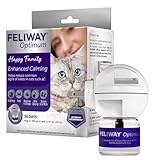
- HELPS REDUCE SIGNS OF STRESS USING A PATENTED PHEROMONE: FELIWAY Optimum is an advanced cat pheromone diffuser that helps reduce signs of stress in cats and helps ease tension between cats.*
- HELPS CATS FEEL CALM IN EVERYDAY SITUATIONS: FELIWAY Optimum is a cat calming diffuser that helps reduce stress‑related behaviors like urine spraying, scratching, hiding, and fearful reactions to change. Cat parents reported noticeable reductions in these behaviors, including a 77% reduction in urine spraying.
- SUPPORTS HARMONY IN MULTI‑CAT HOMES: Helps promote calmer interactions between cats. 72% of cat parents noticed reduced tension between their cats
- SAFE** AND NON-SEDATING: FELIWAY Optimum is not a sedative. It’s safe for use around cats, kittens, people and other pets.
- CONTINUOUS CALMING SUPPORT: This plug‑in cat pheromone diffuser provides 24/7 support when used as directed. To get started, plug into an open outlet with the vents pointed upward, allow at least 4 feet of clearance, and follow the label instructions.
Arrange resources so the cat can reach them without crossing an exposed area. A timid cat may eat, drink or use the litter only when the room is quiet. Do not crowd the hiding place with bowls, and do not block the cat’s route between its refuge and the resources.
3. Let the cat leave the carrier voluntarily
Put the carrier on the floor, open its door and step back. Speak softly from a comfortable distance. Cats Protection advises: “If they choose to hide, sit quietly in the same room and talk to them gently. Avoid forcing them to come out.” Pulling, shaking or reaching into the carrier can make the first minutes more frightening and may provoke a defensive scratch or bite.
4. Observe without demanding interaction
For the first several hours, monitor whether the cat is breathing comfortably, can stand and walk normally, and shows interest in water, food or the litter tray. You can sit quietly, read or work in the room so your presence becomes predictable. Avoid repeated visitors, photographs with flash, loud greetings and attempts to pick the cat up unless a veterinary examination is needed.
Should I keep my cat in one room when it comes home?
Yes, begin with one secure room. A single-room setup reduces escape risk and gives a stressed cat a manageable territory. Keep the arrangement until the cat is using its resources and coping with ordinary household sounds; the correct duration depends on behavior, not a fixed number of days.
What the base room needs
- A door that closes securely, with windows shut and screens checked.
- A litter tray that is easy to reach and cleaned regularly.
- Food and water placed separately from the tray.
- A hide box or covered bed plus an additional open resting spot.
- A scratching post and a small selection of safe toys.
- Familiar bedding or clothing carrying household scent.
Keep the room calm but not completely isolated. Short, quiet visits help the cat learn that people are predictable. Maintain the usual food and feeding pattern where possible. If the cat hides, leave its route out of the hiding place clear and avoid staring directly at it.
When is it safe to open another area?
Expand territory only after the cat is eating, drinking, grooming, toileting and resting, and no longer reacting fearfully to normal movement in the room. Interest in exploring, rubbing against objects or people, and relaxed body language are useful signs. Open one additional area at a time, keep the base room available, and allow the cat to retreat there whenever it chooses. If it freezes, crouches, pants, bolts or hides for a prolonged period after expansion, reduce access and try again later.
How long does a cat take to settle after being away?
There is no reliable day-count. Some cats resume normal behavior quickly; others need a longer period of quiet, especially after illness, a frightening event, boarding or a clinic stay. Readiness is shown by a pattern of normal functions and gradual curiosity rather than by the calendar.
Also popular on Amazon

- Complete Calming Solution: This cat calming diffuser kit includes diffusers and refills (48mL per bottle). Each refill delivers a 30-day supply of continuous support to help ease your cat’s anxiety. Ideal for addressing stress triggered by vet visits, traffic noise, fireworks, thunderstorms, or loneliness, this cat pheromone calming diffuser creates a safe and serene environment for felines of all ages and breeds
- Effective Stress & Behavior Support: Our cat pheromone diffuser works to reduce common signs of feline stress such as excessive scratching, urine spraying, hiding, and restlessness. By mimicking natural feline pheromones, this cat calming diffuser provides gentle, drug-free relief, making it a reliable choice for multi-cat households or cats experiencing tension during home changes or new pet introductions
- Long-Lasting & Wide Coverage: Each refill of the cat calming diffuser releases calming pheromones for up to 30 days, with coverage for areas up to 700 square feet. The diffuser features an automatic operation with a simple press of a button, and proper placement (vents facing up) ensures optimal performance and leak prevention, maximizing the effectiveness of your cat diffuser
- Safe & Non-Toxic Formula: The cat pheromone calming diffuser uses an odorless, non-toxic, and chemical-free formula that is safe for both humans and pets. Unlike harsh treatments, this cat calming diffuser does not cause drowsiness and poses no risk to your cat’s health, making it a trusted choice for daily use in any living space
- Easy to Use & Maintain: Setting up the cat calming diffuser is effortless—simply plug it into a standard outlet, keep the bottle upright, and press the button to activate. The heated diffuser and refill system operates quietly and continuously, requiring minimal maintenance; just replace the refill every 30 days to maintain consistent calming support for your feline friend
Signs that adjustment is progressing
- Eating and drinking amounts are returning toward the cat’s usual pattern.
- Urination and defecation occur in the tray without straining or repeated accidents.
- Grooming looks normal rather than frantic or absent.
- The cat rests with a loose posture and responds calmly to ordinary household movement.
- It explores, plays, seeks company or rubs against people and objects to leave its scent.
Progress can be uneven. A cat may explore at night first, sleep much of the day or avoid visitors while still recovering normally. Look for small steps forward over successive observation periods. Persistent deterioration, no improvement or a new physical symptom is a reason to call a veterinarian rather than simply extending confinement.
Why is my cat hiding after returning?
Hiding is often a short-term coping strategy. The cat may be tired, overwhelmed by noise and handling, or unsettled by unfamiliar smells on its coat. Hiding is less concerning when the cat continues to eat, drink, groom and use the litter and gradually becomes more willing to explore.
How to respond to hiding
- Keep the hiding place available and make it comfortable.
- Sit quietly nearby and speak gently without coaxing the cat out.
- Place food and water close enough to reach easily, but not inside the hiding spot.
- Check the litter and bowls at quiet intervals rather than hovering.
- Keep children, visitors and other pets out of the base room while the cat decompresses.
Do not drag the cat out, corner it for a cuddle or interpret avoidance as rejection. Forced handling can increase fear and make future care more difficult. Hiding that persists alongside poor appetite, altered toileting, over- or under-grooming, spraying, scratching, marked weakness or no small improvement should prompt veterinary advice because pain or illness can look like stress.
The Tool Desk
Outbyte Driver Updater FREEScan for outdated or missing drivers - takes under a minuteDriver Scan →Outbyte PC Repair FREEClear out junk files and repair common Windows errorsFree Scan →How do I reintroduce my cat to other cats?
Separate the returning cat from resident cats at first, even if they previously lived together. A cat coming home from a clinic, boarding stay or long absence may smell so different that housemates treat it like a stranger. Hissing, growling, swatting or chasing means the cats are not ready for direct contact.
Stage 1: separate rooms and stabilize
Give each cat its own food, water, litter tray, resting areas and scratching resources. The returning cat remains in the base room while everyone settles. Do not allow a resident cat to camp outside the door or intimidate the newcomer. Provide attention and routine to resident cats so their normal resources and social contact do not disappear.
Stage 2: exchange scent without visual contact
When both sides are calm, exchange bedding or clean cloths carrying each cat’s scent. Place the item near, but not directly on, the other cat’s resting area and replace it if either cat becomes distressed. You can also stroke one cat gently with a soft cloth around the cheeks and then leave the cloth for the other cat to investigate. The aim is familiarity, not forcing them to share a smell at close range.
Stage 3: brief, supervised visual contact
Use a cracked door, secure barrier or other arrangement that prevents chasing while allowing the cats to see one another. Keep sessions short and end while both cats remain calm. Pair quiet behavior with a favorite food or play opportunity, but do not push bowls close together if either cat will not eat.
Also popular on Amazon

- SPECIFICALLY DESIGNED FOR MULTI-CAT HOMES: FELIWAY MultiCat is a cat calming diffuser that helps reduce tension between cats, including conflict, fighting, chasing, and blocking, supporting a calm home for cats living together
- HELPS CATS GET ALONG BETTER: This cat pheromone diffuser promotes calm interactions and helps ease ongoing tension, supporting more peaceful relationships in multi-cat households
- HELPS REDUCE TENSION BETWEEN CATS: 84% of cat parents noticed improvement in tension and conflict between their cats when using FELIWAY MultiCat
- SAFE* AND NON-SEDATING: FELIWAY MultiCat is not a sedative. It is safe for use around cats, kittens, people and other pets.
- CONTINUOUS CALMING SUPPORT FOR SHARED SPACES: Plug-in cat pheromone diffuser provides 24/7 calming support. To get started, plug into an open outlet with vents pointed upward and allow 4+ ft of clearance, and follow the label instructions.
Stage 4: supervised shared space
Only after repeated calm barrier sessions should you allow a brief meeting in a larger room. Keep escape routes and high resting places available, supervise continuously and separate at the first sign of escalation. Increase duration gradually. The AAFP/ISFM guidance states: “When a cat returns home, keep it in a separate room until cats are calm before reintroducing it to other cats.” A setback means return to the previous calm stage, not that the cats can never coexist.
Resource planning for a multi-cat home
Spread litter trays, food, water, beds and scratching posts through the home so one cat cannot block another’s access. Avoid forcing cats to pass one another in a narrow hallway to reach a resource. Territorial tension can continue after the returning cat appears physically recovered, so maintain multiple routes and refuges during the transition.
Do pheromone diffusers help a returning cat?
Synthetic feline pheromone sprays or plug-in diffusers are optional aids. They may help some cats feel calmer or help restore a familiar scent profile, but they do not replace a secure room, gradual introductions or medical assessment. Follow the product’s placement and replacement instructions, and stop relying on it as the sole solution if fear or conflict continues.
A diffuser cannot prevent an escape, diagnose dehydration or make an unsafe cat-to-cat meeting safe. Use environmental control and observation first; consider pheromones as an adjunct when the cat otherwise has appropriate resources and a predictable routine.
Recommended Free Tools
When can my cat go outside again?
Delay outdoor access until the cat is settled indoors and every possible exit is secure. A frightened or disoriented cat can bolt, hide nearby, cross a road or fail to find its way back. Keep doors, windows and cat flaps closed during the settling period.
When the cat is eating normally, using the litter, relaxed in the home and responding predictably to household activity, reintroduce outdoor access cautiously. Start with a short, supervised outing in a quiet period and make returning easy by using the same call, food cue or door routine each time. Do not combine the first outing with visitors, loud work or another major change.
What health checks should I make after a long absence?
A cat that has been outside or missing may return thin, injured, dehydrated or ill. Handle gently and inspect only as much as the cat tolerates. Check for limping, wounds, swelling, abnormal breathing, unusual weakness, dirty or painful eyes and changes in appetite or urination. The RSPCA advises veterinary assessment as soon as possible when a cat appears sick or injured.
Also popular on Amazon

- Help Your Cat Feel Safe Again: Create a calmer, more comfortable home with advanced calming pheromone technology that helps reduce common signs of stress including hiding, scratching, urine spraying, conflicts between cats, and nervous behavior. Ideal for everyday emotional support
- Continuous 120-Days Comfort: Each refill delivers calming support for up to 30 days when used continuously, package include: 2 diffusers, 4 refills. Designed to cover rooms up to approximately 750 sq ft, making it perfect for bedrooms, living rooms, and multi-cat households
- Supports Positive Everyday Behavior: Whether introducing a new pet, moving into a new home, welcoming visitors, or dealing with loud noises such as fireworks or thunderstorms, the diffuser helps cats feel more secure and adapt to changes more comfortably
- Easy Plug-In, No Daily Effort: Simply plug the diffuser into an open wall outlet and let it work around the clock. No sprays, no pills, no complicated routines—continuous calming support with minimal maintenance
- Trusted Care for Cats of Every Age: Suitable for kittens, adult cats, senior cats, and multi-cat families. Designed to support a peaceful home environment while helping strengthen the bond between cats and their owners
Signs that need prompt or urgent veterinary care
| Sign | What to do |
|---|---|
| Breathing difficulty, collapse, inability to stand or walk normally | Seek emergency veterinary help immediately. |
| Bleeding, open wounds, major swelling or suspected road trauma | Arrange urgent veterinary assessment; keep the cat still and contained while traveling. |
| Straining with little or no urine | Treat as an emergency, particularly in a male cat; contact a veterinarian immediately. |
| Repeated vomiting | Contact a veterinarian promptly, especially if water cannot be kept down or weakness is present. |
| No proper eating for 24 hours | Seek veterinary advice urgently. VCA Animal Hospitals warns that a cat not eating properly for 24 hours requires immediate attention. |
| Marked lethargy, weakness, dry or tacky gums, sunken eyes | These can indicate dehydration; Cornell advises prompt veterinary contact when dehydration is suspected. |
| Any appearance that seems significantly abnormal to you | Err on the side of caution and arrange an examination rather than assuming the change is behavioral. |
Do not force-feed, give human medicines or treat every change as a settling problem. A veterinarian should decide whether wounds, dehydration, pain, parasites, infectious exposure or another illness needs treatment. Transport the cat in a secured carrier lined with a towel; keep the carrier level and avoid opening it outside a closed room.
Free tools Windows power users keep installed
One-click scans. No signup required.
How can I tell stress from a medical problem?
Behavior alone cannot reliably distinguish the two. Temporary hiding, eating at night or avoiding people can occur during normal decompression, but those behaviors should coexist with basic functions and gradual improvement. Medical concern rises when appetite or thirst changes, urination becomes abnormal, breathing changes, weakness appears, grooming deteriorates sharply or the cat stops making small steps forward.
Record what you can observe without disturbing the cat: approximate food and water intake, litter output, vomiting, mobility and periods of alertness. This information helps a veterinarian judge urgency. Never delay care while trying additional environmental adjustments when a red flag is present.
What common mistakes make settling harder?
Giving the whole house immediately
Rapid access can overwhelm a fearful cat and makes it harder to monitor eating, drinking and toileting. Start with the base room and add territory in stages.
Forcing affection or removing the hiding place
Physical restraint and forced contact remove the cat’s ability to control distance. Quiet presence and an available refuge build trust more reliably.
Allowing resident cats to rush the newcomer
Even familiar cats can react to changed scent. Separate first, exchange scent, then use brief barrier sessions before shared space.
Letting the cat outside because it seems restless
Restlessness is not proof of readiness. Outdoor access adds escape and injury risks; wait for stable indoor behavior and use supervised, brief outings initially.
Also popular on Amazon

- Valua Pack – This cat pheromone diffuser set includes 3 pack, making it easier to provide a calming environment in multiple rooms or for multiple cats.
- SUITABLE FOR CATS OF ALL AGES – Designed for kittens, adult cats, and seniors, this diffuser helps create a soothing atmosphere. For optimal performance, replace the diffuser head every six months.
- LONG-LASTING SUPPORT – Each refill vial provides continuous use for up to 30 days. The diffuser is odorless, making it a great choice for households sensitive to scents.
- VISIBLE RESULTS IN TWO WEEKS – Many cat owners notice a reduction in common unwanted behaviors such as excessive grooming, meowing, or restlessness within two weeks of use. Individual results may vary.
- EASY TO USE – Simply plug the diffuser into a standard electrical outlet to begin releasing calming pheromones throughout your home. Its compact design makes it suitable for travel or temporary environmental changes.
Assuming a diffuser solves conflict
Pheromones may support calm but cannot substitute for distance, resource separation, gradual introductions or veterinary care.
Waiting too long when the cat looks ill
Stress and disease can overlap. Breathing trouble, urinary straining, collapse, repeated vomiting, visible injury, severe weakness or 24 hours without proper eating should outweigh a desire to “give it more time.”
What does a practical settling checklist look like?
- Secure exterior doors, windows and cat flaps before opening the carrier.
- Prepare one quiet room with food, water, litter, bedding, hiding space, scratching surface and familiar scent.
- Allow the cat to exit voluntarily and avoid forced handling.
- Observe breathing, mobility, appetite, drinking, grooming and toileting.
- Keep the routine predictable and visits calm.
- Expand territory one area at a time only after relaxed indoor behavior returns.
- Keep returning and resident cats separate if there is tension; begin with scent exchange.
- Use pheromone products only as optional support.
- Delay outdoor access until the cat is settled and the home is secure.
- Contact a veterinarian promptly for illness, injury, dehydration signs or prolonged appetite loss.
Frequently Asked Questions
How can I tell whether my cat is hiding from stress or pain?
Look at the whole pattern rather than hiding alone. A stressed cat may still eat, drink, groom and use the tray, with small improvements over time; pain or illness is more likely when hiding accompanies weakness, appetite loss, abnormal breathing, altered urination or a sudden grooming change. Call a veterinarian if you cannot identify steady improvement.
What should I do if my cat eats only at night after coming home?
Leave the usual food available on a predictable schedule and check the bowl level when the room is quiet. Night eating can be an early coping pattern, but it should still provide adequate intake and be accompanied by drinking and normal litter use. If intake is clearly inadequate or stops for 24 hours, seek veterinary advice.
Can I give my cat a calming medicine after a frightening absence?
Do not give human medication or an over-the-counter sedative unless a veterinarian has specifically prescribed and explained it for that cat. Medication can be unsafe with dehydration, injury or another illness, and sedation does not solve escape risk or cat-to-cat conflict.
What if the returning cat and a resident cat fight during reintroduction?
Separate them immediately without putting your hands between fighting cats. Return to closed-door separation, restore independent resources and restart scent work only after both cats are calm. Repeated attacks, injuries or inability to progress warrant veterinary or qualified behavior advice.
Quick wins for a faster PC:
Repair Windows errors before they cause bigger problemsFix Now →Scan for outdated or missing drivers - takes under a minuteDriver Scan →Should I bathe my cat to remove smells from being away?
Avoid an unnecessary bath during the first adjustment period because restraint and unfamiliar handling can add stress. Unless a veterinarian says cleaning is needed for a contaminant or medical reason, let the cat restore its own scent through normal grooming while you provide a quiet, secure room.





Leave a Reply