
Outdated Drivers Are Slowing You Down
One free scan finds every outdated or missing driver and matches the right update for your exact hardware.Free scan · exact hardware matchWindows Errors? Fix Them Before They Spread
Repair common Windows errors and clear accumulated junk for a smoother, more stable PC - no reinstall needed.Free scan · no reinstallSome links on this page are affiliate links: if you buy through them we may earn a commission, at no extra cost to you.
Do not assume a lone kitten has been abandoned. First check for immediate danger or illness, then watch from a hidden distance for the mother. Leave a healthy family together when the area is safe. Move the kitten promptly to veterinary care if it is cold, weak, injured, ill, unable to stand, struggling to breathe, or exposed to traffic or predators. If the mother is confirmed absent, keep the kitten warm, call a veterinarian and local rescue, and use kitten milk replacer—not ordinary milk—until an experienced caregiver takes over. The right response depends mainly on the kitten’s age, condition, whether its mother can return, and whether you can provide round-the-clock care.
What should I do immediately after finding a stray kitten?
Assess danger and condition before deciding whether to touch the kitten. A kitten in immediate danger needs safe removal and urgent professional advice; a warm, alert kitten in a protected spot may need observation rather than rescue.
As an Amazon Associate I earn from qualifying purchases.
What’s actually slowing this PC down?
Pick the symptom - the matching free tool is one click away.
Check for an emergency
- Look for traffic, dogs or other predators, flooding, extreme heat or cold, wet fur, visible wounds, bleeding, breathing difficulty, collapse, severe weakness, or an inability to stand.
- A kitten that is cold, injured, sick, weak, or deteriorating should be seen by a veterinarian promptly. The RSPCA advises taking a sick, injured, or endangered cat to a vet immediately, but only when doing so is safe for you.
- If the kitten is in danger, use a towel, blanket, carrier, or sturdy box to move it away from the hazard. Avoid chasing it into traffic or reaching into a place where you could be bitten or injured.
Pause before separating a healthy kitten
A mother cat may be nearby hunting, finding water, or waiting for people to leave. She may stay away while a person stands beside the nest. Alley Cat Allies cautions: “Before you do anything, remember: never separate kittens from their mother cat.” If the kitten is warm, responsive, and protected, move well away, stay quiet, and watch from concealment.
Record useful information
Note the exact location, time found, weather, the kitten’s appearance and behavior, and whether you see an adult cat. A clear photo can help a veterinarian or rescue estimate age and identify the kitten later. Do not crowd the nest or repeatedly handle the kitten while waiting.
Popular on Amazon

- KITTEN MILK REPLACEMENT - When mom can’t nourish them, KMR can. Scientifically the next best to mother’s milk, KMR provides all the nutritional elements necessary for kittens; newborn to six weeks old.
- COMPLETE, BALANCED NUTRITION - Our formula is closest to mother's milk in protein, fat and carbohydrates. We’ve also added vitamins, minerals and trace nutrients; plus prebiotics and probiotics for healthy immunity and digestion.
- EASY TO DIGEST - KMR is highly palatable and formulated with a special fiber blend for easy digestion and Improved gut health.
- EASY-TO-MIX FORMULA - Whisk or Shake 1 part powdered KMR into 2 parts warm water. Do not mix more KMR than can be consumed in 24 hours. Do not use a blender.
- ABOUT US - PetAg is a trusted leader in pet wellness, with science-backed formulas in our milk replacers, health supplements, and grooming products helping pet owners to proactively enhance the lives of their pets, for more healthy years together.
How long should I wait for the mother cat?
Use the kitten’s development and condition to set a watch window, not a single universal timer. These waiting periods apply only when the kitten is not cold, weak, injured, or ill.
| What you observe | Suggested observation period | What changes the plan |
|---|---|---|
| Eyes closed, little movement, very young appearance | About two hours, according to RSPCA guidance | Coldness, weakness, illness, injury, danger, or worsening condition requires prompt veterinary advice rather than continued waiting. |
| Eyes open and able to walk | About four hours, according to RSPCA guidance | Seek help sooner if the kitten becomes distressed or its condition declines. |
| Stable kitten with no clear maternal care | Several hours may be appropriate; Oregon Humane notes that six or more hours without care, or a worsening condition, may justify intervention | Contact a veterinarian or rescue for a case-specific decision. |
Watch from far enough away that the mother feels safe approaching. If you cannot monitor continuously, ask another adult to take a shift or call a local rescue for guidance. Waiting does not mean ignoring the kitten: check discreetly, keep people and pets away, and be ready to act if its condition changes.
Free tools Windows power users keep installed
One-click scans. No signup required.
How can I estimate a stray kitten’s age?
Eyes, ears, teeth, coordination, and behavior are more useful than weight alone. Weight varies with nutrition, breed, dehydration, and illness, so treat it as one clue rather than a diagnosis.
| Approximate stage | Clues | Care implication |
|---|---|---|
| Newborn | About 85–110 grams (2.9–3.9 ounces), no teeth, closed eyes, folded ears, and unable to stand | Cannot keep warm, eat, or eliminate waste independently; needs its mother or experienced neonatal care. |
| Very young, pre-weaning kitten | Limited coordination and dependence on warmth and frequent feeds; eyes may still be closed | Requires consistent support and veterinary or experienced-foster guidance if the mother is absent. |
| Developing kitten | Eyes open, ears unfolding or upright, increasing movement and coordination, teeth beginning to appear | Still may need milk replacer and help eliminating; do not infer that it is independent merely because it walks. |
| Older, potentially weaned kitten | Walks confidently, has a fuller set of baby teeth, explores, and can generally eat solid food | Oregon Humane describes kittens older than two months as generally weaned and ready for foster, adoption, and sterilization pathways, subject to veterinary assessment. |
North Carolina State University uses under two pounds combined with uncoordinated movement as a rough indicator of a kitten under two months. A kitten can weigh more or less for reasons unrelated to age, so have a professional confirm the estimate.
What should I do if the mother cat returns?
If the mother returns and the location is safe, leave the family together. Maternal milk, warmth, grooming, and protection give young kittens their best chance.
- Keep your distance and remove children, dogs, and other cats from the area.
- Provide a dry, shaded shelter nearby if weather is poor, but do not repeatedly relocate the nest.
- Offer water to the adult cat nearby without placing bowls directly beside the kittens.
- Do not put food next to the kittens to lure the mother; food can attract predators. If local rescuers advise feeding, place it away from the nest and monitor discreetly.
- Call a rescue or veterinarian if the mother appears ill, injured, unable to nurse, or repeatedly leaves kittens that are cold or distressed.
Do not take a kitten away simply because the mother is out of sight. Reunification is usually safer than raising a very young kitten by hand.
Do these 3 things before closing this tab:
1Scan for outdated or missing drivers - takes under a minute2Repair Windows errors before they cause bigger problems3Fix the driver behind crashes, sound loss and screen glitchesAlso popular on Amazon
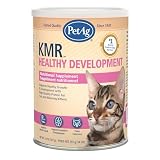
- NUTRITIONAL SUPPLEMENT - KMR Healthy Development supports healthy growth and development with high-quality protein for cats weaning to 6 years.
- SUPPORTS COGNITIVE DEVELOPMENT – With DHA (Omega 3 fatty acids) and Vitamin E, our formula supports visual & cognitive development.
- CONTAINS OMEGA 6 FATTY ACIDS - Our powder contains Omega 6 fatty acids to support a healthy skin and coat.
- GREAT TASTE - KMR Healthy Development is formulated with a great taste cats love. Supports transition to solid foods for weaning kittens.
- ABOUT US - PetAg is a trusted leader in pet wellness, with science-backed formulas in our milk replacers, health supplements, and grooming products helping pet owners to proactively enhance the lives of their pets, for more healthy years together.
What should I do if the mother does not return?
Once a reasonable observation period has passed—or sooner if the kitten is unsafe—stabilize it and call for help. Neonatal care is demanding and can become an emergency quickly, especially for kittens five weeks and younger.
Warm the kitten before feeding
Place the kitten in a quiet carrier or sturdy high-sided box lined with a towel. Use gentle external warmth, leaving room for the kitten to move away from the heat and checking frequently so it cannot overheat. A cold kitten needs warming and veterinary assessment before you make feeding decisions; feeding a chilled kitten can be dangerous.
Call a veterinarian and rescue at the same time
Tell the clinic or rescue the kitten’s location, estimated age, temperature and condition, whether it is eating or eliminating, and how long the mother has been absent. Ask whether an experienced neonatal foster or nursing mother cat is available. A professional may arrange immediate intake, demonstrate care, or direct you to an emergency hospital.
Use only species-appropriate formula
For a confirmed orphan, use commercial kitten milk replacer. Never substitute cow’s milk, soy milk, or another household milk. Follow the formula label and the veterinarian’s instructions for concentration and volume.
Recommended Free Tools
North Carolina State University gives a starting example of feeding a one-week-old kitten about every two hours, with roughly an additional hour between feeds for each additional week of age. That is a starting guide, not a replacement for individualized instructions; a weak, dehydrated, vomiting, or unusually quiet kitten needs professional assessment.
Feed in the safe position
- Warm prepared formula in a water bath to approximately 95–100°F, as advised by North Carolina State University. Test the temperature before offering it.
- Hold the kitten belly down, with its head in a natural position. Never feed a kitten on its back, which increases the risk of inhaling formula.
- Use a kitten nursing bottle with an appropriate nipple, or another method a veterinarian or experienced foster demonstrates. Do not force liquid into the mouth.
- Stop and seek veterinary advice if milk comes from the nose, breathing changes, the kitten cannot suck, or it becomes limp.
Help with elimination and monitor growth
Kittens generally cannot urinate or defecate independently until about four weeks old. After feeding, North Carolina State University advises gently stimulating the genital and anal area with a warm, moist cloth. Use light strokes and stop if the skin becomes irritated.
Also popular on Amazon

- KITTEN MILK REPLACEMENT - When mom can’t nourish them, KMR Goat’s Milk can. Scientifically the next best to mother’s milk, KMR Goat’s Milk provides all the nutritional elements necessary for newborn kittens to 1 year old.
- COMPLETE, BALANCED NUTRITION - Our formula is closest to mother's milk in protein, fat, and carbohydrates. We’ve also added vitamins, minerals, and trace nutrients.
- EASY TO DIGEST - KMR Goat’s Milk is highly palatable and formulated with whole goat’s milk and a special fiber blend for easy digestion and improved gut health. This formula is complete and balanced closest to mother’s milk in protein, fat, and carbohydrates.
- EASY-TO-MIX FORMULA - Shake gently before use. Warm KMR to room or body temperature before serving. Portable, Tetra Pak container is resealable. Once opened, container must be refrigerated and discarded after 72 hours.
- ABOUT US - PetAg offers solutions to enrich the lives of animals & their caregivers. From nutritional supplements to grooming products, all our products are science-backed, formulated with high-quality ingredients, and supported by quality control.
Weigh a young orphan daily with an infant or gram scale and record feeds, urine, stool, and behavior. A failure to gain weight, repeated diarrhea, vomiting, dehydration, or increasing lethargy warrants veterinary attention rather than a change in formula made at home.
How do I get a stray kitten to a veterinarian safely?
Call ahead before traveling. A local clinic, emergency veterinary hospital, shelter, or rescue can tell you where the kitten should go and whether it can accept an unscheduled intake.
Quick wins for a faster PC:
Fix the driver behind crashes, sound loss and screen glitchesFind Drivers →Clear out junk files and repair common Windows errorsFree Scan →Scan for outdated or missing drivers - takes under a minuteDriver Scan →- Describe the case. Give the kitten’s age estimate, condition, warmth or coldness, injuries, breathing status, location, and whether the mother is returning.
- Prepare a secure container. A hard-sided carrier or sturdy high-sided box with a towel prevents escape and limits chilling. Avoid carrying the kitten loose in your arms or in a closed bag.
- Protect yourself. A frightened or injured kitten may bite or scratch. Use a thick towel or gloves when necessary, and keep your face away from the kitten.
- Maintain warmth without overheating. Keep the container level and away from direct drafts. Do not place the kitten directly on a hot water bottle or heating pad.
- Travel directly. Minimize handling, noise, and stops. If the kitten’s breathing worsens or it becomes unresponsive, tell the clinic while you are en route.
The veterinarian can assess illness and injury, provide warming or hydration, advise on feeding, and scan for a microchip. A scan is important because a kitten found outdoors may be a lost owned pet rather than an unowned stray.
Which help option fits the kitten and my situation?
Choose the route that matches urgency, age, reunification prospects, and your ability to provide care. Calling first prevents a fragile kitten from being passed between facilities that cannot take it.
| Situation | Best next contact | Why |
|---|---|---|
| Cold, weak, injured, ill, struggling to breathe, or in immediate danger | Veterinarian or emergency veterinary hospital immediately | Stabilization may be needed before feeding or transport elsewhere. |
| Healthy-looking kitten; mother may be nearby | Observe discreetly, then consult a rescue or veterinarian if the mother does not return | Keeping the family together avoids unnecessary separation. |
| Confirmed orphan five weeks or younger | Veterinarian, experienced neonatal foster, or rescue with a nursing mother | Round-the-clock warmth, feeds, and elimination support are usually required. |
| Older, socialized, weaned kitten | Local animal services, shelter, or rescue after an owner search | These organizations can explain foster, adoption, vaccination, and sterilization pathways. |
| Finder cannot provide frequent care | Rescue or shelter intake coordinator | A trained foster may be safer than improvised care at home. |
Ask about geographic coverage, opening hours, intake rules, and whether the organization has neonatal capacity. Policies differ, and some facilities may redirect emergency cases to a veterinary hospital.
Independent reader supportYour contribution helps us test, update, and keep practical guides available for everyone.How can I find the kitten’s owner?
Do not arrange permanent placement until you have made reasonable reunification checks, unless a veterinarian says the kitten’s medical condition requires immediate transfer.
The Tool Desk
Outbyte PC Repair FREEClear out junk files and repair common Windows errorsFree Scan →Outbyte Driver Updater FREEScan for outdated or missing drivers - takes under a minuteDriver Scan →Also popular on Amazon

- KITTEN MILK REPLACEMENT - When mom can’t nourish them, KMR can. Scientifically the next best to mother’s milk, KMR provides all the nutritional elements necessary for newborn kittens to 1 year old.
- COMPLETE, BALANCED NUTRITION - Our formula is closest to mother's milk in protein, fat, and carbohydrates. We’ve also added vitamins, minerals, and trace nutrients for healthy immunity and digestion.
- EASY TO DIGEST - KMR is highly palatable and formulated with a special fiber blend for easy digestion and improved gut health.
- EASY-TO-USE FORMULA - Shake gently before use. Warm KMR to room or body temperature before serving. Portable, Tetra Pak container is resealable. Once opened, container must be refrigerated and discarded after 72 hours.
- ABOUT US - PetAg offers solutions to enrich the lives of animals & their caregivers. From nutritional supplements to grooming products, all our products are science-backed, formulated with high-quality ingredients, and supported by quality control.
- Look for a collar, tag, distinctive markings, or signs that the kitten has been cared for.
- Ask nearby residents, building managers, delivery workers, and businesses whether they recognize the kitten or its mother.
- Contact local animal shelters, animal-control services, veterinary clinics, and rescue groups.
- Request a microchip scan from a veterinarian or shelter.
- Post a clear photo, location, and date in local lost-and-found groups. Avoid publishing every identifying detail so a genuine owner can describe the kitten accurately.
Keep records of whom you contacted and when. If someone claims the kitten, use reasonable proof of ownership and involve local animal services when the situation is disputed.
What mistakes can harm a stray kitten?
- Removing a healthy kitten immediately: the mother may be close and is usually the best caregiver.
- Waiting despite danger or illness: coldness, weakness, injury, breathing trouble, or deterioration changes the plan to urgent veterinary help.
- Feeding ordinary milk: cow, soy, and other substitutes do not meet a kitten’s needs and can cause digestive problems.
- Feeding on the back: this can allow formula to enter the airway.
- Feeding a cold kitten: warm the kitten and obtain professional advice first.
- Guessing portions or mixing formula: use the product directions and veterinary guidance rather than improvising.
- Leaving food beside the nest: it may attract predators and endanger the family.
- Transporting loosely: a frightened kitten can escape, hide under car controls, or be injured.
- Assuming outdoor means ownerless: a microchip and neighborhood search may reunite a lost pet with its family.
What happens after the veterinary visit?
The veterinarian will determine whether the kitten needs treatment, observation, hydration, warming, a feeding plan, or emergency hospitalization. Ask for written instructions covering formula preparation, feed frequency, handling, elimination support, weight monitoring, and warning signs.
Once the kitten is medically stable, coordinate the next placement with a rescue, shelter, or experienced foster. For a socialized kitten old enough to be weaned, local organizations can explain foster, adoption, vaccination, and sterilization steps. Keep the kitten separate from your pets until a professional advises that contact is safe.
Frequently Asked Questions
Can I leave a stray kitten outside overnight to see whether its mother returns?
Only if the location is protected from traffic, predators, exposure, and other hazards, and the kitten remains warm and alert. Arrange discreet monitoring and contact a veterinarian or rescue if weather worsens or the kitten’s condition changes.
How do I know whether a kitten is dehydrated?
A veterinarian should make the diagnosis, especially in a very young kitten. Marked lethargy, weakness, poor feeding, or a sudden decline are reasons to seek care rather than trying to correct dehydration with homemade fluids.
Should I bathe a stray kitten before taking it to the vet?
Avoid a routine bath because young kittens lose body heat quickly. Remove only obvious contamination with a warm, damp cloth, dry the kitten thoroughly, and prioritize warmth and veterinary assessment.
Can I introduce an orphaned kitten to my nursing cat?
Do not do this without guidance from a veterinarian or experienced rescue. Disease exposure, incompatible feeding needs, or rejection can put both the orphan and the resident litter at risk.
What should I bring to the appointment?
Bring the kitten in its secure, towel-lined carrier or box, plus notes on when it was found, observation of the mother, feeds or elimination, and any photos of the original location. If you used formula, bring the package so the clinician can verify its preparation.





Leave a Reply