
Some links on this page are affiliate links: if you buy through them we may earn a commission, at no extra cost to you.
The safest, most effective way to help an unsocialized outdoor cat is usually trap-neuter-return (TNR): humanely trap the cat, have a veterinarian sterilize, vaccinate and ear-tip it, then return it to the exact place it was caught. Success depends on planning before the trap is set, continuous monitoring during capture, prompt veterinary care and measured, ongoing colony management. Friendly cats, kittens, nursing mothers and sick or injured animals need a different plan, so identify what you are dealing with first.
What does trap-neuter-return mean?
TNR is a managed process for community cats that live outdoors and are not socialized to people. A trained caregiver uses a humane box trap, arranges veterinary treatment, and returns a healthy cat to its established territory after recovery. The usual package is spay or neuter surgery, vaccination as indicated locally and a permanent ear tip that shows the cat has been sterilized.
As an Amazon Associate I earn from qualifying purchases.
Returning the cat is not abandonment. It preserves the animal’s familiar shelter, food sources and social group while preventing litters. ASPCA describes TNRM (trap-neuter-return-monitor) as the most humane and efficient way of stabilizing community-cat populations. The goal is to sterilize existing cats, identify newcomers quickly and keep monitoring the group.
How can I tell whether a cat is feral?
Watch the cat from a distance before deciding how to intervene. A truly unsocialized cat generally avoids people, will not allow handling and may crouch, hiss or strike when confined. A friendly cat may instead be a lost, abandoned or previously owned stray and could be an adoption candidate.
Popular on Amazon

- High Quality Materials:SZHLUX Live Animal Cage Trap use low carbon steel wire and medium frequency welding. In this way, the product surface is flat, the welding is firm, and it is not easy to solder off.Weather and rust resistant.
- Convenient Design: Our cat trap is foldable and can be easily loaded into the trunk of the car.It only takes 4 simple steps to set up,from nearly flat to assembled in seconds--no tools needed.
- Humane Live Animal Trap: Our raccoon trap use oblong support frame to secure the cage shape and use fixing clips to fix rear door,smoothed internal edges protect and prevent trapped animal being injured.All you need is some bait to catch and then release them back to the wild.
- User-friendly Design: The top cover guard board of the cage prevents people injured by the trapped animal's mistake.The connecting rod of the pedal mechanism is set inside the cage to prevent animals from touching the mechanism by mistake.A new tool has been designed to extend the safe distance when releasing the animal.
- Dimensions: Product Size: 32inch*10inch*12inch; Package Size: 38.2inch*11.8inch*3.15inch.Excellent choice when attempting to capture smaller animals such as stray cats, raccoons, squirrel, skunk, mole, groundhog, armadillo, rabbit and small dogs.
Check for signs of an existing plan
- Look for a visible ear tip, which is the permanent visual sign that a cat has already been sterilized.
- Check for a collar and ask nearby residents whether anyone feeds or cares for the cat.
- Ask a shelter or veterinary clinic to scan a friendly cat for a microchip.
- Look around the site for kittens, a nursing mother or other cats that may belong to the same group.
Photographing cats and recording their markings helps prevent duplicate trapping. Coordinate with other caregivers rather than setting a trap without telling anyone; a neighbor may already have a surgery appointment or may know that a cat is nursing.
What should I arrange before trapping?
Do not set a trap until the appointment, transport and recovery plan are ready. Call a feral-friendly veterinarian, shelter or established local TNR group first and confirm exactly what the clinic provides and what it expects you to do.
Confirm the veterinary plan
- Ask whether spay or neuter surgery, rabies and other vaccines, ear-tipping, pain control and parasite treatment are included.
- Confirm that the clinic will scan for a microchip and ask what happens if the veterinarian finds illness, pregnancy or an injury.
- Ask about fasting instructions, drop-off and pick-up times, transport restrictions and after-hours emergency advice.
- Verify local rabies rules, licensing requirements and any municipal restrictions on trapping or feeding.
Services and fees vary by location, and clinics do not all include the same tests or treatments. A single nationwide TNR price therefore cannot be stated honestly. Get the total estimate and appointment availability before you capture a cat.
Prepare the site and recovery space
Choose a dry, temperature-controlled, quiet area where a covered trap can remain undisturbed after surgery. Keep pets and children away. Have a vehicle or other safe transport plan, labeled working traps, bait, absorbent material and a towel, blanket or commercial trap cover for each occupied trap.
Plan for complications before they occur. Decide who will care for kittens, how you will handle a friendly stray, and where an injured or very ill cat will go if the clinic advises treatment rather than immediate return. Contact municipal animal control or a local TNR organization when local law or wildlife protections are unclear.
What equipment is safe for trapping?
Use a monitored humane box trap designed to close without injuring the cat. Set it on a flat, stable surface along a route the cat already uses. A trap cover or blanket is essential after capture because blocking visual stimulation helps reduce fear.
Outdated Drivers Are Slowing You Down
One free scan finds every outdated or missing driver and matches the right update for your exact hardware.Free scan · exact hardware matchPC Slower Than It Used to Be?
A free scan shows the junk files, broken settings and background clutter dragging Windows down - then fixes them in one click.Free scan · Windows 10 & 11- Humane box trap in good working order
- Trap cover or clean towel/blanket
- Small amount of strongly scented bait approved by the clinic
- Labels or waterproof marker for cat and appointment information
- Secure vehicle and a level place to keep traps during transport
- Quiet, dry, temperature-controlled recovery area
Never use darts, tranquilizers, nets or hand capture for an unsocialized cat. Those methods can cause injury, panic or an unsafe struggle. Local shelters and TNR groups often lend traps and can provide transport or instruction, which may be more useful than buying equipment yourself.
Also popular on Amazon

- Sets up easily
- Collapses to 36" x 18" x 4" for easy transport and storage
- Great for catching wary, trap shy cats
- Easy release door
- Trap is 36" x 36" x 14" when set up
How do I trap a feral cat safely?
Follow the clinic’s fasting directions and remain with every set trap. Alley Cat Allies advises withholding food for 24 hours while always providing water; follow a veterinarian’s different instruction if one applies to the cat’s age or health.
- Choose the exact set-up. Place the trap on a level surface where the cat already travels, away from traffic, extreme weather and areas where people or dogs will disturb it.
- Bait sparingly. Put the clinic-approved bait beyond the trip plate so the cat must enter fully. Do not leave food piles around the trap.
- Stay within sight. Watch continuously and check the trap frequently without hovering over it. An occupied trap must never be left unattended.
- Approach quietly. Walk slowly, avoid staring and keep voices low. Sudden movement can make a trapped cat injure itself.
- Cover immediately. Once the door closes, place a towel, blanket or trap cover over the trap while leaving ventilation clear. Keep the trap level.
- Do not open the trap outdoors. Move the covered trap directly to the prepared vehicle or recovery area according to the clinic’s instructions.
- Label and record. Note the cat’s description, capture time and location so the clinic and anyone returning the cat know which territory is correct.
- Stop if the situation is unsafe. If a person, dog, wildlife animal or severe weather creates danger, secure the area and call the clinic or local TNR group for guidance.
Do not try to calm a frightened cat by reaching through the mesh. A feral cat can scratch or bite through a small opening even when it appears quiet.
What should happen at the veterinary appointment?
The standard TNR visit combines sterilization with visible identification and preventive care. The veterinarian should examine the cat and explain any findings that change the return plan.
Recommended Free Tools
Core services
- Spay or neuter: prevents reproduction and reduces behaviors associated with mating.
- Ear-tipping: creates a permanent, immediately visible sign that the cat has been sterilized, preventing unnecessary re-trapping.
- Vaccination: rabies vaccination is especially important where disease is endemic or required by law; other vaccines depend on local veterinary guidance.
- Microchip scan: ASPCA recommends scanning in case a cat is owned or previously identified.
Ask before the appointment which parasite treatments, testing, pain medication and additional procedures are included. Testing and add-on treatments should be agreed with the clinic rather than assumed to be part of every TNR package. A cat that is pregnant, injured or ill may need a modified plan, longer care or transfer to another service.
How long should a feral cat stay after surgery?
Keep the cat covered, quiet and under observation in a temperature-controlled area. When welfare and safety permit, ISFM guidance supports returning a healthy cat generally within no more than one overnight stay. The clinic’s discharge instructions take priority if the veterinarian identifies a surgical or medical concern.
Monitor without unnecessary handling
Check the trap from outside and minimize noise, light and movement. Call the veterinarian immediately for vomiting, active bleeding, breathing difficulty, collapse, severe weakness or any other sign that does not match the clinic’s instructions. Do not attempt to examine an unsocialized cat by hand.
Return to the original territory
After the cat is alert, breathing normally and cleared for release, return it to the exact place where it was trapped. Alley Cat Allies advises returning recovered cats to their outdoor homes, and ASPCA likewise recommends return to the original location. Open the trap facing a familiar escape route, then step back and allow the cat to leave on its own. Do not relocate it to a different neighborhood or release it at a new feeding site.
Also popular on Amazon

- Wide Application: As urban and wilderness ecosystems intertwine, animals may disturb your life. Our cat trap is a versatile solution for various animals, including cats, raccoons, rabbits, groundhogs, armadillos, and opossums. It effectively addresses issues such as farmland invasion, release, and harassment.
- Humanized Designs: We prioritize humane care with our raccoon trap. The L-shaped lever ensures the trap won't harm animals when triggered. The dense mesh prevents escapes and protects against external attacks or stolen food. Smooth wire edges prevent animals from panicking or biting the wire, ensuring their safety.
- Sturdy and Durable: Our animal trap is built to last. It is constructed with sturdy, thickened wires that withstand animal bites and impacts without deformation or cracking. The galvanized coating provides excellent corrosion resistance, ensuring stability and durability in all weather conditions.
- Simple and User-friendly: Our live trap is designed for your convenience. It comes pre-assembled, saving you from tedious setup steps. Just unfold the cage, secure the rear door, and connect the trap mechanism to start using it quickly. This saves time and effort, allowing you to engage in capture work promptly.
- Portable and Easy to Store: Our efficient groundhog trap is portable and easy to store. It features a convenient handle for easy mobility, with an extended design that prevents accidental injuries from animals. The collapsible design allows for easy storage, freeing up space when not in use.
What if I trap kittens, a nursing mother or a friendly stray?
Do not treat every capture as a routine adult TNR case. Keep the trap covered and call the clinic or local TNR group for a case-specific decision.
Kittens and nursing mothers
Kittens may need age-appropriate care, socialization or reunification with their mother. A nursing mother should not be held through a routine fasting and recovery schedule without veterinary advice; tell the clinic immediately that she may be nursing and where the kittens were seen.
Friendly cats
A cat that allows touch or approaches people may be lost or abandoned rather than feral. Have a shelter or clinic scan for a microchip and ask neighbors about ownership before releasing it. An adoption or reunification pathway may be safer than returning a socialized cat outdoors.
Sick or injured cats
Tell the veterinarian about limping, discharge, difficulty breathing, severe weight loss, wounds or other abnormalities. The clinic may recommend treatment, a longer monitored stay or referral instead of immediate return. Do not conceal symptoms to keep a routine appointment.
Quick wins for a faster PC:
Fix the driver behind crashes, sound loss and screen glitchesFind Drivers →Repair Windows errors before they cause bigger problemsFix Now →Scan for outdated or missing drivers - takes under a minuteDriver Scan →How do I care for a colony after TNR?
TNR is an ongoing management program, not a one-time feeding stop. Provide measured food and clean water on a predictable schedule, offer suitable shelter when the climate and site require it, and keep records or photographs for every cat.
Use a controlled feeding routine
- Feed at set times and remove leftovers rather than leaving large food piles.
- Avoid leaving food out overnight when it could attract wildlife or create nuisance problems.
- Keep the feeding and shelter area clean and positioned away from roads and hazards where possible.
Track the group
Record each cat’s markings, ear-tip status, surgery date, vaccination information and usual location. Watch for new untipped cats, kittens, injuries, illness and changes in the environment. Continue sterilizing newcomers; one untreated cat can restart reproduction in an otherwise stable group.
ASPCA current policy guidance identifies a practical population target of sterilizing at least 75% of cats in a group within six months, then continuing to address arrivals. The percentage is a management target, not a guarantee that every colony will change at the same speed.
Also popular on Amazon

- Humane Animal Trap Cage: Designed with sensitive pedal, this humane animal trap cage simply uses baits to catch animals while smooth thickened internal edges cause no injuries to them. Allow you to release live animal you unintentionally catch. No chemicals or glues, safe for kids and pets.
- Less-Waste Bait Area: Upgraded bait area of this humane cat trap cage is segregated from pedal trigger, effectively preventing animals from consuming the baits. As a result, the bait remains intact and fresh, and can be reused for subsequent captures, significantly reducing waste or frequently refilling.
- Solid Metal Construction: Constructed of 2mm metal wires with galvanized coating, our humane trap cage ensures durability and sturdiness for long term use, can withstand various harsh weather. Convenient handle with guard plate protects you from being scratched by the captured animal.
- Easy To Setup & Use: Easy to use, bait, set & release. No tools needed, easily use the rods to fix the rear door and set up the L-shaped lever to finish installation. Foldable animal trap cage is easy to store and transport, suitable for both indoor and outdoor use.
- Wide Application: Measuring 9.05*9.84*25.59in, this humane live animal trap cage is ideal for capturing armadillos, cats, groundhogs, muskrats, nutria, opossums, raccoons, skunks, small dogs, small foxes, beavers and other similar-sized animals.
What are the main safety and legal risks?
Local rules differ. Rabies requirements, feeding ordinances, wildlife protections, shelter policies and clinic procedures may apply, so contact municipal animal control or an established local TNR organization before trapping.
The Tool Desk
Outbyte PC Repair FREEClear out junk files and repair common Windows errorsFree Scan →Outbyte Driver Updater FREEScan for outdated or missing drivers - takes under a minuteDriver Scan →Feral cats can scratch or bite when frightened. If anyone is scratched or bitten, wash the area and contact a health-care provider immediately, following local reporting rules. NYC Health directs New York residents to report bites to its Animal Bite Unit; other jurisdictions may use a different agency. Do not handle a suspected rabies exposure as a routine minor wound.
Independent reader supportYour contribution helps us test, update, and keep practical guides available for everyone.How should I choose a TNR clinic or provider?
Choose the provider that can safely handle unsocialized cats and clearly explains what happens before, during and after surgery. Compare these practical points:
- Experience with humane trapping, covered-trap handling and feral-cat anesthesia
- Whether sterilization, vaccination, ear-tipping, pain control and microchip scanning are included
- How the provider handles kittens, nursing mothers, illness and unexpected surgical findings
- Recovery instructions and the expected return window
- Compliance with local rabies, licensing and animal-welfare rules
- Total price, appointment availability and any fees for additional treatment
- Access to traps, transport, records and follow-up colony-monitoring support
Ask for written discharge instructions and an emergency phone number. If a provider cannot explain its fasting, monitoring or return procedures, find another clinic or seek help from a local TNR organization before trapping.
What common mistakes should I avoid?
- Trapping before booking surgery: a captured cat may be stressed for hours or days if no appointment is available.
- Leaving a trap unattended: exposure, panic and injury can result; continuous observation is part of humane trapping.
- Using unsafe capture methods: darts, tranquilizers, nets and hand capture are not substitutes for a monitored box trap.
- Returning to a new location: release at the exact capture site so the cat can rejoin its colony.
- Assuming every outdoor cat is feral: a friendly stray may have an owner or be suitable for adoption.
- Ignoring kittens or nursing: the mother-and-kitten situation requires a coordinated plan with the clinic.
- Skipping records: without photos and notes, caregivers may repeatedly trap sterilized cats or miss newcomers.
- Stopping after the first round: ongoing observation and treatment of new arrivals are necessary to maintain progress.
Frequently asked questions
Will every TNR clinic provide the same tests and medications?
No. Core services commonly include sterilization, ear-tipping and vaccination, but parasite treatment, testing, pain-control protocols and additional procedures vary. Ask for the clinic’s exact package before making the appointment.
Do these 3 things before closing this tab:
1Repair Windows errors before they cause bigger problems2Fix the driver behind crashes, sound loss and screen glitches3Clear out junk files and repair common Windows errorsCan I release a cat as soon as it wakes up?
Not automatically. The cat should meet the clinic’s discharge criteria, remain free of concerning signs and be safe to transport; a veterinarian may require a longer stay after an abnormal finding. When cleared, return is generally prompt rather than an extended holding period.
What should I do if an ear-tipped cat appears at a new feeding site?
Photograph the cat, note the location and ask nearby caregivers whether it has been relocated or is being monitored. A visible ear tip usually means it has already been sterilized, so avoid re-trapping unless a veterinarian or experienced TNR coordinator identifies a medical reason.
Also popular on Amazon
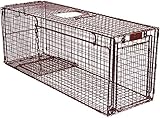
- Works for cats, skunks, rabbits, and other small animals
Is it safe to trap during extreme weather?
Only if the cat can remain protected from heat, cold, rain and direct sun from capture through recovery. If you cannot provide a temperature-controlled holding area and prompt transport, postpone the attempt and ask a local TNR provider for a safer arrangement.
How can several caregivers avoid trapping the same cat twice?
Share photographs, ear-tip status, capture dates and feeding schedules with everyone who works at the site. A single shared record or contact person reduces duplicate appointments and helps identify the next untipped cat that needs care.
What’s actually slowing this PC down?
Pick the symptom - the matching free tool is one click away.
Frequently Asked Questions
Will every TNR clinic provide the same tests and medications?
No. Core services commonly include sterilization, ear-tipping and vaccination, but parasite treatment, testing, pain-control protocols and additional procedures vary. Ask for the clinic’s exact package before making the appointment.
Can I release a cat as soon as it wakes up?
Not automatically. The cat should meet the clinic’s discharge criteria, remain free of concerning signs and be safe to transport; a veterinarian may require a longer stay after an abnormal finding. When cleared, return is generally prompt rather than an extended holding period.
What should I do if an ear-tipped cat appears at a new feeding site?
Photograph the cat, note the location and ask nearby caregivers whether it has been relocated or is being monitored. A visible ear tip usually means it has already been sterilized, so avoid re-trapping unless a veterinarian or experienced TNR coordinator identifies a medical reason.
Is it safe to trap during extreme weather?
Only if the cat can remain protected from heat, cold, rain and direct sun from capture through recovery. If you cannot provide a temperature-controlled holding area and prompt transport, postpone the attempt and ask a local TNR provider for a safer arrangement.
Free tools Windows power users keep installed
One-click scans. No signup required.
How can several caregivers avoid trapping the same cat twice?
Share photographs, ear-tip status, capture dates and feeding schedules with everyone who works at the site. A single shared record or contact person reduces duplicate appointments and helps identify the next untipped cat that needs care.





Leave a Reply