
Some links on this page are affiliate links: if you buy through them we may earn a commission, at no extra cost to you.
Keep a newly adopted cat indoors until it is settled, identifiable, protected by the veterinarian’s recommended vaccines and parasite treatments, and ready to return reliably when called. For many cats that means about three to four weeks; a fearful or previously roaming rescue may need six to eight weeks. Kittens should not go outside until at least six months old under current PDSA guidance.
Permanent indoor living is often the safest option. If you choose outdoor access, use a secure enclosure or supervised sessions rather than immediate free roaming, and extend access gradually after the cat is confident in the home.
As an Amazon Associate I earn from qualifying purchases.
Do these 3 things before closing this tab:
1Repair Windows errors before they cause bigger problems2Fix the driver behind crashes, sound loss and screen glitches3Clear out junk files and repair common Windows errorsHow long should I keep my newly adopted cat inside?
Wait until the cat has adjusted to your household and can treat the home as a secure base. Cats Protection gives three to four weeks as a general guide after adoption or a move. The National Animal Welfare Trust recommends six to eight weeks for a new rescue cat. These are welfare guidelines, not fixed deadlines: use the longer period when a cat is frightened, has a history of roaming, or has not yet formed a dependable bond with the household.
“If you’ve recently adopted your cat or kitten, or have moved to a new home, it’s important not to let your cat out until they have adjusted to their new surroundings.” — Cats Protection
Popular on Amazon
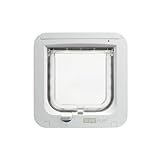 SureFlap - Sure Petcare Microchip Cat Flap, White, Scans Pet's ID on Entry, Check Your Cat's Size,Flap Opening is 4 3/4” (H) by 5 5/8” (W)
- SELECTIVE ENTRY CAT DOOR (Screens on Entry only): Uses RFID to read your cat’s implanted ID microchip, allowing your cat access without letting in stray animals—learns up to 32 identities; programmable collar tags are sold separately for cats without microchips. SIMPLE ONE BUTTON Programming. Helps prevent intruder animals from entering your home.
- MICROCHIP COMPATIBILITY: Works with 9 (Avid Secure), 10 (FDXA) and 15 (FDXB) digit microchip numbers; if unsure of your pet’s microchip number, you can check with your veterinarian, pet shelter or animal rescue.
- DOOR OPENING: The Microchip Cat Door Flap opening is 4 3/4” (H) by 5 5/8” (W) and can be installed in doors, windows or walls – accessories are available from SureFlap.
- BATTERY POWERED: Uses 4 AA non-rechargeable alkaline batteries (not included); estimated battery life up to 12 months depending on use. LOW BATTERY INDICATOR: Light flashes red when batteries are low and indicates batteries will need to be replaced soon.
- PERFECT GIFT: The SureFlap Microchip Cat Door is a great gift for pet lovers and cat lover’s – making safe spaces and homes for their cats. Three Year Warranty.
Do not judge readiness by the calendar alone. A cat is closer to ready when it eats, sleeps, grooms and uses the litter tray normally; explores beyond its refuge room; plays or interacts voluntarily; and returns to you for food or reassurance. Hiding constantly, attempting frantic escapes, refusing food, or showing persistent fear means the settling period should continue and may justify advice from a veterinarian or qualified behavior professional.
What if the cat previously lived outdoors?
A former outdoor cat may still need several weeks to learn the new home’s smells, exits and routines. Previous roaming does not make an early release safe: a cat can become disoriented, hide nearby, cross roads while trying to return to its old territory, or fail to recognize your home as its base.
When can a kitten go outside?
PDSA’s current guidance says kittens should be at least six months old before outdoor access. Your veterinarian should also confirm that the kitten’s vaccination schedule, neutering plan, identification and parasite protection are appropriate for its age and local disease risks.
What should I do during the settling-in period?
Start with one quiet refuge room and let the cat expand its territory at its own pace. A smaller, predictable space reduces hiding and escape opportunities while the cat learns household sounds and routines.
Also popular on Amazon

- DESIGNED FOR SMALL TO MEDIUM CATS: Overall Size - 9¾" W × 10⅜" H (248mm × 265mm), Cut-Out Size - 7¹⁄₁₆" W × 8¹⁄₁₆" H, diameter 9⅛" (178mm × 204mm, Ø232mm)
- SELECTIVE ENTRY ONLY: Allows all cats to exit freely while only permitting microchip-recognised cats to enter. Ideal for multi-cat households or keeping neighbourhood cats outside while ensuring your own cat can always return home
- MICROCHIP-CONTROLLED ACCESS: Reads your cat's existing microchip for secure, collar-free entry. Stores multiple microchip IDs, making it suitable for households with more than one cat
- 4-WAY TIMER-CONTROLLED LOCKING: Use the programmable timer to automatically control your cat's access at set times, helping to establish routines or keep cats indoors overnight
- BATTERY-POWERED & EASY TO INSTALL: Simple installation into doors, panels and selected walls with compatible accessories. Battery-powered design eliminates the need for mains wiring while providing dependable performance
- Provide food and water in separate, easy-to-reach locations.
- Place a litter tray in a quiet spot away from food, with an unobstructed route to it.
- Add at least one covered hiding place and one elevated perch.
- Offer a sturdy scratching post and toys, including interactive feeders.
- Keep exterior doors and windows closed or securely screened.
- Use consistent feeding and play times so the cat can predict what happens next.
When the cat is relaxed in the refuge, open another room while keeping the original room available as a retreat. Do not carry or force the cat into new areas. If other pets live in the home, begin with physical separation, exchange scents, and increase contact gradually only when all animals remain calm.
What does my cat need before going outside?
Arrange the first veterinary appointment within a few days to a week after adoption. Bring every record supplied by the shelter or previous owner; if records are missing, the veterinarian can create a catch-up plan.
Outdated Drivers Are Slowing You Down
One free scan finds every outdated or missing driver and matches the right update for your exact hardware.Free scan · exact hardware matchWindows Errors? Fix Them Before They Spread
Repair common Windows errors and clear accumulated junk for a smoother, more stable PC - no reinstall needed.Free scan · no reinstall| Preparation | What to confirm | Why it matters |
|---|---|---|
| Health examination | General health, injuries, chronic conditions and a plan for follow-up care | Illness, pain or stress can make outdoor exposure unsafe and may alter the timing of release. |
| Vaccination | Which vaccines were given, when boosters are due, and which diseases matter locally | Indoor cats can encounter infectious agents through people, other animals or an escape. |
| Microchip | Chip implanted and registered; phone, address and emergency details kept current | A chip helps reunite a lost cat, but it works only when the registration record is accurate. |
| Parasite control | Flea, tick and internal-worm prevention selected with the veterinarian | Outdoor exposure increases contact with parasites and contaminated environments. |
| Neutering | Timing recommended for this cat’s age and health | Welfare guidance associates neutering with less roaming and fighting. |
| Local rules | Identification and licensing requirements in your jurisdiction | Rules differ by country. In England, PDSA and Cats Protection describe compulsory microchipping for cats over 20 weeks; that requirement should not be assumed elsewhere. |
Vaccination and parasite prevention remain relevant for an indoor-only cat because organisms can enter the home and an indoor cat can escape. Follow the product label and your veterinarian’s schedule rather than combining treatments without advice.
Is it safer to keep my cat indoors?
For most households, yes. Merck Veterinary Manual states, “It’s much safer for cats to stay indoors than to be allowed outside.” Outdoor access exposes cats to traffic, fights, predators, infectious disease, fleas, ticks, worms, toxic substances and the possibility of becoming lost.
Also popular on Amazon

- Compatible with all common microchips - works with your cat's existing microchip to keep out intruder cats and wildlife
- Set exit permissions for each pet to keep specific pets indoors using dualscan technology - Store up to 32 pets
- Can be installed in doors, windows or walls - accessories available
- Door opening is 4 3/4" H x 5 5/8" W
- Requires 4 AA batteries which last up to a year with normal use (not included)
Outdoor hazards that cannot be eliminated completely
- Vehicles: Even quiet roads can be dangerous. Night increases risk because cats are often more active and headlights can disorient them.
- Fights and bites: Territorial encounters can cause abscesses and transmit infections.
- Parasites and disease: Fleas, ticks, worms and contagious diseases can be picked up from soil, prey or other cats.
- Poisoning: Antifreeze, pesticides, rodenticides, chemicals and some garden products can be fatal.
- Predators and wildlife: A cat may be injured by dogs, wild predators or defensive wildlife, and can harm wildlife itself.
- Loss or entrapment: Cats can enter sheds, garages, vehicles or unfamiliar buildings and fail to find their way home.
Keep cats indoors overnight where local traffic, wildlife or crime makes darkness especially hazardous. In cold weather, check under and around a car engine before starting it; cats may shelter there for warmth.
How can an indoor cat get enough exercise and stimulation?
Indoor life is healthy when the environment supplies opportunities to climb, hide, scratch, hunt, rest and make choices. Enrichment should be part of the daily routine, not an occasional substitute for outdoor access.
Create usable territory
- Install stable vertical options such as a cat tree, shelves or a safe window perch.
- Provide several hiding places, including one where the cat will not be disturbed.
- Place scratching surfaces in different rooms, especially near sleeping areas and common routes.
- Keep windows securely screened and balconies inaccessible unless enclosed with cat-proof mesh.
Make feeding and play resemble natural behavior
- Use wand toys or moving toys for short sessions that mimic stalking and pouncing.
- Rotate toys so familiar objects remain interesting.
- Offer puzzle feeders or scatter part of the daily ration for supervised searching.
- Schedule play before meals and quiet rest afterward.
Watch body language. Tail lashing, flattened ears, avoidance or sudden over-grooming indicate that an activity or introduction is too intense. Add resources rather than forcing interaction, and ask your veterinarian about persistent behavior changes.
How do I stop my new cat from escaping through the door?
Use management and training together. A cat that has not yet settled should never have unrestricted access to an exterior doorway.
Also popular on Amazon

- SELECTIVE ENTRY CAT DOOR: Uses RFID to read your cat’s implanted ID microchip, allowing your cat access without letting in stray animals. Learns up to 32 IDs; RFID collar tags sold separately for cats without chips. SIMPLE ONE BUTTON Programming.
- MICROCHIP COMPATIBILITY: Works with 9 (Avid Secure), 10 (FDXA) and 15 (FDXB) digit microchip numbers; if unsure of your pet’s microchip number, you can check with your veterinarian, pet shelter or animal rescue
- DOOR OPENING: The Microchip Cat Door Flap opening is 4 3/4” (H) by 5 5/8” (W) and can be installed in doors, windows or walls – accessories are available from SureFlap.
- BATTERY POWERED: Uses 4 AA non-rechargeable alkaline batteries (not included); estimated battery life up to 12 months depending on use. LOW BATTERY INDICATOR: Light flashes red when batteries are low and indicates batteries will need to be replaced soon.
- PERFECT GIFT: The SureFlap Microchip Cat Door is a great gift for pet lovers and cat lover’s – making safe spaces and homes for their cats. Three Year Warranty.
- Create a door buffer. Keep the cat in its refuge room when movers, visitors or deliveries are expected. A baby gate is not reliable for every cat, so use a closed interior door when necessary.
- Change the household routine. Before opening the exterior door, check where the cat is. Ask everyone in the home to use the same rule.
- Reward distance from the door. Toss a treat toward a mat or another room whenever you approach the exit. Reward the cat for staying there; do not chase it if it darts forward.
- Install physical safeguards. Use self-closing doors, secure window screens and a second barrier such as an enclosed porch where practical.
- Prepare for visitors. Put the cat in its refuge with food, water and a litter tray before the doorbell rings.
Never punish a cat for approaching an exit. Punishment can increase fear and make future escapes harder to manage. If the cat repeatedly rushes doors despite precautions, keep it separated during high-traffic periods and seek behavior advice.
Which type of outdoor access should I choose?
There is no single correct arrangement. Compare the cat’s temperament and previous lifestyle with the safety of your home, garden and surrounding roads. AAHA/AAFP guidance identifies supervised or controlled access, leashed walks and cat-proof enclosures as ways to reduce some risks of unrestricted roaming.
| Access model | Main advantages | Main risks and requirements |
|---|---|---|
| Permanent indoor living | Lowest exposure to traffic, fights, predators, poisons, parasites and infectious disease; easiest to monitor. | Requires deliberate climbing, hiding, scratching, play and feeding enrichment. Door and window security are essential. |
| Supervised enclosure or garden sessions | Provides fresh air and sensory stimulation while limiting travel and contact with hazards. | Area must be escape-resistant and free of toxic plants, chemicals, machinery and sharp objects. A person must remain attentive. |
| Harness walks | Can provide controlled exploration away from the home when the cat accepts the equipment. | Many cats find restraint stressful. Introduce the harness indoors in tiny steps; stop if the cat freezes, panics or tries to escape. |
| Free outdoor access | Allows the cat to choose its own territory and activity. | Highest exposure to vehicles, fights, disease, parasites, poisons, predators and loss. Identification, veterinary prevention and local hazard assessment remain necessary. |
A cat-proof enclosure or secure garden is not a substitute for identification or health care. A microchip cat flap can limit entry to registered cats and help prevent unfamiliar animals entering, but it does not stop hazards outside and should be considered only after the cat is settled and prepared.
Independent reader supportYour contribution helps us test, update, and keep practical guides available for everyone.How should I introduce the first outdoor session?
Make the first outing short, quiet and reversible. The cat should be able to retreat indoors immediately and should never be carried far from home for a first release.
Also popular on Amazon

- MICROCHIP ACTIVATED ENTRY: Reads microchips or Cat Mate ID Discs, sold separately, allows access for up to 30 cats. Compatible with 15-digit ISO microchips and AVID microchips. Not compatible with 10-digit microchips or those containing letters
- SUITABLE FOR SMALL TO MEDIUM-SIZED CATS AND SMALL DOGS: Designed for cats of various sizes, providing them with easy access while ensuring their safety and comfort
- FEATURES: Offers versatile control with settings - in and out, in only, out only, or fully locked, allowing you to manage access at all times. Draught and weather-proof with silent action, fully brush-sealed with magnetic closure for rain protection
- DIMENSIONS: Self-lining to 85 mm (3”) thick; overall size is 197 mm (7¾”) width by 246 mm (9 ¹¹⁄₁₆”) height; cut-out size is 173 mm (6⅞”) width by 198 mm (7¾”) height; flap opening size is 145 mm (5¾") width by 145 mm (5¾") height
- INSTALLATION: When installed into walls thicker than 2", this flap requires both the wall liner (308W) and the adapter (362W), sold separately, for proper fitting/functionality. Suitable for single/multiple glazing, walls, UPVC, metal and wood doors
- Complete the prerequisites. Finish the settling period, confirm identification and veterinary advice, and arrange vaccination, parasite protection and neutering when appropriate.
- Inspect the area. Repair gaps, secure gates, remove sharp objects and chemicals, cover or remove toxic plants, and block access to roads, ponds, machinery and sheds.
- Teach a recall cue indoors. Say the cat’s name or make one consistent sound. Reward the cat for turning toward you, then practice from gradually greater distances. Keep the cue positive.
- Choose the timing. Select a quiet period just before a normal meal. Avoid busy traffic, fireworks, storms and other unusual disturbances.
- Stay with the cat. Open the door to the refuge and let the cat decide whether to step out. Do not carry it into the garden or shut the retreat behind it.
- Call and reward. After a brief exploration, use the practiced cue and give a high-value reward when the cat returns.
- Extend gradually. Repeat on later days, adding time only when the cat remains relaxed and returns reliably. Never make recall predict only an unpleasant event such as immediate confinement.
If the cat bolts, hides, or ignores the recall, reduce the area and duration at the next attempt. A secure enclosure or indoor-only arrangement may be a better long-term choice for a nervous cat or an unsafe location.
How can I reduce hazards after outdoor access begins?
- Keep the cat indoors overnight when darkness increases local risks.
- Maintain the veterinarian’s vaccination and parasite-prevention schedule.
- Check the cat regularly for ticks, wounds, limping, coughing, diarrhea or changes in appetite.
- Store antifreeze, pesticides, fertilizers, medicines and other chemicals where a cat cannot reach them.
- Ask neighbors to check sheds, garages and vehicles before closing or starting them.
- Use a breakaway collar only if desired and ensure it does not replace a registered microchip.
- Keep doors to garages, workshops and storage buildings closed or check them before leaving.
Contact a veterinarian urgently after suspected poisoning, a bite wound, a road injury, breathing difficulty, collapse or a missing cat. Do not induce vomiting or give human medicine unless a veterinarian specifically instructs you.
Quick wins for a faster PC:
Repair Windows errors before they cause bigger problemsFix Now →Fix the driver behind crashes, sound loss and screen glitchesFind Drivers →What is the safest default for a newly adopted cat?
Keep the cat indoors while it settles, build a stimulating home, and complete veterinary preparation before considering any release. For many cats, permanent indoor living offers the best balance of safety and welfare. If outdoor time is important to this individual cat, controlled access in a secure enclosure or supervised area provides more protection than free roaming.
Frequently Asked Questions
Can a newly adopted cat find its way home if it gets out?
Do not rely on that. A cat released before it recognizes the home as its base may hide, follow unfamiliar territory or become trapped. Keep identification current and use a refuge-room routine until the cat is settled.
Should I use a harness to take my cat outside?
Only if the cat accepts it. Introduce the harness indoors gradually with treats, starting with brief contact and no leash; some cats find restraint highly stressful and are better served by an enclosure or indoor enrichment.
Do indoor cats still need vaccines and flea treatment?
Often, yes. Infectious agents and parasites can enter on people, other animals or objects, and an indoor cat may escape. The veterinarian should set the schedule for your cat’s health, age and local risks.
The Tool Desk
Outbyte Driver Updater FREEScan for outdated or missing drivers - takes under a minuteDriver Scan →Outbyte PC Repair FREEClear out junk files and repair common Windows errorsFree Scan →What should I do if my cat refuses to come back inside?
Stay calm, keep the entrance open and use the practiced recall cue with a favorite food. Avoid chasing. If the cat remains hidden or distressed, reduce future sessions to a smaller secure area and ask a veterinarian or behavior professional for help.





Leave a Reply