
Some links on this page are affiliate links: if you buy through them we may earn a commission, at no extra cost to you.
The safest way to house a nursing cat and wild animal under the same roof is strict physical separation. Keep the mother cat and kittens in a secure indoor room, while the wildlife remains outside the cat’s zone—preferably in a covered, hard-sided carrier only when a licensed wildlife rehabilitator or state wildlife office has directed transport. Use a closed door between them, never share bowls, litter tools, towels, bedding or carriers, and avoid handling wildlife unless a professional tells you to do so.
First make sure the young animal really needs rescue. Parents are often nearby. Observe from a distance and call a licensed rehabilitator or wildlife authority before moving it, unless it is clearly injured or in immediate danger. The CDC’s advice is blunt: “Don’t adopt a wild animal or bring it into your home.”
As an Amazon Associate I earn from qualifying purchases.
What is the safest arrangement for a nursing cat and wild animal in one home?
Use two completely closed zones. The nursing cat and kittens stay in one quiet indoor room with the door shut. The wild animal stays away from that room and from every item used by the cat. If a professional has instructed you to hold the animal briefly for transport, use a covered, hard-sided pet carrier in a separate closed room until transfer.
This arrangement is not a home rehabilitation plan. It is a short-term risk-control measure while a permitted or licensed professional decides whether the animal should be reunited with its parent, treated, or transported. Wildlife Health Australia says domestic animals, including therapy animals, should not contact wildlife in care. Texas Parks and Wildlife similarly says a suspected orphan must be kept away from domestic pets because of disease-transmission danger.
Popular on Amazon
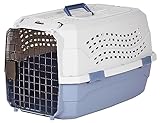
- Hard sided pet carrier with 2 doors for front and top entry; suitable for cat or medium size dog weighing 12 - 20 pounds
- Durable plastic construction with steel wire doors; screws keep the top and bottom sections securely connected
- Spring load latches ensure easy one-handed door opening and closing; top door swings open to the left or right and includes a top carry handle
- Plenty of air ventilation on the sides, top, and back of the carrier
- Note: Be sure to measure the size of the pet when choosing carrier size
Physical separation means more than putting the carrier on the other side of a room. Do not allow nose-to-nose contact, visual inspection through an open door, pawing at the carrier, shared air space when the carrier is uncovered, or access to feces, food, water, bedding and cleaning equipment. A closed door is the practical boundary; a baby gate or a cage beside the cat’s nesting box is not.
How can I tell whether a baby wild animal is actually orphaned?
Assume that a parent may be nearby until a wildlife professional says otherwise. The CDC and wildlife agencies advise observing from a distance and calling for guidance before taking a young animal home. Moving a healthy youngster can separate it from the parent that would give it the best chance of survival.
Observe without approaching
Record the exact location, time and circumstances. Watch from far enough away that the parent will not avoid the area. Do not carry the animal indoors simply because it is alone, quiet or calling; those observations do not establish that it has been abandoned.
Call before you touch
Contact a licensed wildlife rehabilitator or the relevant state or local wildlife office. Describe the species if known, the location, what you observed and whether the animal appears injured or in immediate danger. Ask whether you should leave it in place, create a safer nearby position, or transport it. The professional can also tell you which permits and handling rules apply in your jurisdiction.
When immediate action may be justified
If the animal is clearly injured or faces immediate danger, tell the rehabilitator or wildlife office that when you call. Follow the exact instructions you receive; do not improvise food, medicine or rehabilitation. A professional may decide that a brief, covered transport is appropriate even when a healthy youngster would normally be left for reunification.
How should I set up the nursing cat’s room?
The cat’s room should be a quiet, secure indoor space that the wildlife and its equipment can never enter. Keeping the mother indoors also prevents her from encountering wildlife outside, where contact, hunting and contamination are harder to control.
Choose a room with a closable door
Select a room where the door can remain shut and household traffic is limited. Keep the cat’s nesting area, food, water, litter and cleaning supplies inside that room. Do not place the wildlife carrier in the doorway, hallway or adjoining open-plan area where the cat could reach it if the door is opened.
Control every access point
Check windows, vents and gaps that could allow an escape or accidental contact. Before opening the door, know where the cat is and secure her away from the threshold. If another person is carrying wildlife through the home, one person should manage the cat-room door while the other handles the carrier.
Also popular on Amazon

- Hard sided pet carrier with 1 door for front entry; suitable for a cat, dog, or other small pet
- Durable molded plastic construction; locking door mechanism for secure closure
- Top handle for easy carrying
- Metal wire door and side panels provide ventilation
- Product Dimensions: 23.6 x 15.7 x 13 inches (LxWxH)
Keep cat equipment exclusive
Bowls, litter scoops, towels, bedding, toys and carriers used by the mother and kittens stay with them. Do not borrow these items for wildlife, even if they appear clean. Wildlife Health Australia and other biosecurity guidance call for separation from domestic animals and their equipment.
What should I do if a rehabilitator tells me to transport the wildlife?
Use a covered, hard-sided pet carrier only for the directed trip or other brief holding period specified by the professional. Texas Parks and Wildlife advises placing the animal in “a pet carrier with a towel over it” until transfer to a licensed rehabilitator. The carrier does not make home care safe, legal or suitable for an extended stay.
What’s actually slowing this PC down?
Pick the symptom - the matching free tool is one click away.
- Confirm the destination first. Call the rehabilitator, veterinarian or wildlife office and obtain acceptance or clear instructions before you set out. Ask where to go, when to arrive and whether the animal should remain undisturbed in the carrier.
- Prepare the route. Close the cat-room door, move people and pets away from the path, and choose the shortest route to the exit. Do not stop to show the animal to family members or let the cat investigate.
- Cover the carrier. A towel over the carrier reduces visual stimulation during transport. Keep ventilation openings clear and follow any species-specific directions from the professional.
- Keep the carrier isolated. Place it in a separate closed room while waiting, away from the cat, kittens, litter, bowls, bedding and cleaning tools. Do not set it beside the nesting box “just for a moment.”
- Do not add food or medicine unless instructed. Species differ, and an incorrect diet, liquid or drug can worsen the animal’s condition or reduce its chance of release. Ask the rehabilitator what, if anything, is appropriate.
- Transfer promptly. Go directly to the agreed destination and hand the animal to the professional. Do not keep it overnight for convenience or attempt to raise it yourself.
How do I move wildlife through a home that has a nursing cat?
Plan movement as a biosecurity task, not as a casual pet-care errand. The goal is to prevent contact, reduce stress and avoid spreading material from the wildlife area to the cat’s room.
Before picking up the carrier
Put the cat and kittens behind their closed door. Close exterior doors so an escape does not create a second emergency. Clear the route and ask other people to stay out of it. Have the destination and transport instructions ready before you handle the carrier.
During the move
Keep the carrier covered and upright. Do not open it to check on the animal unless the professional specifically directs you to do so. Keep it away from your clothing, the cat’s bedding and any surface used for feeding or litter care. Never let the cat see, sniff or touch the animal.
After the move
Wash your hands and follow the rehabilitator’s directions for cleaning or disinfecting anything that contacted the carrier or its contents. Do not return a carrier, towel or other item to the cat’s room until it has been cleaned in the manner the professional recommends.
Quick wins for a faster PC:
Clear out junk files and repair common Windows errorsFree Scan →Fix the driver behind crashes, sound loss and screen glitchesFind Drivers →Repair Windows errors before they cause bigger problemsFix Now →What hygiene and protective measures are appropriate?
Every handling decision should start with avoiding contact. If a professional says handling is necessary, use the gloves or other personal protective equipment they recommend, cover open cuts on your skin, wash your hands afterward and clean surfaces as directed.
Use gloves correctly
Gloves are a barrier, not permission to handle wildlife casually. Put them on before contact, avoid touching your face, phone or cat supplies while wearing them, and remove them without contaminating your hands. Wash with soap and water after removal, even if the gloves appeared intact.
Also popular on Amazon

- Ready for Every Little Adventure: Whether it's a quick trip to the vet, the pet store, or the park, this hard-sided travel carrier keeps your furry friend safe and comfortable on the go
- Sized for Small Pets You Love: Designed for cats or small dog breeds up to 24 lbs; carrier interior measures 22.55 x 15.2 x 14.9 inches, just right for cozy rides
- Easy to Clean & Carry: Durable polypropylene shell wipes clean in seconds, and the built-in handle means you can grab it and go without a second thought
- Breathe Easy, Ride Happy: Ventilated sides and a wide-wire door give your pet plenty of fresh air and visibility so they can stay cool and curious while traveling
- Quick Setup, No Stress: Patented 5-step assembly snaps together in minutes-no tools, no fuss; door can open either direction to make loading your pet simple and stress-free
Keep skin and household surfaces protected
Cover wounds before any instructed handling. Keep wildlife feces, bedding, food and water away from the cat and from food-preparation areas. Do not wash wildlife, its carrier or contaminated materials in the household sink; ask the professional how those items should be cleaned.
Separate cleaning tools
Litter scoops, bowls, towels, gloves and disinfecting supplies should not move between the two zones. If an item has contacted wildlife, treat it as wildlife equipment until the rehabilitator or veterinarian gives cleaning instructions. Follow the product label and professional advice for dilution, contact time and rinsing; do not mix cleaning chemicals.
The Tool Desk
Outbyte PC Repair FREERepair Windows errors before they cause bigger problemsFix Now →Outbyte Driver Updater FREEScan for outdated or missing drivers - takes under a minuteDriver Scan →How do I protect the nursing cat and kittens?
Keep the mother cat indoors and prevent access to wildlife, its excrement, food, water, bedding and carrier. The CDC notes that wildlife attracted by outdoor pet food can expose cats to disease and recommends regular veterinary care and parasite prevention.
Maintain the cat’s normal care
Keep feeding, litter and nesting routines in the closed cat room. Do not move the kittens to a temporary box in a common area to make room for the carrier. A stable, quiet environment helps prevent the mother from approaching doors or escape routes when people are moving through the house.
Do not use the cat as a “helper”
A mother cat may appear calm around a small animal, but grooming, nursing, batting or prolonged sniffing can cause injury, predation, stress or disease transfer. Domestic maternal behavior does not make an unfamiliar wild species safe to handle or raise.
Ask a veterinarian about any exposure
If the cat or kittens touch the wildlife, its feces, bedding or carrier, separate them immediately and call a veterinarian. Do not apply medication, bathe the cat or delay advice while watching for symptoms. Tell the veterinarian exactly what contact occurred and whether anyone was bitten or scratched.
Free tools Windows power users keep installed
One-click scans. No signup required.
What should I do after a bite, scratch or suspected disease exposure?
Stop handling, separate the animals and seek prompt veterinary and public-health advice. Wildlife can be unpredictable and may carry zoonotic disease, so a wound or exposure should not be managed as an ordinary household scratch.
For the person exposed
Move away from the animal, avoid further contact and report the bite or scratch when calling a healthcare or public-health service. Explain the species if known, whether the animal was wild, what protection was used and where the incident occurred. Follow the instructions you receive for wound care and any additional evaluation.
Also popular on Amazon

- SECURE AND COZY DEN: The Petmate Two-Door portable dog crate provides easy access with top or front-loading doors, offering a safe and comfortable space for your pet's natural denning instincts
- AIRLINE-APPROVED: This small dog carrier airline approved meets most airline cargo specs. Ventilation holes provide fresh air and 360-degree visibility for your pet
- IDEAL FOR SMALL PETS: Designed as a puppy carrier for small dogs 0-15 lbs, the 24-inch crate offers room for pets to stand, turn, and lie comfortably; with space for a cushion to enhance comfort
- EASY ASSEMBLY AND MAINTENANCE: The plastic dog crate shell is simple to clean; a stay-dry moat directs fluids away from pets
- CONVENIENT: Featuring steel doors with easy-squeeze latches and a foldable handle, this USA-made pet carrier for dogs & cats provides a less stressful travel experience
For the cat or kittens
Keep them in the closed cat room and contact your veterinarian promptly. Do not let them return to the wildlife area while you wait for advice. Preserve useful information about the contact, including the carrier, towel or other item involved, without handling contaminated material unnecessarily.
For the wildlife
Do not chase, restrain or release the animal unless the professional handling the case tells you to. Tell the rehabilitator that contact occurred so the animal can be assessed and the correct exposure precautions can be taken.
Windows Errors? Fix Them Before They Spread
Repair common Windows errors and clear accumulated junk for a smoother, more stable PC - no reinstall needed.Free scan · no reinstallCrashes, No Sound, or Screen Glitches?
Random freezes, missing sound and display glitches usually trace back to one bad driver. Find and replace yours safely.Free scan · under a minuteIs it legal or humane to rehabilitate wildlife at home?
Usually, the answer depends on the species and jurisdiction, and possession or rehabilitation may require permits. NSW Health states that only a licensed wildlife rehabilitation provider or registered veterinarian can take a sick, injured or orphaned native animal into care. Texas Parks and Wildlife also directs the public toward licensed rehabilitation rather than informal home care.
Legal permission is only one issue. Wild animals have species-specific housing, diet and social needs that a household with a nursing cat cannot reliably provide. Human habituation can reduce an animal’s ability to survive after release. The responsible role for a homeowner is to prevent additional harm, keep the animal isolated for the shortest professional-directed period and arrange transfer.
Which temporary arrangement is safest?
The options below are not interchangeable. Only the first two fit a professional-directed, short-term plan; the other arrangements create avoidable risk.
| Arrangement | Disease-control separation | Cat predation or stress | Licensing and care limits | Species housing and diet | Transfer speed |
|---|---|---|---|---|---|
| Wildlife in a separate closed room | Best available household barrier when no contact or shared equipment occurs | Greatly reduced because the cat cannot see or reach the animal | Still subject to local possession and rehabilitation rules | Does not replace professional, species-specific care | Suitable while arranging prompt professional direction |
| Covered hard-sided carrier in a separate closed room | Contained for a brief, instructed transport period | Low if the carrier remains covered and inaccessible | Transport tool only, not a rehabilitation enclosure | Provides no substitute for species-specific treatment or feeding | Fastest option when a rehabilitator has accepted the case |
| Carrier or box in the same room as the cat | Unacceptable: visual, nose-to-nose and equipment contact remain possible | Predation, injury and stress can occur even through a barrier | Does not solve permit requirements | Still inadequate for wildlife care | Creates delay and additional handling |
| Wildlife kept outdoors near pet food or the cat’s area | Uncontrolled exposure to pets, feces, parasites and other wildlife | Cat access and hunting remain possible | Release or possession may violate local rules | No assurance of correct shelter or diet | Not a substitute for professional assessment |
What should I never do?
- Do not let the cat mother, groom, play with or inspect the animal. Predation, injury, stress and disease transfer are credible risks.
- Do not assume “orphan” means abandoned. Call before moving a healthy-appearing youngster unless it is clearly injured or in immediate danger.
- Do not feed species-unknown wildlife or give medicine on your own. Ask the rehabilitator for instructions.
- Do not keep wildlife as a pet. Human habituation can lower survival, and possession may require a permit.
- Do not share bowls, litter tools, towels, bedding, carriers or cleaning equipment. Separation includes supplies, not just animals.
- Do not wash wildlife or its equipment in a household sink. Obtain professional cleaning directions.
- Do not leave the carrier uncovered for viewing. The towel and closed carrier reduce visual stimulation and accidental contact.
- Do not delay veterinary or public-health advice after a bite, scratch or suspected exposure. Tell the adviser that wildlife was involved.
What if no rehabilitator answers immediately?
Leave the animal undisturbed if it is not clearly injured or in immediate danger, continue observing from a distance and try the state or local wildlife office as well as licensed rehabilitators. If a professional has already told you to transport it, keep it covered and isolated in the carrier while you continue contacting the designated service. Do not turn a brief delay into an attempt at home rehabilitation.
Do these 3 things before closing this tab:
1Repair Windows errors before they cause bigger problems2Fix the driver behind crashes, sound loss and screen glitches3Clear out junk files and repair common Windows errorsHow should the household coordinate responsibilities?
Assign one person to communicate with the rehabilitator and record instructions, one person to control doors and the cat’s location, and one person to handle transport only if directed. Write down the animal’s location, the time of any contact, the equipment used and the destination. Clear handoffs reduce the chance that someone opens the carrier, lets the cat into the hallway or feeds the animal contrary to professional advice.
Tell every household member and visitor that the wildlife area is off-limits. Children should not handle the carrier or enter the cat’s room during transfer. If you cannot maintain two closed zones, tell the rehabilitator before moving the animal so a safer placement can be arranged.
Also popular on Amazon
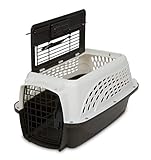
- SECURE AND COZY DEN: The Petmate Two-Door portable dog crate provides easy access with a front-loading door, offering a safe and comfortable space for your pet's natural denning instincts.
- AIRLINE-APPROVED: This small dog carrier airline approved meets most airline cargo specs. Ventilation holes provide fresh air and 360-degree visibility for your pet
- IDEAL FOR SMALL PETS: Designed as a puppy carrier for small dogs 0-15 lbs, the 19-inch crate offers room for pets to stand, turn, and lie comfortably; with space for a cushion to enhance comfort
- EASY ASSEMBLY AND MAINTENANCE: The plastic dog crate shell is simple to clean; a stay-dry moat directs fluids away from pets
- CONVENIENT: Featuring steel doors with easy-squeeze latches and a foldable handle, this USA-made pet carrier for dogs & cats provides a less stressful travel experience.
How do I know the plan is working?
A workable plan has a closed door between species, no shared equipment, a professional contact and a clear transfer time. The cat remains indoors and cannot reach wildlife waste or the carrier. The wild animal is handled only when instructed, stays covered during transport and is not fed or medicated without guidance.
If any of those conditions fails—an escaped carrier, accidental contact, a bite, a scratch, contamination of cat supplies or uncertainty about what to do—stop and call the appropriate veterinarian, rehabilitator or public-health service. Prompt professional advice is safer than trying to correct the situation through more handling.
Recommended Free Tools
Frequently Asked Questions
Can I keep an orphaned squirrel, bird or rabbit overnight if every room is not available?
Tell the rehabilitator or wildlife office that you cannot maintain a separate closed room before moving the animal. Do not improvise a shared bathroom, laundry area or open cage beside the cat; the professional can direct a safer transfer or placement.
Should I release the animal in my yard after it looks stronger?
No. Release timing, location and reunification depend on species, condition and local rules. Ask the licensed rehabilitator who accepted the case; releasing without that direction can separate a young animal from its parent or leave it unable to survive.
Can I use the cat’s old carrier after the wildlife transfer?
Treat it as wildlife equipment until it has been cleaned and disinfected exactly as the rehabilitator or veterinarian directs. Do not return it to the cat’s room merely because the towel was removed or the carrier appears dry.
Do I need to change the nursing cat’s food after a wildlife encounter?
Do not change food or give preventive medication on your own. Call your veterinarian, describe the contact and follow advice tailored to the mother and kittens.
Who can legally take an injured native animal into care?
Rules vary by jurisdiction, but NSW Health says a licensed wildlife rehabilitation provider or registered veterinarian must take a sick, injured or orphaned native animal into care. Contact the relevant wildlife authority to confirm the permitted option where you live.





Leave a Reply