Help your dog feel safe before asking them to cope. Keep enough distance from unfamiliar dogs and crowds for your dog to stay relaxed, pair the trigger with food they value, and increase difficulty gradually. If your dog barks, lunges, tries to escape, trembles, or stops taking treats, the situation is too intense: create space or end the session.
Why distance and management come first
Management prevents overwhelming encounters while training is under way; gradual training aims to change how your dog feels about the trigger over time. Use both. The American Veterinary Society of Animal Behavior (AVSAB) explains that management helps a fearful dog feel safe and protects training from being undermined by repeated difficult encounters.
For now, choose quieter routes or walking times. Look ahead, cross the street, turn around, or use a parked car, hedge, tree, gate, or other barrier to block a close view. Politely ask people not to approach, and skip on-leash greetings while you work on the problem. If a busy setting reliably overwhelms your dog, avoid using a dense crowd as an exposure exercise. The goal is to prevent repeated distress, not to isolate your dog indefinitely.
How to recognize when your dog needs more space
Do not wait for barking or lunging. Early signs can include a sudden change in posture or attention, staring, ears held back, moving away, or difficulty responding to you. More obvious signs may include snarling, trembling, barking, lunging, or trying to escape. Signs vary between dogs; a normally valued treat that your dog will no longer take can also indicate the situation is too difficult.
Quick wins for a faster PC:
Clear out junk files and repair common Windows errorsFree Scan →Fix the driver behind crashes, sound loss and screen glitchesFind Drivers →#1 Best Overall

- #1 VET-RECOMMENDED DOG ANXIETY VEST – Help your dog feel calmer. Trusted by veterinarians, trainers and millions of pet parents, ThunderShirt is the original dog calming vest used to reduce anxiety without medication.
- PATENTED DESIGN - CALMING PRESSURE TECHNOLOGY– This patented easy-to-apply dog calming vest provides constant, gentle pressure to your dog’s torso, helping ease anxiety naturally, similar to swaddling an infant.
- RESULTS DOG OWNERS TRUST – 89%* of pet parents reported improvement in their dog’s stress-related behaviors when using the ThunderShirt Dog Calming Vest.
- HELPS RELIEVE ANXIETY FROM COMMON TRIGGERS – Ideal for thunderstorms, fireworks, separation anxiety, vet visits, grooming appointments, crate training, travel, loud noises, and new visitors at home; curbing unwanted stress-related behaviors like hiding, barking, and destructive behaviors.
- COMFORTABLE & EASY TO USE – Lightweight, breathable, and machine washable dog calming vest. Simply fasten around the neck and torso for a secure fit. No training required. The Sport model is made of 100% durable, lightweight breathable polyester fabric providing comfortable, all-day wear while maintaining full mobility.
VCA’s guidance on dogs uncomfortable around unfamiliar dogs describes signs such as ears back, staring, snarling, and attempts to move away. Its desensitization guidance advises reducing intensity or ending exposure if a dog trembles, tries to escape, barks, or becomes highly excited. Treat these as information: increase distance, use a barrier, or leave.
How to practice around unfamiliar dogs
- Choose a controllable place. Practice somewhere you can maintain distance and leave easily, rather than approaching a dog in a narrow path or crowded area.
- Start far enough away. Let your dog notice another dog from a distance at which they can remain relaxed and readily take treats. There is no universal safe distance; it depends on your dog, the other dog, the setting, and the day.
- Pair the sight with something your dog values. When the other dog appears, offer small pieces of a favored food. When the dog is no longer visible, stop delivering the treats. The aim is to build a more positive emotional association, not to reward barking or another behavior problem.
- Keep early sessions easy and brief. Repeat at a manageable distance. Only move closer or add difficulty when your dog remains comfortable. If you see distress, step back, increase distance, or stop.
- Change one factor at a time. Gradually adjust distance, how long the other dog is visible, movement, or the number of dogs. Avoid making several changes at once, which can make it harder to tell what your dog can handle.
VCA describes gradual, controlled exposure paired with rewards as desensitization and counterconditioning. Its worked progression uses bicycles, so applying the same general approach to unfamiliar dogs is guidance based on the method, not a dog-specific recipe validated for every case. VCA says the process may take “a few hours, a few weeks, or even a few months,” depending on the dog’s emotional response; that range is not a prediction for an individual dog.
Rank #2

- #1 VET-RECOMMENDED DOG ANXIETY VEST – Help your dog feel calmer. Trusted by veterinarians, trainers and millions of pet parents, ThunderShirt is the original dog calming vest used to reduce anxiety without medication.
- PATENTED DESIGN - CALMING PRESSURE TECHNOLOGY– This patented easy-to-apply dog calming vest provides constant, gentle pressure to your dog’s torso, helping ease anxiety naturally, similar to swaddling an infant.
- RESULTS DOG OWNERS TRUST – 89%* of pet parents reported improvement in their dog’s stress-related behaviors when using the ThunderShirt Dog Calming Vest.
- HELPS RELIEVE ANXIETY FROM COMMON TRIGGERS – Ideal for thunderstorms, fireworks, separation anxiety, vet visits, grooming appointments, crate training, travel, loud noises, and new visitors at home; curbing unwanted stress-related behaviors like hiding, barking, and destructive behaviors.
- COMFORTABLE & EASY TO USE – Lightweight, breathable, and machine washable dog calming shirt. Simply fasten around the neck and torso for a secure fit. No training required
How to help your dog cope with crowds
Use the same principle: begin at an intensity where your dog can stay relaxed, then build gradually. A crowd is not one fixed trigger, so adjust its parts rather than starting in the middle of a busy event. For example, begin with a quiet, distant view of a few people, then—only if your dog remains comfortable—gradually vary how near they are, how many are present, how much they move, and how noisy the setting is.
This progression applies general desensitization guidance about controlling exposure intensity and breaking a trigger into elements; it is not a crowd-specific protocol tested in the cited guidance. Keep an exit route available. If your dog cannot take treats, tries to get away, trembles, barks, or becomes highly aroused, increase distance or leave instead of waiting for them to “get used to it.”
Free tools Windows power users keep installed
One-click scans. No signup required.
Rank #3

- #1 VET-RECOMMENDED DOG ANXIETY VEST – Help your dog feel calmer. Trusted by veterinarians, trainers and millions of pet parents, ThunderShirt is the original dog calming vest used to reduce anxiety without medication.
- PATENTED DESIGN - CALMING PRESSURE TECHNOLOGY– This patented easy-to-apply dog calming vest provides constant, gentle pressure to your dog’s torso, helping ease anxiety naturally, similar to swaddling an infant.
- RESULTS DOG OWNERS TRUST – 89%* of pet parents reported improvement in their dog’s stress-related behaviors when using the ThunderShirt Dog Calming Vest.
- HELPS RELIEVE ANXIETY FROM COMMON TRIGGERS – Ideal for thunderstorms, fireworks, separation anxiety, vet visits, grooming appointments, crate training, travel, loud noises, and new visitors at home; curbing unwanted stress-related behaviors like hiding, barking, and destructive behaviors.
- COMFORTABLE & EASY TO USE – Lightweight, breathable, and machine washable dog calming vest. Simply fasten around the neck and torso for a secure fit. No training required. The Sport model is made of 100% durable, lightweight breathable polyester fabric providing comfortable, all-day wear while maintaining full mobility.
Teach useful skills away from triggers
In a quiet, low-distraction place, practice turning with you, walking beside you, or settling on a mat. Reward the behavior you want. Once your dog can respond comfortably at home or in an easy setting, try the skill at a distance from a trigger where your dog is still able to learn.
These skills can help you guide your dog away from an encounter, but they cannot make an overwhelming situation manageable by themselves. VCA notes that substituting a trained response is most useful when the emotional response is low or moderate; a highly distressed dog is unlikely to learn a new cue well.
Rank #4

- #1 VET-RECOMMENDED DOG ANXIETY VEST – Help your dog feel calmer. Trusted by veterinarians, trainers and millions of pet parents, ThunderShirt is the original dog calming vest used to reduce anxiety without medication.
- PATENTED DESIGN - CALMING PRESSURE TECHNOLOGY– This patented easy-to-apply dog calming vest provides constant, gentle pressure to your dog’s torso, helping ease anxiety naturally, similar to swaddling an infant.
- RESULTS DOG OWNERS TRUST – 89%* of pet parents reported improvement in their dog’s stress-related behaviors when using the ThunderShirt Dog Calming Vest.
- HELPS RELIEVE ANXIETY FROM COMMON TRIGGERS – Ideal for thunderstorms, fireworks, separation anxiety, vet visits, grooming appointments, crate training, travel, loud noises, and new visitors at home; curbing unwanted stress-related behaviors like hiding, barking, and destructive behaviors.
- COMFORTABLE & EASY TO USE – Lightweight, breathable, and machine washable dog calming shirt. Simply fasten around the neck and torso for a secure fit. No training required
Keep walks and training safe
Use secure, well-fitted walking equipment and maintain control without jerking the leash or punishing your dog. A harness or muzzle is a safety aid, not a cure for fear or reactivity. If your dog may bite, prevent close contact and get professional guidance on handling and equipment. VCA discusses basket muzzles for dogs that may reach and bite another dog, while cautioning that a muzzled dog can still be vulnerable to attack; choose walking environments accordingly.
AVSAB’s current position page, which includes its 2025 clarification of the 2021 humane training position, recommends reward-based methods for dog training, including behavior problems. Avoid scolding, leash corrections, aversive collars, forced greetings, or flooding your dog with a busy park. Punishment can increase stress and fear, and forcing close exposure can make an already difficult encounter worse.
Do these 3 things before closing this tab:
1Repair Windows errors before they cause bigger problems2Scan for outdated or missing drivers - takes under a minute3Clear out junk files and repair common Windows errorsBest Value
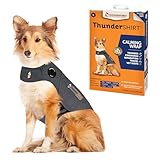
- #1 VET-RECOMMENDED DOG ANXIETY VEST – Help your dog feel calmer. Trusted by veterinarians, trainers and millions of pet parents, ThunderShirt is the original dog calming vest used to reduce anxiety without medication.
- PATENTED DESIGN - CALMING PRESSURE TECHNOLOGY– This patented easy-to-apply dog calming vest provides constant, gentle pressure to your dog’s torso, helping ease anxiety naturally, similar to swaddling an infant.
- RESULTS DOG OWNERS TRUST – 89%* of pet parents reported improvement in their dog’s stress-related behaviors when using the ThunderShirt Dog Calming Vest.
- HELPS RELIEVE ANXIETY FROM COMMON TRIGGERS – Ideal for thunderstorms, fireworks, separation anxiety, vet visits, grooming appointments, crate training, travel, loud noises, and new visitors at home; curbing unwanted stress-related behaviors like hiding, barking, and destructive behaviors.
- COMFORTABLE & EASY TO USE – Lightweight, breathable, and machine washable dog calming shirt. Simply fasten around the neck and torso for a secure fit. No training required
When to ask a veterinarian or behavior professional for help
Arrange veterinary advice if the behavior changes suddenly, if you suspect pain or illness, if anxiety is severe, or if there is a meaningful risk of a bite. Fear, frustration, past experience, pain, and other factors may contribute; an article cannot determine the cause. A veterinarian can assess physical contributors and discuss appropriate care. Persistent difficulty can also warrant help from a qualified, reward-based behavior professional. A trainer may help with skills and gradual exposure; a veterinarian or veterinary behavior professional is important when medical issues, serious anxiety, aggression, or medication questions are involved.
For a temporary change in walking routine, AVSAB also suggests home enrichment activities such as a snuffle mat. Treat enrichment as an optional way to provide activity at home, not as a treatment for reactivity. AVSAB does not endorse individual trainers or credentialing bodies, so check qualifications and availability in your area.
Quick Recap
Product prices and availability are accurate as of the date/time indicated and are subject to change. Any price and availability information displayed on Amazon at the time of purchase will apply.




