Keep your dog’s water available while you troubleshoot the mess. First identify whether she is pawing or digging in the water, tipping the bowl, or simply spilling water while drinking. Then change one factor at a time: move the bowl, switch to a non-reflective surface when glare seems to attract her, or lower the water level for a dog that digs. A floating-disk spill-proof bowl can contain some spills, but it does not necessarily change the underlying behavior. A new, persistent change in drinking or behavior—especially with illness signs—deserves veterinary advice.
Start by identifying exactly what your dog is doing
“Splashing” describes several different situations. The useful fix depends on the pattern, so watch a few drinking sessions before changing the setup. Note the time, location, water level, bowl material, and what happens immediately beforehand. A short phone video can help you distinguish a deliberate game from accidental drips.
As an Amazon Associate I earn from qualifying purchases.
| What you see | What it may indicate | First practical test |
|---|---|---|
| Paws repeatedly at the surface or digs with one or both feet | Play, boredom, heat, fascination with moving water, or a reaction to reflections are plausible explanations described by pet-care sources; none is a diagnosis for an individual dog. | Use a non-reflective bowl, move it to a quieter spot, and try a lower water level while keeping water available. |
| Nudges or flips the empty or full bowl | The bowl may slide easily, the location may be stimulating, or tipping may have become a learned game. | Try a heavier, stable bowl or a spill-containment design and place it on a nonslip, easy-clean surface. |
| Water appears around the bowl only while drinking | Some dogs dribble from the mouth, drink rapidly, or have trouble with the bowl’s height or shape. | Observe posture and comfort; test a different size or height and ask your veterinarian if the change is sudden or accompanied by difficulty eating or drinking. |
| Behavior began suddenly and occurs with unusual thirst, appetite, energy, urination, or comfort | A medical problem is possible and cannot be sorted out from bowl behavior alone. | Keep recording intake and contact a veterinarian rather than restricting water. |
These categories overlap. A dog can begin by pawing at a reflection, discover that the bowl slides, and then repeat the entire sequence because the resulting noise and puddle are rewarding. Treat the observation as a way to choose a safe experiment, not as a diagnosis.
What’s actually slowing this PC down?
Pick the symptom - the matching free tool is one click away.
Why dogs splash, dig, or tip their water bowls
Play, attention, or boredom
Water moves, makes noise, and changes the floor beneath a paw. Those properties can be entertaining, particularly for puppies and dogs that have little to do at the time the behavior occurs. Vetstreet lists boredom among possible reasons for digging in a water bowl, while a veterinarian answer published by Petco describes digging and tipping as behaviors that can become self-reinforcing. The sources do not establish how common this is or prove that a particular dog is bored.
#1 Best Overall

- 【Special Lid Design】Tired of water trails all around the bowl? The Heouvo water bowl, with its hollow lid, is a lifesaver. The lid prevents mischievous dogs from digging in the water or removing the floating disk, keeping snouts and ears dry and reducing water slops on the floor, which makes it especially suitable for long-haired and long-eared breeds. Additionally, the lid helps reduce splashing from bumps, making it perfect for use in the car.
- 【One Piece Molded Floating Disk】Besides lid, the bowl also goes with a floating disk to slow down water drinking, also helps prevent dust, dirt, and pet hair from falling into the water. What’s more, it is an upgraded one piece molded floating disk, no water seepage, never get dirty, no need to pry open for cleaning.
- 【High Quality Material】Heouvo dog water bowl made of thick, heavy duty 304 stainless steel, sturdy & anti-rust. Bowl bottom is full covered by silicone, provide super anti-slip effect, eliminate noise and no floor scratching. and ensuring that it stays in place and never tips over.
- 【Large Capacity】Heouvo 1 Gallon/128oz capacity slow-drinking bowl is perfect for large dogs, multi-pet family and busy pet owners. with its extra-large size, no need to refill water frequently.
- 【Healthy Drinking Behavior】The self-adjusting floating disk is a good special design to slow down pet's drinking speed. Slower drinking means no more choking & vomiting and healthier furry friends. You can also take off the lid if your dogs have good drinking behavior and want to drink smoothly.
Look for a pattern: does the splashing start when you leave, during a quiet part of the day, or after the dog has finished drinking? If the dog immediately seeks interaction when you react, avoid turning the puddle into an attention ritual. Calmly clean it, provide normal exercise and appropriate interaction, and continue observing. Enrichment can be useful for a generally under-stimulated dog, but no source establishes a toy as a guaranteed treatment for bowl splashing.
Heat or a desire to cool the paws
Hot weather can make a dog more interested in water and in putting paws into it. Vetstreet includes heat among possible reasons for digging. If your dog is otherwise comfortable, provide shade, ventilation, and a suitable place to cool off or wade under supervision rather than treating the drinking bowl as a play pool. Panting that seems excessive, weakness, confusion, vomiting, collapse, or very hot skin is an urgent veterinary situation; do not wait for a bowl adjustment to help.
Interest in moving water
Some dogs investigate ripples, a stream from a faucet, or water that shifts when the bowl moves. This is a plausible preference, not proof that still water is unsafe. Keep fresh drinking water available and make any change gradually. A fountain or another moving-water setup may be worth discussing with your veterinarian if your dog refuses the bowl, but the supplied sources do not establish one design as superior.
Reflections from a shiny bowl
Metallic or highly polished surfaces can reflect light. If pawing happens mainly in bright rooms, at a particular time of day, or only with one bowl, glare may be a trigger. Test a matte, non-reflective bowl in the same location before changing several variables. This is a simple comparison: if the behavior drops only after the reflective surface is removed, keep the bowl that lets your dog drink comfortably and that you can clean thoroughly.
Rank #2

- Less Refills: 101oz/3L capacity dog water bowl, large enough to provide your pets with daily water, especially for large dogs. Keep your furry friends hydrated even when you're out all day, ensuring their health.
- One-piece Molded Floating Disk: Upgraded floating disk, no water seepage, never get dirty, no need to pry open for cleaning.
- Diaphanous Design: Transparent bowl allows you to check water quality and the water level reminder helps you monitor your pet's water consumption, so that your pet can always drink clean and healthy water.
- Anti-Spill, No Mess: Innovative design features a floating disk and silicone plugs to slows down the pet’s drinking speed, thus to keep the pet's fur dry, also avoid chocking and splashing.
- Save Your Time: No need to open the floating disk for cleaning, just rinse under water and wipe with a soft cloth, or put the whole bowl in dishwasher, very easy and fast. Dishwasher safe.
Location and surrounding activity
A bowl beside a busy doorway, a noisy appliance, a crate, or another pet’s feeding area may invite nudging or make drinking uncomfortable. Move it to a calm, well-lit spot with enough room for your dog to stand without bumping the rim. Changes in location should not block access or force a dog to pass a feared person or animal to drink.
Bowl stability, shape, and water depth
A light bowl can skid as a dog drinks or paws. A narrow, deep bowl may be awkward for some dogs, while a broad, shallow one may be easier to reach but easier to splash. For a dog that deliberately digs, Petco’s veterinarian answer and Vetstreet’s guidance support trying less water in the bowl. Lowering the level reduces the volume available to fling over the rim; it does not mean withholding water. Refill more often so the dog always has enough to drink.
A step-by-step setup reset
- Record the baseline. For one day, note how often splashing occurs, whether the dog drinks before or after it, the approximate water level, and any heat, visitors, play, or feeding events. Also note urination, appetite, energy, and signs of discomfort.
- Make the bowl secure. Put it on a nonslip mat or a stable surface. If the bowl itself moves, test a heavier or wider-base model that still allows comfortable access. Do not choose a design that traps the muzzle or makes the dog crouch awkwardly.
- Change the location. Select a quiet area away from traffic, loud machinery, and conflicts with other pets. Keep the route to water open at all times.
- Test reflectivity. If light flashes or reflections coincide with pawing, substitute a matte, non-reflective bowl. Change only the bowl for the first test so you can tell whether glare mattered.
- Adjust water depth. For a dog that digs into the water, start with a lower level and check it frequently. Never leave the bowl empty as a behavior-control method.
- Clean and refill. Empty standing water, wash the bowl, rinse away detergent, and refill with fresh water. Inspect the floor and mat so the area does not become slippery or develop odors.
- Review the result. Compare several sessions, not one quiet drink. If one adjustment helps, keep it and then test any additional change separately.
Changing one variable at a time is slower than replacing everything at once, but it prevents you from mistaking coincidence for a solution. If the dog becomes more distressed, stops drinking, or shows pain, return to the setup that permits easy drinking and call your veterinarian.
Windows Errors? Fix Them Before They Spread
Repair common Windows errors and clear accumulated junk for a smoother, more stable PC - no reinstall needed.Free scan · no reinstallOutdated Drivers Are Slowing You Down
One free scan finds every outdated or missing driver and matches the right update for your exact hardware.Free scan · exact hardware matchChoosing a way to contain spills
Containment protects floors while you work on the trigger. It is not the same as stopping the behavior. The American Kennel Club describes spill-proof bowls with a floating disk: the dog pushes the disk down to access water, while the disk helps limit water movement if the bowl is tipped. This mechanism is relevant when puddles are the main problem, including accidental or deliberate tipping, but it does not prove that a dog will stop pawing.
Rank #3

- Upgraded Stainless Steel: Our stainless steel designs give you an elegant modern look. 304/18-8 Food-grade material (The self-adjusting disk is also made of stainless steel) makes the water more secure and safe for pets to drink, dishwasher safe
- Extra Large Capacity: The heavy duty dog water bowl measures 7.9*7.9*4.1 inches, 3 liters. Worry less about your furry friend running out of water. suit for large dogs or multi-pets to use. It also makes a great vehicle carried travel water bowl for dogs
- Spill Proof & Slow Drinking: Utilizes the buoyant force of water to realize the function of automatically adjusting the floating disk to slow down the speed of dog drinking. It also reduces water pollution and effectively prevents water spills on the floor
- Bottom silicone design: There are four non-slip silicone pads at the bottom of the dog water basin. The silicone pads can increase the friction with the ground, ensure the stability of the dog water basin, and protect the floor
- Using Tips: You need press the floating disk to make the water overflow from the water outlet and show your dog know this process. Put a little snack on the floating disk to attract pets to find water
| Option | Best fit | What it can and cannot do | Checks before use |
|---|---|---|---|
| Stable conventional bowl on a nonslip mat | A dog that nudges or slides a light bowl | Reduces movement and splash caused by skidding; does not address a reflection or a dog that wants to dig. | Confirm the dog can reach the water without rubbing the muzzle or collar on the rim. |
| Matte, non-reflective bowl | Pawing linked to glare or visual reflections | Removes one possible visual trigger; does not contain a large spill if the bowl is flipped. | Choose a surface that is easy to wash and inspect for residue or scratches. |
| Lower water level with frequent refills | A dog that digs into the water itself | Leaves less water to fling over the rim; does not reduce the dog’s interest in pawing. | Check the level often and maintain continuous access to sufficient drinking water. |
| Floating-disk spill-proof bowl | Homes where tipping or sloshing creates repeated puddles | Limits the amount released when the bowl is tipped and slows sloshing; may not stop splashing and can be unsuitable if the dog cannot drink comfortably. | Watch a full drinking session, clean all components, and discontinue it if the dog struggles, avoids water, or develops rubbing. |
There is no established best brand or model in the available evidence. Compare products by spill containment, access, stability, and how easily every wet surface can be washed. A bowl that contains water but discourages drinking is not a successful solution.
Keep water access unrestricted
Do not remove the bowl, ration water, or leave only a small amount for long periods to protect the floor. Dogs need reliable access, and a mess-control strategy should never create dehydration risk. If a lower level works for digging, refill it more often instead of letting it run dry.
Measure water only when a veterinarian asks you to monitor intake. Record the amount offered, the amount remaining, refills, outdoor spills, and whether the dog drinks from other sources. A sudden increase or decrease can be clinically important, but a single messy session is not a reliable measure of thirst.
Do these 3 things before closing this tab:
1Clear out junk files and repair common Windows errors2Scan for outdated or missing drivers - takes under a minute3Repair Windows errors before they cause bigger problemsSigns that call for prompt veterinary advice
Contact your veterinarian when the splashing or bowl avoidance is new, persistent, or paired with a meaningful change in drinking. PetMD’s guidance on changes in water intake emphasizes considering illness rather than assuming a behavioral cause. Seek advice particularly when you notice:
Rank #4
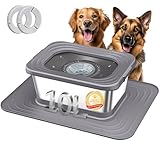
- 10L Extra Large Capacity: 2.6 gallon heavy-duty dog water bowl easily meets the needs of large/giant breeds or multi-pet households, reducing frequent refills. Perfect for daily use or trips, lets you focus on quality time with your pet
- No Spill & Slow Drinking Bowl: Floating board design effectively pet slows down the drinking speed, keeping noses/mouths dry, prevents dust, dirt, and pet hair from falling into the water, and provides clean drinking water for your pets
- Double Anti-skid Design: Our 20"x 15" silicone base with extended edges offers 3X grip compared to standard bowls. Securely anchors during enthusiastic drinking to protect floors and reduce mess
- Premium Stainless Steel: This dog bowl is made of stainless steel, strong and high temperature resistant, and can be washed by machine. smooth surface does not absorb residues like plastic or ceramic, make sure your pet has a clean drinking experience
- Keep Water Clean: The filter adopts non-woven fabric, activated carbon, and ion exchange resin dual filtration system to effectively remove impurities from the water. Replace the filter every 2-4 weeks. Recommended to clean the floating disk twice a week
- markedly increased or decreased drinking or urination;
- lethargy, weakness, collapse, or unusual confusion;
- dry or tacky gums, repeated vomiting, or inability to keep water down;
- loss of appetite, weight change, pain, trouble swallowing, or difficulty breathing;
- reluctance to approach the bowl, paw or mouth sensitivity, or a sudden change in general behavior.
These signs do not identify a specific disease. They indicate that a professional should assess the dog rather than relying on a bowl swap. In an emergency—collapse, severe weakness, breathing difficulty, or repeated vomiting—call an emergency veterinary service.
Independent reader supportYour contribution helps us test, update, and keep practical guides available for everyone.Clean the bowl and the surrounding area
Splashing spreads water, food particles, and saliva onto the mat and floor. Wash the bowl regularly with hot water and dish detergent that is thoroughly rinsed away, and follow the manufacturer’s instructions if the bowl has a removable disk or seal. Dry the underside and the mat before replacing them so bacteria and odor do not build up in trapped moisture.
Texas A&M’s veterinary school discusses hygiene concerns with communal water bowls, noting that risk is greater when a bowl is not cleaned regularly or water is left standing for extended periods. That source addresses shared public bowls, not the cause of splashing at home; the practical lesson for a household bowl is to avoid leaving dirty, stagnant water in place. If several pets share a bowl, give each animal a clean drinking option and ask your veterinarian about extra precautions for pets with illness or weakened immunity.
Free tools Windows power users keep installed
One-click scans. No signup required.
A practical troubleshooting plan
Day 1: observe without reacting
Allow normal access and write down the sequence: approach, drink, paw, tip, spill, and response. Keep your reaction neutral and safe. Do not scold, startle, or physically restrain a dog that is trying to drink.
Best Value

- 【95% Less Mess on Floors & Face】Patidofy slow drinking disk and 3-inch splash guard work together to contain splashes and dribbles. Say goodbye to wet floors, wet socks, and soggy dog faces. Perfect for sloppy drinkers and dogs with long jowls or beards.
- 【Slow Drinking Design Prevents Gulping & Vomiting】The floating disk controls water flow, allowing only a small amount of water in the center opening. This forces dogs to drink slower, reducing gulping, choking, and water regurgitation. Pro Tip: If your dog is hesitant, spread peanut butter on the disk- they'll discover the water within minutes.
- 【Stainless Steel & Easy Clean】Made of high-quality stainless steel- durable and rust-resistant. The stainless steel bowl is dishwasher safe. The plastic rim and floating disk are hand wash only. All 3 pieces come apart quickly with no hard-to-reach areas.
- 【No Tipping, No Sliding】Secure locking rim keeps the floating disk in place. Non-slip rubber base prevents sliding and tipping over, even for enthusiastic drinkers. Stops water bowl from being pushed around or flipped.
- 【3 Sizes-Great for Multi-Dog Homes】 Choose from 5L (Small-Medium Dogs), 7L (Large Dogs) or 11L (Extra Large Dogs). Holds enough water to last all day for multiple dogs- fewer refills. Works indoors on hardwood floors or outdoors on the patio.
Days 2–3: stabilize and simplify
Use the secure bowl and quiet location. If reflections are a clear part of the pattern, use a matte bowl; if digging is the pattern, lower the level. Keep all other conditions as similar as possible and continue recording.
Days 4–5: decide whether containment is needed
If the dog drinks normally but still tips or splashes, trial a floating-disk spill-proof bowl while supervising. Watch for hesitation, repeated licking without getting water, awkward posture, or rubbing. Stop the trial if drinking becomes difficult.
Days 6–7: evaluate the whole dog
Look beyond the puddle. Is drinking comfortable? Are appetite, energy, urination, and behavior normal? If the floor is drier but the dog is drinking less, the setup has failed. If the behavior remains intense or is accompanied by health changes, arrange a veterinary assessment.
Recommended Free Tools
Common mistakes to avoid
- Withholding water. This treats the symptom by creating a health risk.
- Changing five things at once. You lose the ability to identify a useful trigger or improvement.
- Assuming splashing proves boredom. Heat, reflections, movement, location, and medical changes can look similar.
- Buying containment and expecting a cure. A floating disk limits spills; it is not a behavior diagnosis or guarantee.
- Ignoring comfort. A bowl that is hard to reach, traps the muzzle, slides, or causes collar contact can worsen avoidance.
- Leaving wet equipment dirty. Standing water and damp mats need regular cleaning and drying.
- Using punishment. It can make a dog wary of the drinking area and does not explain why the behavior started.
When the puddle is not the main problem
A dog that splashes once after a vigorous play session may simply be investigating water. A dog that repeatedly digs, tips the bowl, or changes drinking habits needs a structured observation and setup check. The goal is not a perfectly dry floor at any cost; it is a dog that can drink comfortably, with a practical way to limit mess and a clear plan for recognizing illness.
For source background, see the Vetstreet discussion of possible digging triggers, the Petco veterinarian answer on digging and tipping, the American Kennel Club’s explanation of floating-disk bowls, and PetMD’s guidance on changes in drinking. Dial A Vet also addresses the question of dogs splashing water from bowls at this page.
Quick Recap
Product prices and availability are accurate as of the date/time indicated and are subject to change. Any price and availability information displayed on Amazon at the time of purchase will apply.




