
Some links on this page are affiliate links: if you buy through them we may earn a commission, at no extra cost to you.
Keep winter walks shorter when conditions are severe, and judge every outing by your dog’s size, age, health, coat, acclimation, the wind, wetness and the walking surface. There is no single temperature or time limit that is safe for every dog. Small, young, older, thin-coated, underweight, ill or unacclimated dogs can become dangerously cold sooner than a healthy, acclimated dog with a dense coat. Watch your dog continuously, turn back at the first sign of cold stress, protect paws from salt and ice, avoid frozen water and black ice, and bring the dog inside immediately if it becomes wet or distressed. Suspected frostbite, hypothermia or antifreeze ingestion requires urgent veterinary advice.
How cold is too cold to walk my dog?
There is no universal safe temperature or walk duration. Cornell veterinary guidance says cold tolerance varies with age, size, health, nutrition, coat thickness and acclimation. Freezing conditions increase risk, but wind, precipitation, wet fur, exposure time and the surface underfoot can make a shorter outing hazardous even when the air temperature does not seem extreme.
As an Amazon Associate I earn from qualifying purchases.
The Tool Desk
Outbyte PC Repair FREEClear out junk files and repair common Windows errorsFree Scan →Outbyte Driver Updater FREEScan for outdated or missing drivers - takes under a minuteDriver Scan →Use your dog’s behavior as the real-time limit rather than relying on a thermometer alone. A dog that is shivering, lifting its paws, tucking its tail, hunching, whining, slowing down or suddenly anxious is telling you to end the walk. Move to a warm, dry place as soon as any of those signs appear.
Why a temperature chart cannot decide for every dog
A thick-coated, healthy adult that is accustomed to winter may tolerate conditions that overwhelm a small, thin-coated companion. An underweight dog has less insulation, while illness, age and poor acclimation can reduce cold tolerance. Wind strips heat from the coat, and wet fur loses insulating ability, so a windy or rainy walk deserves more caution than a calm, dry walk at the same air temperature.
Popular on Amazon

- Durable Protection For Active Dogs: Durable dog coat with iconic roots for the hardest working dogs. Fully insulated firm-hand duck canvas perfect for dogs who need a tough, reliable dog winter jacket in cold, windy conditions
- Built For Tough Conditions: Built with heavy duty firm-hand duck canvas the 12-Ounce exterior shell is crafted to handle the toughest outdoor conditions, offering durability and protection against wind and cold weather. The triple needle stitch on main seams ensures a long lasting product
- Insulated Interior For Cold Weather| Designed as a dog winter coat, this insulated dog jacket features a quilted liner and corduroy-lined collar for added warmth, keeping your dog comfortable even in cold temperatures. Warmer than a traitonal dog puffer jacket
- Easy To Adjust And Wear: The improved neck and chest tabs, along with loop-lined straps for chest and waist, ensure a secure, adjustable fit for small, medium, and large dogs
- Sizing: Offering dog jackets for small dogs(Chest Girth: 16"- 21"), dog jackets for medium dogs (Chest Girth 22"- 28"), dog jackets for large dogs (Chest Girth 25"- 38"), and dog jackets for extra large dogs (Chest Girth 30"- 45") See sizing chart in images
Instead of treating a published number as a guarantee, make a decision from four questions:
- Is this dog especially vulnerable because of size, age, health, body condition or coat?
- Is the dog dry and acclimated to the conditions?
- Will the route expose the dog to wind, standing water, snow, ice or treated pavement?
- Can you shorten the outing and get indoors quickly if the dog shows discomfort?
Which dogs need extra caution in winter?
Some dogs need a shorter route, more frequent checks or protective clothing even when another dog in the household seems comfortable.
Small and toy dogs
Small bodies can lose heat quickly, and their bellies and paws are closer to snow, slush and treated pavement. Keep outings purposeful in severe cold and consider a properly fitted coat if the dog is visibly cold-sensitive.
Puppies and young dogs
Young dogs may not regulate temperature as reliably as healthy adults and may be too distracted to signal discomfort promptly. Keep the first winter outings brief, stay close to shelter and watch for a tucked tail, paw lifting or reluctance to continue.
Older, ill or underweight dogs
Age, illness and low body weight can reduce resilience in cold weather. A senior dog or a dog recovering from illness may need a shorter walk than it took earlier in the season, even if its coat looks substantial.
Thin-coated or unacclimated dogs
Dogs with little natural insulation and dogs that have not gradually experienced cold weather are more likely to need a coat and shorter exposure. Acclimation does not eliminate risk; it simply means the dog has had time to adjust to changing conditions.
What should I do before leaving for a winter walk?
A few checks before opening the door prevent many problems. The goal is to choose a manageable route, prepare any clothing and make sure the dog can move normally before exposure begins.
- Check the conditions. Look at the forecast, wind, precipitation and the surfaces on your planned route. Replace a long route with a short loop near home when wind, wetness, ice or heavy treatment make exposure risky.
- Choose clothing for the individual dog. A coat or sweater is most useful for small, older, thin-coated, underweight, ill or otherwise cold-sensitive dogs. It should cover the body without interfering with the front legs, breathing, normal gait or toileting.
- Inspect the fit indoors. Fasten the garment and watch the dog walk, sit, turn and squat. A coat that shifts, pinches or restricts movement is not safe simply because it is warm.
- Introduce unfamiliar gear gradually. Let the dog wear a new coat, booties or visibility equipment indoors for short, positive sessions. Increase the time only while the dog remains relaxed; forcing a long first outing can make the equipment harder to use later.
- Prepare paw protection if needed. Booties can create a barrier against salt, de-icers, snowballs, ice and cracking. Pet-safe paw balm is an optional aid for dry or cracked pads, but neither product replaces inspection and cleaning.
- Make the dog visible. For dark walks, use reflective or LED equipment and carry a flashlight. Check that the collar or harness is secure before stepping onto snow or an icy path.
How should I monitor my dog during the walk?
Keep the dog moving at a comfortable pace without forcing distance. Continuous observation matters more than completing a planned mileage goal, especially on the first cold outings of the season.
Signs the walk should end immediately
- Shivering or trembling
- Whining or other signs of distress
- A tucked tail or hunched posture
- Repeatedly lifting one or more paws
- Reluctance to walk, slowing markedly or trying to turn back
- Sudden anxiety or behavior that is unusual for that dog
These signs indicate that the dog should go to a warm, dry place. Do not encourage it to “push through” to reach the end of the route. A dog can become colder while standing still, so shorten the path as soon as discomfort appears.
Surface checks while you walk
Choose clear, well-maintained surfaces whenever possible. Avoid frozen ponds and lakes, even when the ice appears solid, and route around black ice that can injure a dog or cause a handler to fall. Heavily salted areas can irritate paws and may tempt a dog to lick residue. If a treated section cannot be avoided, keep the dog moving through it and plan to clean the paws as soon as you return.
Free tools Windows power users keep installed
One-click scans. No signup required.
Does my dog need a coat or sweater in winter?
Not every dog needs clothing, but a properly fitted coat can reduce heat loss for small, older, thin-coated, underweight, ill, unacclimated or otherwise cold-sensitive dogs. Clothing is an aid, not permission to extend a walk beyond the dog’s tolerance.
How to choose a safe fit
- The chest and back should be covered without compressing the ribcage or neck.
- The dog must be able to walk, turn, breathe and toilet normally.
- Straps, seams and fasteners should not rub the armpits or catch the legs.
- The material should stay reasonably dry; a wet garment can chill the dog instead of helping.
- Check the dog’s behavior rather than assuming acceptance. Freezing in place, scratching at the garment or refusing to move means the introduction needs to slow down.
How to introduce a coat
Start indoors with the coat visible but not yet fastened, then offer brief wear while the dog is calm. Pair each short session with something positive and remove the coat before the dog becomes distressed. Once the dog can walk normally indoors, try a brief outdoor outing near home and continue to watch for the same cold-stress signs.
Also popular on Amazon
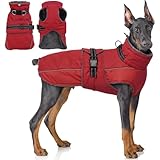
- SNOW & WATER RESISTANT DOG COAT: The dog winter coat is made of premium water-resistant fabric with fleece lining. The windproof dog jacket turtleneck design can keep the dog warm even in cold weather. Ideal for indoor and outdoor activities
- EASY TO WEAR: Quick release buckle and adjustable strap on back make the large dog coat easy to put on and take off. There are adjustable elastic straps on collar that can adjust the tightness and prevent wind and snow. QBLEEV dog clothes can machine washable
- REFLECTIVE DOG COAT WITH HARNESS BUILT IN: This dog winter jacket is designed with reflective strips, which ensuring your dog's safety in low-light conditions. There are two D-rings on the neck, which can be attached to a leash, making outdoor walking more convenient
- WATERPROOF THERMAL DOG JACKET FOR COLD DAYS: Our dog cold weather coats are great for walking, hiking, running, climbing, snow skiing, jogging, camping. Also provides optimal warmth and dryness in foggy, lightly rainy, and snowy conditions. QBLEEV warm dog coat is ideal for winter daily wear
- 6 SIZES AVAILABLE FOR SMALL MEDIUM LARGE DOGS: S, M, L, XL, XXL, XXXL. The fleece dog coat fits for nearly all kinds of breed furry friend. Such as Chihuahua, Beagle, Poodle, Bulldog, Schnauzer, Labrador, Golden Retriever, Teddy, Yorkshire Terrier, Maltese, Pekingese, Pomeranian, Cocker Spaniel, Jack Russel, Pug, Husky, Samoyed, Boston Terriers, etc
How do I protect my dog’s paws from road salt and ice?
Paws need their own winter plan. Salt, de-icers, ice and packed snow can irritate or crack pads, while snow can form painful balls between the toes.
Booties
Well-fitting booties provide a physical barrier against salt, ice, snowballs, cracking and some slippery surfaces. They must stay secure without squeezing the foot or changing the dog’s gait. Introduce them gradually indoors, then remove them after the walk and inspect every paw, including between the toes.
What’s actually slowing this PC down?
Pick the symptom - the matching free tool is one click away.
Pet-safe paw balm
A pet-safe balm can support dry or cracked pads. Apply it according to the product’s directions, but treat it as supplementary protection. Balm does not remove salt or de-icer and does not replace rinsing, drying and checking for injury.
Cleaning after the walk
Wipe or rinse the paws and lower legs with lukewarm water when you come inside. Remove snow and salt from between the toes, dry the fur and pads, and look for redness, cracks or tenderness. Inspect the belly as well if the dog has walked through slush or treated surfaces.
Which winter-walk gear is useful?
Choose equipment for the specific problem you are solving: body warmth, paw contact, visibility or a combination. Every item must allow normal movement and should be introduced before it is needed in severe weather.
| Option | Best use | Selection and safety points |
|---|---|---|
| Coat or sweater | Whole-body warmth for small, older, thin-coated or cold-sensitive dogs | Fit the chest and back without restricting gait, breathing or toileting; introduce gradually and keep the dog dry. |
| Booties | Barrier against salt, ice, snowballs, cracking and some slippery surfaces | Fit securely, train gradually, remove after the walk and inspect paws. |
| Pet-safe paw balm | Optional support for dry or cracked pads | Use a pet-safe product; it supplements cleaning and inspection rather than replacing them. |
| Reflective or LED collar or lead | Visibility during dark winter walks | Use with a flashlight and a secure collar or harness. |
The practical trade-offs are warmth, paw protection, visibility, fit, the dog’s tolerance, cleaning effort and whether the dog can still move and toilet normally. A dog that refuses gear is not protected by gear it cannot safely wear; shorten the outing and improve acclimation instead.
Crashes, No Sound, or Screen Glitches?
Random freezes, missing sound and display glitches usually trace back to one bad driver. Find and replace yours safely.Free scan · under a minuteWindows Errors? Fix Them Before They Spread
Repair common Windows errors and clear accumulated junk for a smoother, more stable PC - no reinstall needed.Free scan · no reinstallWhat winter hazards should I avoid?
Frozen ponds and lakes
Keep dogs away from frozen water. Ice that supports a person in one spot may be weak elsewhere, and a dog that falls through can become hypothermic before help arrives. Use a leash and choose a route that does not bring the dog onto the ice.
Black ice
Black ice is difficult to see and can cause a dog to slip or a handler to fall. Detour around it when possible, slow down on questionable surfaces and avoid encouraging a dog to run across a glossy patch.
Salt and de-icers
De-icers can irritate paws and may be harmful if licked. Discourage licking of treated surfaces, avoid heavily salted routes when practical and clean the paws and belly after returning indoors.
Antifreeze
Antifreeze spills are a high-consequence hazard because ethylene glycol ingestion is an emergency. Keep the dog away from garages, driveways and puddles where a spill may be present, and contact a veterinarian immediately if ingestion is suspected.
Darkness and getting lost
Winter daylight is limited, and snow can make a lost dog harder to locate. Reflective or LED equipment and a flashlight improve visibility. Keep identification current, including collar information and microchip details, before relying on winter routes where visibility may change quickly.
What should I do after a winter walk?
Post-walk care removes irritants and gives you a chance to catch early injury.
Also popular on Amazon

- 【Triple-Shield Protection】This dog coat features a windproof, waterproof, and dirt-resistant softshell, keeping your dog warm and dry in harsh winter weather.
- 【3-Layer Fabric】Built with durable 150D 4-way stretch outer layer, TPU waterproof breathable membrane, and soft thermal fleece lining for comfort and warmth.
- 【Functional Fit for All Dogs】Adjustable neck buckle, elastic belly band, rear leg straps, and tail-end buckle provide a secure fit for small, medium, and large dogs.
- 【Pet-Friendly Design】High collar blocks cold wind, U-shaped belly cut ensures no interference for male or female dogs, while dual zipper leash opening makes walks easier.
- 【Safety in Low Light】Reflective strips increase visibility during evening walks, ensuring your dog stays safe outdoors. Available in multiple sizes from S to 2XL for breeds like Pomeranian, Corgi, Labrador, and Golden Retriever.
- Bring the dog into a warm, dry area. Do this immediately if the coat or paws are wet or if the dog showed discomfort.
- Dry wet fur. Pay attention to the belly, legs and paws, where slush and snow collect.
- Rinse or wipe paws with lukewarm water. Remove salt, de-icer and packed snow from between the toes.
- Inspect pads, toes and nails. Look for cracks, redness, swelling or tenderness and note any repeated paw lifting on the next outing.
- Remove damp clothing. A wet coat or sweater should not remain on the dog while it rests.
- Provide a warm, dry resting place. Continue observing behavior rather than assuming the dog has recovered because it is indoors.
What are the signs of hypothermia or frostbite?
Frostbite can be difficult to see at first. Ears, paws and tail tips are commonly affected, according to Cornell veterinary guidance. A dog that has been exposed to severe cold, especially while wet, should be watched closely after coming inside.
Move the dog to warmth and seek immediate veterinary care for suspected frostbite or hypothermia. Do not delay while waiting for visible tissue changes. Suspected antifreeze ingestion also requires immediate veterinary advice, even if the dog appears normal initially.
Recommended Free Tools
When home observation is not enough
- The dog remains distressed, weak or unusually quiet after warming.
- Shivering, paw lifting or reluctance continues indoors.
- Ears, paws or tail tips look abnormal after cold exposure.
- You suspect the dog licked or swallowed antifreeze.
Tell the veterinarian what the dog was exposed to, for how long, whether it became wet and what substance may have been ingested. That information helps the clinic judge urgency.
How should I adapt a winter routine for my dog?
Think in short, repeatable outings rather than one long target walk. A vulnerable dog may do better with a brief route close to home, while a healthy, acclimated dog may tolerate longer exposure if it stays dry, comfortable and on safe surfaces.
For a cold-sensitive dog
Use the shortest route that meets the dog’s needs, choose a coat if it fits correctly and avoid windy, wet or heavily treated areas. Turn around at the first behavioral sign of cold stress rather than waiting for persistent shivering.
For a dog new to winter
Build exposure gradually. Introduce clothing and booties indoors, then use brief outdoor sessions while checking gait, comfort and paws. Acclimation should never involve leaving the dog outside until it “gets used to” the cold.
For a dog that dislikes clothing
Do not force a coat or booties that cause panic or restrict movement. Use positive, short introductions and compensate with shorter walks, safer surfaces and prompt cleaning when the dog cannot tolerate equipment.
What do veterinary organizations emphasize about winter safety?
The British Veterinary Association’s president, Justine Shotton, summarized the principle this way: “When it’s cold for us, it’s cold for our pets, which is why it’s important to take extra precautions to keep them safe and warm.” The practical meaning is to assess the individual dog, not to rely on a single temperature rule, and to treat paws, visibility and toxic substances as separate safety issues.
Frequently Asked Questions
Can a dog with a thick coat still become dangerously cold?
Yes. A dense coat can improve insulation, but it does not remove the effects of wind, wet fur, prolonged exposure, illness, low body weight or poor acclimation. Keep watching behavior and end the outing when the dog shows discomfort.
Should I cancel a walk when snow is falling?
Not automatically, but falling snow can make the dog wet and can hide ice or treated surfaces. Choose a shorter route near home, avoid frozen water and clean and dry the dog immediately afterward.
Quick wins for a faster PC:
Repair Windows errors before they cause bigger problemsFix Now →Fix the driver behind crashes, sound loss and screen glitchesFind Drivers →Clear out junk files and repair common Windows errorsFree Scan →How can I tell whether my dog’s winter gear is interfering with movement?
Watch the dog walk, turn, sit and toilet while wearing the item indoors. If the garment or booties alter the gait, restrict breathing, rub the skin or prevent normal toileting, remove them and use a different fit or a shorter outing.
Why should my dog’s microchip details be checked before winter?
Snow, darkness and changing routes can make a lost dog harder to find. Current collar identification and microchip details improve the chance of a prompt reunion if the dog escapes during a winter walk.





Leave a Reply