
The Tool Desk
Outbyte PC Repair FREEClear out junk files and repair common Windows errorsFree Scan →Outbyte Driver Updater FREEFix the driver behind crashes, sound loss and screen glitchesFind Drivers →Some links on this page are affiliate links: if you buy through them we may earn a commission, at no extra cost to you.
Prepare one quiet, closed sanctuary room before the rescue kitten arrives, then inspect the rest of your home from floor level. Block escape gaps and appliance access, secure windows, screens, doors, balconies, cords, blind pulls and vents, and remove lilies, medicines, cleaners, pesticides, antifreeze, unsafe foods and anything small enough to swallow. Set up food and water away from a litter tray, hiding places, a bed, a scratcher, robust toys and a ventilated carrier. Bring the kitten straight to that room, open the carrier and let the kitten come out voluntarily. Widen access only in calm, supervised stages.
This preparation matters because kittens can squeeze into very small spaces and investigate with their mouths. Cats Protection notes that a cat may live 15–20 years, so preventing a frightening escape, poisoning or electrical injury on the first day is the start of long-term care, not a one-time chore.
As an Amazon Associate I earn from qualifying purchases.
Recommended Free Tools
What should I do before bringing a rescue kitten home?
Finish the safety work before the carrier arrives. A useful order is: prepare the sanctuary room, remove poisons and swallowable objects, secure every escape route, make appliances and heat sources inaccessible, and place emergency contacts where every adult can find them.
- Choose and close the sanctuary room. Use a small, quiet room with a door that latches. Remove resident pets and visitors from it initially.
- Inspect at kitten height. Get down on the floor and look under, behind and inside furniture, cupboards, vents and appliances.
- Secure physical hazards. Block narrow gaps, cover or route electrical cords, fasten blind and curtain cords, check window screens and latches, and keep balconies off-limits.
- Remove toxic substances. Take lilies out of the house and secure medicines, cleaning products, garden chemicals, antifreeze, essential oils and unsafe foods.
- Close access points. Keep exterior doors, cupboards, drawers, toilets, trash containers, washers and dryers closed; check appliances before operating them.
- Stock the room. Add familiar food and litter when suitable, separate bowls from the tray, provide hiding places and scratching options, and use only sturdy toys without detachable parts.
- Save help numbers. Record your veterinarian, nearest emergency hospital and the appropriate poison-control service before the kitten arrives.
Cats Protection describes kittens as curious animals that can squeeze into very small spaces. The ASPCA Animal Poison Control Center’s 2021 checklist similarly warns that animals explore new environments thoroughly, often using their mouths. Treat every loose, chewable or swallowable item as a potential hazard.
Popular on Amazon
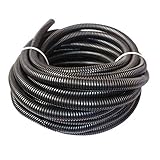
- Makes Your Home Safety and Protect Your Pets: Anti Bite Tube Makes Your Pets More Safety in Your Home. Such as: rabbits, cats, dogs, and other pets.
- Protect Your Wires: Rabbits, cats, dogs, and other pets can be very sneaky and curious creatures. Having a simple piece of tubing around your wires can preventing your pet bunny or puppy from having a chew on them.
- More Safety Material: The Plastic Piping Temperature Range -40F To 200F (-40C - 93C). Preventing and minimizing damage from electrical fires, or heating up of any cables or wires around your home.
- 30 ft: With 30 Feet of split loom tubing, Size: 10×13mm (inner × outer diameter) you will have more than enough to cover cables and wires in your home, garden or perhaps in your office. You can cut this slit loom to any size and use for computer leads, Television cables and any other electronic device in and around your home.
- How of use: Cut the length of the pipe to the size you want, then find the slit and put the wire in. Once the wire is insert, the slit will remain closed
How do I choose and set up a sanctuary room?
The first room should be easy to secure, quiet enough for the kitten to rest and large enough for separate sleeping, eating and toileting areas. It is a temporary home base, not a punishment or isolation strategy. The closed door prevents door-dashing and gives a frightened kitten control over how quickly it investigates.
Place these essentials before arrival
- A sturdy, washable bed and a familiar-smelling blanket if the rescue can provide one.
- Several hiding places, such as a covered bed or secure box, plus a safe elevated spot that cannot tip.
- A stable scratching surface near a resting area.
- Robust toys with no small detachable pieces. Keep string and wand toys for supervised play only.
- Food and water bowls positioned away from the litter tray.
- At least one low-sided litter tray in a quiet, accessible position.
- A clean, well-ventilated carrier left ready for transport and future veterinary visits.
For more than one kitten or cat, provide separate essential items and consider extras so one animal cannot block another from food, water, hiding places or toileting. Keep noisy appliances, children and resident pets out during the initial settling period.
Do these 3 things before closing this tab:
1Repair Windows errors before they cause bigger problems2Scan for outdated or missing drivers - takes under a minute3Clear out junk files and repair common Windows errorsCan a bathroom be used?
A bathroom can work if its door closes, the floor is free of chemicals and small objects, the toilet lid stays shut, cabinets and drawers latch, and the room is not exposed to loud traffic. Remove cleaners, cosmetics, medicines, razors, cotton swabs and electrical appliances before using it as the sanctuary.
How do I kitten-proof floors, gaps and appliances?
Search from the kitten’s perspective rather than an adult’s standing height. A gap that looks harmless to you can become a hiding place, trap or escape route.
| Area | Action before arrival | Why it matters |
|---|---|---|
| Furniture and cabinets | Block spaces behind refrigerators, stoves, cabinets and other heavy furniture; close cupboards and drawers. | A kitten can become trapped or reach chemicals and sharp objects. |
| Washers and dryers | Keep doors closed and check the drum every time before starting a cycle. | Warm, dark interiors invite exploration. |
| Toilets and trash | Keep toilet lids down and trash containers closed or latched. | Prevents falls, drowning risk and access to food scraps or packaging. |
| Small objects | Pick up coins, batteries, jewelry, rubber bands, hair ties, sewing supplies, needles, thread, yarn and similar items. | These can be swallowed, causing choking or an intestinal obstruction. |
| Vents and openings | Secure heating and air vents and cover openings a kitten could enter. | Stops falls, entrapment and access to ductwork. |
Recheck these locations after moving furniture or opening a cupboard. Kittens can reach spaces that were previously hidden by a door or appliance.
Also popular on Amazon

- Easy To Install - Split design, easy to wrap around cords without any hassle and the cord protector can be easily cut to any desired length.
- Keep Cords & Pets Protected - Ultra-durable and bite-resistant PET material, plus 50% edge overlap, effectively prevents your pets from chewing cords.
- Safe for Kids & Pets - Our cord covers are made from RoHS-compliant, scent-free material, ensuring safety for both your pets and children.
- Complement Your Home Decor - The sleek woven design and classic color blend in nicely with your decor; Also, it is flexible to bend and fit into tight areas.
- Versatile & Durable – Offers excellent resistance to abrasion, chemicals, and heat (withstanding up to 302°F), making it ideal for home, industrial, and automotive use.
How do I secure windows, doors, balconies and heat sources?
Escapes and burns often happen during an ordinary household movement: a door opens, a screen flexes or a kitten climbs toward a hot drink. Make the safe choice the default.
- Windows: Test every latch. Screens must be intact and firmly secured, not merely resting in the frame. Do not rely on a partially open window to contain a kitten.
- Balconies: Keep them off-limits; a standard railing is not kitten-proof.
- Exterior doors: Keep them closed and brief every household member on door-dart prevention. Ask visitors to pause and check the room before opening an outside door.
- Blind and curtain cords: Shorten, cover or secure dangling cords so they cannot wrap around a neck or become a climbing line.
- Heat and flames: Remove candles, irons, hot drinks and other hot liquids from climbing and tail level. Cover open fireplaces and secure heating or air vents.
- Breakables: Move unstable ornaments and anything that can fall when a kitten climbs.
Do a final window and door check immediately before opening the carrier. A kitten that slips out during unloading can move faster than an adult can react.
Which plants, chemicals and foods must I remove?
Remove hazards rather than relying on a kitten to ignore them. Lilies deserve special attention: International Cat Care states, “Remember that lilies are highly toxic to cats and should not be kept in the house with a kitten/cat.” Check bouquets, potted plants, cut leaves and outdoor garden areas.
Lock these substances away
- Human and veterinary medicines.
- Cleaners, disinfectants and laundry products.
- Fertilizers, weed killers, pesticides and rodenticides.
- Antifreeze and other automotive chemicals.
- Essential oils and concentrated fragrances.
- Chocolate, onions, garlic, caffeine and other foods unsafe for cats.
Use closed, latched storage rather than a low cupboard that a kitten can push open. Clean spills immediately and keep contaminated cloths, mop heads and rubbish inaccessible. If exposure occurs, contact your veterinarian, the nearest emergency hospital or poison-control service promptly; do not wait for symptoms before asking for advice.
How do I manage electrical cords and strings?
Unplug unnecessary cables, route the remaining ones out of reach and use covers that fit the cable securely. The cover should be made of pet-safe material, resist chewing, leave adequate heat clearance and match the cable size. Never leave a charging cable dangling from a table.
Also popular on Amazon

- Easy To Install - Split design, easy to wrap around cords without any hassle and the cord protector can be easily cut to any desired length.
- Keep Cords & Pets Protected - Ultra-durable and bite-resistant PET material, plus 50% edge overlap, effectively prevents your pets from chewing cords.
- Safe for Kids & Pets - Our cord covers are made from RoHS-compliant, scent-free material, ensuring safety for both your pets and children.
- Complement Your Home Decor - The sleek woven design and classic color blend in nicely with your decor; Also, it is flexible to bend and fit into tight areas.
- Versatile & Durable – Offers excellent resistance to abrasion, chemicals, and heat (withstanding up to 302°F), making it ideal for home, industrial, and automotive use.
Loose thread, yarn, ribbon, elastic and hair ties are also dangerous swallowable objects. Store sewing and craft supplies in closed containers. Wand and string toys are appropriate only while an adult is watching; put them away after play and choose robust toys without detachable parts for independent use.
What supplies does a rescue kitten need on the first day?
Buy for safety and familiarity rather than appearance. If the rescue’s food and litter are suitable, continue them initially and change gradually later. Sudden changes can make the first days harder to interpret because appetite and toileting are already adapting to a new environment.
| Supply | What to look for | Placement or use |
|---|---|---|
| Carrier | Sturdy, escape-resistant, well ventilated, stable, washable and compatible with a seat belt. | Secure it in the car and carry it directly into the closed sanctuary room. |
| Food and water bowls | Stable, easy to clean and sized for a kitten. | Keep them separate from the litter tray. |
| Litter tray | Low entry, usable interior size, easy cleaning and a non-slip base. | Place it somewhere quiet and accessible, away from noisy appliances and interference. |
| Scratcher | Stable base, suitable height and a surface the kitten can grip. | Put it near a resting area. |
| Hiding and sleeping areas | Secure, washable and large enough to turn around in. | Offer more than one option, including a safe elevated place. |
| Toys | Durable with no detachable, swallowable pieces. | Supervise string or wand play and store those toys afterward. |
How many litter trays does a kitten need?
Use one tray per cat plus one extra. In a multi-floor home, a tray on each floor can make access easier. Keep trays in quiet, reachable places where children, pets and noisy appliances cannot interrupt the kitten.
Use the rescue’s current litter at first when possible. International Cat Care’s 2024 kitten booklet gives about 3 cm as a litter depth. Scoop at least daily and clean regularly with a cat-safe product; avoid phenol-based disinfectants. Do not put food or water beside the tray.
Free tools Windows power users keep installed
One-click scans. No signup required.
For kittens aged 8–12 weeks, the same booklet describes four meals daily. Follow the rescue’s feeding information and your veterinarian’s advice for the individual kitten rather than leaving food beside a dirty tray.
Also popular on Amazon

- 【Pet-friendly and Safe】 Our dog and cat cord protector eco-friendly and non-toxic that are safe for both pets and humans. It provides a protective barrier against electrical wires and prevents pets such as rabbits, dogs, and cats ,hamsters, gerbils from chewing and scratching on them, making your home safer and more organized
- 【Easy Installation】Open design cord protector from cute pet allow for easy to use. Simply place the cords into the sleeve and adjust it to fit the desired length. The soft 10ft sleeve can be cut as needed to ensure the length is just right
- 【Flexible and Sturdy】Wire protector Made with strong and tear-resistant PET material, providing excellent scratch and bite resistance and can long-lasting use. UOMTFAI cable sleeve - ultimate solution to protect wires and cables from pet damage
- 【Versatile and Tidy】Cat cord protector have different sizes choice, suitable for all types of cables and wires and easily holds 1 or 14 cords. It helps keep your cables organized and visually appealing by hiding unsightly wires on the floor or along walls
- 【Convenient】Cable protector fit tightly and securely around cords, ensuring a noiseless environment and preventing baby tripping hazards. The open design allows you to easily access any section of the cords without having to remove the entire sleeve
What should I do when the rescue kitten arrives?
The first transfer should be quiet and predictable. Do not open the carrier in a hallway, driveway or busy room.
- Secure the carrier in the car. Use a sturdy, well-ventilated carrier and restrain it so it cannot slide during travel.
- Go directly to the sanctuary room. Carry the closed carrier inside, shut the room door and check that no other animal is present.
- Open the carrier. Set it on the floor, open the door and let the kitten leave when ready. Never pull, shake or drag the kitten out.
- Keep the layout predictable. Leave food, water, litter, hiding places and sleeping areas in the same positions while the kitten learns the room.
- Observe without forcing contact. Sit quietly if the kitten seeks company; otherwise allow hiding and rest. Keep children and visitors out initially.
- Arrange veterinary care. Bring the rescue’s vaccination, parasite-treatment, microchip and other records to the appointment.
Allowing voluntary exit is especially important for a rescue kitten that has already experienced transport and unfamiliar handling. VCA Animal Hospitals describes kittens as “inquisitive and rambunctious,” which is why supervision remains necessary even after the kitten appears settled.
Independent reader supportYour contribution helps us test, update, and keep practical guides available for everyone.When can a kitten explore the rest of the house?
Expand territory in small, supervised stages once the kitten is comfortable in the sanctuary room. Keep the door closed again if the kitten becomes overwhelmed, hides continuously after an expansion or cannot settle into eating, drinking and toileting routines. A smaller, familiar area is a reset, not a failure.
Use controlled introductions
Keep resident pets and visitors out at first. Introduce children and other animals gradually, one controlled stage at a time, while preserving the kitten’s access to its sanctuary room. Do not allow a resident animal to block the litter tray, bowls or hiding places.
Cats Protection identifies 2–7 weeks as the key kitten socialisation period and states that a kitten raised with its mother should remain with her until at least 8 weeks. A rescue’s history may be incomplete, so let the kitten’s behavior and welfare determine the pace rather than trying to compress introductions into a single day.
Also popular on Amazon
- Easy To Install - Split design, easy to wrap around cords without any hassle and the cord protector can be easily cut to any desired length.
- Keep Cords & Pets Protected - Ultra-durable and bite-resistant PET material, plus 50% edge overlap, effectively prevents your pets from chewing cords.
- Safe for Kids & Pets - Our cord covers are made from RoHS-compliant, scent-free material, ensuring safety for both your pets and children.
- Complement Your Home Decor - The sleek woven design and classic color blend in nicely with your decor; Also, it is flexible to bend and fit into tight areas.
- Versatile & Durable – Offers excellent resistance to abrasion, chemicals, and heat (withstanding up to 302°F), making it ideal for home, industrial, and automotive use.
How do I choose kitten-proofing products?
Product labels are less useful than fit and placement. Use these checks when selecting safety equipment.
| Product | Checks before buying |
|---|---|
| Cord cover | Pet-safe material, secure fit, chew resistance, heat clearance and compatibility with the cable diameter. |
| Window hardware | Lock strength, screen compatibility, reversibility for renters and whether the window remains safely ventilated. |
| Carrier | Ventilation, escape resistance, stable base, cleanability and seat-belt compatibility. |
| Litter tray | Low entry, usable size, easy cleaning, non-slip base and a quiet location. |
| Scratcher | Stable base, adequate height, a surface the kitten prefers and proximity to resting areas. |
| Toys | No detachable swallowable parts, durable construction and a clear plan for supervising string play. |
What should I recheck after the first day?
Kitten-proofing is an ongoing inspection because the kitten’s abilities change quickly. Repeat the floor-level scan after moving furniture, opening a previously closed room or installing a new appliance. Check that screens, cord covers, latches and blocked gaps remain secure, and remove any toy that becomes damaged.
Before bedtime, confirm that exterior doors and windows are latched, toilets and appliances are closed, cords and strings are stored, candles and hot liquids are gone, and the kitten can reach water, food, its tray and a hiding place without crossing a hazard.
Frequently Asked Questions
How long should a rescue kitten stay in the safe room?
There is no fixed number of days. Keep the room as the home base until the kitten is eating, drinking, using the tray and exploring it calmly; then open one additional area at a time and return to the room if the kitten becomes overwhelmed.
What should I do if my kitten hides all night?
Leave the carrier and approved hiding places available, keep the room quiet and avoid pulling the kitten out. Check food, water and litter access without forcing interaction, and contact the veterinarian if the kitten is not eating, drinking or toileting normally.
Can I leave a kitten alone with a string toy?
No. String, ribbon and wand toys can be swallowed or cause entanglement. Offer only durable toys without detachable parts when the kitten is unsupervised, and store interactive toys after every session.
How can I stop visitors from causing an escape?
Keep the sanctuary door closed and tell visitors not to enter or open exterior doors without checking where the kitten is. Delay greetings until the kitten has settled, then allow quiet, controlled visits while preserving an escape-free route back to the sanctuary room.





Leave a Reply