
Quick wins for a faster PC:
Clear out junk files and repair common Windows errorsFree Scan →Scan for outdated or missing drivers - takes under a minuteDriver Scan →Some links on this page are affiliate links: if you buy through them we may earn a commission, at no extra cost to you.
Kitten-proofing means preparing one closed, quiet safe room before pickup, then inspecting every other area from floor level for anything a curious cat could chew, swallow, climb into, knock over, fall from, or escape through. Put food, water, a litter box, hiding place, scratching surface, safe toys, and a carrier in the room. Remove toxic plants and chemicals, secure windows and cords, block gaps, check appliances, and keep small objects out of reach. Keep the kitten in that room at first; open one additional room only after it is eating, drinking, using the litter box, and moving confidently. Introduce children and resident animals gradually rather than giving the kitten the whole house on arrival.
What should I set up before pickup day?
Prepare a small room that can be closed, kept quiet, and protected from heavy household traffic. A predictable base reduces the number of hazards a newly adopted kitten faces and gives it a place to hide, eat, drink, and use the litter box while it adjusts.
As an Amazon Associate I earn from qualifying purchases.
Choose a genuinely safe room
Pick a room with a solid door and no direct route outdoors. A spare bedroom is often easier to secure than a busy kitchen or living room. Walk through it at the kitten’s eye level: look beneath furniture, behind doors, inside closets, and along baseboards for openings or objects that could be chewed or swallowed. Keep the room closed whenever nobody is supervising.
Arrange resources so the kitten can use them without crossing hazards
Place food and water away from the litter box, and leave a clear path between all resources. Add a bed or cardboard hiding box; hiding is a normal way for a newly adopted cat to manage unfamiliar sights and sounds. Put a scratching post or pad where it is stable, and include a few toys that have no loose threads or detachable pieces. Leave the carrier open in the room so it becomes a familiar, available retreat rather than an object that appears only before a stressful trip.
Popular on Amazon

- Pet Carrier: 17.5” L x 11” W x 11” H, Recommended max load of 16 lbs cats small dogs. Please do not choose your carrier based on weight--please reference your pet's length and height in selecting a pet carrier size.
- Fits for under-seat dimensions of most airlines. Every airline has a specific set of rules and regulations, please contact with airline before flying with your cats small dogs.
- Mesh windows for ventilation, top and side entry with locking zippers for safety. Carrying handles, adjustable shoulder strap which can also be used as seatbelt, and back strap can fasten the pet carrier to your luggage.
- Pet carrier comes with a removable base insert, which creates a solid surface for your pet to stand on, along with a removable & hand washable cozy fleece pet bed, which offers a cozy sleeping space for your traveling cats small dogs.
- "Toys for pets, of textile materials". Mostly used as a Toy of Fabric Pet Home for pets playing and relaxing.
| Item | What it provides | Setup checks |
|---|---|---|
| Complete kitten or cat food | Reliable nutrition during the first days | Use a food intended for the cat’s life stage; keep the container sealed and away from cleaning products. |
| Separate food and water bowls | Accessible meals and drinking water | Place them on a stable, easy-to-clean surface and refresh water regularly. |
| Litter box and scoop | A clear toilet area | Use familiar litter when possible; keep the box easy to enter and separate from food. |
| Bed or cardboard hiding place | A secure resting and retreat space | Check that the box cannot collapse or trap a paw; remove damaged cardboard. |
| Scratching post or pad | A legal outlet for scratching and stretching | Keep it stable and offer more than one material or orientation if you do not know the kitten’s preference. |
| Carrier | Safe transport and an additional hideout | Choose sturdy construction, ventilation, secure closures, a cleanable interior, and enough room for the kitten to turn around. |
| Safe toys | Play and investigation without household objects | Remove toys with loose threads, ribbons, or parts that can be detached and swallowed. |
| Brush or comb | Routine grooming | Store grooming tools where the kitten cannot chew handles, packaging, or sharp edges. |
| Pet-safe cord covers or routing supplies | Protection from electrical-cord chewing | Cover or route every exposed cable before the kitten arrives; check that covers cannot be pulled loose. |
The safe room is a starting point, not permanent confinement. Its purpose is to make the first stage manageable while you finish checking the rest of the home.
How do I remove poisonous substances?
Assume a kitten will investigate with its mouth. Remove hazards completely when possible; otherwise lock them behind a closed door the kitten cannot open.
Free tools Windows power users keep installed
One-click scans. No signup required.
Plants and flowers
Remove lilies and other poisonous plants from the home. Do not rely on placing a toxic plant on a high shelf: kittens climb, knock objects down, and may reach leaves or fallen petals. Keep only plants that you have verified are safe for cats, and remove dead leaves from floors and plant pots.
Medicines and household chemicals
Store prescription and over-the-counter medicines, vitamins, cleaning products, laundry detergent, pesticides, rodenticides, fertilizers, and other chemicals in closed cupboards. Child-resistant packaging is not a substitute for a locked or latched storage area. Pick up a dropped pill immediately; a single tablet can be difficult to identify after it rolls beneath furniture.
Food and rubbish
Keep foods that are hazardous to cats out of reach and use a lidded bin that cannot be tipped over. Do not leave food wrappers, bones, skewers, or scraps on counters or floors. Empty bags and packaging can also create chewing or suffocation risks, so put them away after use.
“Animals explore new environments thoroughly, and often using their mouths.” — ASPCA Animal Poison Control Center
PerformanceWindows Errors? Fix Them Before They SpreadDriversCrashes, No Sound, or Screen Glitches?PerformancePC Slower Than It Used to Be?Special offer. See more information about Outbyte and uninstall instructions. Please review EULA and Privacy policy.
How do I stop escapes, falls, and entrapment?
Inspect every possible route out, up, or into a confined space before opening more of the house. A kitten can squeeze through surprisingly small gaps and may not be able to reverse out.
Windows, doors, and balconies
Check that every window screen is intact and that the latch holds firmly. A partly open window with a loose screen is not secure. Keep exterior doors closed, and ask household members to check behind them before opening. Balconies should be off-limits; a railing does not make a high outdoor space safe.
Gaps and cavities
Block openings behind cabinets, appliances, walls, floors, and ceilings. Pay particular attention to spaces around plumbing, removable kickboards, vents, and unfinished construction. Use a barrier that cannot be pushed aside or chewed through, and recheck it after the kitten has explored.
Also popular on Amazon
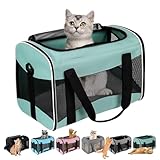
- [PRODUCT DIMENSIONS] Pet travel carrier size : 17x11x11 inches, recommended up to 15 lb pets, it is suitable for large, medium cats and small dogs. Please don't choose your airline cat carrying case based on weight, please refer to your pet's length and height when choosing a pet carrier size.
- [AIRLINE APPROVED] This cat carrier is designed with airline approved, it can fit comfortably under most flight seats, we can take our pets wherever we want. Dog travel carrier offers two attachment loop handles that can be used as a dual harness or as a luggage strap for balanced carry and secure transport.
- [EXCELLENT MATERIAL] Collapsible cat carrier is made of polyester fabric, supported by a steel ring, washable, wear-resistant and durable. The three sides and the top of this pet carrier are nylon mesh, scratch-resistant and not easy to damage, it can not only check your pet in real time, but also ensure enough air circulation.
- [SAFE AND COMFORTABLE] Dog travel bag has metal zippers on the top and side entrances, durable and not easy to deform, it allows your pets to enter and exit easily. The cat carrying case is equipped with an anti-escape safety buckle, which can effectively prevent pets from accidentally falling. It is suitable for car rides and vet rides.
- [PORTABLE AND FOLDABLE] Pet travel carrier comes with a detachable and hand washable wool pet bed, it can provide a comfortable sleeping space for your traveling pet. The cat travel case comes with an adjustable shoulder strap and handle for easy portability. When not in use, you can fold it up for storage.
Bathrooms and cupboards
Keep cupboard and drawer doors closed, especially those containing chemicals, sharp tools, or small objects. Close toilet lids so the kitten cannot fall in or drink contaminated water. Keep shower and bath areas dry and inaccessible when unattended.
How should I manage cords, strings, and tiny objects?
Anything long, flexible, or small enough to swallow deserves a specific storage plan. Chewing can cause electrical injury; strings can entangle a neck or limb; and swallowed material can create an intestinal obstruction.
- Cover electrical cords or route them behind furniture and cord channels. Unplug chargers when they are not in use, and do not leave dangling cables from a desk or bedside table.
- Tie up blind and curtain cords so they cannot form a loop around a neck or leg. Keep the tied section high and secure rather than hanging beside the window.
- Store yarn, thread, ribbon, rubber bands, hair ties, needles, paper clips, and similar items in a closed container. Pick up anything that falls to the floor.
- Keep children’s toys, craft supplies, and small building pieces out of the kitten’s reach. Inspect cat toys for loose threads or detachable parts before every play session.
- Do not leave bags, plastic film, or packaging scraps where a kitten can chew or crawl inside.
Supervised play is safer than leaving a string-like toy out. Put it away when the interaction ends, even if the kitten has not yet shown interest in chewing it.
What should I check around appliances, shelves, and heat?
Appliances and heat sources combine moving parts, high temperatures, and tempting hiding spaces. Build a pause-and-check habit before using them.
Washers and dryers
Keep washer and dryer doors closed. Before starting either machine, open it and look inside; a kitten seeking a dark, warm hideout can enter unnoticed. Keep laundry baskets closed or empty them promptly so the kitten cannot climb into damp clothing or hide among garments.
The Tool Desk
Outbyte Driver Updater FREEScan for outdated or missing drivers - takes under a minuteDriver Scan →Outbyte PC Repair FREERepair Windows errors before they cause bigger problemsFix Now →Stoves, ovens, and counters
Do not leave hot burners, open oven doors, knives, or breakable items at the edge of a counter. Secure fragile objects on shelves so a pounce or tail cannot knock them down. Wipe food residue and store utensils after cooking.
Candles, fireplaces, and space heaters
Never leave a candle, fireplace, or space heater where a kitten can knock it over or touch it without supervision. Use a stable barrier around an active fireplace and keep cords for heaters covered or routed. Turn heat sources off when the room is unattended.
How can I provide safe outlets for climbing and scratching?
Kitten-proofing is not only about removing hazards. Give normal behaviors a safe destination so the kitten has less reason to investigate forbidden furniture, cords, or shelves.
Scratching choices
Offer scratching posts or pads in more than one location, especially near sleeping areas and along busy paths. Keep each option stable enough that it will not tip when the kitten leans into it. Cats differ in preferred material and post design, so offering alternatives is more practical than assuming one texture will suit every cat.
What’s actually slowing this PC down?
Pick the symptom - the matching free tool is one click away.
Also popular on Amazon

- High Quality Design:Sturdy steel cage structure and wooden support board maintain good spatial stability and shape. Breathable mesh windows on four sides,which can ensure good air circulation and views,make pets have a comfortable and safe travel.It can also be easy for you to check on your pets.There is a front pocket to store pet toys,treats,etc.
- Dimension and Weight:Made of durable tear-resistant fabric.Four easy entrances for pets. Dimensions: 17 inch x 11 inch x 11 inch (L*W*H), suitable for pets up to 16 lbs.Please don't choose your carrier based on weight only,consider your pet's length and height when choosing a carrier.
- Airline Approved & Safty:Can be placed under the seats of most airplanes(Four non-slip feet on the bottom to prevent movement), and comfortably on the seat next to you in a car or bus.It has a adjustable shoulder strap.Can also be fastened to the car seat with a safety belt or shoulder strap to keep your pet safe.
- Easy to Clean :You can clean the stains and dirt on the surface with a soft cloth.Soft mat inside the pet carrier is removable and washable.You can take it out and wash it easily to solve all stains.
- Easy to Collapsible & Lightweight:When not in use,fold it into a flat,space saving and easy to store.Only 2.2lbs,it's easier to carry around.It can also used as a toy of pet house,allowing pets to play in a safe space to relax and rest.
Vertical space
Provide a stable perch, shelf, or cat tree that cannot wobble or collapse. Position it away from windows that are not securely screened and from shelves holding breakables. A safe high spot lets the kitten observe the room without climbing an unstable stack of boxes or furniture.
Play areas
Use toys without loose threads or swallowable pieces, and rotate a few at a time to keep the area uncluttered. Inspect toys when they become frayed, cracked, or damaged and discard them rather than trimming off a loose piece and returning the toy immediately.
How do I inspect the rest of the home room by room?
After the safe room is ready, kneel or lie on the floor and examine each room from the kitten’s viewpoint. Use this sequence so you do not rely on memory.
- Entryway: secure the exterior door, place shoes and bags where they cannot be chewed, and check that a door cannot slam shut on a hiding kitten.
- Living room: cover cables, remove small decorations, anchor unstable furniture, block gaps behind cabinets, and move breakables away from shelf edges.
- Kitchen: lock chemicals and food waste away, keep cupboard and drawer doors closed, check appliance doors, and remove dangling cords or hot items.
- Bathroom: close the toilet lid, store medicines and cleaners, and block access behind fixtures or under cabinets.
- Bedrooms and offices: secure blind cords, chargers, sewing supplies, paper clips, hair ties, and other small objects; inspect under beds and desks for gaps.
- Utility and storage areas: keep laundry products, pesticides, fertilizers, tools, and open bins behind a closed door. Do not allow access to unfinished walls, ceilings, or floor cavities.
- Outdoor-connected spaces: keep balconies closed and confirm that screens and latches on every opening are intact before allowing access.
Repeat the inspection after moving furniture or bringing home a new appliance. A gap that did not exist on arrival can appear after a sofa, cabinet, or machine is shifted.
Do these 3 things before closing this tab:
1Fix the driver behind crashes, sound loss and screen glitches2Clear out junk files and repair common Windows errors3Scan for outdated or missing drivers - takes under a minuteWhat is the safest first-week settling plan?
Start slowly and use the kitten’s behavior to decide when to expand its territory. Exploration should be a progression, not a deadline.
- Arrival: carry the kitten directly to the prepared room in a sturdy, well-ventilated carrier. Close the door before opening the carrier.
- First hours: leave the carrier door open and allow the kitten to hide, eat, drink, and use the litter box without pulling it out. Keep voices and movements calm.
- Daily checks: confirm that food and water remain available, the litter box is usable, and no new hazard has entered the room. Observe without forcing contact.
- First expansion: when the kitten is eating and moving confidently, open one additional room while keeping unsafe areas closed. Let it return to the safe room whenever it chooses.
- Further rooms: repeat the same floor-level inspection before each expansion. Secure doors and windows in the new area first.
- Household introductions: introduce children and resident animals gradually. Give the kitten a way to retreat to its safe room rather than allowing an excited greeting at the doorway.
There is no useful race to give a kitten the entire home. A smaller, predictable territory is safer while it learns the household’s sounds, routines, and boundaries.
How should I choose carriers, litter boxes, and scratching equipment?
Choose each item by the safety problem it solves, not by appearance alone. The following criteria help match equipment to a kitten and to the limited footprint of a safe room.
| Supply | Safety criteria | Fit questions |
|---|---|---|
| Carrier | Ventilation, secure closures, cleanability, and stability during transport | Can the kitten turn around, and can every door or latch be checked before lifting? |
| Litter box | Low enough entry for a small kitten, stable footprint, and easy cleaning access | Can the kitten reach it without crossing food or water, and can you scoop without moving it? |
| Scratching post or pad | Stable base, suitable material, and enough height or surface area for stretching | Will it remain upright when used, and is it placed near resting areas or common paths? |
| Cat tree or perch | Stable construction and a secure landing area | Could a jump push it into a window, shelf, or heater? |
| Toys | No loose threads, strings, or detachable pieces | Can you inspect and remove the toy immediately after supervised play? |
Measure the safe-room footprint before buying large furniture. A crowded room makes it harder to see hazards, clean the litter area, or reach a hiding kitten in an emergency.
What emergency preparation should happen before the kitten arrives?
Save contact details before there is a crisis. Put the regular veterinarian, the nearest 24-hour emergency veterinary hospital, and pet-poison contacts in a shared household emergency plan. Include the clinic’s address, phone number, opening hours, and driving directions so nobody has to search while frightened.
Also popular on Amazon
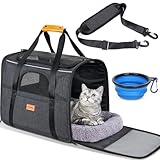
- 【 Spacious & Comfortable Cat Carrier 】The large cat carrier provides ample space for your feline friend to move, turn, and stretch during travel. Measuring 17.3 x 12.2 x 13.4 inches, it is wider and taller than most cat carriers, ensuring your pet feels comfortable and at ease while on the go.
- 【Balanced Mesh Design】Unlike other cat carrier hard, our cat carrier soft strikes the perfect balance with 40% mesh surface area. This ensures your pet can observe the surroundings and breathe easily while feeling safe and secure at the same time. The cat carrier large is suitable for pets in all kinds of situations.
- 【Built-in Dual-Sided Cushion】The detachable pad offers two distinct comforts: a cool side for summer and a super-soft, warm side for winter. You can easily flip it to match the season, providing the perfect temperature for your pet in any weather.
- 【Includes Foldable Bowl】Designed for on-the-go use, our foldable bowl carries 410g of food or 20oz of water. After use, simply collapse it and attach it directly to your pet's collar or leash, perfect for keeping your pet fueled and hydrated anywhere.
- 【Safe & Durable】Safety is our top priority, and the pet carrier for cat is equipped with a secure buckle to prevent your pet from escaping. The cat carrier soft is made of reinforced snow silk fabric and hard mesh material, ensuring durability and preventing any tearing during long-distance travel.
If ingestion or exposure is suspected
Contact a veterinarian or poison-control service immediately rather than waiting for symptoms. Keep the product container, plant label, or a photo available if it can be collected safely, and describe what the kitten may have contacted. Do not delay a call while trying to identify symptoms at home.
If the kitten is missing inside the house
Close exterior doors first, then check the safe room, carrier, bedding, closets, cabinets, appliance gaps, and spaces behind furniture. Keep the household quiet so you can hear movement. Do not start a washer, dryer, recliner, or adjustable bed until every hiding space has been checked.
How much does kitten-proofing reduce risk?
Kitten-proofing removes specific opportunities for poisoning, chewing injuries, falls, entrapment, and escapes, but official guidance does not provide a single percentage showing how much it reduces injuries or poisonings. The practical standard is hazard control: remove the danger, block access, or supervise the behavior, then recheck whenever the home changes.
“Kittens are curious and can squeeze into very small spaces, so you’ll need to kitten-proof your home before they arrive.” — Cats Protection
What should I recheck after the first few days?
A kitten’s abilities change quickly. Repeat the floor-level survey after it learns to climb onto furniture, and after adding boxes, plants, decorations, or electrical equipment. Look for newly reachable shelves, frayed cords, loosened barriers, displaced litter, and toys that have become damaged.
- Test window screens and latches again.
- Check that blocked gaps remain blocked after furniture is moved.
- Count cords, strings, and small objects in play and work areas.
- Inspect scratching posts, perches, carrier latches, and toys for damage.
- Confirm that chemicals, medicines, food, and bins are still behind closed doors.
- Keep the carrier accessible even after the kitten begins exploring more rooms.
Once each room passes the same inspection and the kitten is confident, supervised access can expand. Keeping the safe room available gives the adopted cat a dependable retreat whenever visitors, cleaning, repairs, or other changes make the rest of the home overwhelming.
Frequently Asked Questions
How long should an adopted kitten stay in the safe room?
There is no universal number of hours or days. Keep the kitten there until it is eating, drinking, using the litter box, and moving confidently, then add one inspected room at a time while preserving access to the original retreat.
Recommended Free Tools
What if my kitten hides as soon as I bring it home?
Hiding is an expected coping behavior in an unfamiliar environment. Leave food, water, litter, and the carrier available, avoid pulling the kitten out, and keep the room quiet while it decides when to emerge.
Can children meet the kitten on arrival day?
Children should be introduced gradually rather than surrounding the carrier or reaching into a hiding place. Give the kitten a quiet retreat and teach children to wait for the cat to approach instead of chasing or lifting it.
What should I do with a plant if I cannot identify it?
Treat an unidentified plant as unsafe until its cat safety is verified. Remove it from the home or place it behind a closed door the kitten cannot access, and clear away fallen leaves or petals.





Leave a Reply