
The Tool Desk
Outbyte Driver Updater FREEScan for outdated or missing drivers - takes under a minuteDriver Scan →Outbyte PC Repair FREEClear out junk files and repair common Windows errorsFree Scan →Some links on this page are affiliate links: if you buy through them we may earn a commission, at no extra cost to you.
A workable pet fire plan does four things before an emergency: gives every person and animal a practiced exit, keeps carriers and restraints at the door, identifies places that will accept animals, and stores enough supplies to leave immediately. Evacuate people first, never re-enter a burning building, and do not lose critical seconds searching for a pet after smoke or alarms make conditions dangerous.
Build one plan for your household and your pets
The American Red Cross advises including pets in the family fire plan rather than treating their evacuation as a separate task. Draw the human escape plan, then add the animal-specific actions: who calls each pet, who carries which enclosure, which door is used, and where everyone meets outside.
As an Amazon Associate I earn from qualifying purchases.
Windows Errors? Fix Them Before They Spread
Repair common Windows errors and clear accumulated junk for a smoother, more stable PC - no reinstall needed.Free scan · no reinstallOutdated Drivers Are Slowing You Down
One free scan finds every outdated or missing driver and matches the right update for your exact hardware.Free scan · exact hardware matchAssign responsibilities before an alarm
Write down a primary and backup person for each animal. A person who knows a cat’s hiding places should be responsible for calling that cat. Another person can take the carriers and emergency kit. If one adult is away, children are asleep, or a guest is visiting, the written plan still shows what must happen without debate.
- List every cat, dog, bird, small mammal, reptile or other animal by name.
- Assign each cat to a specific carrier and each leashed animal to a specific harness or leash.
- Choose an outdoor meeting point a safe distance from the building, away from fire apparatus and driveways.
- Record two ways out of every room where people or animals might be sleeping.
- Tell household members that no one may delay their own escape or go back inside for an animal.
Choose two routes and practice them
For each occupied room, identify the nearest usable exit and a second route in case heat, smoke or a blocked hallway closes the first. Keep routes clear of boxes, folded strollers, furniture and stored supplies. Walk the routes in daylight and at night so you notice doors that stick, stairs that are hard to see, or gates that cannot be opened quickly.
Popular on Amazon
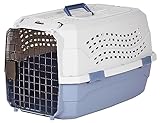
- Hard sided pet carrier with 2 doors for front and top entry; suitable for cat or medium size dog weighing 12 - 20 pounds
- Durable plastic construction with steel wire doors; screws keep the top and bottom sections securely connected
- Spring load latches ensure easy one-handed door opening and closing; top door swings open to the left or right and includes a top carry handle
- Plenty of air ventilation on the sides, top, and back of the carrier
- Note: Be sure to measure the size of the pet when choosing carrier size
Practice the sequence in this order: sound the alarm, call the pets using familiar words, put animals into their assigned restraint or enclosure, take the kit, leave by the safest available route, and meet outside. Practice calling a cat from its usual hiding place, moving the carrier through doorways and loading it into the vehicle. Increase realism gradually; never create smoke or frighten an animal to make a drill seem authentic.
Prepare the equipment that makes a fast exit possible
Equipment is useful only when it is accessible, functional and assigned to a particular animal. Store it beside an exit rather than in a locked cupboard, attic or garage that may be inaccessible during a fire. If your home has more than one level, consider a carrier or restraint at each practical exit.
Carrier and restraint checklist
Every cat needs a sturdy carrier that is large enough for the cat to stand, turn and lie down, with ventilation and a closure that cannot be pushed open. The Red Cross states that cats should remain in a crate or carrier during evacuation travel. A carrier also prevents a frightened cat from bolting at the door, in a vehicle or at an unfamiliar destination.
Choose a harness and leash appropriate to each dog or other animal that can be safely led. Do not rely on a loose collar, a makeshift cord or an untested enclosure. Label every carrier and transport container with the pet’s name and the owner’s current contact information. Put a duplicate contact card inside in case an exterior label is lost.
Also popular on Amazon

- Pet Carrier: 17.5” L x 11” W x 11” H, Recommended max load of 16 lbs cats small dogs. Please do not choose your carrier based on weight--please reference your pet's length and height in selecting a pet carrier size.
- Fits for under-seat dimensions of most airlines. Every airline has a specific set of rules and regulations, please contact with airline before flying with your cats small dogs.
- Mesh windows for ventilation, top and side entry with locking zippers for safety. Carrying handles, adjustable shoulder strap which can also be used as seatbelt, and back strap can fasten the pet carrier to your luggage.
- Pet carrier comes with a removable base insert, which creates a solid surface for your pet to stand on, along with a removable & hand washable cozy fleece pet bed, which offers a cozy sleeping space for your traveling cats small dogs.
- "Toys for pets, of textile materials". Mostly used as a Toy of Fabric Pet Home for pets playing and relaxing.
| Equipment | What to check before an emergency | Where to keep it |
|---|---|---|
| Cat carrier | Correct size, ventilation, secure closure, sound handle, no cracked plastic or damaged mesh, and a label area | Immediately beside an exit; never buried in storage |
| Harness and leash | Correct fit, intact buckles and clips, and familiarity with the animal | Clipped or stored with the animal’s carrier or kit |
| Carrier label | Pet name, owner name and a phone number that will work during travel | On the outside and duplicated inside |
| Rescue-alert notice | Visible from outside, writable pet count, veterinarian phone field and space to mark evacuation | At the main entrance or another responder-visible window |
| Emergency kit | Portable, water-resistant, large enough for species-specific supplies, with dated items rotated | Next to the carriers, not in a vehicle that may be inaccessible |
Make carrier entry routine
Leave the carrier open in a familiar room and place bedding or treats inside. Feed occasional treats near the entrance, then farther inside, and close the door for short periods once the cat remains calm. Carry the closed carrier around the home and to the vehicle so its movement is not a new experience during an alarm. If a cat refuses a carrier, ask a veterinarian about safer handling techniques rather than improvising during a fire.
Pack a grab-and-go kit for at least ten days
Wildfire guidance from the ASPCA recommends planning at least ten days of food, water and medications. Pack the amount each animal actually consumes, not a generic ration, and account for animals that need prescription diets, refrigerated medicine or special feeding equipment. Keep the kit with the carriers so one person can take both without crossing the building again.
Quick wins for a faster PC:
Clear out junk files and repair common Windows errorsFree Scan →Scan for outdated or missing drivers - takes under a minuteDriver Scan →| Kit item | Why it matters | Preparation detail |
|---|---|---|
| Food | Prevents an abrupt diet change during evacuation | Use sealed portions of each animal’s normal food; rotate before expiration |
| Drinking water | Water may be unavailable or unsafe after a fire | Store enough for at least ten days and replace it according to the container date |
| Bowls | Allows feeding and drinking without sharing contaminated containers | Pack lightweight, washable bowls for each species |
| Cat litter and a pan | Gives a displaced cat a familiar toilet option | Include litter, a scoop, waste bags and a shallow pan that fits the destination |
| Manual can opener | Allows access to canned food when electricity is unavailable | Include one if any food requires it |
| Medications | Interruptions can quickly become a health emergency | Pack at least ten days where possible, with dosage instructions and a refill plan |
| Waterproof medical records | Helps a new clinic continue treatment | Include diagnoses, prescriptions, vaccination information, allergies and veterinarian contact details |
| First-aid supplies | Provides temporary care for minor injuries while professional help is arranged | Keep supplies sealed and replace anything used or expired |
| Current photographs | Supports identification if an animal is separated | Store printed photos and a digital copy with identifying details |
| Written care instructions | Lets another person feed or medicate the animal correctly | State portions, timing, medication, behavior triggers and emergency contacts |
Store and maintain the kit
Use a water-resistant container that one person can lift while carrying a carrier. Put a dated inventory on the lid. Check food, water, medications and documents on a regular calendar date; replace anything expired, damaged or no longer appropriate for the animal’s weight or condition. Update the written instructions whenever a prescription, diet or veterinarian changes.
Decide where the animals will go before a fire
Do not assume that an evacuation center, hotel or motel accepts pets. Policies differ by property, event and jurisdiction, and some emergency shelters admit service animals but not household pets. Call each destination in advance, ask what species and carriers are accepted, and record the policy, address, phone number and any restrictions.
Also popular on Amazon
- Pet Carrier: 19” L x 12” W x 12” H, Recommended max load of 22 lbs cats small dogs. Please do not choose your carrier based on weight--please reference your pet's length and height in selecting a pet carrier size.
- Not for airlines. Every airline has a specific set of rules and regulations, please contact with airline before flying with your cats small dogs.
- Mesh windows for ventilation, top and side entry with locking zippers for safety. Carrying handles, adjustable shoulder strap which can also be used as seatbelt, and back strap can fasten the pet carrier to your luggage.
- Pet carrier comes with a removable base insert, which creates a solid surface for your pet to stand on, along with a removable & hand washable cozy fleece pet bed, which offers a cozy sleeping space for your traveling cats small dogs.
- "Toys for pets, of textile materials". Mostly used as a Toy of Fabric Pet Home for pets playing and relaxing.
Create a primary and backup destination list
- Pet-friendly hotels and motels along each likely evacuation route.
- Friends or relatives who can take the animals, including people outside the affected area.
- Boarding facilities that can accept animals during an emergency and their after-hours procedures.
- Your veterinarian and nearby veterinary hospitals, which may know local boarding or foster options.
- Animal shelters or municipal facilities that have confirmed they are accepting household pets for the specific event.
Keep at least two choices in different directions from your home. A destination close to the fire may become inaccessible, while a facility outside the immediate area may fill quickly. Ask whether reservations are required, whether animals must remain in carriers, what vaccination records are needed and whether the facility can handle medications or special diets.
If no public shelter accepts pets
Use the private options on your list first: a confirmed hotel, a friend or relative, a boarding facility, or a veterinary arrangement. Contact destinations as soon as an evacuation warning is issued, because capacity can disappear before an order becomes mandatory. If another person transports your animals, provide the carriers, written authorization, medical records, feeding instructions and your current contact information. Never leave a pet loose outside or abandon an animal inside a closed home.
Do these 3 things before closing this tab:
1Repair Windows errors before they cause bigger problems2Scan for outdated or missing drivers - takes under a minute3Clear out junk files and repair common Windows errorsMake pets easy for rescuers to identify
Place a rescue-alert sticker or window cling where responders can see it from outside. It should state the types and number of animals inside and include a veterinarian’s phone number. If everyone has left with the animals and there is enough time, write EVACUATED across the notice so responders do not spend time searching an empty home. Do not remain inside to update a notice when conditions are unsafe.
Keep collars and identification tags current, and consider microchipping each animal. Check that the registered phone number and address are still correct after a move or phone change. Store current photographs in the emergency kit and on a phone that you will take with you. Photograph distinctive markings as well as a clear full-body view.
Also popular on Amazon
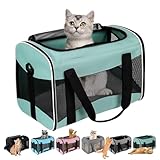
- [PRODUCT DIMENSIONS] Pet travel carrier size : 17x11x11 inches, recommended up to 15 lb pets, it is suitable for large, medium cats and small dogs. Please don't choose your airline cat carrying case based on weight, please refer to your pet's length and height when choosing a pet carrier size.
- [AIRLINE APPROVED] This cat carrier is designed with airline approved, it can fit comfortably under most flight seats, we can take our pets wherever we want. Dog travel carrier offers two attachment loop handles that can be used as a dual harness or as a luggage strap for balanced carry and secure transport.
- [EXCELLENT MATERIAL] Collapsible cat carrier is made of polyester fabric, supported by a steel ring, washable, wear-resistant and durable. The three sides and the top of this pet carrier are nylon mesh, scratch-resistant and not easy to damage, it can not only check your pet in real time, but also ensure enough air circulation.
- [SAFE AND COMFORTABLE] Dog travel bag has metal zippers on the top and side entrances, durable and not easy to deform, it allows your pets to enter and exit easily. The cat carrying case is equipped with an anti-escape safety buckle, which can effectively prevent pets from accidentally falling. It is suitable for car rides and vet rides.
- [PORTABLE AND FOLDABLE] Pet travel carrier comes with a detachable and hand washable wool pet bed, it can provide a comfortable sleeping space for your traveling pet. The cat travel case comes with an adjustable shoulder strap and handle for easy portability. When not in use, you can fold it up for storage.
Record hiding places and daily habits
Write down where each cat usually sleeps or hides: under a bed, inside a closet, behind an appliance or in a basement room. Note which treats, sounds or names reliably draw the animal out. This information helps a household member or responder search efficiently when visibility is poor. During routine checks, make sure doors to known hiding places can be opened and that the areas are not blocked by stored goods.
Reduce the chance of fire and panic
Use monitored smoke detectors where appropriate and test alarms according to the manufacturer’s instructions. Extinguish candles, fireplaces and other open flames whenever they are unattended. Protect stove controls from curious pets and keep flammable materials away from cooking areas. These precautions reduce hazards while also making an alarm less likely to become a chaotic first experience.
What’s actually slowing this PC down?
Pick the symptom - the matching free tool is one click away.
Notice where cats nap, hide and travel through the home. A cat that normally sleeps behind a closed bedroom door may not hear an alarm or may retreat under furniture when frightened. Keep carriers accessible near the rooms where animals spend time, while still avoiding multiple carriers that block an exit. Familiar bedding and calm, repeated carrier practice reduce the chance that panic turns a simple loading task into a chase.
Independent reader supportYour contribution helps us test, update, and keep practical guides available for everyone.What to do when a fire or alarm occurs
- Alert people and call emergency services. Activate the alarm, tell everyone to leave and call the local emergency number from a safe location. Follow official evacuation alerts and instructions for your jurisdiction.
- Take the safest available route. Use the first clear exit; switch to the second route if smoke, heat or flames block it. Stay low if smoke is present and close doors behind you when doing so does not slow escape.
- Call the animals using familiar cues. Check the places listed in your plan, but do not crawl into smoke, reach through flames or spend time searching once conditions are dangerous.
- Use the prepared restraints. Put cats into their assigned, labeled carriers and secure other animals with their prepared harnesses, leashes or enclosures. Take the emergency kit if it is immediately reachable.
- Leave without re-entering. Once outside, move to the meeting point and tell firefighters exactly which animals are missing and where they were last seen. Never go back inside for a carrier, medication or pet.
- Travel to the confirmed destination. Keep animals secured during transport and contact the destination before arrival if the route or evacuation zone changes.
If you cannot reach an animal safely, give responders its name, species, description, likely hiding place and any special medical needs. Firefighters have protective equipment and procedures for searches; an unprotected resident does not.
Also popular on Amazon

- [Friendly Reminder]: Measure your pet for the best fit! This 16.9”L carrier is ideal for cats and small dogs under 11lbs. The scientific design provides ample room for pets 6.6-8.8lbs to turn comfortably, while a secure internal strap keeps smaller pets safe.
- [Stable and Safe Structure]: Reinforced with a 5mm thick steel wire frame and four sturdy fixing buckles, as well as an integrated honeycomb board, to maintain a robust structure. This ensures the carrier does not collapse and maintains spaciousness to prevent squashing your pet.
- [Car Safety Design]: Dual stabilization with belts and shoulder straps provides a secure traveling environment, ensuring your pet stays calm and comfortable during trips. The sturdy frame prevents collapse even on bumpy roads.
- [Double Escape Protection]: All entry points feature lockable zippers and an internal adjustable pet safety strap to ensure pets cannot escape, enhancing travel safety.
- [Scientific Partitioning]: Large breathable and scratch-resistant nylon mesh ensures air circulation without stuffiness; a visible breathable zone reduces pet anxiety, while a hidden zone offers a place for the pet to hide in unfamiliar environments, preventing stress reactions.
Reunite, document and update after evacuation
At the meeting point, count every person and animal and compare the result with your written list. Keep cats and other frightened animals secured until you are inside the confirmed destination. An animal that appears calm may bolt when exposed to sirens, smoke, traffic or unfamiliar people.
Show medical records and written instructions to the receiving facility or veterinarian. Photograph any injury, note when medication was given and record where each animal is staying. Replace food, water, medication and first-aid items used during the evacuation before returning the kit to the exit.
Run a practical review on a schedule
Review the plan whenever your household, animals or home changes. A new pet needs a carrier, an assignment and a destination; a move requires new routes, contacts and shelter calls; a medication change requires new records and supplies. Rehearse loading and carrying equipment often enough that the motions are familiar, and include every regular caregiver in at least one practice.
- Can each person name both exits and the outdoor meeting point?
- Can every cat enter its assigned carrier without a prolonged struggle?
- Are leashes, harnesses, enclosures and carrier closures intact?
- Does the kit contain at least ten days of food, water and medications?
- Are the rescue notice, tags, microchip registration and photographs current?
- Have primary and backup destinations confirmed that they accept your animals?
- Are routes, gates and vehicle loading areas clear?
- Do written feeding, medication and contact instructions match the animals’ current needs?
A plan that is practiced, labeled and stored at the exit gives your household the best chance of leaving together. The non-negotiable rules are to evacuate people without delay, keep animals secured for travel, rely only on destinations that have confirmed their policies, and leave any rescue inside the burning building to trained responders.





Leave a Reply