
Some links on this page are affiliate links: if you buy through them we may earn a commission, at no extra cost to you.
The most effective way to make a veterinary visit easier is to prepare long before the appointment. Pair very small handling exercises with rewards, make car rides pleasant even when they do not end at the clinic, and ask the practice about quiet scheduling or going straight into an examination room. Bring familiar bedding, soft high-value treats when food is allowed, and something that gives your dog secure footing. If your dog freezes, tries to escape, refuses food, or cannot be handled safely, contact the veterinarian about a previsit medication and behavior plan rather than forcing the examination.
Why do some dogs find veterinary visits so difficult?
A clinic combines several potentially frightening experiences: the journey, unfamiliar smells and sounds, other animals, restraint, and touching sensitive body areas. A dog that copes in one part of the process may become distressed in another, so preparation has to include the car, the waiting area, and the examination itself.
As an Amazon Associate I earn from qualifying purchases.
The Tool Desk
Outbyte Driver Updater FREEFix the driver behind crashes, sound loss and screen glitchesFind Drivers →Outbyte PC Repair FREERepair Windows errors before they cause bigger problemsFix Now →Fear can appear as freezing, escape attempts, refusal to eat, escalating agitation, or aggression. These are communication signals, not stubbornness. Forcing a frightened dog to endure touch can make future visits harder. Cornell University College of Veterinary Medicine advises: “Never force your dog to accept touch or handling—always allow them to walk away if they are uncomfortable or unwilling to participate.”
The goal is not to make a dog enjoy every procedure. It is to keep the dog below the point at which fear overwhelms learning, then use breaks, rewards, and veterinary support to complete necessary care safely.
Popular on Amazon

- REDUCES ANXIETY, BOREDOM AND DESTRUCTIVE BEHAVIOR – LickiMat helps calm and soothe your pet by helping release endorphins through the promotion of licking. Safe Alternative for your dog to lick. Great for stressful times such vet visits, bath time, nail clipping, injury recovery as well as thunderstorms and fireworks.
- LICK MAT RECOMMENDED BY VETS AND TRAINERS - redirect all licking habits and perfect aid to reduce crate training time. Works with all manner of treats and foods, ranging from yogurt, peanut butter and spreadable treats, raw, wet, dry and liquid foods, allowing your pet to enjoy just a small amount of food. LickiMats are a perfect delivery system for supplements, medications and treats. Reinforce good behavior and replace anxiety with a long-lasting treat. Perfect for crate training.
- DENTAL HEALTH - LickiMat textured surfaces promote pleasurable licking action, which generates saliva helping protect your pet’s teeth and gums. Scrapes food pieces and odor-causing pieces off your pet’s tongue, promoting healthier teeth, gums and fresher breath.
- SERVE HEALTHY TREATS – Serve yogurt, peanut butter, purées, spreads and all manner of organic and healthy treats. Food settles in the mat’s surface which slows the feeding dramatically and prolongs enjoyment. Less calories, healthier treats and longer duration. THREE SURFACE PATTERNS: LickiMat Playdate (Squares) is perfect for small kibble, raw meat or fish. LickiMat Soother (Dots) for runny foods, and Buddy (Crosses) for chunky spreadable treats.
- ENVIRONMENTALLY FRIENDLY AND SAFE: NO SILICONE. PLEASE SUPERVISE YOUR PET. THIS IS NOT A CHEW TOY. Please supervise your pet. If you have a puppy or known chewer, please order a LickiMat Tuff. It is very strong and 100% dishwasher safe. Licking, Lick Pad, Snuffle Mat.
How can I prepare my dog before the appointment?
Start with the parts of the visit you can control. Training should be brief and voluntary, transport should become ordinary, and the clinic should know about your dog’s triggers before arrival.
Call the clinic and describe the triggers
Tell the receptionist or veterinary nurse exactly what happens: for example, whether your dog fears the car, reacts to other animals, dislikes nail or ear handling, or has tried to escape. Ask what the practice can offer:
Recommended Free Tools
- A quieter appointment time with fewer animals in the reception area.
- Waiting in your car until an examination room is ready.
- Going directly from the entrance to a room, or using an alternate entrance.
- A room with a door that can stay closed and enough space for your dog to settle.
- A short “happy visit” with treats and praise but no examination.
AAHA guidance identifies shorter waits, separating animals, and a quiet environment as ways to reduce anxiety. Clinics differ in staffing and layout, so ask what is realistic when you book rather than assuming every option is available.
Practice cooperative care in tiny steps
Choose one body area and begin when your dog is relaxed. Touch a paw, ear, mouth area, or another part of the body for about a second, immediately give a reward, and stop while the dog is still comfortable. Across multiple sessions, increase either the duration or the difficulty—not both at once.
- Set up in a quiet place with small, soft rewards your dog values.
- Present your hand or the handling tool without chasing the dog.
- Touch one area briefly.
- Reward calm participation immediately.
- End the session or offer a break before the dog withdraws, stiffens, or refuses the reward.
- Repeat on later days, changing only one element at a time.
Allow your dog to walk away. If the dog moves off, do not follow and hold it in place; make the next attempt easier. The lesson should be that handling predicts something good and that opting out is possible, not that escape is impossible.
Make car travel routine rather than a warning signal
Take short, pleasant rides that do not always end at the veterinarian. Reward calm entry, quiet riding, and a relaxed exit. Some trips can end at home or another familiar place so the car no longer predicts an examination every time.
Increase distance or duration gradually. If your dog becomes distressed before the car moves, work first on approaching the vehicle, then standing beside it, then entering, and only later taking a brief ride. Keep the same rule as with handling: stop before fear escalates.
Also popular on Amazon
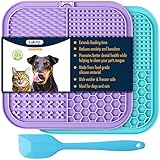
- 【77 Super Suctions】: The back of this licking mat is equipped with 77 high-strength suction cups, which can be well fixed on various walls or glass, refrigerators. It is a good distraction toy for pet bathing grooming and dog nail trimming.
- 【Slow Feeder Mat for Dogs & Cats】: Four different textured surfaces design is prefect for spreadable treats, such as cream cheese, yoghurt, peanut butter and so on. It is a peanut butter slow feeder mat for dogs to extend the feeding time and aid digestion. This lick mat is an ideal size for cats, puppies, small meduim and large dogs.
- 【Reduces anxiety, boredom and destructive behavior】: The lick pads help calm pets. It is a boredom buster for dog to suppress destructive behavio and relieves anxiety at home alone. This dog treat pad is great for stressful times such vet visits, bath time, nail clipping, injury recovery as well as thunderstorms and fireworks.
- 【Food grade silicone】 Premium food grade silicone material, very durable and tough, safe for your pets.
- 【Dish-Washer & Freezer safe 】: It is dish-washer safe, and can be hand-washed in warm soapy water; and it is also freezer safe.
Use a happy visit to change the clinic association
Ask the practice whether your dog can come in solely for treats and praise. Begin at the easiest location your dog can tolerate—possibly outside or in the parking lot—and progress only when the dog remains comfortable. A visit can be as short as standing near the entrance, taking a reward, and leaving. There should be no surprise examination during a planned happy visit unless you have agreed to it.
What should I bring to the veterinary clinic?
Pack items that provide familiar scent, reliable footing, and a safe way to take rewards. Confirm food rules with the clinic before offering anything.
- Familiar bedding: A washable towel, blanket, bed, or toy can make the room smell less unfamiliar.
- Small, soft, high-value treats: Bring enough for repeated brief rewards if your dog may eat and the procedure does not require fasting.
- A sustained distraction: With clinic approval, a stuffed KONG or a flat textured rubber mat such as a LickiMat can occupy the dog during waiting or gentle handling. Check that the item is clean and that its ingredients fit the clinic’s instructions.
- Secure footing: A nonslip mat or rubber shelf liner can prevent sliding. AAHA also lists towels and nonskid mats as tools for less stressful handling.
- Relevant information: Tell the team what handling your dog accepts, what predicts panic, and which rewards work at home.
Do not assume that a favorite food is appropriate before every appointment. Blood tests, anesthesia, or other procedures may require fasting. The veterinarian or clinic staff must tell you whether your dog should eat and when.
Free tools Windows power users keep installed
One-click scans. No signup required.
How can I make the waiting room and examination safer?
Reduce exposure to triggers and give the veterinary team permission to adjust the pace. Waiting in the car, entering a room immediately, or using a quiet schedule may prevent fear from building before examination begins.
Ask for direct entry or a quiet waiting plan
On arrival, call reception from outside if that is the clinic’s preferred process. A staff member may be able to take you straight to a room or tell you when the room is ready. If you must wait, keep your dog as far from other animals as the layout allows and use the familiar mat or towel.
Let the team know when the dog is reaching its limit
Tell staff immediately if your dog stops taking normally accepted food, freezes, strains toward an exit, or shows increasing agitation. Those changes mean the current setup may be too difficult. The team can pause, reduce handling, change the location, reschedule, or discuss medication rather than pushing through a dangerous struggle.
Request low-force adjustments
Ask whether the examination can happen on the floor, on your dog’s familiar mat, or with fewer people in the room. Ask for breaks between procedures and whether restraint can be minimized. The appropriate option depends on the procedure and safety assessment; the veterinarian decides how to protect the dog, staff, and you.
Also popular on Amazon

- PROMOTE SLOWER HEALTHY FEEDING – Slow feeder bowl help reduce dog’s feeding from seconds to many minutes. Improve digestion and reduce bloat. Perfect for all size dogs, puppies and moderate chewers.
- LICK MAT SERVE WET AND DRY FOOD TOGETHER – Serve wet, liquid and dry food together without making a mess. Separate foods using the pocket or bump sections to create treats serve meal or to create long-lasting snacks.
- DENTAL HEALTH - LickiMat textured surfaces promote pleasurable licking action, which generates saliva helping protect your pet’s teeth and gums. Scrapes food pieces and odor-causing pieces off your pet’s tongue, promoting healthier teeth, gums and fresher breath.
- PERFECT FOR FLATNOSE DOGS – French Bulldog and other bully and bulldog breeds can eat easily but slower without the struggle of navigating mazes and bumps with their flat nose.
- ENVIRONMENTALLY FRIENDLY AND SAFE: NO SILICONE. PLEASE SUPERVISE YOUR PET. THIS IS NOT A CHEW TOY. PLEASE SUPERVISE YOUR PET. Licking, Lick Pad, Snuffle Mat.
AAHA describes a calm, comfortable pet as easier to examine and more likely to receive needed care. A nonslip surface helps the dog feel stable, while rewards and pauses can preserve cooperation.
What rewards and distractions work during a visit?
Use rewards that your dog already values, deliver them in small pieces, and match them to the dog’s ability to eat. A reward is useful only if the dog can notice it and take it without becoming more distressed.
- Offer a small treat after a voluntary glance, step, or brief touch rather than repeatedly luring the dog into a position it fears.
- Use a stuffed rubber toy or flat textured mat for longer, gentle procedures when the clinic approves and fasting is not required.
- Keep the reward rate high during a new step, then reduce the difficulty if the dog stops eating.
- Bring alternatives. A dog that accepts food at home may reject it in a clinic when fear is high.
Food is not a substitute for a safe setup. If the dog refuses even high-value rewards, do not keep offering larger amounts or force the dog to continue; notify the team and reassess the plan.
When is medication appropriate for vet anxiety?
Medication is worth discussing when fear prevents a safe examination, when the dog cannot recover between steps, or when there is a meaningful risk of escape or aggression. AAHA professional guidance states that previsit anxiolytics or sedation may be used for more anxious dogs to reduce stress and protect the veterinary team.
Outdated Drivers Are Slowing You Down
One free scan finds every outdated or missing driver and matches the right update for your exact hardware.Free scan · exact hardware matchPC Slower Than It Used to Be?
A free scan shows the junk files, broken settings and background clutter dragging Windows down - then fixes them in one click.Free scan · Windows 10 & 11Medication should support, not replace, gradual training and environmental changes. The veterinarian must choose the drug, dose, timing, and whether food or fasting is required for the individual dog and procedure. Never give human medication, leftover sedatives, or another animal’s prescription. Do not add a supplement without asking the veterinarian.
Ask the clinic how a prescribed plan is intended to work: when to give it, what to do if the dog vomits or refuses it, whether a test dose is needed, and what signs require a call. Those instructions are patient-specific and cannot be safely generalized.
Should I seek a behavior professional?
Request behavior support when fear persists despite careful practice, when routine care cannot be completed, or when anyone may be bitten or the dog may escape. Cornell and VCA identify behavior support and referral as options for dogs whose fear does not improve.
Also popular on Amazon

- 【Convenient and easy to use】 Before you start bathing / sanding / trimming / grooming, spread your dog's favorite food on your lick pad and stick the lick pad on a flat / shiny surface. When the bath is over, just rinse it off or wash it in the dishwasher your next use.
- 【Safe and Secure】 Lick Pad made of food-grade silicone, and strong flexibility with durable suctions. Easy to clean and top rack dishwasher safe.
- 【Special design for dogs】 The Square shape is more attractive for pets so they can focus on food, bath time or other things easier for you.
- 【Multiple Functions】 Great for cat and dog dental care at home,the textured surfaces promote pleasurable licking action, which generates helping protect your pet's teeth and gums.
- 【Make bathing easy and fun】 Did your dog hate bathing? Now we have the product for you to solve these problems. Just place our lick pad on the bathroom wall, the dog's attention will be on the wall and they will not fight to bathe. Not only suitable for bathing, but also suitable for sanding and trimming pets. It can be treated as a slow feeding bowl for developing good eating habits.
Start with your veterinarian, who can coordinate a referral and determine whether medication belongs in the plan. A qualified positive-reinforcement professional can help divide handling into workable steps and identify where the dog is becoming overwhelmed. Keep the clinic involved so training matches the procedures the dog actually needs.
Which approach fits my dog and appointment?
There is no single calming technique for every dog. Choose the least difficult plan that still allows necessary care, then escalate support when safety or welfare requires it.
| Situation | First-line plan | What may change the plan |
|---|---|---|
| Dog accepts gentle touch and food at home | Brief cooperative-care sessions, positive car rides, and a quiet clinic appointment | Increase difficulty only while the dog remains willing; stop if food refusal or escape behavior appears |
| Dog is uneasy in the car or parking lot | Practice approaching, entering, riding, and exiting in short steps; use a happy visit that starts outside | Ask about direct room entry or waiting in the car to avoid a crowded reception area |
| Dog becomes distressed around other animals | Request a quiet time, separated waiting, or a direct-to-room route | Reschedule or discuss medication if the dog cannot settle enough for safe handling |
| Dog refuses food, freezes, or tries to escape | Pause and tell the veterinary team; reduce demands and provide a break | A veterinarian-directed previsit medication and behavior referral may be needed |
| Procedure may require fasting | Confirm instructions and bring non-food comfort items such as a familiar towel | Use a food distraction only if the clinic confirms it is allowed |
| Dog has a history of unsafe handling | Tell the clinic before arrival and plan the room, staffing, and restraint approach together | Medication or sedation may be necessary to protect the dog and veterinary team |
Use five questions when deciding how much preparation and support to arrange: How intense is the fear? Is there bite or escape risk? How much time is available for gradual practice? Will fasting or the procedure limit food? Can the clinic provide a quiet room, direct entry, floor examination, breaks, or a happy visit? The veterinarian’s assessment determines whether medication is suitable.
What should I do if the visit starts to go badly?
Act early rather than waiting for a full panic response.
- Tell the team what you are seeing, using specific observations such as “she stopped eating” or “he is pulling toward the door.”
- Ask for a pause and more distance from the trigger.
- Offer the familiar mat or towel and allow the dog time to settle without repeated touching.
- Ask whether the next step can happen on the floor, with fewer people, or after a short break.
- If safe care is still impossible, discuss rescheduling, a previsit medication plan, or a behavior referral instead of forcing completion.
A postponed non-emergency procedure is preferable to creating a more frightening experience or putting people at risk. For urgent care, follow the veterinarian’s safety instructions even when the ideal gradual plan is not possible.
How do I build progress between appointments?
Keep sessions short enough that your dog can succeed. Practice one body area at a time, reward voluntary participation, and end before discomfort appears. Repeat car rides and clinic approaches separately so each skill can improve without the pressure of a full appointment.
Record what your dog could tolerate: the body area, approximate duration, reward used, and the first sign of unease. Share that information with the clinic. It helps staff begin below the dog’s threshold instead of repeating a step that was already too difficult.
Also popular on Amazon
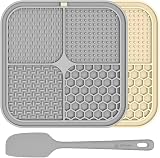
- Food-Grade Silicone:Our lick mat is crafted from premium food-grade silicone, 100% BPA-Free and Non-Toxic. 4 different textured surface design is perfect for yogurt, peanut butter, and other spreadable treats
- Easy to Clean:The mat is freezer, microwave and dishwasher safe . After use, you can soak the lick mat in warm soapy water, brush off residual food and rinse clean with water, or put It into the dishwasher directly, making cleanup convenient
- 49 Strong Suction Cups:The back of the lick mat is equipped with 49 strong suction cups that firmly stick to smooth surface such as shower tiles, glass windows, refrigerator doors, floors and more, preventing the mat from moving while your dog is licking
- Easy to Use:Before you start grooming, bathing, nail trimming, training and medical treatment, spread your dog's favorite food on the lick mat and stick it on a flat surface to calm and soothe your pets
- Slow Feeding & Improve Digestion:The textured surface design is perfect for extending the feeding time to prevent bloating and choking risks, helping your dog,cat cultivate a good eating habit and aiding digestion, promoting oral health
Progress is not linear. A dog may manage a paw touch at home but struggle after a noisy car ride. On those days, return to an easier step. The aim is steady cooperation over multiple sessions, not a single perfect rehearsal.
What should I never do to calm my dog?
- Do not pin, drag, or force a dog into touch it is actively avoiding.
- Do not punish growling, freezing, or escape attempts; tell the team what happened so they can change the plan.
- Do not give human medicine or leftover sedatives.
- Do not feed a stuffed toy or treats until the clinic confirms that food is permitted.
- Do not assume a product guarantees a calm visit. Familiar items and distractions can help, but they cannot replace veterinary assessment or a safe handling plan.
What does a successful low-stress visit look like?
Success means the dog receives necessary care with as little fear and force as practical. Sometimes that is a routine examination with treats; sometimes it is a short visit that ends before the dog reaches panic, followed by a better-planned appointment. A calm, comfortable pet makes veterinary care easier for everyone, as AAHA notes, and preserving that comfort supports future care.
Do these 3 things before closing this tab:
1Scan for outdated or missing drivers - takes under a minute2Repair Windows errors before they cause bigger problems3Fix the driver behind crashes, sound loss and screen glitchesPlan the next visit from what this one taught you: which entrance worked, whether the dog could eat, how long the dog could wait, and which handling steps caused difficulty. Share those observations with the veterinarian before booking again.
Frequently Asked Questions
Should my dog eat before a veterinary appointment?
Only the clinic can answer for a particular appointment. Bloodwork, anesthesia, or another procedure may require fasting, while some visits allow treats; ask when booking and follow the exact timing the veterinarian gives.
Can calming supplements replace training for vet fear?
They should not be added on your own, and no product guarantees a calm visit. Ask the veterinarian whether any supplement is appropriate for your dog and how it fits with handling practice, environmental changes, and prescribed medication.
How far in advance should I start preparing?
Begin as soon as you know a visit is needed, and continue practice between appointments. There is no universal timetable because progress depends on the dog’s starting fear, the handling required, and how consistently the dog can participate without becoming distressed.
What’s actually slowing this PC down?
Pick the symptom - the matching free tool is one click away.
What if my dog will not take treats at the clinic?
Tell the veterinary team rather than escalating the food offer. Refusing normally valued food can indicate that fear is too high for learning, so the team may lower demands, provide a break, change the setting, or discuss a different appointment plan.





Leave a Reply