Outdated Drivers Are Slowing You Down
One free scan finds every outdated or missing driver and matches the right update for your exact hardware.Free scan · exact hardware matchPC Slower Than It Used to Be?
A free scan shows the junk files, broken settings and background clutter dragging Windows down - then fixes them in one click.Free scan · Windows 10 & 11The safest way to prepare a reactive or anxious dog for the veterinarian is to make a plan with the clinic before arrival, rehearse tiny handling and travel steps at home, and reduce close contact and waiting on the day. Tell the team exactly what your dog reacts to—including snapping, nipping, biting, escape attempts, and restraint—and agree on entry, waiting, handling, muzzle, and medication options in advance. The goal is not to force a “stress-free” visit; it is to keep your dog and staff as safe and comfortable as possible while preserving the dog’s ability to cope.
What “reactive” means at the vet
“Reactive” is not a diagnosis and does not, by itself, tell you how likely a dog is to bite. A dog may bark or lunge because of fear, frustration, pain, excitement, previous experiences, or a combination of triggers. Another dog may freeze, tremble, try to flee, snap when restrained, or become still and difficult to read. The American Animal Hospital Association (AAHA) advises assessing the individual pattern: what sets the response off, what the dog does next, and what the dog’s behavior history shows.
As an Amazon Associate I earn from qualifying purchases.
Use observable descriptions when you speak with the practice. “She barks when an unfamiliar person reaches over her head,” “he has snapped when his nails were held,” or “he tries to push through doors when restrained” gives the team information they can use. Include any actual bite, nip, or near-bite, even if skin was not broken. Also report pain, medication, illness, and changes from the dog’s normal behavior.
Quick wins for a faster PC:
Fix the driver behind crashes, sound loss and screen glitchesFind Drivers →Clear out junk files and repair common Windows errorsFree Scan →Scan for outdated or missing drivers - takes under a minuteDriver Scan →An AAHA feature by Colette Kase, published June 23, 2026, reports piloerection (raised hair) in 79% of dogs in the study it discusses. That figure describes the dogs in that report; it is not a measure of appointment anxiety, aggression, or bite risk for all dogs.
#1 Best Overall
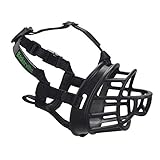
- DOGS CAN PANT AND DRINK: The Baskerville Ultra Muzzle PATENTED HUMANE DESIGN allows dogs to pant (when hot or stressed) and drink. SUITABLE FOR DAILY WALKS and longer periods of wear.
- SHAPE FOR CUSTOM FIT: Like a mouth-guard, the Ultra Muzzle can be HEAT SHAPED using warm water to fit DIFFERENT DOG NOSE SHAPES. See fitting guide for more info and to find the BEST SIZE for your dog.
- IDEAL FOR REACTIVE DOGS: you can TRAIN and REWARD treat your dog if they are reactive around other dogs, people or in new situations like the vet.
- STRONG & SAFE: Built with strong Thermo Plastic Rubber (TPR) the Ultra Muzzle is SAFE TO PREVENT BITES. Extra secure with LOCKABLE NECK STRAP CLIP, HEADSTRAP and COLLAR ATTACHMENT if needed.
- COMFORTABLE FIT: Comes in 6 sizes with PADDED STRAPS and NO METAL WORK ON DOGS FACE. Great for dog owners looking for SMALL, MEDIUM or LARGE sized dog muzzles.
Start at home with very short, positive practice
Practice when your dog is relaxed, not immediately before leaving. Each session can last seconds. Touch one area briefly, deliver a reward if the dog can safely take it, and stop before the dog becomes tense. Several easy repetitions are more useful than one long session that ends in a struggle.
Build handling in small steps
- Choose one body area: a paw, ear, lip, shoulder, chest, or flank.
- Show your hand, touch for a moment, and remove it.
- Pair the touch with praise, a toy, or a food reward that is safe for your dog.
- Pause and observe. Continue only while the dog remains loose and able to disengage.
- Increase duration or add a simple movement—such as lifting a paw—one change at a time.
Do not pin the dog, pry open the mouth, force an ear examination, or keep going because the dog “needs to get used to it.” If the dog turns away, stiffens, freezes, pants suddenly, licks the nose repeatedly, vocalizes, or tries to escape, make the next repetition easier or end the session. These signs can have several causes, so interpret them in context and tell the veterinary team what is typical for your dog.
Rehearse cooperative veterinary actions
Once brief touch is easy, gradually practice actions the veterinarian may need: looking at teeth from the side, touching between toes, placing a hand around the chest, or holding a collar while the dog remains free to move away. Keep the sequence predictable. A verbal cue such as “touch” or “paws” can tell the dog what comes next, but a cue is not permission to force the procedure.
The Tool Desk
Outbyte Driver Updater FREEScan for outdated or missing drivers - takes under a minuteDriver Scan →Outbyte PC Repair FREEClear out junk files and repair common Windows errorsFree Scan →Make the car less predictive of the clinic
Some dogs become anxious as soon as they see the car. Begin with standing near it, then sitting inside with the engine off, followed by very short drives. Pair rides with praise or another valued reward and end many trips somewhere neutral or enjoyable rather than always at the hospital. Increase distance and duration only when the dog is recovering quickly and remaining comfortable. Secure the dog as directed by your veterinarian; do not allow a frightened dog to ride loose.
Optional settling and enrichment
AAHA’s 2026 preparation guidance gives settling on a mat and a stuffed food toy as examples of optional practice. They are not required equipment and do not replace individualized veterinary advice. Teach a mat behavior in a quiet room first, then use it only if the dog can still relax around the clinic’s sights, sounds, and handling.
Call the clinic before you book or arrive
A phone call is part of the medical plan, not an admission that your dog has failed. Ask for a note to be placed on the record and speak with the person who can coordinate the appointment. Describe:
Rank #2
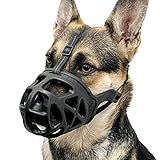
- The Only Muzzle You Need: Say goodbye to your old muzzle. The BARKLESS practical muzzle has features you need to prevent your dog from nipping, destroying, fighting and digging and eating everything while the basket-style design gives all-around mouth protection allowing your pet unrestricted drinking and panting. This muzzle for dogs make it the ideal choice for reactive dogs’ daily walks, occasional use, dog park socialization, grooming, vet visits, training, traveling, and walking
- Safe & Humane: Friendly dog muzzles are more pliable and softer, making them comfortable for the dog. Humane muzzle for dogs allow your dog to pant, drink and treat train while being worn with the uniquely designed bar spacing which forms the canine muzzle
- Easy to Use: Comfort-fit design for most sizes of breeds with adjustable head and neck straps allow you to quickly adjust the size to fit your dog, making it ideal for the puppy, small, medium, and large dogs. The twist on each side of the strap is part of a unique design, ensuring a better fit for your dog’s head shape. This is a thoughtful feature, not a defect, aimed at providing a more comfortable and secure fit
- Prevent Muzzle Slippage: An incorrect size, improper fit, or lack of muzzle training can cause the dog to remove the cage muzzle. Adjust the straps to ensure a snug fit—secure enough to keep the basket muzzle for dogs in place without causing discomfort. Check the head strap to prevent slippage. Refer to the included instructions to help your dog adjust to the dog muzzles to prevent biting
- Desensitizing Your Dog to a Muzzle: Many dogs may resist wearing cage muzzles for dogs initially, especially if they've never worn one before. To help them adjust, use gradual desensitization training—start with short periods and reward calm behavior. Over time, your dog will accept it as part of their routine
- known triggers, including people, dogs, doorways, equipment, eye contact, touch, and restraint;
- what the dog does—barks, lunges, freezes, growls, snaps, nips, bites, or attempts escape;
- any bite or injury history and whether skin was broken;
- what handling has worked or made things worse;
- whether the dog can eat or play when worried, and any food allergy or food-guarding concern;
- current illness, pain, medications, and previous sedatives or anxiolytics.
AAHA’s guidance explains that these details can change the handling and risk plan. Ask the clinic what it can accommodate, rather than assuming a particular arrangement is available.
Questions to ask when scheduling
- Can we use a quieter time, such as the first or last appointment?
- Can my dog wait in the car until a room is ready?
- Can we enter directly into an exam room or use a side or back entrance?
- Where should we stand if another animal appears?
- Should my dog arrive wearing a harness, a collar, or a conditioned basket muzzle?
- Who will greet us, and what is the clinic’s plan if the dog cannot safely complete the examination?
Follow the practice’s instructions for leashes, doors, parking, and check-in. A plan that is safe in one building may not work in another.
Choose a low-contact arrival plan
The most useful appointment is often the one with the least unnecessary exposure. Ask the team to minimize time in a crowded waiting room and to avoid forced greetings. Keep enough distance from other animals that your dog can still respond to you. Do not allow strangers or children to approach, reach over, or offer a hand for sniffing.
At the entrance
- Bring the dog on the equipment the clinic approved and keep doors secured before unloading.
- Text or call from the car if the clinic offers that option.
- Enter only when staff say the route is clear, using the agreed entrance.
- Move at your dog’s pace. If the dog stops, give the team information rather than dragging forward.
A direct-to-room workflow, a side or back door, or a first-or-last appointment can reduce exposure where feasible. These are options to negotiate with the clinic, not guarantees.
Read the dog during the visit
AAHA lists panting, trembling, rigidity, lip or nose licking, yawning, vocalization, and freezing among possible anxiety or distress signs. Look at the whole picture: a dog may pant because of heat or pain, and a quiet dog may be frightened rather than calm. Tell the team what you notice and what is normal for this individual.
Do these 3 things before closing this tab:
1Fix the driver behind crashes, sound loss and screen glitches2Repair Windows errors before they cause bigger problems3Scan for outdated or missing drivers - takes under a minuteDo not punish growling, barking, or air snapping. Those behaviors communicate that the dog is struggling; suppressing them can remove an early warning without making the underlying fear disappear. Ask for pauses, more distance, a different position, or a less invasive sequence when the dog can no longer cope.
Rank #3
- The Only Muzzle You Need: Say goodbye to your old muzzle. The BARKLESS practical muzzle has features you need to prevent your dog from nipping, destroying, fighting and digging and eating everything while the basket-style design gives all-around mouth protection allowing your pet unrestricted drinking and panting. This muzzle for dogs make it the ideal choice for reactive dogs’ daily walks, occasional use, dog park socialization, grooming, vet visits, training, traveling, and walking
- Safe & Humane: Friendly dog muzzles are more pliable and softer, making them comfortable for the dog. Humane muzzle for dogs allow your dog to pant, drink and treat train while being worn with the uniquely designed bar spacing which forms the canine muzzle
- Easy to Use: Comfort-fit design for most sizes of breeds with adjustable head and neck straps allow you to quickly adjust the size to fit your dog, making it ideal for the puppy, small, medium, and large dogs. The twist on each side of the strap is part of a unique design, ensuring a better fit for your dog’s head shape. This is a thoughtful feature, not a defect, aimed at providing a more comfortable and secure fit
- Prevent Muzzle Slippage: An incorrect size, improper fit, or lack of muzzle training can cause the dog to remove the cage muzzle. Adjust the straps to ensure a snug fit—secure enough to keep the basket muzzle for dogs in place without causing discomfort. Check the head strap to prevent slippage. Refer to the included instructions to help your dog adjust to the dog muzzles to prevent biting
- Desensitizing Your Dog to a Muzzle: Many dogs may resist wearing cage muzzles for dogs initially, especially if they've never worn one before. To help them adjust, use gradual desensitization training—start with short periods and reward calm behavior. Over time, your dog will accept it as part of their routine
AAHA’s humane-restraint guidance states: “Manual restraint and forceful handling of patients increases the risk of injury to both staff and patients, and may be detrimental to successful medical and emotional outcomes.” Calm, minimal handling is a safety strategy, not a reward for bad behavior.
When and how to use a muzzle
A properly fitted basket muzzle can prevent a bite while allowing a dog to pant, drink, and take suitable treats. It is not a cure for fear and does not make forceful handling safe. A muzzled dog still needs distance, a clear plan, and calm staff.
Condition the muzzle before the appointment
- Let the dog see the muzzle; reward looking at it, if the dog can safely take the reward.
- Place a reward inside so the dog voluntarily puts its nose into the basket. Do not fasten it yet.
- Repeat for brief periods, gradually adding the strap and then a few seconds of movement.
- Practice normal activities while wearing it, increasing time only while the dog remains relaxed.
AAHA specifically recommends teaching the dog to place its face into a basket muzzle voluntarily with reward-based training. Do not wait until the appointment to introduce an unfamiliar muzzle, and do not improvise a tight fabric covering that prevents panting unless a veterinarian directs its use for a specific emergency.
Other headgear
Head collars and halters require correct fit and acclimation. If the dog panics, feels trapped, paws at the device, or cannot breathe comfortably, stop and consult the veterinary team about safer equipment. Never use a device to force the dog toward a trigger.
Use food, toys, and touch only when they are safe
Food, a familiar toy, or gentle massage can help some dogs during brief practice or an examination. They are optional aids, not universal solutions. Check allergies, dietary restrictions, and the dog’s ability to eat when worried.
Do not spread food or offer treats near a dog that guards food or becomes aggressive when a person approaches its eating area. Tell the clinic if food itself is a trigger. A toy can be a better choice for some dogs, while another dog may be too distressed to engage with anything. Never place your fingers near a frightened dog’s mouth to deliver a reward.
Rank #4
- DOGS CAN PANT AND DRINK: The Baskerville Ultra Muzzle PATENTED HUMANE DESIGN allows dogs to pant (when hot or stressed) and drink. SUITABLE FOR DAILY WALKS and longer periods of wear.
- SHAPE FOR CUSTOM FIT: Like a mouth-guard, the Ultra Muzzle can be HEAT SHAPED using warm water to fit DIFFERENT DOG NOSE SHAPES. See fitting guide for more info and to find the BEST SIZE for your dog.
- IDEAL FOR REACTIVE DOGS: you can TRAIN and REWARD treat your dog if they are reactive around other dogs, people or in new situations like the vet.
- STRONG & SAFE: Built with strong Thermo Plastic Rubber (TPR) the Ultra Muzzle is SAFE TO PREVENT BITES. Extra secure with LOCKABLE NECK STRAP CLIP, HEADSTRAP and COLLAR ATTACHMENT if needed.
- COMFORTABLE FIT: Comes in 6 sizes with PADDED STRAPS and NO METAL WORK ON DOGS FACE. Great for dog owners looking for SMALL, MEDIUM or LARGE sized dog muzzles.
Discuss medication before the appointment
If fear is intense, persistent, or involves aggression, escape attempts, or an inability to recover, contact the veterinarian before the visit. AAHA describes pre-visit anxiolytics and sedatives as possible tools and discusses medication classes used in veterinary protocols. The appropriate drug, timing, combination, and monitoring depend on the dog’s health and the planned procedure.
Do not give a human medication, a leftover prescription, or a product borrowed from another pet. Do not change a prescribed amount because the first visit was difficult. Ask the veterinarian exactly when to give any medication, what effects to expect, and what to do if the dog remains too distressed.
Medication may be paired with a quieter appointment, trained muzzle, and low-contact handling. It is not a substitute for those safeguards, and it may not make every examination possible.
Independent reader supportYour contribution helps us test, update, and keep practical guides available for everyone.Make decisions with the clinic using the dog’s actual needs
When you and the veterinarian choose a preparation plan, weigh these factors together:
| Factor | Questions to answer | Possible planning consequence |
|---|---|---|
| Triggers and history | What starts the reaction? Has there been snapping, nipping, biting, or an escape attempt? How does restraint affect the dog? | Change the route, staff approach, equipment, or level of restraint; consider referral or medication. |
| Clinic exposure | How much time will the dog spend traveling, waiting, meeting people, and moving between rooms? | Use a quieter slot, car waiting, direct-to-room entry, or an alternate door where available. |
| Ability to eat or play | Can the dog safely take food or engage with a toy when worried? Are allergies or food guarding present? | Use a suitable reward, a toy, or no distraction; avoid food-based methods when unsafe. |
| Muzzle readiness | Does a well-fitted basket muzzle allow panting and drinking, and has the dog been conditioned to wear it? | Use it only as part of a calm handling plan; postpone or retrain if the dog panics in it. |
| Veterinary support | Does the veterinarian recommend pre-visit medication, sedation, a different appointment, or a behavior referral? | Follow the individualized protocol and monitoring instructions. |
If the examination cannot safely continue
A dog that is rigid, repeatedly attempting to escape, escalating despite pauses, or unable to be approached may not be able to complete the planned examination that day. Tell the team before the situation becomes an emergency. The veterinarian may alter the order of procedures, use medication or sedation, perform only urgent care, or send the dog home and reschedule.
AAHA’s wellness guidance notes that when undue fear develops, the team can consider rescheduling with pre-visit anxiolytics. Leaving is not “giving in”; preventing a dangerous rehearsal can protect the next visit. Ask what signs should trigger an immediate return, what care can safely wait, and what preparation is needed for the new appointment.
Best Value
- DOGS CAN PANT AND DRINK: The Baskerville Ultra Muzzle PATENTED HUMANE DESIGN allows dogs to pant (when hot or stressed) and drink. SUITABLE FOR DAILY WALKS and longer periods of wear.
- SHAPE FOR CUSTOM FIT: Like a mouth-guard, the Ultra Muzzle can be HEAT SHAPED using warm water to fit DIFFERENT DOG NOSE SHAPES. See fitting guide for more info and to find the BEST SIZE for your dog.
- IDEAL FOR REACTIVE DOGS: you can TRAIN and REWARD treat your dog if they are reactive around other dogs, people or in new situations like the vet.
- STRONG & SAFE: Built with strong Thermo Plastic Rubber (TPR) the Ultra Muzzle is SAFE TO PREVENT BITES. Extra secure with LOCKABLE NECK STRAP CLIP, HEADSTRAP and COLLAR ATTACHMENT if needed.
- COMFORTABLE FIT: Comes in 6 sizes with PADDED STRAPS and NO METAL WORK ON DOGS FACE. Great for dog owners looking for SMALL, MEDIUM or LARGE sized dog muzzles.
After the visit
Give the dog a quiet recovery space, water as directed, and time without visitors or demanding handling. Follow the clinic’s instructions about food, exercise, medication, and observation. Do not test the dog’s tolerance by repeating the difficult procedure at home.
When the dog is back to its normal baseline, resume tiny, positive handling sessions rather than launching into a long practice session. Write down what helped, what triggered a reaction, which staff approach worked, whether food or toys were useful, and how long recovery took. Send those observations to the clinic so the next plan can be more precise.
A practical checklist
- Record triggers, body-language signs, restraint reactions, and any snapping, nipping, or bite history.
- Practice brief touches of paws, ears, mouth area, and body only while the dog remains comfortable.
- Build car comfort with short trips that do not always end at the clinic.
- Call the practice and agree on timing, entrance, waiting, equipment, and an alternative plan.
- Condition a properly fitted basket muzzle well before the appointment if the veterinarian advises one.
- Prepare a safe reward or toy, while checking allergies, food guarding, and whether the dog can eat under stress.
- Ask the veterinarian about pre-visit medication if fear is severe or persistent; never self-medicate.
- Keep distance from animals and people, and request pauses instead of forcing contact.
- Know in advance what will happen if the examination must be stopped or rescheduled.
- Give recovery time afterward and report the outcome to improve the next visit.
When to involve additional behavior help
Ask your veterinarian about a qualified behavior professional when reactions are escalating, occur in several settings, involve injury, or make routine medical care repeatedly impossible. A veterinary behaviorist may help coordinate medical evaluation, behavior modification, and medication; your veterinarian can advise what type of referral is appropriate in your area. Until a plan is in place, manage distance and prevent situations in which the dog is likely to rehearse lunging, snapping, or escape.
Frequently Asked Questions
Should I tell the vet that my dog has bitten someone if the bite was minor?
Yes. Report every known bite, nip, snap, or near-bite, including what happened and how the dog responded to restraint. The information helps the clinic choose staff, equipment, entry, and handling procedures.
Can treats fix my dog’s fear of the veterinarian?
Treats may support brief practice or an examination when the dog can safely eat, but they are optional and not a universal solution. Avoid food-based methods for dogs with relevant allergies or food guarding, and never use treats to push a dog past its coping limit.
Is a muzzle enough to keep a reactive dog safe?
No. A well-fitted, reward-conditioned basket muzzle can reduce bite risk while allowing panting and drinking, but the dog still needs distance, calm handling, and a clinic plan. Introducing an unfamiliar muzzle at the appointment can increase distress.
What if my dog cannot be examined without a fight?
Tell the team as soon as the dog begins escalating. The veterinarian may change the sequence, use pre-visit medication or sedation, provide urgent care only, or reschedule with a better-supported plan. Do not force the examination or give medication without veterinary instructions.
Recommended Free Tools
Quick Recap
Product prices and availability are accurate as of the date/time indicated and are subject to change. Any price and availability information displayed on Amazon at the time of purchase will apply.




