Before your rescue pet comes home, set up a quiet place where they can rest, secure household hazards, and gather supplies suited to their species and needs. Ask the rescue what they know about your individual pet, then let the animal explore and meet household members gradually. There is no single checklist or settling-in timetable that fits every rescue pet.
1. Set up a quiet home base
Choose a room or safe area where your new pet can rest without being overwhelmed by visitors, noise, or the activity of the whole household. ASPCA adoption guidance recommends creating a dedicated space for a dog or cat; it might be a room, a cozy crate, or a soft bed. Choose an arrangement that suits the individual animal, and ask the rescue or your veterinarian if you are unsure whether confinement is appropriate.
Keep the space accessible and calm, with room for the pet to rest and, where appropriate, reach food, water, or a litter box. A gate can help limit access to selected areas while your pet adjusts, provided it fits your home and is suitable for that animal.
2. Pet-proof the areas your new arrival can reach
Before arrival, look around from the pet’s level and remove or secure things they could chew, swallow, knock over, or reach. Dogs and cats may investigate a new space differently, so adjust the setup as you learn about the individual pet.
#1 Best Overall
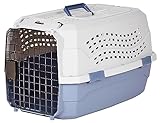
- Hard sided pet carrier with 2 doors for front and top entry; suitable for cat or medium size dog weighing 12 - 20 pounds
- Durable plastic construction with steel wire doors; screws keep the top and bottom sections securely connected
- Spring load latches ensure easy one-handed door opening and closing; top door swings open to the left or right and includes a top carry handle
- Plenty of air ventilation on the sides, top, and back of the carrier
- Note: Be sure to measure the size of the pet when choosing carrier size
- Secure or cover electrical cords and put away small chewable objects.
- Check that windows and exterior doors are secure. Plan how household members will prevent an accidental escape when entering or leaving.
- Move medicines into an enclosed cupboard, and pick up dropped pills promptly. The ASPCA Animal Poison Control Center’s puppy-and-kitten safety guidance also advises keeping medicines out of reach.
- Check houseplants for toxicity. Remove poisonous plants or place them somewhere the pet cannot reach.
- Keep chemicals, foods, and other hazards out of reach, and use a gate or closed door to restrict access to rooms that are not ready.
For concerns about a particular plant, substance, or exposure, contact a veterinarian or an animal poison-control service rather than relying on a general home-preparation checklist.
3. Gather essentials that fit your pet
Start with the basics and follow the rescue’s advice about food, size, and equipment. The goal is to have what the animal needs on arrival—not to buy every item that might be useful.
Rank #2

- SECURE AND COZY DEN: The Petmate Two-Door portable dog crate provides easy access with top or front-loading doors, offering a safe and comfortable space for your pet's natural denning instincts
- AIRLINE-APPROVED: This small dog carrier airline approved meets most airline cargo specs. Ventilation holes provide fresh air and 360-degree visibility for your pet
- IDEAL FOR SMALL PETS: Designed as a puppy carrier for small dogs 0-15 lbs, the 24-inch crate offers room for pets to stand, turn, and lie comfortably; with space for a cushion to enhance comfort
- EASY ASSEMBLY AND MAINTENANCE: The plastic dog crate shell is simple to clean; a stay-dry moat directs fluids away from pets
- CONVENIENT: Featuring steel doors with easy-squeeze latches and a foldable handle, this USA-made pet carrier for dogs & cats provides a less stressful travel experience
For any new pet
- Food and water bowls.
- A suitable place to sleep, such as a bed or another safe resting spot.
- Food that matches the rescue’s guidance, with any transition to a different food discussed with the rescue or veterinarian.
For a cat
- A litter box set up in an accessible, quiet location.
- A scratching post; a few toys and a perch may also suit the cat.
- A secure carrier for transport, if you do not already have one.
For a dog
- A collar, leash, and ID tag; choose equipment appropriate for the dog’s size and needs.
- A harness, if advised or appropriate for that dog.
- A sleeping place, with toys or treats as useful additions.
Make sure equipment fits and can be used safely. Ask the rescue which food and gear the pet is accustomed to, and check with a veterinarian about questions involving health, diet, or special equipment.
4. Plan for a gradual first few days
A new home can be a lot to take in. ASPCA adoption advice emphasizes routine, patience, calm, and clear direction. Give your pet time to observe the space and the people or animals in it. Let them approach at their own pace rather than forcing contact, and supervise introductions to other pets.
Do these 3 things before closing this tab:
1Clear out junk files and repair common Windows errors2Fix the driver behind crashes, sound loss and screen glitches3Repair Windows errors before they cause bigger problemsRank #3

- Ready for Every Little Adventure: Whether it's a quick trip to the vet, the pet store, or the park, this hard-sided travel carrier keeps your furry friend safe and comfortable on the go
- Sized for Small Pets You Love: Designed for cats or small dog breeds up to 24 lbs; carrier interior measures 22.55 x 15.2 x 14.9 inches, just right for cozy rides
- Easy to Clean & Carry: Durable polypropylene shell wipes clean in seconds, and the built-in handle means you can grab it and go without a second thought
- Breathe Easy, Ride Happy: Ventilated sides and a wide-wire door give your pet plenty of fresh air and visibility so they can stay cool and curious while traveling
- Quick Setup, No Stress: Patented 5-step assembly snaps together in minutes-no tools, no fuss; door can open either direction to make loading your pet simple and stress-free
The ASPCA’s “3-3-3 Guideline” describes possible adjustment across the first three days, three weeks, and three months. Treat it as a broad way to think about transition, not a deadline, prediction, or guarantee: an individual pet may need a different amount of time.
Independent reader supportYour contribution helps us test, update, and keep practical guides available for everyone.5. Ask the rescue what will help this pet settle
Before bringing your pet home, ask what the rescue knows about their preferences, fears, and routine. Useful questions include:
Rank #4

- High Quality Design:Sturdy steel cage structure and wooden support board maintain good spatial stability and shape. Breathable mesh windows on four sides,which can ensure good air circulation and views,make pets have a comfortable and safe travel.It can also be easy for you to check on your pets.There is a front pocket to store pet toys,treats,etc.
- Dimension and Weight:Made of durable tear-resistant fabric.Four easy entrances for pets. Dimensions: 17 inch x 11 inch x 11 inch (L*W*H), suitable for pets up to 16 lbs.Please don't choose your carrier based on weight only,consider your pet's length and height when choosing a carrier.
- Airline Approved & Safty:Can be placed under the seats of most airplanes(Four non-slip feet on the bottom to prevent movement), and comfortably on the seat next to you in a car or bus.It has a adjustable shoulder strap.Can also be fastened to the car seat with a safety belt or shoulder strap to keep your pet safe.
- Easy to Clean :You can clean the stains and dirt on the surface with a soft cloth.Soft mat inside the pet carrier is removable and washable.You can take it out and wash it easily to solve all stains.
- Easy to Collapsible & Lightweight:When not in use,fold it into a flat,space saving and easy to store.Only 2.2lbs,it's easier to carry around.It can also used as a toy of pet house,allowing pets to play in a safe space to relax and rest.
- What food are they eating, and are there any known dietary needs?
- Are there known health concerns, medications, or veterinary records to share?
- What do you know about their behavior, fears, and comfort around people or other animals?
- Are there familiar items or routines that might make the transition easier?
- What type or size of leash, collar, harness, carrier, or other equipment is appropriate?
Not every rescue will have a complete history, so use the answers as guidance rather than assuming everything about the pet is known. Arrange a veterinary appointment after adoption to discuss the animal’s health and care needs.
Quick Recap
Best Value

- Hard sided pet carrier with 1 door for front entry; suitable for a cat, dog, or other small pet
- Durable molded plastic construction; locking door mechanism for secure closure
- Top handle for easy carrying
- Metal wire door and side panels provide ventilation
- Product Dimensions: 23.6 x 15.7 x 13 inches (LxWxH)
Product prices and availability are accurate as of the date/time indicated and are subject to change. Any price and availability information displayed on Amazon at the time of purchase will apply.
Quick wins for a faster PC:
Fix the driver behind crashes, sound loss and screen glitchesFind Drivers →Clear out junk files and repair common Windows errorsFree Scan →Scan for outdated or missing drivers - takes under a minuteDriver Scan →



