
Do these 3 things before closing this tab:
1Clear out junk files and repair common Windows errors2Scan for outdated or missing drivers - takes under a minute3Repair Windows errors before they cause bigger problemsSome links on this page are affiliate links: if you buy through them we may earn a commission, at no extra cost to you.
Prepare one quiet, low-traffic safe space, remove hazards, set out species-appropriate supplies, and keep the first days calm and predictable. A newly adopted adult dog or cat may need several days, weeks, or longer to decompress, so begin with limited access and expand the home only as the pet shows comfort.
This approach gives you a practical plan for adoption day, the first three days, introductions to resident animals, and the weeks that follow. The goal is not to make the pet behave immediately; it is to make the environment easy to understand and safe enough for trust to develop.
As an Amazon Associate I earn from qualifying purchases.
What should I prepare before bringing an adopted adult pet home?
Set up the pet’s entire starting area before pickup, then walk through the rest of the home at the animal’s eye level. You should be able to bring the pet inside, guide it directly to a quiet sanctuary, and avoid improvising around loose hazards or missing equipment.
Choose a safe room or gated area
Select a room or section of the home that is quiet, low traffic, and easy to close off. It should remain calm even when the rest of the household is busy. Put the bed, food, water, and species-specific equipment in place before arrival. A gated area can work for a dog when a full room is impractical; a cat generally does best in a room with a door that can be closed.
Popular on Amazon
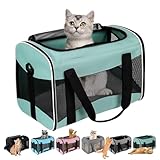
- [PRODUCT DIMENSIONS] Pet travel carrier size : 17x11x11 inches, recommended up to 15 lb pets, it is suitable for large, medium cats and small dogs. Please don't choose your airline cat carrying case based on weight, please refer to your pet's length and height when choosing a pet carrier size.
- [AIRLINE APPROVED] This cat carrier is designed with airline approved, it can fit comfortably under most flight seats, we can take our pets wherever we want. Dog travel carrier offers two attachment loop handles that can be used as a dual harness or as a luggage strap for balanced carry and secure transport.
- [EXCELLENT MATERIAL] Collapsible cat carrier is made of polyester fabric, supported by a steel ring, washable, wear-resistant and durable. The three sides and the top of this pet carrier are nylon mesh, scratch-resistant and not easy to damage, it can not only check your pet in real time, but also ensure enough air circulation.
- [SAFE AND COMFORTABLE] Dog travel bag has metal zippers on the top and side entrances, durable and not easy to deform, it allows your pets to enter and exit easily. The cat carrying case is equipped with an anti-escape safety buckle, which can effectively prevent pets from accidentally falling. It is suitable for car rides and vet rides.
- [PORTABLE AND FOLDABLE] Pet travel carrier comes with a detachable and hand washable wool pet bed, it can provide a comfortable sleeping space for your traveling pet. The cat travel case comes with an adjustable shoulder strap and handle for easy portability. When not in use, you can fold it up for storage.
The safe space is not a punishment area. It is a retreat where the pet can sleep, observe, eat, and recover without having to navigate the entire home at once. Everyone in the household should know that entering this space is optional for the pet and that resting animals are not to be disturbed.
Plan the first route through the house
Decide which door the pet will use, where leashes or carriers will be handled, and which rooms will remain off-limits. Close doors or install gates before the pet arrives. For a dog, have the leash attached before moving through an open area. For a cat, keep the carrier closed until it is inside the prepared room; open it there and allow the cat to come out on its own.
Coordinate the household
Agree in advance on feeding times, toilet breaks, quiet hours, who will provide care, and how introductions will be managed. Ask children to use calm voices and wait for an adult to invite contact. If resident animals live in the home, keep them physically separated at first rather than relying on an optimistic first greeting.
How do I pet-proof my house for a newly adopted dog or cat?
Pet-proofing means removing access to things the animal could chew, swallow, break, climb through, or use to escape. Work from the floor up and check both the indoor rooms and any outdoor area the pet may reach.
Secure escape routes and openings
- Latch exterior doors and windows, and check that screens are secure.
- Block stairways or rooms that are not part of the initial access plan.
- Inspect fencing, gates, and outdoor boundaries for gaps, loose panels, or damaged latches.
- Keep the carrier, leash, and collar equipment where you can reach them quickly without leaving an exit open.
Remove chewable, edible, and fragile items
- Put away shoes, clothing, children’s toys, craft materials, and small objects.
- Store human food, pet food, treats, and rubbish in closed containers.
- Move breakable decorations and unstable objects out of reach.
- Secure electrical cords and chargers so they cannot be pulled or chewed.
Check plants and household substances
Identify every houseplant and remove any that could be poisonous. Do the same inspection outdoors, including garden plants and materials left on the ground. Keep cleaning products, medicines, chemicals, and other potentially harmful substances behind a closed door or in a secured cabinet.
Use barriers deliberately
Gates, closed doors, and pens are management tools, not substitutes for supervision. They let you create a smaller, predictable territory while you learn the pet’s habits. A barrier is especially useful when you need to separate the new arrival from children, visitors, food preparation, or resident animals.
Free tools Windows power users keep installed
One-click scans. No signup required.
What supplies do I need before adoption day?
Buy and stage the basics before the pet arrives. The list differs by species because dogs need mobile containment and outdoor equipment, while cats need a private toileting and climbing environment.
Also popular on Amazon
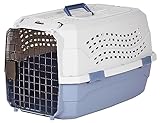
- Hard sided pet carrier with 2 doors for front and top entry; suitable for cat or medium size dog weighing 12 - 20 pounds
- Durable plastic construction with steel wire doors; screws keep the top and bottom sections securely connected
- Spring load latches ensure easy one-handed door opening and closing; top door swings open to the left or right and includes a top carry handle
- Plenty of air ventilation on the sides, top, and back of the carrier
- Note: Be sure to measure the size of the pet when choosing carrier size
| Preparation area | Adult dog | Adult cat |
|---|---|---|
| Food and water | Age-appropriate food, a food bowl, and a water bowl | Age-appropriate food, a food bowl, and a water bowl |
| Safe space | Bed plus a crate, pen, or gated room if that is part of the plan | Bed or bedding in a closed room, with hiding places and an elevated option |
| Containment and transport | Leash, collar, identification information, and a gate or other indoor barrier | Secure carrier and a closed room for the initial setup |
| Toileting | A planned toilet-break route and an easy-to-clean starting area | Litter box and litter, positioned away from food and water |
| Enrichment | Toys, treats, and suitable enrichment items | Scratching equipment and toys |
| Comfort and choice | A bed and a retreat where the dog can rest undisturbed | Soft bedding, hiding places, and a perch or other elevated space |
Dog-specific setup
Place the dog’s bed where it can retreat without being cornered. If you plan to use a crate, put it inside the safe room or gated sanctuary and leave it as a voluntary resting place unless an adoption professional has given you a specific management plan. Keep the leash, collar, and identification details together so they are ready for every transition through an open doorway.
Cat-specific setup
Set the litter box well away from food and water. Add at least one hiding place and one elevated option, such as a stable perch, so the cat can choose whether to stay concealed or observe from above. Put scratching equipment and toys in the room rather than expecting the cat to explore the rest of the house immediately.
How long should I keep my new pet in one room?
Keep the pet in the prepared area until it is showing enough comfort to handle a larger space; there is no universal number of hours or days. A cat should remain in its room until it is eating, drinking, using the litter box, and beginning to greet people. A dog may move to additional areas sooner or later depending on body language, sleep, appetite, and ability to follow a calm routine.
The Tool Desk
Outbyte Driver Updater FREEFix the driver behind crashes, sound loss and screen glitchesFind Drivers →Outbyte PC Repair FREERepair Windows errors before they cause bigger problemsFix Now →Use the first three days as a decompression period
The ASPCA describes the first three days as potentially overwhelming. Keep activity low, avoid unnecessary visitors and busy outings, and let the pet observe and rest. Offer food, water, toilet opportunities, and brief calm contact without demanding play or affection.
Expect learning over the first three weeks
During the next several weeks, the pet can begin to settle and learn the household rhythm. Add access one area at a time, keep the schedule consistent, and reward wanted behavior. If the pet becomes more withdrawn, frantic, or avoidant after an expansion, return to the last arrangement in which it was comfortable and slow the pace.
Allow months for trust and personality
Over the first three months, routine, trust, and personality may continue to develop. The three-day, three-week, three-month framework is a flexible guide, not a deadline. Asheville Humane Society notes that some pets may take up to three months to become comfortable, and an individual animal may need longer.
Toronto Humane Society describes the purpose of this period clearly: “We call it ‘decompression’ because it literally is about minimizing any pressure or expectations on the dog so they can rest, reflect and reboot, and have a clean slate for their new life.”
Also popular on Amazon

- High Quality Design:Sturdy steel cage structure and wooden support board maintain good spatial stability and shape. Breathable mesh windows on four sides,which can ensure good air circulation and views,make pets have a comfortable and safe travel.It can also be easy for you to check on your pets.There is a front pocket to store pet toys,treats,etc.
- Dimension and Weight:Made of durable tear-resistant fabric.Four easy entrances for pets. Dimensions: 17 inch x 11 inch x 11 inch (L*W*H), suitable for pets up to 16 lbs.Please don't choose your carrier based on weight only,consider your pet's length and height when choosing a carrier.
- Airline Approved & Safty:Can be placed under the seats of most airplanes(Four non-slip feet on the bottom to prevent movement), and comfortably on the seat next to you in a car or bus.It has a adjustable shoulder strap.Can also be fastened to the car seat with a safety belt or shoulder strap to keep your pet safe.
- Easy to Clean :You can clean the stains and dirt on the surface with a soft cloth.Soft mat inside the pet carrier is removable and washable.You can take it out and wash it easily to solve all stains.
- Easy to Collapsible & Lightweight:When not in use,fold it into a flat,space saving and easy to store.Only 2.2lbs,it's easier to carry around.It can also used as a toy of pet house,allowing pets to play in a safe space to relax and rest.
What should I do during the first 24 hours?
Make the first day deliberately uneventful. Your job is to provide safety, basic care, and information about how the pet responds—not to give a tour of the entire home.
- Enter through the planned route. Move directly to the safe room, keeping doors and gates controlled.
- Offer the prepared essentials. Provide water, the usual food when available, bedding, and the species-specific toilet setup.
- Allow a choice of distance. Sit quietly nearby, speak softly, and let the pet approach or remain hidden.
- Keep interactions brief. Avoid forced handling, crowded greetings, baths, parties, and unnecessary errands.
- Start observing patterns. Note when the pet eats, drinks, sleeps, toilets, explores, hides, or seeks contact.
- Protect sleep. End visits when the pet settles, and make sure everyone knows the sanctuary is a no-disturb zone.
How do I create a predictable routine for an adopted adult pet?
Repeat the same basic sequence each day: feeding, toilet opportunities, rest, gentle activity, and enrichment. Predictability helps the pet learn what happens next while giving you a way to notice changes in comfort.
Feed and toilet on a stable schedule
Use consistent locations for bowls and the litter box. For dogs, make toilet breaks part of the day’s planned movement rather than waiting for confusion or urgency. For cats, keep the litter box clean and accessible within the prepared room while the cat is still restricted there.
Balance activity with recovery
Choose quiet enrichment that fits the animal’s current confidence. A dog may receive short, calm opportunities to sniff and explore; a cat may investigate a scratching surface, toy, hiding place, or elevated perch. Stop before the pet becomes overwhelmed, and preserve long periods for uninterrupted rest.
Recommended Free Tools
Reinforce calm behavior
Reward choices you want repeated, such as resting, approaching voluntarily, checking in, or using the intended toilet area. Do not punish hiding, growling, hissing, or backing away; those behaviors provide information that the current distance, noise, or interaction is too much.
How do I introduce my adopted pet to resident animals?
Begin with physical separation, then progress through short, controlled interactions only when the animals are showing comfort. A friendly first look does not prove that unrestricted access is safe or sustainable.
Dog introductions
Give the new dog and resident animals time to adjust before arranging close contact. Use gates, doors, crates, or separate rooms to prevent accidental encounters. When you begin introductions, keep sessions short and calm, provide an easy retreat, and watch each animal’s body language. Add distance or end the session at the first clear sign of stress rather than waiting for a confrontation.
Also popular on Amazon

- Pet Carrier: 17.5” L x 11” W x 11” H, Recommended max load of 16 lbs cats small dogs. Please do not choose your carrier based on weight--please reference your pet's length and height in selecting a pet carrier size.
- Fits for under-seat dimensions of most airlines. Every airline has a specific set of rules and regulations, please contact with airline before flying with your cats small dogs.
- Mesh windows for ventilation, top and side entry with locking zippers for safety. Carrying handles, adjustable shoulder strap which can also be used as seatbelt, and back strap can fasten the pet carrier to your luggage.
- Pet carrier comes with a removable base insert, which creates a solid surface for your pet to stand on, along with a removable & hand washable cozy fleece pet bed, which offers a cozy sleeping space for your traveling cats small dogs.
- "Toys for pets, of textile materials". Mostly used as a Toy of Fabric Pet Home for pets playing and relaxing.
Cat introductions
American Humane recommends starting the new cat in a separate room containing food, water, litter, toys, and soft beds. Once the cat is settled, feed the animals on opposite sides of the closed door so they can associate the other animal’s presence with a routine resource. Gradually progress to brief visual or shared-space sessions, keeping a retreat available at every stage.
Read body language instead of using a calendar
Look for voluntary approach, relaxed movement, normal eating and toileting, and the ability to disengage. Stress can appear as persistent hiding, retreating, stiff or frantic movement, repeated vocalizing, or inability to settle. These signs mean you should increase distance, shorten the session, or return to the previous step.
Manage resources during shared time
Keep food, water, beds, litter boxes, and favorite resting places arranged so animals do not have to compete. Supervise shared access and continue using barriers when you cannot watch. Expand time together only after repeated calm sessions, not because a single interaction went well.
How should I expand my pet’s access to the house?
Open one additional area at a time after the pet is reliably eating, resting, toileting, and recovering from ordinary household activity in the safe space. Keep the original sanctuary available even after other rooms are open.
Use small, reversible steps
- Open a single nearby room while keeping other doors closed.
- Stay present and let the pet explore without pulling, carrying, or chasing.
- Return to the safe space before fatigue or overstimulation builds.
- Repeat the same area on later days before adding another.
- Restore barriers if the pet begins hiding, pacing, guarding, or avoiding normal care.
Keep exits and equipment ready
Dogs should have a leash and identification information ready whenever an exterior door may open. Cats should have a secure carrier available for any necessary move. Do not leave a newly adopted animal loose near an open front door, balcony, window, or unverified fence.
What problems should I plan for during decompression?
Most early difficulties are easier to manage when you reduce pressure rather than adding more activity. Use the following responses as a decision guide.
- The pet hides: Keep food, water, and toilet facilities accessible, reduce noise and visitors, and allow the animal to emerge voluntarily.
- The pet seems overwhelmed by a room: Close off extra space and return to the last area where it could rest and engage with basic care.
- A resident animal rushes the barrier: Increase physical distance, reinforce calm separation, and postpone the next introduction step.
- The dog cannot settle: Lower stimulation, provide the sanctuary, and keep interactions brief and predictable rather than adding strenuous activity.
- The cat avoids the litter area: Recheck that the box is in the prepared room and away from food and water, then reduce pressure and observe whether the cat begins using it.
- Household members disagree about access: Return to the written plan for rooms, feeding, visitors, and introductions so the pet receives consistent handling.
When should I arrange follow-up support?
ASPCA advises making a veterinary appointment after adoption. Bring the adoption records and a written log of eating, drinking, toileting, sleep, and behavior so the appointment can address the pet’s transition as well as routine care.
Also popular on Amazon

- AIRLINE APPROVED CARRIER - With airline-approved design, you can take your pet to go to everywhere. This pet carrier provides two connecting loop handles for balanced carrying as a dual seat belt or luggage strap to secure transport
- SAFETY DESIGN - The adjustable shoulder strap help you hands-free carrying and makes it more safe and convenient pet carrier bag for your travel
- DURABLE - This cat carrier is made of durable and lightweight polyester fabric. The four-side mesh will not only give a safe and comfortable travel for your pet, but also easy for you to check on your pet
- PORTABLE & FOLDABLE - This dog carrier is easy to carry and store, which has a padded shoulder strap and handles
- BOTH SIZES AND WEIGHTS - The mediun cat carrier is designed for small and medium pets within 15" x 9" x 9"(smaller than product) and 15 lbs. Please do not choose your carrier only based on weight. Reference your pets' length and height in selecting a carrier size.If carried on board, the maximum dimensions should not exceed 18IN*11IN*11IN.
For dogs, Ontario SPCA advises seeking a trainer who uses positive reinforcement when you need help with skills or behavior. Choose support that preserves the pet’s sense of safety and gives you practical management steps for the home.
What is the difference between preparing for an adult dog and an adult cat?
The same principles apply—controlled access, hazard removal, quiet routines, and gradual introductions—but the physical setup and containment method differ.
Outdated Drivers Are Slowing You Down
One free scan finds every outdated or missing driver and matches the right update for your exact hardware.Free scan · exact hardware matchWindows Errors? Fix Them Before They Spread
Repair common Windows errors and clear accumulated junk for a smoother, more stable PC - no reinstall needed.Free scan · no reinstall| Decision | Dog | Cat |
|---|---|---|
| Safe-space design | Gated room, pen, or room with a crate if appropriate | Closed room with hiding places and an elevated option |
| Containment | Leash, collar and identification, gates, and controlled doors | Carrier for transport and a closed room for initial access |
| Toileting | Planned toilet-break route | Litter box kept away from food and water |
| Enrichment | Toys, treats, and suitable enrichment items | Scratching equipment, toys, hiding places, and vertical choice |
| Transport | Leash and secure collar or identification setup | Secure carrier |
| Resident-pet introductions | Separate first, then short sessions guided by body language | Separate room, opposite-side feeding at the door, then gradual interaction |
Thinking in these categories prevents a common mistake: buying generic supplies while overlooking the way each species moves through the home. A dog’s setup must control doorways and outdoor transitions; a cat’s setup must protect a private litter area and provide hiding and elevated choices.
Adoption-day checklist
- Quiet room or gated area selected and cleared.
- Food, water, bed or bedding, and species-specific supplies placed inside.
- Doors, windows, cords, plants, fencing, and barriers checked.
- Chewable, edible, fragile, and poisonous items removed or secured.
- Dog leash, collar, and identification information ready.
- Cat carrier, litter box, litter, scratching equipment, hiding place, and perch ready.
- Resident animals separated before the new pet enters.
- Household members briefed on quiet hours, sanctuary rules, and visitor limits.
- First veterinary appointment planned, with adoption records available.
Frequently Asked Questions
Can I leave my newly adopted adult pet alone on the first day?
Avoid making a long absence part of the arrival routine if you can. If you must leave, confine the pet to the prepared, hazard-free sanctuary with water and the appropriate toilet setup, and keep the departure and return quiet.
Should I change my adopted pet’s food immediately?
Keeping the food familiar during the initial transition can reduce the number of changes happening at once. Ask the shelter or previous caregiver what the pet has been eating, and make any later change gradually with veterinary guidance.
How can I tell whether my pet is ready to meet visitors?
Look for consistent eating, drinking, toileting, resting, and voluntary interaction in the safe space first. Start with one calm person at a time, let the pet choose the distance, and end the visit before signs of stress appear.
What’s actually slowing this PC down?
Pick the symptom - the matching free tool is one click away.
Is it safe to let a new cat roam outdoors after adoption?
Do not make outdoor access part of the initial decompression plan. Keep the cat inside the prepared room and then the home while it learns the household routine; use a secure carrier for necessary transport.
Quick Recap
Product prices and availability are accurate as of the date/time indicated and are subject to change. Any price and availability information displayed on Amazon at the time of purchase will apply.





Leave a Reply