
The Tool Desk
Outbyte PC Repair FREERepair Windows errors before they cause bigger problemsFix Now →Outbyte Driver Updater FREEScan for outdated or missing drivers - takes under a minuteDriver Scan →Some links on this page are affiliate links: if you buy through them we may earn a commission, at no extra cost to you.
Prepare for an adoption meeting by making the setting quiet, keeping your dog’s routine predictable, bringing only equipment the organization approves, and allowing the dog to choose the pace of contact. If your household already has a dog, plan a controlled parallel walk on neutral ground rather than a rushed greeting. Bring every person who will be responsible for the dog when the shelter permits it, and treat the meeting as information-gathering—not a performance the dog must pass.
This guide covers meetings at shelters, foster homes and other locations. It assumes you may be meeting a dog you hope to adopt and, where relevant, introducing that dog to your resident dog or children.
As an Amazon Associate I earn from qualifying purchases.
Free tools Windows power users keep installed
One-click scans. No signup required.
What should a successful adoption meeting accomplish?
A useful meeting gives the dog enough safety and choice to show ordinary behavior, while giving your household accurate information about compatibility. The goal is not to make the dog obey strangers immediately. It is to observe how the dog responds to space, handling, adults, children, other animals and ordinary household questions under conditions the shelter considers safe.
RSPCA guidance notes that spending time together helps everyone feel confident before a final decision. Some dogs, especially those joining homes with children or other pets, benefit from several visits rather than one high-pressure encounter.
Popular on Amazon

- Engineered for Ultimate Strength: Constructed from 1/2 inch diameter rock climbing rope, this heavy duty dog leash is distinctively durable and strong. It is designed to withstand the strongest pulls from large and energetic dogs, giving you peace of mind that your pup won't break free during walks
- Comfortable Padded Handle: Say goodbye to rope burn. Our soft, cushioned foam handle provides an amazing grip and protects your hands from sudden tugs. Enjoy longer walks and extended training sessions with total comfort, even if your dog is a puller
- Maximum Nighttime Visibility: Highly reflective threads are woven through the entire length of the rope (not just painted on), keeping you and your fur baby visible to passing cars and cyclists during early morning jogs or late-night strolls. Perfect for urban streets and low-light environments
- Tangle-Free 360° Swivel: Featuring a heavy-duty metal clasp that rotates 360 degrees, this ensures the rope never gets twisted or tangled, no matter how much your dog moves around. The zinc alloy hook is rust-proof and easy to clip onto any dog collar or harness in seconds
- Versatile for Any Activity: Park walks, trail hikes, or yard training. Offers ideal balance of freedom and control. Comes in 4ft, 5ft, 6ft lengths and 12 colors. 3/8" diameter suits small to medium dogs – lightweight and non-bulky. For medium and large dogs, choose 1/2" diameter
How should I prepare before the meeting?
Confirm the location, rules and people attending
Ask whether the meeting will be at the animal centre, a foster home or another quiet location. The setting affects what you can observe: a foster home may reveal more home-based behavior, while a shelter may offer more staff support and controlled equipment. Confirm arrival time, maximum visitors, where vehicles should park, whether children or resident dogs may attend, and which supplies or foods are prohibited.
Shelter instructions override your personal preferences. Some organizations provide leads, collars, treats or barriers and do not allow outside food or equipment. Ask what you should bring instead of assuming that your usual gear is acceptable.
What’s actually slowing this PC down?
Pick the symptom - the matching free tool is one click away.
Keep the dog’s routine familiar
In the days before the appointment, avoid unnecessary changes to feeding, exercise, sleep and toileting schedules. ASPCApro recommends a familiar space or scent, clear positive language, grooming, predictable routines, “fly-by treats” and rewards for keeping all four paws on the floor. These preparations make the meeting easier to read because the dog is not coping with several avoidable changes at once.
Grooming should be practical, not elaborate. A clean pet looks and feels better, but a bath, clipping session or unfamiliar grooming tool immediately before the meeting can add stress. Use handling the dog already knows, and tell staff about any grooming or medical sensitivities.
Plan your own behavior
Decide in advance that you will stand or sit calmly, leave space around the dog and wait for voluntary approach. Ask one adult to be the primary handler so instructions do not conflict. Other people can observe quietly and take notes if the organization allows it.
Also popular on Amazon

- Upgrade: The product has been modified to use nylon thread directly sewing, very strong.All handles was sewn onto the leash instead of the cord ties.Package includes: frosted zipper bag,two handles dog leash.
- MAXIMUM TOUGHNESS AND DURABILITY: Nearly 2X thicker and stronger than standard dog leashes. 3mm thick and 1” wide with tightly webbed nylon for enhanced rugged construction.
- DUAL HANDLES FOR TOTAL CONTROL: Soft Neoprene and padded handle, comfortable than ever ;Equipped with an extra traffic handle for amazing control. Use the standard handle for those casual dog walks or quickly grab the built in traffic handle to guide your pup through crowded areas with ease.
- 360° Rotating Clasp: Swivel clasp prevents the leash from twisting and dog getting tangled. Heavy-duty metal clasp makes our training leashes last longer than most ones. Premium components for maximum strength
- BE SAFE AND VISIBLE AT NIGHT: Luminous reflective threading keeps you both safe and visible on your late-evening walks. Enjoy a large 2” heavy duty clip for added safety and thick D-ring to attach your favorite dog training clicker or dog poop bag holder.Packaging details:Frosted zipper bag,Dog leash with D ring
Use ordinary language and a relaxed voice. Avoid bending over the dog, reaching over its head, hugging, cornering or repeatedly calling it to perform. A dog that looks away or takes a few minutes to approach is communicating, not failing an audition.
Do these 3 things before closing this tab:
1Repair Windows errors before they cause bigger problems2Scan for outdated or missing drivers - takes under a minute3Clear out junk files and repair common Windows errorsPrepare health and household information
Bring a concise list of your household’s facts: resident animals, children’s ages, work schedules, stairs or outdoor access, and the time the dog might be left alone. Be ready to describe exercise, training, medication and veterinary support you can provide. Accurate information helps staff match the dog to your circumstances rather than to an idealized version of your home.
What should I bring to an adoption meeting?
Bring only items the organization has approved. The following checklist reflects RSPCA and Ontario SPCA guidance, but local rules take priority.
| Item | Why it helps | Check before arrival |
|---|---|---|
| Secure collar with identification tag | Provides a safe attachment point and visible identification. | Confirm the fit and ask whether the shelter supplies or requires a particular collar. |
| Sturdy lead | Supports controlled movement without relying on a fragile or retractable line. | Use the organization’s equipment if required; inspect clips and stitching. |
| Small training treats | Allow reward-based preparation and voluntary attention. | Ask whether outside food is permitted and whether the dog has dietary restrictions. |
| Household notes and questions | Helps you discuss triggers, routines, medical care and support consistently. | Keep the list short enough to use during a busy appointment. |
| Second handler, if another dog is involved | Lets one adult manage each dog during a parallel walk. | Choose a calm adult who can follow staff directions. |
Do not bring toys, chews or other potentially valuable objects unless staff specifically request them. You do not yet know whether either dog guards resources, and a dropped item can create conflict during an introduction.
How do I begin the first interaction with the rescue dog?
- Let staff set the environment. Start in the quiet or familiar space they select. Staff know the dog’s history, current arousal level and the site’s escape routes, barriers and safety procedures.
- Arrive calmly and pause. Stand or sit at an angle rather than approaching head-on. Keep your hands still and give the dog a clear path to retreat or investigate.
- Offer choice. Let the dog approach, sniff or remain at a distance. Reward voluntary attention or a calm greeting only when staff approve the treat and handling plan.
- Keep the lead loose. A tight lead can restrict movement and add frustration. Hold enough slack for safe control while avoiding constant tension, as Best Friends guidance recommends.
- Use brief, readable contact. If the dog solicits touch, stroke the shoulder or chest briefly and pause. Watch whether the dog moves closer, stays loose or asks for more space.
- Pause before changing the setup. Moving indoors, adding people, introducing a child or bringing in another dog should happen only when staff judge the current interaction stable.
Do not test the dog by taking food, forcing a hug, staring into its eyes, waking it, crowding it in a corner or provoking a reaction. A meeting should reveal useful behavior without manufacturing a crisis.
Crashes, No Sound, or Screen Glitches?
Random freezes, missing sound and display glitches usually trace back to one bad driver. Find and replace yours safely.Free scan · under a minuteWindows Errors? Fix Them Before They Spread
Repair common Windows errors and clear accumulated junk for a smoother, more stable PC - no reinstall needed.Free scan · no reinstallAlso popular on Amazon
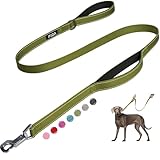
- 【ADVANCED EASY HOOK】- This metal clasp is designed super easy and quick to clip on the D-ring, Just hold this clasp and lightly slide it over the D-ring, and automatically it locks. Meanwhile, 360° rotating, heavy-duty rustproof swivel alloy clasp, effectively avoids the leash twisting and tangling.
- 【STRONG & DURABLE LEASH】- The premium dog leash is made of high-strength nylon with new stitching, Nearly 2X thicker and stronger than standard leash. 1” width and tight sewing provide maximum durability and last. Great for large, medium, and even some small breeds of dogs. A must-have dog leash for walking, training, jogging and hiking.
- 【DUAL HANDLES SOFT PADDED】- The soft neoprene padded handles ensure comfortable grip than ever and No More Rope Burn when your dog pulling; The traffic handle near your dog's collar provides extra, quicker, and more securely control in an emergency.
- 【REFLECTIVE AT NIGHT】- The reflective threads on the leash provide more safety and visibility in the early of morning and late at night.
- 【100% Satisfaction Guaranteed】- We're confident you'll love this dog leash. And we commit 30 days full money back with no reason. It is worth having this amazing dog leash for all pet lovers. If you have any questions, do not hesitate to contact us at any time, our service team will provide the best solution within 24 hours.
How can I tell whether the dog is comfortable?
Read the whole body and the situation, not one isolated signal. A brief glance followed by looking away can be polite communication. Staff can help distinguish ordinary caution from a safety concern, especially when the dog’s history is incomplete.
| What you may see | Likely meaning in context | What to do |
|---|---|---|
| Loose body, normal movement, soft eyes, voluntary approach, sniffing and easy disengagement | The dog may be comfortable enough to continue at the current pace. | Keep the interaction quiet and let the dog choose whether to re-engage. |
| Repeated looking away, lip licking, yawning, hiding, pacing, freezing briefly or refusing treats | Possible uncertainty or rising stress; these signs need context. | Increase space, reduce demands and ask staff whether to pause. |
| Stiff body, hard stare, raised hair, bared teeth, growling, lunging or a sudden inability to disengage | A clear reason to treat the interaction as unsafe at that distance. | Stop advancing, create distance and follow staff instructions. Do not punish the warning. |
Stiffness, hard staring, raised hair, bared teeth and lunging are reasons to create distance and pause, according to Best Friends guidance. A loose lead does not make a tense dog safe; distance and professional judgment matter more than completing a greeting.
How do I introduce my resident dog to a rescue dog?
Do not improvise a face-to-face greeting at the shelter entrance or at home. Ontario SPCA recommends leaving the resident dog at home for pickup, using a second handler and meeting on neutral territory. AAHA likewise recommends an outdoor meeting in which both dogs walk in the same direction while distance closes gradually.
Set up the parallel walk
- Use two calm adults. One person handles each dog with a sturdy, slack lead. Remove retractable lines or equipment that makes distance difficult to control.
- Start with space. Ontario SPCA guidance suggests about 2 to 4 metres apart; Best Friends suggests beginning 8 to 10 feet apart. These are procedural starting points, not universal safety thresholds. Staff should adapt the distance to the dogs, the site and what their body language shows.
- Walk in the same direction. Avoid allowing the dogs to rush together. A parallel path gives each dog room to look, sniff and move away without being trapped in a direct confrontation.
- Reward calm behavior when permitted. Mark relaxed walking, checking in with the handler and choosing to disengage. Keep food out of the interaction area if dropped treats could create conflict.
- Close distance in small increments. Move nearer only while both dogs remain loose and responsive. If either dog stiffens, stares, raises its hair, bares teeth or lunges, increase distance immediately.
- Try closer contact only with approval. A brief monitored interaction or play session is appropriate only when both dogs remain relaxed and staff or handlers judge it safe.
Never drag one dog toward the other, wrap leads around people or allow a direct rush. If the dogs cannot relax at the starting distance, that is useful information: stop the introduction and ask the organization what a second assessment should involve.
Quick wins for a faster PC:
Scan for outdated or missing drivers - takes under a minuteDriver Scan →Repair Windows errors before they cause bigger problemsFix Now →Fix the driver behind crashes, sound loss and screen glitchesFind Drivers →Should my children come to the adoption meeting?
Bring children and other responsible household members when the organization requests or allows it. Humane Society of Utah recommends involving everyone who will be responsible for the dog, while Ontario SPCA and other shelter guidance stress active supervision and respectful interaction.
Also popular on Amazon

- 【Strong & durable】This heavy duty dog leash is made of 1/2-inch diameter rock climbing rope which is reinforced with durable woven design, Remaining tough enough to hold back your pup.
- 【Comfortable to Hold】Special soft padded handle design provide extra comfort, which provides a firm grip. Enjoy the feeling walks with your dog and protects your hand from rope burn for amazing comfort and control.
- 【Reflective Rope Leashes】Highly reflective threads keep high visibility at night for safety. It will ensurethat your dog will be seen at night and in low light situations.
- 【Upgraded 360°Swivel Lockable Hook】The Nickel-plated zinc alloy clip swivels to resist twisting, So you can say goodbye to the eliminate the trouble of chain entanglement during outside walks, training, and play.
- 【4/5/6 FT Training Leash】2 Pack Pet Leashes comes in a variety of lengths and widths to accommodate all breeds. It's the best choice for training leashes for large dogs or medium dogs, give enough freedom to your dog and everythin.
Prepare children before arrival
- Explain that the dog may need space and may choose not to be touched.
- Teach children to stand still, use quiet voices and wait for an adult to invite contact.
- Prohibit hugging, climbing, chasing, face-to-face staring, taking food or toys, and waking a resting dog.
- Assign an adult to supervise continuously; do not rely on a child to interpret warning signals.
Ask staff how the dog has behaved around children, adults, handling, noise, food, toys and confinement. If the dog’s history is incomplete or the meeting becomes too stimulating, schedule another visit rather than guessing how the dog will behave at home.
What questions should I ask shelter staff?
Use open, specific questions and ask for examples rather than a single label such as “good with dogs.” The answers may come from shelter observation, a foster home or an incomplete history, so ask what is known and what has not been tested.
Behavior and triggers
- What is known about the dog’s history, triggers and preferred handling?
- How does the dog respond to adults, children, visitors, unfamiliar dogs, cats, noise, grooming, food, toys and confinement?
- What signs show that the dog needs a break, and what helps it recover?
- Has the dog lived in a home or foster setting, and what behavior was observed there?
Daily care and health
- What exercise, training, medication and veterinary follow-up will be needed?
- What feeding routine, sleep arrangement and alone-time limits are currently known?
- Are there medical records, behavioral assessments or restrictions that should be reviewed before deciding?
Adoption process and support
- What introduction, decompression period and follow-up support does the organization require after adoption?
- What are the application, home-check, fee, timing and return policies?
- Who should you contact if behavior changes during the first days or weeks?
ASPCA notes that each organization sets its own process, fees and timing. Get those details in writing when possible so a promising meeting does not create a preventable disagreement later.
Should I decide after one meeting or schedule another visit?
Choose another visit when the dog is too stressed to show representative behavior, when a key household member or resident animal was absent, or when important history remains unknown. RSPCA specifically notes that several visits can help when children or other pets will be part of the home.
An immediate decision may be reasonable when the organization’s process is complete, the dog remains relaxed enough to observe, all required people and animals have been assessed, and you understand the care and support commitments. Do not interpret a quiet dog, a poor first greeting or a highly enthusiastic greeting as a complete prediction of life at home. Ask staff what additional information they need before approving the match.
Also popular on Amazon

- 1-Second Auto-Lock Frog Clip:Experience the security of tactical gear. Our Quick-Release Frog Clip holds tight under extreme pull without accidental opening. It features a 1-second auto-lock mechanism—simply push to snap shut. The 360° rotatable swivel ensures a tangle-free walk, preventing twists even when your dog circles around you
- Zero-Shock Bungee Technology:No more socket-popping jerks. This bungee absorbs kinetic energy from strong dogs (up to 200 lbs), effectively reducing strain on your wrist and shoulder. It allows enough freedom for exploration while turning painful lunges into cushioned tugs, protecting both you and your dog's neck
- Dual Handles for Total Control:Use the Padded End Handle for relaxed daily walking, protecting your hands from rope burn. When navigating busy sidewalks, bike lanes, or crowded areas, switch to the Soft Rubber Traffic Handle near the collar. It provides a non-slip, commanding grip to keep your dog strictly by your side for instant emergency control
- Reflective Safety and Car Ready:Designed for seamless transitions. For night walks, Double-Sided Reflective Threads keep you visible to traffic. For drives, skip the hassle of switching leashes—simply insert the built-in Universal Seat Belt Tab directly into your car’s slot. This instantly secures your dog in the back seat to prevent driver distraction
- Built for Strength (200 lbs):Crafted from high-density nylon, this leash is sturdy enough to withstand pulling forces up to 200 lbs. Includes a D-ring for hanging poop bags or keys. IMPORTANT: While built for extreme tension, this fabric leash is NOT chew-proof. Please do not leave your dog unattended with the leash to prevent chewing damages.
What are the most common meeting mistakes?
| Mistake | Why it causes trouble | Better response |
|---|---|---|
| Arriving with unapproved food or equipment | It can violate shelter rules or create a safety issue. | Confirm supplies in advance and use what staff provide. |
| Forcing a greeting or prolonged eye contact | The dog loses the ability to retreat and may escalate from discomfort. | Angle your body, wait quietly and reward voluntary approach. |
| Keeping the lead tight | Restricted movement can increase frustration and obscure body language. | Maintain safe slack and adjust distance instead of pulling. |
| Introducing resident dogs nose-to-nose | A direct rush removes distance and can trigger conflict. | Use two handlers and a neutral parallel walk. |
| Letting children manage the interaction | Children may miss subtle warnings or continue when the dog needs space. | Use active adult supervision and clear rules. |
| Hiding difficult information | Staff cannot match the dog accurately if household limits are understated. | Describe schedules, animals, children and constraints honestly. |
| Deciding from a single behavior | Stress, novelty and the setting can distort what you observe. | Consider the full pattern and schedule another visit when information is incomplete. |
What should I do immediately after the meeting?
Before leaving, write down what you observed and what staff said while details are fresh. Separate direct observations—such as “the dog moved away when touched”—from assumptions about why they occurred. Record which situations were not tested, including contact with cats, children, food or being left alone.
Ask for the organization’s next steps, required decompression plan, introduction rules and support contact. If you adopt, follow its instructions rather than adding several new experiences at once. If you do not proceed, give staff factual feedback about what you saw; it can improve future matching without labeling the dog unfairly.
Recommended Free Tools
Adoption-meeting checklist
- Confirm the location, time, visitor rules and approved equipment.
- Ask whether children, a resident dog or other household members should attend.
- Keep the dog’s routine, familiar scent and handling predictable.
- Pack an approved secure collar, identification tag, sturdy lead and small treats.
- Choose one calm primary handler and, for dog introductions, a second handler.
- Let the dog approach; avoid crowding, hugging, staring and forced contact.
- Use a loose lead and reward calm behavior only when staff approve.
- Pause and create distance at stiffness, hard staring, raised hair, bared teeth or lunging.
- For resident dogs, meet on neutral ground and begin with a parallel walk.
- Ask detailed questions about history, triggers, care, health, support and return policy.
- Schedule another visit when stress or missing information prevents a fair assessment.
Frequently Asked Questions
Can I bring my own dog’s favorite toy to the meeting?
Only if the organization specifically asks you to. A toy can become a contested resource when the dogs’ guarding history is unknown, so staff may prefer an empty meeting area.
What if the rescue dog never approaches me?
Do not interpret distance as a permanent personality verdict. Tell staff what you observed and ask whether a quieter space, a shorter session or a second visit would provide better information.
How do I know whether a foster-home meeting is better than a shelter meeting?
Neither location is automatically better. A foster home may offer familiar routines and household observations, while an animal centre may provide more staff control; choose the setting the organization says is safest and most informative for that dog.
Who decides whether the resident dogs can have off-lead play?
The organization’s staff or designated handlers should make that decision after observing both dogs at close range. Continue only if both remain relaxed and the site has a safe, supervised setup.





Leave a Reply