
The Tool Desk
Outbyte Driver Updater FREEScan for outdated or missing drivers - takes under a minuteDriver Scan →Outbyte PC Repair FREERepair Windows errors before they cause bigger problemsFix Now →Some links on this page are affiliate links: if you buy through them we may earn a commission, at no extra cost to you.
Preventing behavior problems after adoption starts with reducing pressure, making the home predictable, and setting up resources before the cat needs them. Give the newcomer a quiet base room for the first few days, let the cat choose when to interact, and keep routines consistent over the first three weeks. Provide correctly placed litter boxes, legal scratching surfaces, hiding places, and vertical space. Treat new house-soiling or sudden aggression as possible medical problems until a veterinarian has checked the cat. In homes with other cats, separate the newcomer and use a gradual introduction rather than letting the cats fight.
What should I do during the first three days after adoption?
Assume the cat is nervous and overwhelmed. ASPCA adoption guidance describes the first three days as a decompression period: keep the environment calm, offer a predictable routine, and do not force contact with people or other pets.
As an Amazon Associate I earn from qualifying purchases.
Set up a quiet base area
Prepare one low-traffic room or section of the home before the cat arrives. It should contain food, water, a litter box, a comfortable resting place, hiding options, and a way to retreat from approaching people. Keep food and water away from the litter box. Close unsafe gaps, secure windows, and remove fragile or toxic items.
Take the cat directly to this area and open the carrier. Leave the door open so the cat can come out voluntarily. Sit quietly, speak softly, and avoid reaching into a hiding place. If the cat stays hidden, that is information about its stress level, not disobedience.
Popular on Amazon
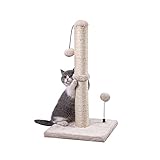
- Premium Quality Materials - This product is made of 100% natural sisal hemp.The base and top is a weighted MDF covering the carpet.Nature High Quality Sisal Safe Plush Long Lasting Usage Stable basement, never tip over easily.
- Protect your furniture - Grab sticks and plush toys combine to attract cats to play and grab, natural sisal is suitable for cats to grab, effectively preventing cats from grabbing furniture
- Designed for indoor use - Neutral colors work well with existing decor in your home.ideal for any living room, bedroom, or home office
- 22"Tall Cat Scratching Post -11.8 x 11.8 x 22 Inches,design for kitties or smaller cats.
- Easy Assemble - ust screw all parts together,Assemble needed, all tools and instructions included.Please contact us if you have any further questions.
Use the cat’s behavior to set the pace
Hiding, crouching, avoiding contact, and dilated pupils are stress signals. Reduce the pace if you see them: shorten visits, lower noise, and postpone introductions. Do not carry a frightened cat toward family members or resident pets. Let the cat decide when to eat, explore, approach, and retreat.
How should the first three weeks be structured?
After the initial decompression, maintain the same feeding, cleaning, sleep, and quiet-time pattern each day. ASPCA guidance recommends consistent routines, positive reinforcement for desired behavior, gradual basic training, and relationship-building over the next three weeks.
Make daily events predictable
- Feed at regular times and keep the food and water stations in stable locations.
- Clean litter boxes on a dependable schedule rather than only after an accident.
- Offer short play sessions when the cat is alert, then allow an undisturbed rest period.
- Invite interaction with a toy or treat; stop when the cat turns away, stiffens, or retreats.
- Reward calm approach, use of a scratching surface, and relaxed behavior with a treat, play, or gentle attention the cat enjoys.
Do not punish mistakes. Punishment can increase fear and aggression, while environmental changes and rewards teach the behavior you want.
What should I prepare before behavior problems start?
Resource placement prevents many conflicts. Set up each need so the cat can reach it without passing a frightening person, another cat, or a dead-end corner.
| Resource | Preventive setup | Why placement matters |
|---|---|---|
| Litter boxes | One per cat plus one extra; add boxes on different floors when needed. | A cat should not have to cross another cat’s territory or climb stairs to eliminate. |
| Food and water | Separate from litter boxes and distribute stations in multi-cat homes. | Eating near waste or a guarding cat can make a cat avoid the station. |
| Hiding places | Provide covered beds, boxes, and other retreats in the base area and common rooms. | Choice and escape routes reduce the pressure that triggers defensive behavior. |
| Resting and elevated areas | Use stable cat trees, shelves, or other safe perches. | Vertical distance lets cats observe one another without direct contact. |
| Scratching outlets | Place sturdy posts or pads beside furniture and doorways the cat targets. | Convenience and location make the acceptable surface more likely to be used. |
Ask the shelter or previous caregiver which litter, tray style, and tray location the cat used. Also ask about any history of house-soiling or aggression. Reproducing familiar conditions removes avoidable changes during an already stressful move.
How do I prevent litter-box problems?
At least 10% of all cats develop elimination problems, according to ASPCA (the page does not state a publication year). Medical illness, dislike of the box or litter, an inaccessible or stressful location, household changes, and conflict with another cat can all contribute. A veterinary check comes before assuming the cause is behavioral.
Quick wins for a faster PC:
Fix the driver behind crashes, sound loss and screen glitchesFind Drivers →Repair Windows errors before they cause bigger problemsFix Now →Also popular on Amazon
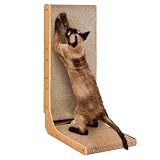
- HIGH QUALITY MATERIALS: The surface of the cat scratching board is made of non-toxic and high-density corrugated paper, which is durable enough to withstand cat scratching.
- INNOVATIVE DESIGN: Our cat scratcher for indoor cats features an L-shaped design. Please place it against wall and sofa to protect your furniture. The L-shaped cat scratcher provides more scratching area for cats to scratch in a variety of positions.
- MULTIFUNCTIONAL USE: Cats can scratch, relax and stretch on our cardboard cat scratcher. Our cat scratch pad also comes with a toy ball to play with. It provides a safe and comfortable environment for cats.
- MULTIPLE SIZES: We offer three sizes of cat scratching pad for you to choose from. The smallest size is specially for kittens. No matter what size your cat is, it enables your cat to scratch and play to its heart's content!
- EASY INSTALLATION: Our cat scratching board adopts a simple installation method and comes with instructions and necessary tools. We also provide an installation video so that you can install it quickly and easily.
Choose enough boxes and the right locations
Use one box for every cat, plus one additional box. In a multi-story home, place boxes on each level as needed rather than making a cat travel to one floor. Choose large, easy-entry boxes in quiet locations where the cat can see approaching people or animals and still has an escape route. Avoid placing a box in a closet, beside a loud appliance, or in a narrow passage where another pet can block the exit.
Start with a neutral litter choice
Begin with about one to two inches of unscented, clumping litter. If the cat avoids it, test preferences rather than forcing a switch: offer different textures or litter types in side-by-side boxes and observe which one is used. Keep the box style and litter consistent while you test, so you can identify the variable the cat accepts.
Keep boxes clean and accidents from becoming habits
Scoop at least daily. Wash boxes regularly with warm water and unscented soap or baking soda. Clean accidents with an enzymatic pet-accident cleaner; avoid ammonia-based products because their odor can attract repeat urination. Keep food and water away from every litter box.
What should I do if the cat eliminates outside the box?
- Arrange a veterinary examination to rule out medical causes, as recommended by ASPCA and VCA.
- Record where and when the accident occurred, the surface used, and any changes in appetite, drinking, stool, or urination.
- Increase access to clean boxes and place a box near the preferred accident area temporarily.
- Review whether another pet, a child, a noisy appliance, or a blocked exit makes the current box feel unsafe.
- Use enzymatic cleaner on every contaminated area and keep the cat’s food and water elsewhere.
Do not scold, carry the cat to the box, or shut the cat in a box as punishment. Those actions can make the box more frightening and delay diagnosis of illness.
Free tools Windows power users keep installed
One-click scans. No signup required.
How can I stop scratching without punishing the cat?
Scratching is normal exercise, communication, and claw maintenance. The goal is to move it to an acceptable surface, not to stop it entirely.
Match the outlet to the target
Put a stable scratching post or pad directly beside the sofa, chair, wall corner, or doorway the cat targets. A post that wobbles or tips over will be rejected. Offer more than one texture or orientation if necessary, and reward the cat immediately for using the legal surface.
Also popular on Amazon

- Scratching post provides a place for cats to sharpen their claws and keep nails healthy
- Includes a single pillar scratching post in neutral colors with a replaceable dangle toy
- Natural jute fiber provides an optimal scratching surface
- Sturdy wood base helps prevent the post from tipping
- Ideal for redirecting cats away from scratching household carpet or furniture; spot clean as needed
Protect furniture while the habit changes
VCA notes that plastic, foil, or double-sided tape can deter scratching on a protected surface, but these measures work only when a comfortable alternative is available nearby. Cover the target temporarily, keep the scratching option accessible, and reward each use of it. Never use physical punishment: it can create fear or aggression and does not tell the cat what to scratch instead.
Why is my new cat hiding, and how do I help?
Hiding is often a normal response to the move, unfamiliar smells, and unfamiliar people. Give the cat controlled choices rather than pulling it out.
Make hiding safe and temporary
Provide approved retreats such as covered beds or cardboard boxes, including one in the base area and additional options in shared rooms. Block dangerous hiding spaces where you cannot reach the cat, but never remove every hiding option. Place food, water, and a litter box so the cat can use them without crossing an exposed room.
Build confidence through voluntary contact
Spend quiet time in the room without staring or reaching. Read aloud, toss a treat nearby, or move a wand toy gently at a distance. End the interaction while the cat is still calm. As the cat begins to explore, expand access one area at a time instead of opening the whole home at once.
How do I introduce an adopted cat to a resident cat?
Separate the cats initially and proceed through gradual stages. The Humane Society of the United States states that cats do not “work things out”; allowing fights usually increases fear and conflict. VCA recommends a separate area for the new cat and several days or more at each step, slowing down whenever either cat shows stress.
Stage 1: separate resources and health checks
Keep the newcomer in its base area with its own food, water, litter, resting, hiding, and play resources. Arrange veterinary care before close contact, particularly if health history is incomplete. Give the resident cat normal attention so the new arrival does not predict loss of access to you.
Recommended Free Tools
Also popular on Amazon

- Scratching post provides a place for cats to sharpen their claws and keep nails healthy
- Includes a single pillar scratching post with a replaceable dangle toy
- Natural jute fiber offers an optimal scratching surface
- Sturdy base helps prevent the post from tipping
- Ideal for redirecting cats away from scratching household carpet or furniture; spot clean as needed
Stage 2: exchange scent without visual contact
Once both cats are eating, eliminating, and resting normally, exchange bedding or gently rub a cloth on one cat’s cheek and place it near the other cat’s resting area. Feed or play on opposite sides of the closed door so each cat can associate the other’s scent with something positive. If either cat stops eating, hides persistently, growls at the door, or shows other stress signals, increase distance and wait.
Stage 3: brief visual and supervised contact
Use a cracked door, screen, or other secure barrier for short visual sessions. Provide escape routes and elevated perches; do not hold either cat in place. Progress to brief supervised time together only when both remain relaxed, and separate them before tension rises. Continue to provide multiple identical resources in different areas so neither cat has to guard food, litter, resting places, or hiding spots.
Use play to prevent mistaken “aggression”
Young cats may pounce, chase, or grab because they have unmet play needs. Schedule interactive play and provide solo toys so energy is not directed at the resident cat. Stop a session if play becomes one-sided, silent stalking, cornering, or biting rather than reciprocal activity.
Independent reader supportYour contribution helps us test, update, and keep practical guides available for everyone.When is cat aggression a medical problem?
Pain and illness can cause or intensify aggression. Dental disease, arthritis, thyroid or neurologic problems, and other medical conditions are possible contributors. A complete veterinary examination is essential for an aggressive cat, especially when the behavior is sudden, occurs during handling, or appears alongside appetite, mobility, sleep, or litter changes.
Do these 3 things before closing this tab:
1Clear out junk files and repair common Windows errors2Scan for outdated or missing drivers - takes under a minute3Repair Windows errors before they cause bigger problemsRespond safely to a conflict
- Do not put your hands between fighting cats or pick up an aroused cat.
- Use a door, large piece of cardboard, or another barrier to separate them safely.
- Give each cat a private area with its own resources until both are calm.
- Do not punish, yell, spray, or force the cats to remain together.
- Restart introductions at an earlier, easier stage after identifying and correcting the trigger.
For dangerous, repeated, or persistent aggression, work with a veterinary behaviorist or a certified applied animal behaviorist. Professional help is particularly important when a person has been bitten, one cat is being cornered, or the household cannot maintain safe separation.
Which warning signs mean I should call a veterinarian?
Call promptly for new house-soiling, straining or repeated trips to the box, marked changes in drinking or appetite, pain when touched, sudden irritability, or aggression that is out of character. Medical causes should be ruled out before a behavior plan is chosen. Continue environmental prevention while the appointment is arranged, but do not delay care by repeatedly changing litter, food, or introductions without an examination.
Also popular on Amazon

- 32″ height allows cats to stretch fully and tone muscles
- Sturdy 16″ by 16″ base eliminates tipping and wobbling
- Fibrous and durable woven sisal naturally inspires scratching
- Superior to carpeted posts that may snag nail
- Assembles with two included screws
What does a prevention plan look like in daily life?
Before opening more of the home, verify that the cat is eating, drinking, using the box, resting, and choosing to approach. Keep a simple log of meals, litter use, hiding, scratching, play, and interactions; patterns often reveal whether a change in location, timing, or another animal precedes a problem. Make one environmental change at a time so you can tell what helped. Continue rewarding calm, appropriate choices long after the first weeks, because predictable reinforcement protects against setbacks when visitors, furniture, schedules, or pets change.
Frequently Asked Questions
How long should an adopted cat stay in one room?
There is no fixed number of days. Keep the cat in the base area until it is reliably eating, eliminating, resting, and exploring there, then expand access gradually while preserving the room as a retreat.
What’s actually slowing this PC down?
Pick the symptom - the matching free tool is one click away.
Should I let my cat sleep in my bedroom immediately?
Only if the cat can reach its litter box, water, and a hiding place without being cornered. Allowing bedroom access is optional; a quiet separate room may be less stressful during decompression.
Can I use covered litter boxes to reduce mess?
A covered design can be acceptable if the cat can enter easily, turn around, and leave without feeling trapped. If use decreases, offer an uncovered, larger box beside it and compare preference rather than insisting on the covered model.
What should I do if visitors frighten my adopted cat?
Give the cat access to its retreat before guests arrive and ask visitors not to approach, stare, or reach into hiding places. Let the cat observe from a distance and reward voluntary appearances; repeated forced greetings can prolong fear.
How do I know whether two cats are playing or fighting?
Play usually includes pauses, role reversals, and an ability for both cats to disengage. Persistent hissing, cornering, blocking access to resources, flattened posture, or one cat trying to escape indicates stress and requires separation and a slower reintroduction.





Leave a Reply