Prevent goathead (puncturevine, Tribulus terrestris) from returning by removing plants before they set seed, collecting burrs already on the ground, and checking the yard repeatedly through spring and summer for several years. Clean shoes and equipment before leaving infested areas so the spiny seeds do not hitch a ride elsewhere.
How to recognize goathead before it makes burrs
Goathead is a low-growing summer annual that spreads outward in a mat from a central point. Its leaves have opposite leaflets, its flowers are small and yellow with five petals, and its mature fruits form hard, spiny burrs. It can flower within weeks of germination, so look for seedlings rather than waiting until burrs appear. For identification details, see UC Statewide IPM’s puncturevine guide and North Carolina State Extension’s plant profile.
Inspect sunny, disturbed, sandy, gravelly areas and the edges of garden beds during spring and summer. These are useful places to start because puncturevine favors open, disturbed ground.
Remove plants before they add seed to the soil
- Gather the sprawling stems. Bring them toward the center of the plant so they are easier to handle and less likely to break off across the ground.
- Pull or hoe through the taproot. Remove the plant before flowering or seed production whenever possible. Cutting or pulling only the visible stems can leave the root behind.
- Check the ground around the plant. If burrs have formed or dropped, removal of the plant alone is not enough; collect the burrs separately.
- Contain what you collect. Keep plant debris and burrs secured during handling so they cannot scatter. Follow local green-waste rules, which can differ by location.
For a small patch, hand-pulling or hoeing is usually the most practical home-yard approach. UC IPM’s home landscape recommendations describe hoeing to the taproot and collecting burrs; its page was updated in March 2006, so any chemical guidance should be checked against current product labels and local advice.
Free tools Windows power users keep installed
One-click scans. No signup required.
#1 Best Overall
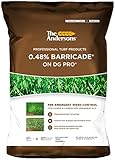
- Designed to prevent weeds; will not aid in eliminating existing weeds. Prevents grassy and broadleaf weeds, including crabgrass, poa annua, goosegrass, henbit, and more.
- Contains 0.48% of the active ingredient prodiamine for professional-grade weed control for early spring and fall applications
- Made with patented DG Technology (dispersible granule) ensures granules dissolve rapidly upon watering, moving weed control directly into the soil for maximum impact
- Small particles for more coverage per square inch and superior performance
- Made in the USA
Collect burrs that have already dropped
Fallen burrs can keep the problem going even after the live plants are removed. Sweep or rake the affected ground and contain the burrs as you gather them. UC IPM also describes pressing a piece of carpet onto the ground to pick up burrs. Check footwear and tools afterward so you do not carry burrs to a clean part of the yard.
The burrs can injure people and animals and puncture bicycle tires. Extension guidance also notes livestock toxicity risks, especially for sheep. Keep livestock away from infested material and contact a veterinarian if you suspect an animal has been poisoned; a yard-control guide cannot provide a diagnosis or treatment plan. See the University of Arizona Cooperative Extension’s puncturevine guidance.
Rank #2

- Designed to prevent weeds; will not aid in eliminating existing weeds. Prevents grassy and broadleaf weeds, including crabgrass, poa annua, goosegrass, henbit, and more.
- Contains 0.48% of the active ingredient prodiamine for professional-grade weed control for early spring and fall applications
- Made with patented DG Technology (dispersible granule) ensures granules dissolve rapidly upon watering, moving weed control directly into the soil for maximum impact
- Small particles for more coverage per square inch and superior performance
- Made in the USA
Keep checking through the growing season and in later years
Removing a plant prevents it from adding seed, but it does not remove seeds already in the soil or burrs missed during cleanup. UC IPM reports that puncturevine seeds may remain viable in soil for up to five years. Revisit the same sunny and disturbed areas during spring and summer, and remove new plants before they flower or set seed. Repeated checks are more dependable than expecting one cleanup to finish the job.
Stop burrs from traveling to clean areas
Puncturevine seeds can be moved on shoes, clothing, tires, equipment and animals. Before leaving an infested area, inspect and clean footwear, mower or cart wheels, tires and gear. This is especially important when moving between parts of a property or using equipment in a previously clean area. The Washington Invasive Species Council’s puncturevine page also recommends cleaning items that can carry seeds.
Rank #3

- One application prevents crabgrass all season long
- Apply in spring to prevent crabgrass and problem weeds all season long
- Fall application prevents winter weeds, such as poa annua, henbit and chickweed
- Rain, snow or freezing weather after application won't affect product performance
- Apply in fall to prevent moss
Choose control methods that fit the site
| Method | Where it can help | Important limit |
|---|---|---|
| Hand-pulling or hoeing | Small patches and planting beds; remove the plant through its taproot before seed set. | Does not collect burrs that have already fallen, so inspect and clean the ground separately. |
| Shallow tilling | Seedlings or small plants in larger areas. | Avoid deep tilling: it can bury seeds without preventing later germination. Disturb the soil only as much as needed. |
| Organic mulch | Ornamental or garden beds where a continuous layer can screen out light. | UC IPM recommends at least 3 inches of organic mulch. This is a bed treatment, not a whole-yard solution. |
| Mowing | Not a reliable primary control. | Goathead grows low to the ground, so mowing is ineffective. |
| Herbicide | May be an option for young, actively growing plants where the product label and site permit it. | UC IPM says chemical control is generally unnecessary in home landscapes. Products can injure desirable plants; use only a product labeled for the site and follow its current directions and local extension guidance. |
| Biological control | Weevils may suppress populations in some locations. | Suppression can be cyclical and is not consistently effective; it does not replace yard monitoring. |
For planting-bed guidance, see Utah State University Extension’s puncturevine recommendations. Avoid treating any single method as a guaranteed cure: the most broadly applicable home-yard approach is repeated removal plus separate burr collection.
Quick Recap
Best Value

- Professional-grade weed control for early spring and fall applications. Includes fertilizer 18-0-4 for a lush, thick lawn.
- Contains 0.426% of the active ingredient prodiamine
- Designed to prevent weeds; will not eliminate existing weeds. Prevents 30 grass and broadleaf weeds, including crabgrass, poa annua, goosegrass, henbit, and more
- Made with patented DG Technology (dispersible granule) ensures granules dissolve rapidly upon watering, moving weed control directly into the soil for maximum impact. Small particles for more coverage per square inch and superior performance.
- Made in the USA
Rank #4
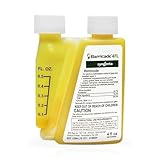
- PREVENT WEED DEVELOPMENT: Barricade 4FL controls the growth and development of weeds before they germinate. Barricade 4FL will not control weeds after they have germinated. This product is labeled for use in a broad range of areas such as vegetation sites, turf species, weed control, grass, broadleaf weeds, established turfgrasses, lawns, sod nurseries, and Christmas tree farms.
- LONG-LASTING PREEMERGENCE WEED PREVENTION: Take action before unsightly vegetation infiltrates your landscaped lawn with our pre-emergent concentrate. One application can prevent weeds season long when used as directed. You can apply this selective weed spray solution several months before germination and expect it to work well into the peak season.
- ULTRA EFFECTIVE: You can use more Barricade for season-long targeted weed control and modulate your use during shorter growing seasons. It's the ideal weed prevention solution for your container, field-grown, and landscape ornamentals.
- BROAD-SPECTRUM HERBICIDE: The weed grass killer is super effective on residential turf, production, and landscape ornamentals. This grass killer can tackle up to 30 species of turf weeds, including both summer and winter annuals. It's all you need to clear your lawn of pesky weeds.
- INHIBITS GROWTH: Our herbicide for lawns prevents weed growth and development. This weed preventer focuses on controlling preventing pesky grass and weeds to the root in one swift application. Please note that Barricade must be applied before the targeted weeds germinate and emerge.
Product prices and availability are accurate as of the date/time indicated and are subject to change. Any price and availability information displayed on Amazon at the time of purchase will apply.




