
Recommended Free Tools
Some links on this page are affiliate links: if you buy through them we may earn a commission, at no extra cost to you.
Prevent resource guarding between dogs by managing access before the newcomer arrives, introducing the dogs gradually on neutral ground, feeding them behind secure barriers, and supervising every early interaction. Remove high-value items from shared spaces, provide each dog with a retreat the other cannot enter, and teach safe “trades” instead of taking possessions by force. A growl, freeze, hard stare, or blocking behavior is a warning to create distance—not a challenge to punish. Any bite, attempted bite, threat toward a person or child, guarding of shared spaces, or situation you cannot safely separate requires a veterinary behavior professional.
What is resource guarding between dogs?
Resource guarding is behavior intended to keep another animal or person away from something a dog considers valuable. The range can run from carrying an object away or eating faster to freezing, growling, chasing, snapping, or biting. Dogs may guard food, empty bowls, chews, toys, stolen wrappers, bins, beds, doorways, rooms, or a family member.
As an Amazon Associate I earn from qualifying purchases.
The RSPCA NSW Prevent-a-Bite Program explains that guarding is usually insecurity and an attempt to communicate feeling threatened; it does not make a dog “bad.” There is no reliable prevalence figure to quote, but the welfare organizations cited here describe guarding as a normal or relatively common canine behavior. Treat it as information about a dog’s perceived risk and arrange the environment so the dog does not have to defend the resource.
How should I prepare my home before the second dog arrives?
Preparation prevents the first few conflicts that can make later introductions harder. Set up separation, remove likely triggers, and decide how food and valuable objects will be managed before the dogs meet.
Popular on Amazon

- Auto-Close Baby Gate: Designed with an intelligent self-closing system, this dog gate automatically swings shut at angle under 90°, providing reliable protection against accidental openings
- Dual-Lock Safety: This baby gate for stairs features a secure dual-lock mechanism, ensuring curious children and pets stay safely contained while allowing adults to open it effortlessly with one hand. Parents can pass through the baby gates for doorways with ease even while carrying groceries or a baby
- Tool-Free Installation: The pressure-mounted dog gate indoor provides a secure hold while protecting your walls or furniture from damage, ideal for renters and hassle-free setups. The dog gates for doorways offer a quick, temporary solution that's both safe and convenient. The attached sticky pads are provided to keep the wall cups in place, so you don't need to drill
- Stroller-Friendly Baby Gate for Stairs: Features an anti-stumble pedal, ensuring a seamless transition between the pet gate and the floor. This design reduces the risk of tripping and allows strollers to roll through the child gate effortlessly, making the pressure mounted baby gate ideal for families with elderly members and young children
- Adjustable Pet Gate Indoor: With an adjustable width from 29 to 40 inches, the baby gate with door fits most standard doorways and stair openings, creating a safety environment for your little ones and furry friends while giving you peace of mind. Please measure the width of the openings you want to place the child gate before installation
Match the dogs and arrange health care
Consider personality, exercise needs, size-related practicalities, and activity level rather than choosing on appearance alone. RSPCA Australia notes that compatibility depends on the owner, both dogs, the environment, and day-to-day husbandry. Arrange current health checks and preventive care for both dogs; pain or illness can reduce a dog’s tolerance and should not be mistaken for a training problem.
Remove tempting items from shared rooms
Collect toys, bones, food bowls, chews, children’s toys, wrappers, and other objects before the new dog enters. Scan the entire home, because dogs can value different things; removing only the resident dog’s favorite ball leaves other triggers available. Empty bins and keep stolen-object opportunities out of reach.
Create two protected retreats
Each dog needs a bed, water, and a resting area that the other dog cannot enter. A closed room, securely latched gate, exercise pen, or crate can provide that refuge. A retreat is management, not punishment: the dog should be able to rest there without another dog approaching. Limit visitors while the newcomer settles so the dogs are not coping with additional excitement.
Choose barriers that really separate the dogs
| Management option | How it helps | Important checks |
|---|---|---|
| Closed room | Creates a fully separate zone for rest, meals, or high-value chews. | The door must close securely, and a person must be able to enter safely. |
| Dog gate with door | Divides rooms while allowing controlled visual access and quick movement between areas. | Use a latch the dogs cannot nose open; ensure the gate fits the doorway and cannot be climbed or pushed through. |
| Indoor crate | Provides a defined retreat or feeding place when used as a protected area. | Provide ventilation, comfort, and escape-safe construction; never allow the other dog to crowd the crated dog. |
| Exercise pen | Offers a flexible enclosed zone for settling or short periods of separation. | Anchor it against tipping and keep enough room for the dog to stand, turn, rest, and drink. |
Choose the arrangement that gives a truly separate zone, can be latched securely, permits safe human access, and fits the room. A barrier is useful only when it remains closed before a conflict starts.
Plan meals before the first day
Feed the dogs in separate rooms, crates, or behind a solid barrier. Do not let one dog walk toward the other while either is eating or chewing. Remove bowls only after the dog has left the feeding area, and keep food preparation and dropped scraps out of shared traffic paths. Separate stainless-steel bowls make it easier to maintain two consistent feeding stations; a slow feeder may help when a dog eats so rapidly that a carefully managed exercise is impractical, but it is a management aid rather than a treatment for aggression.
How do I introduce the dogs without a fight?
Make the first meeting low-pressure and movable: neutral ground, loose leads, ample space, and short interactions. Let the dogs choose whether to approach, and end each meeting while both can still relax.
Crashes, No Sound, or Screen Glitches?
Random freezes, missing sound and display glitches usually trace back to one bad driver. Find and replace yours safely.Free scan · under a minuteWindows Errors? Fix Them Before They Spread
Repair common Windows errors and clear accumulated junk for a smoother, more stable PC - no reinstall needed.Free scan · no reinstallAlso popular on Amazon
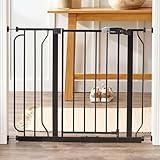
- ✅TESTED & TRUSTED BABY SAFETY GATE FOR OVER 30 YEARS: Parent-trusted safety gate certified by the Baby Safety Alliance.
- ❤️AMERICAN DESIGNED & FAMILY OWNED BABY GATE BRAND: Designed in the USA by parents, for parents. Regalo is a family-owned, US-based brand delivering trusted baby safety gates and child safety products for over 30 years.
- 🔒EXTRA WIDE BABY GATE FOR DOORWAYS & BOTTOM OF STAIRS: Expands to fit openings 29–38.5" wide and stands 30". Ideal for bottom of stairs, hallways, and doorways. FITS OPENINGS: 29–32" no extension, 35.5–38.5" with 6". DOES NOT FIT OPENINGS: 32–35.5".
- EASY SETUP WITH PRESSURE MOUNT DESIGN: ⚠️Install according to manufacturer’s instructions. ⚠️Wall cups must be used to keep the gate securely in place. ⚠️ To prevent falls, never use at the top of stairs.
- 🐾CHILD & PET SAFE | PUERTA DE SEGURIDAD PARA BEBÉS Y MASCOTAS: Walk-through safety gate designed for babies 6–24 months and small to medium pets. Features a secure safety locking system for parent convenience.
- Meet away from home. Use neutral ground neither dog treats as its territory. Fit each dog with a secure harness or collar and leash, and start far enough apart that both can look at the other without pulling or freezing.
- Allow curved, voluntary approaches. Keep leads loose and avoid dragging either dog toward the other. Let them sniff briefly, then move apart before excitement builds. Several short greetings are safer than one prolonged encounter.
- Reward calm behavior at a distance. If both bodies remain loose, both dogs can respond to a familiar cue, and both will take treats, gradually reduce distance. Deliver treats with enough space that the dogs do not have to press together or compete.
- Increase distance at the first stress signal. Stiffness, avoidance, a fixed stare, inability to respond, refusal of food, or frantic play means the interaction is too intense. Walk away, give a quiet break, and resume only when both dogs are relaxed.
- Walk together after calm greetings. Parallel movement can help the dogs share an activity without forcing face-to-face contact. Continue watching body language and keep the walk easy rather than turning it into a high-arousal play session.
- Enter the home in a controlled way. Remove toys, bowls, bones, and other valuables first. Keep the first indoor period short, maintain supervision, and give each dog access to its own retreat.
Leads are for safe movement, not for correcting a growl or forcing proximity. If either dog cannot stay under its stress threshold, postpone the next stage and obtain professional guidance rather than repeatedly exposing them to a situation they cannot handle.
Should I feed two dogs in separate rooms?
Yes. Separate rooms, crates, or solid barriers are the safest default whenever food, bowls, chews, or other edible items are present. The dogs should not be able to approach one another during the meal, and bowls should be picked up only after the eating dog has moved away.
Keep the routine predictable: guide each dog to its station, close the barrier, place the meal down, and wait for both dogs to finish before opening doors. If one dog eats slowly, leave that dog protected rather than allowing the faster eater to patrol the room. Apply the same rule to stuffed toys, dental chews, bones, dropped food, and food-related packaging.
Do not “test” progress by placing bowls together. A calm meal today does not prove that the dogs will remain calm when tired, excited, ill, or faced with a more valuable food.
Free tools Windows power users keep installed
One-click scans. No signup required.
How can I stop my dog from guarding toys from the new puppy?
Keep valuable toys out of shared areas until the dogs have a history of calm interactions, then introduce toys one at a time while a person actively supervises. Some dogs will always need special toys or chews only when separated; permanent management is a valid solution.
Start with low-risk exchanges
Use a toy neither dog treats as exceptionally valuable. When one dog has it, present a better treat at a safe distance, say “give” just before the dog releases the toy, deliver the treat, and return the toy when it is safe. Returning the toy teaches that releasing an item does not mean losing everything.
Also popular on Amazon

- EXTRA WIDE DOG GATE FOR DOORWAYS & BOTTOM OF STAIRS: Fits openings 29–36.5" wide and stands 30" tall. Fits 29–32" without extension and 34–36.5" with the included 4" extension. DOES NOT FIT OPENINGS BETWEEN 32–34". Measure your opening before purchase to confirm fit.
- PATENTED SMALL PET & CAT DOOR: Features a patented small pet door that allows cats and smaller pets to pass through while helping keep larger dogs contained. Ideal for multi-pet homes and households with pets of different sizes.
- WALK-THROUGH PET GATE WITH DOOR: Features a 16.5" wide walk-through opening with a one-touch safety latch for convenient adult access between rooms without stepping over the gate.
- PRESSURE-MOUNTED FOR A SECURE FIT: Pressure-mount design uses wall cups and included mounting hardware to help create a stable fit in doorways, hallways, and at the bottom of stairs.
- DURABLE METAL PET GATE: Built with a sturdy all-metal frame for dependable everyday use. Provides a secure indoor pet barrier for doorways, hallways, and other areas throughout the home.
Keep the puppy from rehearsing theft
Manage the puppy with a gate, pen, leash, or recall practice so it cannot repeatedly grab the older dog’s possessions. Repeated chasing can make both dogs more defensive and can turn a simple object into a high-value prize. Call the puppy away, reward the response, and remove the object only after the dogs are separated.
Stop before the exercise becomes difficult
If the dog freezes, growls, snaps, refuses food, or stops improving, end the exercise and create distance. Do not increase the value of the toy or move the dogs closer to “prove” the trade works.
What does resource guarding look like between dogs?
Guarding often starts with subtle changes that are easy to miss. Watch the dog with the resource and the dog approaching it.
- Eating faster, hunching over food, or covering an object with the body.
- Staring, blocking access, freezing, stiffening, lip lifting, or carrying the item away.
- Turning the head while keeping the object, moving behind furniture, or positioning the body between another dog and a bed, doorway, person, or bowl.
- Growling, barking, lunging, air snapping, chasing, or biting as the other dog comes closer.
A warning is valuable communication. Calmly call the other dog away or move yourself away, close a barrier, and wait for arousal to fall. Never punish a growl, because suppressing the warning can leave you with less notice before a snap.
What should I do when a dog growls or stiffens?
Stop the approach and add distance immediately. Use a gate, closed door, leash, or calm recall to separate the dogs without grabbing at the guarded item or reaching between them.
- Keep your voice and movement quiet; do not shout, loom over the dog, or stare.
- Move the other dog away first if you can do so without passing the guarded resource.
- Close a physical barrier and allow both dogs time to settle.
- Record what happened: the resource, location, distance, preceding activity, and each dog’s body language.
- Remove the trigger from shared access and adjust the management plan before another interaction.
Chasing, intimidation, forcibly taking the item, or “dominance” techniques can increase fear and worsen guarding while damaging trust. The ASPCA recommends desensitization and counterconditioning rather than confrontation; those exercises should keep the dog below the point at which it freezes, growls, snaps, or refuses food.
The Tool Desk
Outbyte PC Repair FREEClear out junk files and repair common Windows errorsFree Scan →Outbyte Driver Updater FREEFix the driver behind crashes, sound loss and screen glitchesFind Drivers →Also popular on Amazon
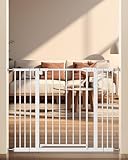
- 【Extra wide】Expands to fit openings between 29"-42.5" width with 4.5" and 6.9" extension kits (Note: not fit openings between 31.8-33.4 Inch and 38.7-40.3 Inch! !), please be sure measure your opening before purchase to ensure proper fit. This baby gate is perfect for stairs, kitchen, hallway and doorways
- 【Safe for kids and pets】No worry about the dog gate being pushed down and hurting your children with an all-steel construction. Double lock design is tough for babies or dogs to release and open, creating a safety environment for your curious crawlers and pets
- 【Auto-close】 This easy walk through baby gate is equipped with an auto-close function. The door can be automatically closed when opened less than 90°, reducing the potential danger for dogs and babies of forgetting to close the door. The door can swing in two directions, and can be easily opened by one-handed operation.
- 【Easy to install】This pressure-mounted baby gate requires no hardware or tools to install, and one person can finish installation in 5-10 mintues, perfect for stairs, doorways and banister. Baby gate can be removed quickly from one occasion to another
- 【Reliable】This dog gate is made of high quality steel material, durable and sturdy, great for family with kids and dogs. keny values our customer experience as the highest priority. If you have any questions about baby gate, please contact us for quick assistance
How long should the dogs be supervised?
Supervise every interaction at first, including quiet time in the same room. Separate the dogs whenever nobody can actively watch, at night, during meals, and whenever toys, chews, stolen objects, or other valuable resources are present.
Do not treat a week of calm behavior as proof that supervision is no longer needed. Relaxed behavior can change with fatigue, visitors, illness, a new object, or competition for a person’s attention. Increase freedom in small stages: first with no resources present, then for brief periods, and only while an adult can intervene safely. Keep the retreats available even after the dogs appear comfortable.
Can a baby gate prevent resource guarding?
A securely latched gate can prevent many opportunities for conflict by creating separate zones, but it cannot change a dog’s emotional response by itself. The gate must withstand pushing or climbing, provide safe human access, and be used before the dogs are already in a confrontation.
Use visual access thoughtfully. Some dogs relax when they can see the other dog at a distance; others become more frustrated. If either dog stares, charges the gate, vocalizes continuously, or cannot take food, increase distance or use a solid door instead.
What’s actually slowing this PC down?
Pick the symptom - the matching free tool is one click away.
When should I call a behavior professional?
Do not attempt do-it-yourself guarding exercises when a dog has bitten, attempted to bite, threatens people, guards children, guards a person or shared space, or cannot be safely separated. Unpredictable or rapidly escalating behavior also warrants immediate help.
For a sudden behavior change, arrange a veterinary examination to look for pain or illness. For treatment planning, ASPCA recommends a Certified Applied Animal Behaviorist, a board-certified veterinary behaviorist, or a qualified trainer with specific education and experience treating aggression. Ask what methods the professional uses and how they will keep people and both dogs safe during assessment.
Also popular on Amazon

- ✅ TESTED & TRUSTED BABY SAFETY GATE FOR OVER 30 YEARS: Parent-trusted baby safety product certified by the Baby Safety Alliance. Designed to support everyday baby proofing and help keep babies and toddlers safe at home.
- ❤️AMERICAN DESIGNED & FAMILY OWNED BABY GATE BRAND: Designed in the USA by parents, for parents. Regalo delivers dependable baby gates and baby safety products trusted by families for over 30 years.
- 🔒EXTRA WIDE BABY GATE FOR DOORWAYS & BOTTOM OF STAIRS: Expands to fit openings 29–38.5" wide and stands 30" tall. Ideal for bottom of stairs, hallways, and wide openings. FITS OPENINGS: 29–32" no extension, 35.5–38.5" with 6". DOES NOT FIT OPENINGS: 32–35.5".
- EASY SETUP WITH PRESSURE MOUNT DESIGN: ⚠️Install according to manufacturer’s instructions. ⚠️Wall cups must be used to keep the gate securely in place. ⚠️ To prevent falls, never use at the top of stairs.
- 🐾 CHILD & PET SAFE | PUERTA DE SEGURIDAD PARA BEBÉS Y MASCOTAS: Walk-through safety gate designed for babies ⚠️6–24 months and small to medium pets. Features a secure safety locking system for parent convenience.
Until an appointment, use strict management: separate meals and valuable items, remove triggers from common areas, prevent unsupervised contact, and avoid exercises that produce freezing, growling, snapping, or refusal of food. If you cannot maintain those controls in your home, arrange temporary physical separation with veterinary guidance.
What common mistakes make guarding worse?
- Taking items by force: This can teach the dog that a person approaching predicts loss or conflict.
- Punishing warnings: A corrected growl may disappear while the underlying fear remains.
- Allowing “fair” access to everything: Dogs do not need identical access to every toy; separate high-value items when necessary.
- Leaving bowls down: Constant access creates more chances for guarding and for one dog to patrol the other’s feeding area.
- Introducing toys too soon: Early interactions should be about calm coexistence, not testing whether the dogs can share a prized object.
- Relying on a barrier that is not secure: A gate that opens, tips, or leaves a dog trapped can create a dangerous surprise.
- Ignoring small signals: Faster eating, stiffening, blocking, or moving away often precede overt aggression.
- Assuming the puppy will outgrow it: Rehearsed guarding can become more efficient as the dog matures.
What equipment supports a safer two-dog setup?
Equipment should make the management plan repeatable, not replace supervision or behavior work.
Do these 3 things before closing this tab:
1Fix the driver behind crashes, sound loss and screen glitches2Clear out junk files and repair common Windows errors3Scan for outdated or missing drivers - takes under a minute- Dog gate with a door: Useful for dividing rooms and creating a controlled passage.
- Indoor crate: A protected retreat or feeding station when the dog is comfortable in it and the other dog cannot crowd the door.
- Separate stainless-steel bowls: Keep feeding stations distinct and easy to remove after meals.
- Slow-feeder bowl: May reduce frantic eating that interferes with carefully managed exercises; it does not cure aggression.
- Leash and harness: Support neutral-ground introductions and controlled movement without dragging a dog toward the other.
Check every item for secure latching, escape safety, comfortable space, and a layout that lets a person move away without stepping over or reaching between dogs.
What is the safest overall plan for the first month?
Use management first, then add training only while both dogs remain relaxed.
- Keep all food, bowls, chews, toys, wrappers, and bins out of shared rooms.
- Feed and give high-value items behind closed doors, crates, or solid barriers.
- Provide a separate retreat with bed and water for each dog.
- Schedule short neutral-ground greetings and parallel walks, increasing time only when body language stays loose.
- Supervise all indoor interaction and separate the dogs whenever you cannot actively watch.
- Teach low-risk “give” trades with better treats; return the object when safe.
- Log warning signals and triggers so you can remove patterns from the environment.
- Contact a veterinarian or qualified behavior professional at the first bite, attempted bite, threat toward a person, or stalled progress.
This approach protects both dogs while they learn that the other dog’s presence does not require defending food, objects, space, or people.
Frequently Asked Questions
Can resource guarding start after the dogs have lived together peacefully?
Yes. Guarding can emerge when a new toy, illness, fatigue, visitor, or change in routine alters how valuable or threatened a resource feels. Reapply separation and supervision immediately and arrange a veterinary check if the change is sudden.
What if my dog guards me from the other dog?
Manage access by calling one dog away before the other approaches, and avoid allowing either dog to climb onto or trap a person. Because guarding a person can escalate unpredictably, seek a qualified behavior professional rather than trying confrontational corrections.
How should children behave around two dogs that guard items?
Children should never approach a dog that is eating, chewing, resting with an object, or behind a barrier. An adult should manage all separations and keep children out of training exercises unless a behavior professional gives specific, age-appropriate instructions.
What should I do if a dog steals a dangerous object?
Do not chase or pry the object from the dog’s mouth. Move other people and dogs away, offer a high-value exchange from a safe distance if the dog can respond, and contact a veterinarian or emergency clinic when the item could injure or poison the dog.





Leave a Reply