
Some links on this page are affiliate links: if you buy through them we may earn a commission, at no extra cost to you.
Most winter lethargy improves when you keep your dog’s daily schedule predictable, use available daylight for a safe outdoor outing, and replace weather-shortened walks with indoor movement and brain work. A shorter walk is acceptable when ice, darkness, or cold makes a long one unsafe—provided you make up appropriate activity with play, training, sniffing, or food puzzles.
Do not assume every change is seasonal. Dogs vary greatly in cold tolerance, and sudden or persistent tiredness, appetite loss, mobility changes, confusion, pale gums, poor coordination, or collapse can signal illness, hypothermia, or another emergency. Warm a chilled dog gradually and contact a veterinarian when warning signs appear.
As an Amazon Associate I earn from qualifying purchases.
Why is my dog so tired in winter?
Winter can reduce a dog’s normal activity because walks become shorter, darkness changes the household schedule, and cold or slippery surfaces make movement less appealing. A dog that still eats normally, responds to family interaction, and becomes interested in a favorite game may simply be getting less stimulation than usual.
There is no established diagnosis of human-style seasonal affective disorder (SAD) in dogs. PetMD veterinarian Barri J. Morrison notes that no scientific evidence shows SAD affects pets. A health problem should therefore be ruled out before a behavioral change is labeled seasonal.
Popular on Amazon
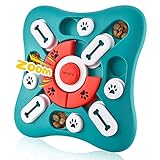
- 【PRODUCT SIZE】10 inch*10 inch*1.3 inch.
- 【3 WAYS TO PLAY, UPGRADE SLOW FEEDER】Our dog mental stimulation toys have a unique squeak button in the middle, which make it easier to attract the attention of dogs and cats. Three different difficulty designs and the 16-hole dog treat dispenser design maximize slow feeding time, even beyond 20 minutes.
- 【FUNNY STIMULATING TOYS】All kinds of dogs and cats love the puzzle game of Spin & Slide and the Seek & Hide with their smell sense and paw skills to find food. Combining circular orbit sliding game and linear orbit sliding game, smart dog and cat must move the slider correctly to get the food reward hidden in the maze.
- 【NON-REMOVABLE PARTS DOG PUZZLE】Our dog treat puzzle is made of non-toxic materials, very durable and suitable for pets to play for a long time. This dog toy has no removable parts because the design has built-in play parts that fold tightly and won't fall off easily.
- 【ANTI-SLIP & EASY TO CLEAN】: The four corners of the bottom are equipped with four anti-skid pads, which can be well fixed during the dog's slow food process; It is easy to clean, also dishwasher safe.
Normal adjustment versus a concerning change
- Often compatible with a routine change: sleeping somewhat more but waking readily, normal appetite and drinking, normal breathing and bathroom habits, and enthusiasm for food, sniffing, play, or family contact.
- Arrange a veterinary examination: lethargy that is sudden, lasts despite warmth and a normal routine, or comes with appetite loss, refusal to walk, a new limp, pain, vomiting, diarrhea, coughing, breathing changes, or another behavior change.
- Seek emergency help: collapse, severe confusion, marked loss of coordination, pale gums, or suspected frostbite or hypothermia.
Does daylight help a dog with winter lethargy?
Daylight is useful as a scheduling cue and a source of normal environmental stimulation, not as a proven treatment for canine depression. Open curtains during the day, plan the most comfortable walk or sniff outing when it is light, and keep feeding, play, and sleep times steady.
A 2025 PLOS One study observed 25 sled dogs and 29 caregiver–companion-dog pairs around the autumn time change. Companion dogs did not show a significant change in morning activity around sunrise, while sled dogs’ activity followed handler timing and adjusted within about one day. The finding supports gradual schedule changes and consistent cues; it does not show that extra light treats lethargy.
Should I use a human SAD light box?
No evidence shows that SAD light boxes benefit pets. Do not expose a dog to a human light-therapy device, give vitamin D, or start supplements for winter tiredness without veterinary direction. Normal household daylight and a stable routine are the safer, evidence-aligned choices.
How do I build a winter routine that keeps my dog moving?
Anchor activity to the dog’s energy, age, health, and cold tolerance rather than to a fixed distance. The following sequence keeps daylight, exercise, and recovery predictable.
- Record the baseline. For several days, note usual walk duration, play, appetite, sleep, stool, and willingness to move. This gives you a comparison if energy changes.
- Choose the best daylight window. Put the longest comfortable sniff walk or outdoor game in the brightest, least icy part of the day. A short morning toilet trip can be followed by indoor activity if it is dark or dangerously cold.
- Keep meal and sleep times consistent. Regular cues help dogs adjust when sunrise and sunset shift. Change the schedule gradually after a time change instead of moving it abruptly.
- Split activity into several sessions. Two or three brief outings plus indoor games are safer in harsh conditions than one long exposure.
- End before cold-stress signs. Bring the dog inside at the first sign of discomfort, dry the coat and paws, and offer a warm resting area.
- Review the plan weekly. Increase difficulty or duration only when the dog remains comfortable, coordinated, and interested afterward.
How much outdoor exercise is safe in cold weather?
There is no single temperature or walk length that is safe for every dog. Cornell identifies small size, puppy age, thin coats, older age, low body weight, illness, and lack of acclimation as factors that increase cold risk. A healthy, acclimated, thick-coated dog may tolerate conditions that are unsafe for a toy-breed puppy or a senior with arthritis.
Adjust exposure to the individual dog
| Dog or condition | Safer approach | What to watch for |
|---|---|---|
| Small, toy, or short-coated dog | Use brief outings, a well-fitted coat if tolerated, and indoor exercise to replace distance. | Rapid shivering, lifted paws, tucked tail, or reluctance to continue. |
| Puppy or senior | Keep trips short and frequent; provide easy footing and a warm recovery area. | Fatigue, stiffness, confusion, or slower responses than usual. |
| Underweight, ill, or not acclimated dog | Ask the veterinarian for individualized limits before increasing winter activity. | Any unusual weakness, breathing change, or failure to warm normally. |
| Healthy, acclimated, cold-tolerant dog | Maintain activity only while the dog remains comfortable and coordinated; shorten sessions in wind, wet weather, ice, or darkness. | Shivering, whining, hunched posture, sudden anxiety, or a refusal to walk. |
AAHA recommends short, frequent walks rather than a long outing in harsh weather. Virginia Tech clinical associate professor Mark Freeman gives the practical rule: “Instead of going for a long walk in harsh weather, go for a shorter walk and play with your dog indoors instead.”
Outdated Drivers Are Slowing You Down
One free scan finds every outdated or missing driver and matches the right update for your exact hardware.Free scan · exact hardware matchWindows Errors? Fix Them Before They Spread
Repair common Windows errors and clear accumulated junk for a smoother, more stable PC - no reinstall needed.Free scan · no reinstallAlso popular on Amazon

- SLOW FEEDER FOR FAST EATERS — Narrow the food flow, and a 30-second gulp stretches into a 5-to-60-minute meal.
- SPIN TO EAT — Your dog spins the clear top with a paw, kibble drops into the center bowl, and every bite is earned.
- YOU SET THE DIFFICULTY — Open the outlet for beginners, narrow it for pros. One bowl your dog never outgrows.
- HOLDS A FULL MEAL, 4 CUPS — Room for a Lab's dinner, not a handful of treats, so it replaces the everyday bowl.
- SMALL, MEDIUM, AND LARGE DOGS — Wider than a dinner plate and low to the floor, it feeds Chihuahuas to Great Danes.
How can I tell that a dog is too cold?
Shivering is only one warning sign. Lifted paws, a tucked tail, hunched posture, whining, sudden anxiety, slowing down, or reluctance to walk all mean the dog should go to a warm, dry place. Do not coax a reluctant dog farther just to complete a planned distance.
What can I do indoors when my dog cannot exercise outside?
Indoor activity should combine safe movement with mental work. Clear a route, protect traction, and keep sessions short enough that the dog remains engaged rather than frantic.
Carpeted fetch and controlled chase
Use a hallway or room with rugs, remove breakable objects, and roll or toss a soft toy at low height. Avoid fast turns on tile or hardwood; slipping can injure joints and paws. Stop while the dog is still coordinated and willing to return the toy.
Tug with rules
Tug provides vigorous bursts without requiring a large space. Teach a release cue, keep the toy below shoulder height, and avoid yanking a dog with neck, jaw, or spinal problems. If teeth contact skin or arousal becomes difficult to interrupt, end the game and switch to sniffing or training.
Free tools Windows power users keep installed
One-click scans. No signup required.
Scent searches and hide-and-seek
Hide a few pieces of the dog’s normal kibble or a favorite toy in one room and invite the dog to find them. Begin with visible or easy locations, then increase the search area. Scent work can tire a dog without prolonged running, but count food used in searches as part of the daily ration.
Short training sessions
Teach a new cue, shape a behavior, or practice cooperative-care skills such as presenting a paw for wiping. Several sessions of two to five minutes are usually easier to sustain than one long lesson. Reward calm attention, and stop before frustration appears.
Also popular on Amazon

- 2 Levels in 1 Toy: start your pups off with a level 1 puzzle, add some treats in the base compartments and watch your dogs get their tasty reward by nudging the lids. For dogs who have mastered level 1, for added challenge in level 2, just put some treats in the top compartments, teach your dogs to press the top cover to dispense treats down into the base compartments and finally enjoy their reward
- Slow Feeder: The large capacity top transparent granary saves you the hassle to refill dog food frequently. The product can also be used as a slow feeder utensil for your dogs, which promotes healthy ingestion by slowing down eating speed by over 10x. Great for large and small dogs
- Not Easy to Tip Over: 4 non-slip rubber mats and weighted base hold the dog puzzle toy firmly in place when dogs eat and nudge and prevent the toy from tipping over
- We Prioritize Safety: the dog puzzle toys are designed with your pet’s health in mind, made of durable food-grade PP materials. Non-removeable parts make it safe and easy to clean. And you can give puzzles toy to your dog or directly out of the box, just no assembly!!
- Trains Dog’s Intelligence: interactive treat puzzle game challenges your puppies to get their reward of treats, works your dog's mind while reducing boredom and destructive behavior like chewing, digging and excessive barking. Size: 4.2 inch height
Indoor classes and matched playdates
An indoor obedience class can provide structure and social contact when weather limits walks. A playdate works only when the dogs are compatible in size, play style, vaccination status, and energy; supervise continuously and provide breaks. Leave if either dog is hiding, repeatedly correcting the other, or unable to settle.
Which enrichment activities work best for winter days?
Match the activity to what your dog enjoys—sniffing, licking, chewing, problem-solving, or movement—and increase difficulty gradually.
| Activity | How to use it | Controls and pitfalls |
|---|---|---|
| Puzzle feeder | Put part of the normal meal into an easy puzzle and let the dog work for it. | Supervise, start simple, increase difficulty only after repeated success, and subtract the food from the daily ration. |
| Interactive toy | Offer one or two durable toys that dispense food or require manipulation. | Rotate toys rather than leaving all of them out; inspect for cracks, loose parts, or swallowed pieces. |
| Scent work | Hide kibble or treats in one room, then expand the search area. | Use safe hiding places and keep portions small so calories do not quietly rise. |
| Training or shaping | Practice a new cue, a trick, or a cooperative-care behavior in brief sessions. | Reward calm effort and pause if the dog becomes frustrated or overexcited. |
| Hide-and-seek | Hide yourself, a toy, or a treat and invite the dog to find it. | Block unsafe rooms and never hide food where the dog may chew packaging or ingest a hazard. |
| Social enrichment | Use a well-matched indoor playdate or class when the dog enjoys other dogs. | Supervise, provide rest periods, and stop for stress signals or overheating. |
Is an indoor session as good as a winter walk?
It can replace some exercise and mental stimulation, but it does not reproduce every benefit of an outdoor outing. Compare options by exposure risk, footing, physical intensity, novelty, and the individual dog’s tolerance.
| Option | Cold and toxin exposure | Physical intensity | Mental novelty | Best use |
|---|---|---|---|---|
| Short daylight walk | Cold, ice, salt, grit, and antifreeze remain possible. | Low to moderate, adjustable by pace and distance. | High: changing smells and surroundings. | Maintain outdoor toileting, sniffing, and routine when footing is safe. |
| Indoor fetch or tug | Minimal weather exposure; slipping is the main risk. | Moderate to high in short bursts. | Low to moderate unless you vary the game. | Replace vigorous movement when roads or paths are unsafe. |
| Scent search or puzzle feeder | Minimal weather exposure. | Low physical demand. | High problem-solving and sniffing value. | Provide mental fatigue for dogs restricted from running. |
| Training or indoor class | Minimal weather exposure, with facility-specific risks. | Low to moderate. | Moderate to high, especially for learning and social focus. | Build skills and predictable engagement during long indoor periods. |
Use a combination rather than expecting one activity to do everything. A short, safe sniff walk followed by a food puzzle may meet physical and cognitive needs better than either a forced long walk or an entire day indoors without interaction.
What winter hazards should I manage after every walk?
Salt, grit, and antifreeze
De-icing salt and grit can irritate paws, and antifreeze containing ethylene glycol can be fatal if swallowed. Wipe or wash paws, legs, and the belly after outdoor time; prevent licking until they are clean and dry. Contact a veterinarian immediately after any suspected antifreeze ingestion rather than waiting for symptoms.
Ice, frozen water, and slippery floors
Keep dogs away from frozen ponds and lakes: ice may not support their weight, and a rescue attempt can endanger people as well. Indoors, place rugs or runners over slick flooring before fetch or chase games. Trim excessive paw hair if your veterinarian or groomer recommends it, but do not remove protective hair in a way that causes skin injury.
Do these 3 things before closing this tab:
1Scan for outdated or missing drivers - takes under a minute2Repair Windows errors before they cause bigger problems3Fix the driver behind crashes, sound loss and screen glitchesAlso popular on Amazon

- Four Challenges & Levels 1-3: Multiple games with a flip game and a linear track sliding game, all requiring dogs to learn steps and find treats. This puzzle is designed to be more fun and difficult, with more unique ways to play. It can enhance your dog's IQ and train their sense of smell
- Prolong the Feeding Time: The 14-hole food storage slow feeder has four ways to play, which is effective in slowing down the dog's eating speed. It is also beneficial to the dog's physical and mental health by increasing the time and difficulty of acquiring food, thus avoiding gastrointestinal issues caused by indigestion
- Safe Materials & Cleanable: Furry friends can safely play with this toy, which is made of food-safe and long-lasting materials. Additionally, it is easy to clean with warm water and soap after use
- Six Silicone Anti-Slip Pads: Six silicone anti-slip pads with high resistance ensure a firm grip and prevent the item from sliding to one side during feeding
- Warm Tips: When playing with the puzzle, please keep your dog with you to prevent any possible destruction of the toy. The toy has a tight design of built-in game components, so you don't need to worry about them being easily dislodged and swallowed by your dog
Darkness and visibility
Use reflective or LED gear and carry a flashlight for dark walks. Check that lights do not rub the neck or restrict movement. Visibility equipment reduces collision risk but does not make an icy or dangerously cold route safe.
Coats and boots
A coat or boots can reduce exposure for a dog that tolerates them, but they must fit without restricting breathing, gait, or circulation. Introduce them indoors for brief periods, inspect skin afterward, and remove them if the dog freezes, chews at them, or shows distress.
What are the signs of hypothermia or another winter emergency?
The RSPCA gives a normal canine body-temperature range of 37.5°C to 39.2°C. Cold injury can progress even after a dog comes indoors, so warm gradually and call a veterinarian immediately when serious signs appear.
- Shivering that is intense, persistent, or followed by unusual drowsiness.
- Confusion, weakness, loss of coordination, or inability to stand normally.
- Pale gums, slow responses, collapse, or unresponsiveness.
- Skin that is very cold, hard, pale, blue, swollen, or painful, suggesting frostbite.
Move the dog to a warm, dry area, remove wet items, and wrap loosely in dry blankets. Avoid hot water, heating pads placed directly on the skin, vigorous rubbing, or rapid heating that can cause burns or circulation problems. Collapse, severe coordination loss, pale gums, or suspected frostbite or hypothermia are emergencies.
When should a veterinarian investigate winter lethargy?
Arrange an examination for sudden or persistent lethargy, appetite loss, a new mobility change, refusal to walk, or any behavior change that does not improve with warmth, rest, and a consistent routine. PetMD advises checking health before calling a change seasonal.
Bring useful observations: when the change began, outdoor temperatures and conditions, walk duration, appetite and water intake, medications, stool and urine changes, and videos of unusual movement. Do not give pain relievers, vitamins, or supplements intended for people unless a veterinarian specifically prescribes them.
Also popular on Amazon
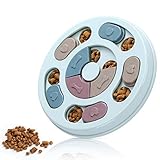
- 【Size】: L9.44" * W9.44"* H1.14" suitable for cats, puppies and small dogs.
- 【Interactive Dog Toys】This is a interactive puppy puzzle , which can easily become the closest companion and toy for your puppies and cats, and will release pressure for dogs. Find food by sliding parts to improve eating pleasure and IQ.
- 【Slow Feed Bowl】This encourages pets to eat at a slower speed, helps to slow down the feeding time to help the dog digest, and can provide your dog with a variety of healthy snacks.
- 【Slow Feede toys】 Use this educational game toy to exercise the dog’s brain, which will help meet the dog’s instinct needs, train the pet’s sense of smell, and let the dog enjoy feeding when using the nose or paw to move the slider, while providing spirit stimulate.
- 【Dog toys】No toy is indestructible. Do not leave toys with unsupervised pets. Remove and replace toy if damaged.
What might a practical winter day look like?
Adjust the times and intensity to your dog; this is a framework, not a prescription.
- Morning: brief toilet outing, breakfast served in a puzzle feeder, and two minutes of calm training.
- Midday daylight: the day’s main sniff walk on a safe route, shortened immediately for cold-stress signs.
- Afternoon: scent search or hide-and-seek indoors, with food deducted from the daily ration.
- Early evening: carpeted fetch, tug with a release cue, or a supervised class if the dog is comfortable.
- Night: final toilet trip with reflective or LED gear, paw and belly cleanup, then a quiet, warm resting period.
Track whether your dog settles normally, eats, moves comfortably, and shows interest in the next session. If energy continues to fall despite this structure, stop increasing exercise and seek veterinary advice.
Quick wins for a faster PC:
Repair Windows errors before they cause bigger problemsFix Now →Fix the driver behind crashes, sound loss and screen glitchesFind Drivers →Clear out junk files and repair common Windows errorsFree Scan →Which winter exercise mistakes make lethargy worse?
- Forcing the planned distance: a dog that lifts paws, hunches, or refuses to walk needs warmth, not encouragement to continue.
- Replacing all activity with calories: treats in puzzles and training still count toward daily food intake.
- Using slippery rooms for high-speed games: traction matters more than square footage.
- Leaving enrichment unsupervised: damaged toys, swallowed pieces, and food-dispensing accidents can create emergencies.
- Changing the entire schedule at once: shift feeding, walks, and bedtime gradually around daylight changes.
- Assuming a coat solves cold risk: clothing cannot compensate for illness, poor acclimation, wet weather, or unsafe footing.
- Calling behavior seasonal without a health check: persistent lethargy or appetite and mobility changes need a medical assessment.
Frequently Asked Questions
How can I tell whether my dog is bored or actually ill?
A bored dog often becomes more engaged when offered a favorite game, sniffing opportunity, or meal, while illness may reduce interest even in highly rewarding activities. This distinction is not diagnostic: persistent low energy, appetite change, pain, or altered bathroom habits still warrant a veterinary examination.
Can I give my dog vitamin D for winter tiredness?
Do not supplement vitamin D on your own. Excess vitamin D can be dangerous, and there is no evidence that treating a presumed seasonal problem with supplements helps dogs; ask your veterinarian whether testing or supplementation is appropriate.
Should I cancel every walk when roads are icy?
Not necessarily. A brief toilet and sniff outing can be reasonable on a treated, well-cleared route if your dog is comfortable, but use indoor enrichment when footing is slippery or de-icers cannot be avoided. Never risk a fall to complete a target distance.
How do I introduce a puzzle feeder to a dog that gives up?
Begin with the easiest opening and use part of a familiar meal so success comes quickly. Demonstrate by leaving some food visible, supervise the first attempts, and simplify again if the dog paws frantically, vocalizes, or walks away.
What’s actually slowing this PC down?
Pick the symptom - the matching free tool is one click away.
Can winter lethargy be caused by pain rather than cold?
Yes. Arthritis and other painful conditions may become more noticeable when dogs move less or walk on hard, cold surfaces. A new reluctance to rise, climb, jump, or walk deserves a veterinary assessment rather than a longer exercise session.





Leave a Reply