
The Tool Desk
Outbyte Driver Updater FREEFix the driver behind crashes, sound loss and screen glitchesFind Drivers →Outbyte PC Repair FREERepair Windows errors before they cause bigger problemsFix Now →Some links on this page are affiliate links: if you buy through them we may earn a commission, at no extra cost to you.
A white dog does not need harsher soap or a special skin routine. Bathe with a dog-formulated shampoo, lukewarm or cool-to-body-temperature water, gentle handling, a complete rinse, and cool or low airflow for drying. Brush out mats before wetting, protect the eyes and ears, and follow a veterinarian’s exact directions for any medicated product. Healthy dogs commonly need a bath about every 4 to 12 weeks, but coat type, activity, odor, season, and skin disease determine the right interval. Whitening products are cosmetic, not proof of safety for sensitive skin; ask your veterinarian before using one on itchy or inflamed skin.
Why can bathing irritate a white dog’s skin?
Bathing irritation usually comes from the process or the product, not from white fur itself. Residual shampoo, strong detergents, excessive bathing, hot air, vigorous rubbing, damp skin folds, or a product that does not suit the dog can damage the skin barrier or worsen an existing condition.
As an Amazon Associate I earn from qualifying purchases.
Virginia Tech Veterinary Teaching Hospital dermatologist Ivan Ravera describes the skin barrier as “the skin’s main defense.” He also warns that human products can disrupt a pet’s natural balance and create conditions where harmful bacteria thrive. Bathing irritated skin with the wrong product can make inflammation worse or spread infection.
White coats make dirt and discoloration easy to see, which can tempt owners to scrub harder or bathe more often. That approach can create the itching it is meant to prevent. Clean the skin gently and treat cosmetic discoloration separately from a diagnosed skin problem.
Popular on Amazon

- Made in the USA - Our oatmeal formula pet shampoo is pH balanced, alcohol free, paraben free, PEG-80 free and is highly recommended for moisturizing dry skin & providing itch relief
- Oatmeal Formula – This coconut lime verbena scented pet shampoo is great for moisturizing dry skin, cleaning dirty coats, & itch relief. The thick lather rinses off clean & keeps your pet looking and smelling clean
- Less is More - Wahl has a higher concentrate of coconut derived sodding agent, which means you don’t have to use as much as other dog shampoos. A little bit of shampoo goes a long way and provides a rich lather that’s easy to rinse off
- Allergy Friendly - Our dog icon, Rocket, was designed in the image of our family dog Cooper – a golden doodle, who has severe allergies. This is the only shampoo we have found safe and effective. He loves the smell too.
- The Brand Used by Professionals - Wahl has been serving professional vets and groomers for over 50 years. clean, condition fur & hair for a smooth, soft coat. We are a company of animal lovers that want the best for your family member
What should I prepare before putting my dog in the bath?
Set up everything first so your dog is not left standing wet while you search for supplies.
- A shampoo labeled for dogs, selected for the dog’s skin needs.
- A non-slip mat or another firm traction surface.
- Several clean towels.
- A dryer that can run on cool or low airflow, if you need one.
- A brush or comb appropriate for the coat.
- A cup, handheld sprayer, or other way to control the rinse.
Brush gently before adding water. Mats tighten when wet and can trap shampoo and moisture against the skin. If detangling is extensive, finish it a day or two before the bath rather than forcing a long, uncomfortable grooming session immediately beforehand.
Crashes, No Sound, or Screen Glitches?
Random freezes, missing sound and display glitches usually trace back to one bad driver. Find and replace yours safely.Free scan · under a minutePC Slower Than It Used to Be?
A free scan shows the junk files, broken settings and background clutter dragging Windows down - then fixes them in one click.Free scan · Windows 10 & 11How do I make the bathing area safer?
Place the non-slip surface where your dog will stand and keep towels within reach. Check that the water stream is gentle and that the room is free of drafts. A secure footing reduces scrambling, which protects both the dog’s skin and the handler’s hands.
Should I postpone a bath if the skin is already damaged?
Skip a routine bath and contact a veterinarian when the skin is painful, markedly inflamed, or has open sores. Water and shampoo can aggravate damaged tissue, and a recurring problem may need diagnosis rather than more cleansing.
Which shampoo is safe for a white dog with sensitive skin?
Use a product made for pets and follow its label. “For white coats,” “brightening,” or “hypoallergenic” wording alone does not establish that a product will suit an individual dog’s sensitive skin.
| Routine or product type | What it is for | What to check |
|---|---|---|
| Pet-formulated cleansing shampoo | Removing ordinary dirt and body oils | Dog-specific directions, tolerability, and whether it rinses cleanly |
| Veterinary medicated shampoo | A diagnosed skin condition | Exact dilution, frequency, and contact time prescribed by the veterinarian |
| Cosmetic brightening or whitening product | Appearance of a light coat | Do not treat a cosmetic claim as evidence of safety for itchy or inflamed skin; ask a veterinarian first |
| Human shampoo or dish soap | Not an appropriate routine substitute | Do not use as a regular dog bath product |
Can I use human shampoo on my dog?
No. Human shampoo is not a routine substitute for dog shampoo, and dish soap is not a routine substitute either. Human products can disrupt the dog’s natural skin balance and may leave the coat or skin more irritated.
Do these 3 things before closing this tab:
1Repair Windows errors before they cause bigger problems2Fix the driver behind crashes, sound loss and screen glitches3Clear out junk files and repair common Windows errorsAlso popular on Amazon
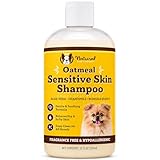
- Gentle Oatmeal Shampoo for Sensitive Skin: Natural Dog Company Sensitive Skin Shampoo is a hypoallergenic dog shampoo made for pups with delicate skin. This oatmeal shampoo for dogs gently cleans, helps soothe dry-feeling skin, reduces odor, and leaves coats soft, shiny, and fresh.
- Colloidal Oatmeal + Aloe Skin Support: Made with colloidal oatmeal to help soothe and moisturize, aloe vera to support skin comfort, and glycerin for added hydration. This sensitive skin dog shampoo helps maintain a healthy-looking coat without leaving your pup’s skin feeling stripped or dry.
- Made With Nourishing Coat-Loving Ingredients: Mango butter, coconut oil, argan oil, chamomile extract, calendula, Manuka honey, and seaweed extract help support skin and coat care during bath time. Ideal for pet parents looking for a gentle dog shampoo with thoughtful, recognizable ingredients.
- Fresh, Clean Coat Without Artificial Fragrance: This dog shampoo for smelly dogs helps wash away dirt and odor while leaving behind a mild ingredient-based scent with soft honey and lavender notes. No artificial fragrance is added, making it a smart choice for sensitive pups and sensitive noses.
- Hypoallergenic Shampoo for All Dogs: Suitable for dogs of all breeds, ages, and sizes, including puppies and adult dogs with sensitive skin. Use this puppy and dog shampoo as part of a regular grooming routine to help keep your best bud’s coat clean, touchably soft, and easy to snuggle.
Do white dogs need whitening shampoo?
No special whitening step is required to protect a white dog’s skin. The veterinary guidance reviewed for this topic does not establish that white fur needs a different skin-protection process. If you choose a brightening product for cosmetic reasons, ask your veterinarian before using it on inflamed, itchy, or repeatedly infected skin.
How should I bathe a white dog step by step?
Work from preparation through drying without rushing. Gentle application and a thorough rinse matter more than producing a particular amount of lather.
- Brush before wetting. Remove loose dirt and gently work through tangles. Do not pull forcefully on mats. If the coat needs major dematting, schedule that work separately one or two days before bathing.
- Secure footing. Put the non-slip mat in place and help your dog stand comfortably. Keep the shampoo and towels close enough that you do not have to leave the dog unattended.
- Wet with lukewarm water. For routine bathing, use lukewarm water. Cool-to-body-temperature water may feel more comfortable on inflamed or allergy-prone skin. Wet the coat gradually so the dog can adjust.
- Protect sensitive areas. Keep shampoo away from the eyes, ears, nose, and mouth. Use controlled water flow around the head rather than directing a strong stream at the face.
- Apply dog shampoo gently. Follow the product label. Starting at the neck and moving toward the tail, work the shampoo with your fingertips in gentle circular motions. Avoid vigorous scrubbing, especially over thinly coated, red, or sore areas.
- Observe any required contact time. A basic cleansing shampoo may be rinsed according to its label. A veterinarian-prescribed medicated shampoo may commonly need about 10 to 15 minutes on the coat and skin; use the exact contact time, dilution, and frequency prescribed for your dog rather than guessing.
- Rinse until completely clear. Run your hands through the coat while rinsing. Continue until there is no foam and the coat no longer feels slippery. Check the armpits, groin, under the tail, between the toes, and behind the ears, where residue is easy to miss.
- Press water out with towels. Pat or press towels against the coat. Vigorous rubbing can tangle hair and create friction on sensitive skin.
- Dry with controlled airflow. If a dryer is needed, use cool or low airflow and keep it moving. Never hold heat on one spot. Dry skin folds and the spaces between the toes completely.
- Inspect the skin after drying. Look for redness, bumps, damp areas, odor, or signs that your dog is persistently scratching. Record what you see so you can describe changes accurately to a veterinarian if they continue.
How do I rinse a white dog thoroughly without irritating it?
Rinsing is the most important part of preventing residue-related itching. A white coat can look clean while shampoo remains close to the skin, especially in dense areas.
Where does shampoo commonly remain?
- Armpits and the chest behind the front legs.
- Groin and the inner thighs.
- Under the tail.
- Between the toes and around foot furnishings.
- Behind the ears and along the neck.
- Any area where a collar, harness, or dense mat holds moisture.
Separate the coat with your fingers as water runs through it. The rinse is finished only when the water is clear and your hands no longer detect foam or a slippery film.
What if my dog’s skin feels dry after bathing?
First review the interval, product, water temperature, and rinse. Bathing too frequently or leaving residue can both contribute to discomfort. If dryness, redness, or scratching persists despite a careful rinse and an appropriate bathing schedule, ask a veterinarian instead of adding more products.
How should I dry a white dog without causing itching?
Drying should remove moisture without heat or friction. Press towels into the coat and change them when they become saturated. Rubbing hard can irritate skin and turn loose tangles into mats.
Also popular on Amazon

- Made in the USA - Our lavender chamomile scented pet shampoo is pH balanced, alcohol free, paraben free, PEG-80 free and is highly recommended for cleaning, conditioning, detangling, & moisturizing coats
- Calming Formula – This lavender scented pet shampoo is great for cleaning dirty coats, coat conditioning & detangling, & skin moisturizing short to long coats. The thick lather rinses off clean & keeps your pet looking and smelling clean
- Less is More - Wahl has a higher concentrate of coconut derived sodding agent, which means you don’t have to use as much as other dog shampoos. A little bit of shampoo goes a long way and provides a rich lather that’s easy to rinse off
- Allergy Friendly - Our dog icon, Rocket, was designed in the image of our family dog, Cooper — a goldendoodle who has severe allergies. We've found this shampoo to be safe and effective for him. We love the smell too!
- The Brand Used By Professionals - Wahl has been serving professional vets and groomers for over 50 years. As a company of animal lovers, we believe your pet deserves the very best.
If you use a dryer, choose cool or low airflow, keep the nozzle moving, and stop if your dog becomes distressed. Do not concentrate heat on one area. Pay particular attention to skin folds and between the toes; prolonged dampness can contribute to yeast or bacterial problems in susceptible dogs.
Is air-drying enough?
It depends on the coat, room conditions, and how thoroughly you can dry the skin. A coat that remains damp in folds, under the tail, behind the ears, or between the toes needs additional gentle drying. The goal is a dry skin surface, not maximum fluff or heat.
Quick wins for a faster PC:
Clear out junk files and repair common Windows errorsFree Scan →Fix the driver behind crashes, sound loss and screen glitchesFind Drivers →Repair Windows errors before they cause bigger problemsFix Now →How often should I bathe a white dog?
There is no white-coat schedule that fits every dog. Veterinary guidance commonly places healthy dogs somewhere between every 4 and 12 weeks, with many non-shedding dogs around every 6 to 8 weeks. Use the dog’s coat, lifestyle, odor, season, and skin health to adjust that interval.
| Situation | Practical interval guidance | Who should set the schedule? |
|---|---|---|
| Healthy dog with ordinary dirt and odor | Often about every 4 to 12 weeks | Owner, adjusted to coat and lifestyle |
| Many non-shedding coats | Commonly around 6 to 8 weeks | Owner and groomer, while watching the skin |
| Dog that gets unusually dirty or swims frequently | May need an earlier cleaning, using a gentle dog product | Owner, with veterinary advice if irritation follows |
| Diagnosed skin disease requiring medicated baths | May be weekly or more frequent | Veterinarian-directed only |
A shorter interval is not automatically better. If a dog begins scratching, develops redness, or smells unusual after a schedule change, stop increasing bath frequency and seek veterinary advice.
What should I do if my dog itches after a bath?
Some brief scratching can occur while a dog’s coat finishes drying, but persistent or worsening itching deserves attention. Start by checking for the common preventable causes: incomplete rinsing, hot or concentrated airflow, vigorous towel rubbing, a new product, or damp skin folds.
When can I monitor at home?
If the dog is otherwise comfortable and the skin looks normal, you can review the bath steps, rinse again only with plain lukewarm water if residue is clearly present, and observe closely. Do not add another shampoo or fragrance to mask the problem.
What’s actually slowing this PC down?
Pick the symptom - the matching free tool is one click away.
Also popular on Amazon

- COLLOIDAL OAT FLOUR SOOTHES: Made with colloidal oat flour, this oatmeal dog shampoo soothes and softens dry skin during the bath, giving itchy-prone dogs a gentle clean with a formula that includes colloidal oatmeal, honey, and beeswax.
- HONEY CONDITIONS THE COAT: Honey and beeswax help condition your dog's coat while you wash, leaving fur softer and easier to brush without a separate conditioner step. You get shampoo and conditioning action in one bottle.
- GENTLE FORMULA FOR SENSITIVE SKIN: Gentle formula designed for dogs with dry, itchy, or sensitive skin, giving a soothing oatmeal bath for everyday cleaning of any breed, from puppies to adult dogs, in a simple wash-and-rinse routine.
- PH BALANCED FOR DOGS: Formulated for canine skin pH rather than human skin pH, supporting the natural skin barrier during bathing so dogs stay comfortable and coats stay soft after every wash with this oatmeal shampoo for dogs.
- FREE OF SULFATES AND PARABENS: Made without sulfates, parabens, phthalates, or synthetic colorants, a cleaner formula for owners who prefer naturally derived grooming products for dogs with sensitive skin and everyday baths.
When should I call a veterinarian?
Contact a veterinarian for persistent or worsening redness, bumps, scratching, unusual odor, open sores, or recurrent ear or skin infections. Recurrent symptoms can reflect allergies or another underlying disease rather than simple sensitivity to bathing.
What signs mean I should stop bathing altogether?
Do not proceed with a routine bath when the skin is painful, visibly inflamed, or broken. A veterinary examination can determine whether the dog needs a medicated treatment, a different bathing interval, or care for an underlying condition.
How do I protect the eyes, ears, nose, and mouth?
Keep shampoo away from all four areas. Use a damp cloth or carefully controlled water around the face rather than pouring shampoo over the head. Avoid directing a strong spray into the ears or toward the eyes and nose.
If product enters a sensitive area, stop the bath and flush gently with clean, comfortable-temperature water as appropriate while preventing further exposure. Seek veterinary advice if discomfort, squinting, discharge, head shaking, or other signs continue.
Recommended Free Tools
What mistakes are most likely to irritate a white dog’s skin?
- Using human shampoo or dish soap: These are not routine dog-bathing substitutes and can disrupt the skin’s natural balance.
- Scrubbing to make the coat brighter: Friction can irritate skin; gentle circular application is sufficient.
- Bathing more often because dirt shows: Visible discoloration is not proof that the skin needs another full bath.
- Skipping pre-bath brushing: Wet mats hold shampoo and water against the skin.
- Rinsing by appearance alone: A white coat can look clean while residue remains in dense areas.
- Using hot air: Concentrated heat can increase discomfort; use cool or low moving airflow.
- Leaving folds and feet damp: Persistent moisture can contribute to yeast or bacterial problems in susceptible dogs.
- Using a medicated shampoo casually: Therapeutic products require the veterinarian’s directions for dilution, contact time, and frequency.
- Trying a brightening product on inflamed skin: Cosmetic claims do not establish safety for a skin disorder.
How should I choose between a routine bath and a medicated bath?
A routine bath removes ordinary dirt and oils with a dog-formulated cleanser. A medicated bath is part of a treatment plan for a diagnosed or suspected condition and should be used only as directed by a veterinarian.
| Question | Routine cleansing | Medicated treatment |
|---|---|---|
| Purpose | General cleanliness | Management of a veterinary-identified skin problem |
| Product choice | Pet-formulated shampoo suited to the dog | Specific product selected or prescribed by the veterinarian |
| Contact time | Label directions | Exact veterinary directions; therapeutic products commonly remain 10 to 15 minutes |
| Frequency | Often 4 to 12 weeks for healthy dogs, adjusted to need | May be weekly or more often only under veterinary direction |
| When to stop and seek help | Persistent irritation, odor, bumps, or scratching | Any worsening signs or failure to improve as directed |
Does a white coat make tear, paw, or facial staining a skin emergency?
Not every visible stain means the dog needs a stronger bath. White fur shows saliva, environmental dirt, and other discoloration clearly, but cosmetic appearance does not identify the cause or prove that more shampoo is appropriate.
Also popular on Amazon

- Made in the USA - Our oatmeal formula pet shampoo is pH balanced, alcohol free, paraben free, PEG-80 free, and is highly recommended for moisturizing dry skin & providing itch relief
- Oatmeal Formula – This coconut lime verbena scented pet shampoo is great for moisturizing dry skin, cleaning dirty coats, & itch relief. The thick lather rinses off clean & keeps your pet looking clean and smelling fresh
- Less is More - Wahl has a higher concentrate of a coconut-derived sodding agent, which means you don’t have to use as much as other dog shampoos. A little shampoo goes a long way and provides a rich lather that’s easy to rinse off
- Allergy Friendly - Our dog icon, Rocket, was designed in the image of our family dog Cooper – a golden doodle, who has severe allergies. This is the only shampoo we have found safe and effective. He loves the smell too!
- The Brand Used by Professionals - Wahl has been serving professional vets and groomers for over 50 years. clean, condition fur & hair for a smooth, soft coat. We are a company of animal lovers that want the best for your four-legged family member!
Clean the body with the same gentle process used for any coat, protect the face from shampoo, and ask a veterinarian about persistent staining accompanied by odor, redness, discharge, rubbing, or discomfort. Treating the skin problem is safer than repeatedly bleaching or scrubbing the hair.
What is the safest bathing routine to remember?
Brush before wetting, provide traction, use lukewarm or cool-to-body-temperature water, apply only dog-formulated shampoo, protect the face, follow any prescribed contact time, rinse until no foam or slippery residue remains, and dry with towels plus cool or low moving airflow. Keep the interval appropriate to the individual dog rather than the whiteness of the coat. If irritation, odor, sores, or recurrent infections appear, stop experimenting with products and involve a veterinarian.
Frequently Asked Questions
How can I tell whether post-bath itching is from leftover shampoo or an allergy?
Residue-related irritation often follows a new product or an incomplete rinse, while recurring episodes can point to allergies or another underlying condition. Because the signs overlap, persistent scratching, redness, odor, bumps, or repeated ear and skin problems should be assessed by a veterinarian rather than treated by repeated bathing.
Can I use a brightening product on a dog that has sensitive skin?
A brightening claim describes appearance, not proven safety for inflamed or itchy skin. Ask your veterinarian before using any cosmetic whitening product when the dog has active irritation or a history of recurrent skin problems.
How do I keep my dog steady during a bath?
Use a non-slip mat and keep the water flow gentle. Secure footing reduces scrambling and lets you rinse difficult areas, such as the armpits and between the toes, without forceful handling.
What should I do if my dog’s coat stays damp after towel drying?
Use cool or low airflow that moves continuously and concentrate on folds and between the toes. Avoid holding heat on one spot; persistent dampness in susceptible dogs can contribute to yeast or bacterial problems.





Leave a Reply