
What’s actually slowing this PC down?
Pick the symptom - the matching free tool is one click away.
Some links on this page are affiliate links: if you buy through them we may earn a commission, at no extra cost to you.
Reunite in stages: make the scene safe, judge the dog’s body language from a distance, secure the dog without chasing, arrange a professional identification check, obtain veterinary triage, and provide a quiet recovery space. A dog missing for days may be dehydrated, injured, exhausted, frightened, or vulnerable to complications from a large meal. Even a familiar dog can react defensively after an emergency, so affection comes after containment and assessment. Local animal-control, shelter, and holding rules determine who may take a found dog home and when it can be released.
What should I do first when I find my missing dog?
Put safety ahead of the emotional reunion. Move traffic, crowds, children, and other animals away, then observe the dog before moving closer. If the dog is loose near a road, ask another adult to control the surroundings while one person watches the dog; too many people can trigger a flight response.
As an Amazon Associate I earn from qualifying purchases.
- Stop chasing, cornering, hugging, or reaching over the dog’s head.
- Keep your face away from the mouth, even if the dog appears familiar.
- Watch posture, facial tension, eye expression, raised hackles, freezing, growling, lunging, and repeated attempts to flee.
- If the dog is in traffic, injured, or behaving aggressively, call animal control or the local shelter and give the exact location and a photo.
AKC Reunite cautions, “Don’t trust a pet’s wagging tail!” A wag can accompany excitement, frustration, or distress. The Centers for Disease Control and Prevention (CDC) also warns that a pet’s behavior may change dramatically after a stressful event and recommends close monitoring in a secure environment.
How can I tell whether a frightened dog is safe to approach?
Approach only when the dog’s body looks loose enough to allow a gradual interaction. A dog that is tense, cornered, repeatedly retreating, growling, snapping, lunging, or unable to disengage from an escape attempt is not ready for hands-on capture.
Popular on Amazon

- 【EASY AND CONVENIENT】- No collar or harness needed. With the adjustable loop, extremely simple and easy to put on or off
- 【STRONG & LIGHTWEIGHT】- These Premium Slip Leads for dogs are made of high strength nylon rope, super durable metal ring, and the knots bound with leather cover. 1/2” thick rope provide maximum durability and comfortable grip
- 【Reflective for Night Safety】- The reflective straps on the entire rope leash ensures great visibility and security during night walk or jogging
- 【Great for Training】– The slip leash tightens when your dog pulls and loosens when the behavior is corrected. Great dog training leash to correct the behavior under control. Anti-choke ring is included to prevent choking hazard
- 【Perfect Size】– 1/2” x 6 ft perfect length for Outside walking, jogging, hiking or training. Suit for Large and Medium Dogs
Signs to pause or retreat
- Rigid body, hard stare, tightly closed mouth, or weight shifted forward.
- Freezing, crouching, tucked tail, rapid scanning, or frantic pacing.
- Growling, barking that escalates as you move, showing teeth, air snapping, or lunging.
- Collapse, severe weakness, confusion, uncontrolled bleeding, or breathing difficulty, which require professional help rather than a prolonged approach.
Signs that a slow approach may be possible
The dog may be approachable when it can look away, sniff, move normally, and choose to close distance without being pressured. “Calm” does not mean a wagging tail alone; look for relaxed muscles and the absence of escalating threat or escape behavior. If uncertainty remains, call animal control or a shelter instead of testing the dog’s tolerance.
How do I approach my dog without triggering another escape?
Stand at an angle rather than facing the dog squarely, move slowly, and speak in a low, familiar voice. Stop often and let the dog decide whether to come closer. Food can coax a dog toward a safer position, but do not lunge for the collar when the dog reaches you.
- Turn your body slightly sideways and avoid prolonged direct eye contact.
- Use quiet words and keep your hands low and still.
- Place small pieces of food on the ground if the dog is interested; do not force food into its mouth.
- When the dog remains relaxed, allow it to sniff before attempting contact.
- Touch the shoulder or chest area only if the dog clearly accepts contact; avoid reaching over the head.
- Keep movements deliberate while you attach a restraint. A sudden grab can restart the flight response.
Do not assume recognition guarantees cooperation. Pain, dehydration, fear, and exhaustion can make a normally sociable dog act unpredictably. If the dog’s behavior worsens at any point, stop and request trained assistance.
What leash or restraint is safest for a dog that has been missing?
Once the dog is calm enough to handle, a secure leash or slip lead is the most direct way to prevent another escape. AKC Reunite recommends corralling a found dog with a leash, and CDC transport guidance calls for a leash or carrier.
| Equipment | Best use | Important limitation |
|---|---|---|
| Slip lead | Rapid, temporary control when no fitted collar is available and the dog accepts handling. | Keep constant supervision and a steady hold; it is not a reason to force contact with a resisting dog. |
| Fitted collar and leash | Transport and leash-only potty trips once a collar can be placed safely. | Check that it is not loose, damaged, or easy to back out of. |
| Carrier or crate | Small dogs or dogs that can be placed inside without a struggle. | Do not force a frightened or injured dog into a carrier if doing so risks a bite or worsens an injury. |
| Martingale collar | Supervised, post-recovery walks for a dog that tends to back out of a standard collar. | It requires correct fitting and supervision and is not a substitute for calm handling or veterinary care. |
Keep the restraint attached during every transfer, including from the capture point to the vehicle and from the vehicle into a room. Never release the dog loose “just for a moment” during the first trip.
Can I take a found dog straight home?
Not automatically. A found dog may belong to someone else, and local law controls reporting, holding, and release. The RSPCA notes that a dog roaming alone may not be a stray at all but a dog that has wandered from its owner.
Do these 3 things before closing this tab:
1Repair Windows errors before they cause bigger problems2Fix the driver behind crashes, sound loss and screen glitches3Clear out junk files and repair common Windows errorsAlso popular on Amazon
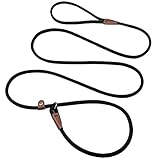
- Control for Behavior: No pull slip lead dog leash, 2 in 1 leash and collar design. Simple and easy use to correct behavior and stop dogs from pulling
- Classic colors: 13+ stylish colors for you choose to make your pets stand out. Bright colors make it easier to accurately see where it is on the pup’s neck and whether it needs to be adjusted. The slip leash make your dog safer and more fashionable
- Fit All: 7 feet long, 1/4 inch slip rope dog leash is a perfect balance between freedom and control, adjustable to fit any dog neck size, suitable for small medium dogs pets outdoor walking, hiking and training
- Sturdy Nylon Slip Lead: Slip knot rope leash is made of high density nylon rope, a sturdy leather connection and strong hardware o-ring. Flexible, lightweight yet durability
- Versatile for Training: This leash is perfect for dog training. Its length allows you to teach your dog commands like "heel" and "stay" effectively. The smooth texture of the nylon won't irritate your dog's neck during training, making the learning process more pleasant for both of you
If the dog is safe to handle, take it to a participating veterinarian, registered shelter, or animal-control service for a microchip scan and ownership verification. If the dog is unsafe to approach, report the location instead of attempting a home capture. Tell the receiving agency where and when the dog was found and provide identifying photographs.
Do not treat possession as ownership. Follow the authority’s instructions about intake, notice to the registered owner, holding periods, and release. Agriculture Victoria’s guidance, for example, requires participating veterinarians to scan within 12 hours and shelters within 24 hours; other jurisdictions may use different deadlines and agencies.
How is a microchip and ownership check done?
Check a visible tag only when the dog is calm enough for you to do so safely. For a reliable identification check, ask a veterinarian, shelter, or animal-control service to scan for a microchip and verify the registration record. ASPCA policy supports identification checks at intake, and ASPCA advises that dogs and cats who go outside should have current identification through a collar tag and/or microchip.
- Ask the scanning professional to record the chip number and the date, location, and organization that performed the scan.
- Provide any tag information, photographs, distinctive markings, and the exact place the dog was found.
- Let the agency handle owner contact and legal release requirements rather than arranging an informal handoff.
- If no chip or current registration is found, continue with the jurisdiction’s shelter or animal-control process; a negative scan does not prove the dog is unowned.
What injuries or illnesses need urgent veterinary care?
Treat the reunion as a medical event. Arrange a veterinary assessment as soon as practical, and seek emergency care immediately for collapse, severe weakness, confusion, breathing difficulty, uncontrolled bleeding, suspected poisoning, heat-stress signs, or obvious wounds.
Warning signs after exposure or exertion
NSW Government guidance lists rapid panting, lethargy, drooling, weakness, muscle tremors, collapse, and confusion as signs requiring immediate veterinary contact. A dog may also hide pain, so a quiet demeanor is not proof that it is uninjured.
What to do while arranging care
- Move the dog away from traffic, heat, cold, and other hazards.
- Keep handling to the minimum needed for safe containment and transport.
- Do not give medication, induce vomiting, or attempt invasive treatment without veterinary direction.
- Bring information about possible exposures, the time found, observed symptoms, and any food or water already offered.
The 2026 RECOVER first-aid guideline emphasizes scene safety and provider competence. Bystanders should not attempt first aid when the risk to the provider is high; professional care should not be delayed by improvised treatment.
Also popular on Amazon

- This dog leash set contains 10 pcs different colored dog slip leash for a variety of occasions. They can be used for pet grooming, pet bathing, animal rescue, pet doctor visits, pet training and more.Suit for small & medium & large dogs, puppy, cat,etc..
- A great helper for pet rescue: You can not only use it for daily use, but also put the dog slip lead leash in the car. When you encounter an injured animals on the road, you can carry out an emergency rescue.You can quickly make leads into a dog harness or a dog collar with some creative weaving to help them.
- Stong Dog Leash: This dog leash set is made of nylon, which is tightly woven, not easy to break, strong and durable, and feels good to use. Both ends of the dog slip leashes are finished with a figure-8 sewing process, which makes the dog leash firmer and prevents the leash from breaking due to strong tension.
- Metal Accessories: The thickened metal O-ring is not easy to break and is very strong, which can withstand the fierce fighting of dogs and prevent the dog from running away, let you control your dogs more easily.
- Size Notes: This leash is 6FT in length, the leash length to keep your dog within sight, and it is a great choice for rescues, training, transport, grooming, etc..(Note: this slip dog leash is not suitable for daily walks, because the slip lead leash will be tightened, and pulling it with force may hurt the dog.)
Should I feed my dog immediately after finding him?
Do not offer a large normal meal automatically. A dog missing for several days may be dehydrated, severely thin, or metabolically unstable. In an emaciated dog, a sudden calorie load can contribute to refeeding syndrome, in which electrolyte shifts become dangerous.
Ask the veterinarian to assess hydration, body condition, kidney and gastrointestinal status, and refeeding risk. The feeding plan must be individualized; ASPCApro’s shelter protocol uses controlled refeeding and electrolyte monitoring for emaciated dogs, not a universal home dose.
Recommended Free Tools
Water and food decisions before the appointment
- Do not force water into the mouth or allow frantic drinking.
- Do not provide a buffet, table scraps, supplements, or rich treats.
- If a veterinarian approves feeding, use the prescribed small portions and schedule.
- Report vomiting, diarrhea, weakness, tremors, worsening lethargy, or refusal to drink promptly.
A dog that appears hungry can still be medically vulnerable. Appetite alone cannot determine whether a full meal is safe.
How should I transport a recovered dog?
Secure the dog before opening a vehicle door, keep travel as short as practical, and prevent access to gaps through which it could bolt. CDC guidance calls for a leash or carrier during transport.
- Prepare the vehicle before loading: doors closed, interior clear, and a carrier or restraint ready.
- Use two people when possible—one maintains the leash while the other opens and closes doors.
- Keep the dog physically attached to the leash or inside the carrier throughout loading and unloading.
- Drive directly to the veterinarian, shelter, animal-control office, or approved recovery location.
- Do not stop at parks, busy stores, or other places where a frightened dog could escape.
Covering part of a carrier can reduce visual stimulation, but leave adequate ventilation. Do not transport an injured dog in a position that increases pain or breathing difficulty; ask the clinic for handling instructions when the injury is severe.
How should I set up the first night at home?
Use one quiet, secure room with closed doors, safe flooring, bedding, and only the supplies the veterinarian approves. Reduce visitors and noise. Let the dog sleep and observe from a distance instead of requiring greetings.
Also popular on Amazon

- Instant Control & Correction: Designed with zero-stretch mountain climbing rope to deliver immediate signals. Perfect for correcting pulling and teaching "heel" walking without a collar
- Slip & Go Convenience: One-size-fits-all design allows for a quick, 3-second slip-on. Ideal for dog shows, grooming sessions, or shelters where efficiency is key
- Anti-Chafe Padded Handle: Features a soft EVA foam handle that protects your hands from "leash burn" during sudden lunges by heavy pullers
- High-Visibility at Night: Integrated reflective stitching ensures your pup is seen from blocks away, providing peace of mind during late-night or early-morning walks
- Heavy Duty & Reliable: Small (up to 50 lbs), Medium (50-110 lbs), or Large (110-250 lbs) with a sturdy leather stopper to keep the lead in the correct position behind the ears for safe control
- Check doors, windows, gates, and fence lines before the dog enters the room.
- Keep the leash on for controlled movement outside; use a fenced yard only with the dog still attached to a leash.
- Separate the recovered dog from resident pets and children initially.
- Use barriers rather than hands to interrupt unwanted movement.
- Keep a written log of water, approved food, urination, stool, medications, symptoms, and sleep for the veterinary appointment.
The CDC recommends close monitoring in a safe, secure environment because behavior can change after a stressful event. Rest is part of recovery, not a sign that the dog should immediately resume normal activity.
When can I reintroduce the dog to children and other pets?
Wait until the dog is medically stable and showing consistently relaxed body language. A dog that has just survived fear, hunger, injury, or exposure may flee or react defensively even toward familiar people and animals.
Introducing household members
Have children remain quiet and seated at first. An adult should control the leash while the dog chooses whether to approach. No one should hug, climb over, corner, wake, or take food from the dog.
Introducing resident animals
Use separate rooms and barriers initially. Exchange access to spaces gradually, then allow brief, supervised contact only when both animals remain relaxed. Stop at stiff posture, staring, growling, hiding, or escalating arousal. A veterinarian or qualified behavior professional can set a safer progression when fear or conflict persists.
The Tool Desk
Outbyte PC Repair FREERepair Windows errors before they cause bigger problemsFix Now →Outbyte Driver Updater FREEFix the driver behind crashes, sound loss and screen glitchesFind Drivers →What if the dog will not let anyone approach?
Do not turn the recovery into a chase. Keep people and traffic away, maintain visual contact from a safe distance, and call animal control or a local shelter. Send a clear photo, exact location, direction of travel, and any observed injuries or threats.
Food may help keep the dog near a safer area, but do not use it to lure the dog into a dangerous trap or make a sudden grab. Trained responders can bring appropriate equipment and coordinate containment under local rules.
Also popular on Amazon

- 【EASY AND CONVENIENT】- No collar or harness needed. With the adjustable loop, extremely simple and easy to put on or off
- 【STRONG & LIGHTWEIGHT】- These Premium Slip Leads for dogs are made of high strength nylon rope, super durable metal ring, and the knots bound with leather cover. 1/2” thick rope provide maximum durability and comfortable grip
- 【Reflective for Night Safety】- The reflective straps on the entire rope leash ensures great visibility and security during night walk or jogging
- 【Great for Training】– The slip leash tightens when your dog pulls and loosens when the behavior is corrected. Great dog training leash to correct the behavior under control. Anti-choke ring is included to prevent choking hazard
- 【Perfect Size】– 1/2” x 6 ft perfect length for Outside walking, jogging, hiking or training. Suit for Large and Medium Dogs
Which professional service should handle the reunion?
| Need | Best first contact | What to confirm |
|---|---|---|
| Unsafe approach, traffic, aggression, or public hazard | Animal control or local authority | Response location, safe distance, and after-hours procedure. |
| Microchip scan and owner verification | Participating veterinarian, registered shelter, or animal-control service | Whether scanning is available, documentation required, and release rules. |
| Weakness, wounds, heat exposure, toxin concern, or abnormal behavior | Veterinary clinic or emergency hospital | Whether the clinic can receive the dog immediately and how to transport it safely. |
| Emaciation or prolonged lack of food | Veterinarian with shelter-medicine or critical-care capability | Hydration assessment, electrolyte testing, and a controlled feeding plan. |
| Persistent fear, escape attempts, or household conflict after medical clearance | Qualified behavior professional recommended by the veterinarian | Experience with fearful, lost, or recently recovered dogs. |
What are the most dangerous reunion mistakes?
- Chasing the dog: pursuit can drive it into traffic or make future approach harder.
- Trusting the tail: wagging does not distinguish happiness from distress.
- Putting a face near the mouth: fear and pain can produce a bite from a familiar dog.
- Releasing the leash at home: a recovered dog may bolt through a door or gate before it settles.
- Feeding a large meal: prolonged undernutrition can make abrupt refeeding hazardous.
- Skipping identification: possession does not establish ownership or satisfy local reporting rules.
- Delaying care because the dog seems relieved: weakness, heat injury, toxin exposure, and wounds may not be obvious.
- Allowing a welcome-home crowd: noise and touch can overwhelm a dog that needs sleep and low stimulation.
What should the first 72 hours look like?
- First hour: secure the scene, assess behavior from a distance, contain only if safe, and arrange identification and veterinary triage.
- First night: follow the veterinarian’s water and feeding instructions, use a quiet room, and keep all exits secured.
- Next day: continue leash-only outdoor trips, monitor appetite and elimination as directed, and document changes for the clinic.
- Following days: increase activity and social contact gradually. Delay off-leash time and unrestricted access until the dog is reliably settled and a veterinarian or behavior professional considers it safe.
There is no dependable universal timeline for recovery after several days missing. The dog’s body condition, injuries, exposure, behavior, and local authority instructions determine the pace.
Frequently Asked Questions
What if my dog has no microchip or the chip is not registered?
Continue through the local shelter or animal-control process and keep the scan result documented. A missing or unregistered chip does not establish that the dog has no owner, so follow the jurisdiction’s notice and holding requirements.
Quick wins for a faster PC:
Clear out junk files and repair common Windows errorsFree Scan →Fix the driver behind crashes, sound loss and screen glitchesFind Drivers →Is it safe to let a recovered dog sleep all day?
Sleep is common after prolonged stress, but extreme lethargy, inability to stand, confusion, breathing changes, or worsening weakness require veterinary contact. A clinic can distinguish restorative rest from a medical emergency.
How can I document the dog’s condition at pickup?
Record the time and exact location, take photos of visible injuries and body condition when this can be done without distress, and note behavior, panting, drooling, food or water offered, and any hazards encountered. Give these details to the veterinarian and intake agency.
When is off-leash exercise safe again?
Wait until the dog is medically stable, consistently relaxed, and no longer making escape attempts. A veterinarian or qualified behavior professional should approve the transition, and a secure environment is still necessary because a recently recovered dog may bolt unexpectedly.





Leave a Reply