
Some links on this page are affiliate links: if you buy through them we may earn a commission, at no extra cost to you.
Yes, a cat can still be found after weeks or months. Guidance from Cats Protection, American Humane, HumanePro and the RSPCA recommends continuing a structured search rather than treating a long absence as proof that the cat is gone. Restart close to the escape point, search enclosed spaces at quiet times, renew shelter and veterinary contacts, refresh local notices, and investigate every credible sighting carefully. A motion-activated camera can show whether a cat is visiting a feeding station; only then should a monitored humane trap be considered. Keep the microchip registration current, but remember that a microchip identifies a cat when scanned—it does not provide a live location.
Could my cat still come back after weeks or months?
A long absence does not establish that a cat cannot be found. Cats Protection, American Humane and HumanePro all advise maintaining a periodic search and shelter-check routine, while RSPCA guidance describes cats being reunited after substantially longer periods.
As an Amazon Associate I earn from qualifying purchases.
Published figures indicate why it is worth continuing:
| Finding | Source and qualification |
|---|---|
| 62% of lost cats are returned to their owners | RSPCA, citing Petlog data from 2024 |
| 75% of cats are located within 500 metres of the escape point | RSPCA, citing research on its current guidance page |
| 61% of lost cats were found within one year | RSPCA, citing a 2018 study |
| Most lost cats are found less than one-third of a mile from where they escaped | HumanePro/HSUS factsheet; publication year is not stated |
These are population-level findings, not a prediction for an individual cat. A cat may remain hidden nearby, become confined in a shed or garage, be taken in by someone who assumes it is stray, or appear at a shelter after the first search. The practical response is to refresh the same core actions on a schedule instead of conducting one frantic search and then stopping.
Popular on Amazon

- High Quality Materials:SZHLUX Live Animal Cage Trap use low carbon steel wire and medium frequency welding. In this way, the product surface is flat, the welding is firm, and it is not easy to solder off.Weather and rust resistant.
- Convenient Design: Our cat trap is foldable and can be easily loaded into the trunk of the car.It only takes 4 simple steps to set up,from nearly flat to assembled in seconds--no tools needed.
- Humane Live Animal Trap: Our raccoon trap use oblong support frame to secure the cage shape and use fixing clips to fix rear door,smoothed internal edges protect and prevent trapped animal being injured.All you need is some bait to catch and then release them back to the wild.
- User-friendly Design: The top cover guard board of the cage prevents people injured by the trapped animal's mistake.The connecting rod of the pedal mechanism is set inside the cage to prevent animals from touching the mechanism by mistake.A new tool has been designed to extend the safe distance when releasing the animal.
- Dimensions: Product Size: 32inch*10inch*12inch; Package Size: 38.2inch*11.8inch*3.15inch.Excellent choice when attempting to capture smaller animals such as stray cats, raccoons, squirrel, skunk, mole, groundhog, armadillo, rabbit and small dogs.
How do I restart a search that has gone quiet?
Begin by reconstructing the last-known event, then repeat a close physical search before expanding farther away. This prevents a plausible nearby hiding place from being overlooked while attention shifts to social media or distant sightings.
1. Reconstruct the last-known event
Write down the exact date and approximate time, the door or window involved, the direction the cat may have travelled, weather conditions, construction work, moving trucks and unusual noises. HumanePro specifically recommends considering whether a cat could have ridden unnoticed on a moving truck or become trapped in a newly built wall.
Mark the escape point on a simple neighborhood map. Add every confirmed sighting, feeding location and area already searched, with dates. This gives helpers a common reference and shows which places need a second look.
2. Repeat the nearest physical search
Start on the original property and then work outward through the nearest homes. Ask permission before entering another person’s land or opening a structure. Request that neighbors check before closing garages and sheds, especially if those spaces have not been opened since the disappearance.
- Look under porches, decks, stairs and raised foundations.
- Inspect crawl spaces, garages, sheds, outbuildings and dense vegetation.
- Check vehicles and spaces around parked cars, while taking care not to start a vehicle until you know the cat is clear.
- Ask neighbors to look inside rooms or structures that may have been open on the disappearance date.
Repeat the inspection at night or in the very early morning. A frightened cat may stay silent during busy daylight hours and move when traffic and people diminish.
Where do missing cats hide, and when should I search?
Lost cats commonly seek small, enclosed places near the escape point. Quiet, methodical searches at dawn, dusk and nighttime are more useful than repeatedly calling in a busy daytime environment.
The Tool Desk
Outbyte Driver Updater FREEFix the driver behind crashes, sound loss and screen glitchesFind Drivers →Outbyte PC Repair FREEClear out junk files and repair common Windows errorsFree Scan →Search the spaces a person might skip
Use a flashlight to scan under decking, porches, vehicles and low structures. Check gaps beside buildings, crawl spaces, garages, sheds and any recently disturbed or newly constructed area. Ask owners to inspect before shutting doors, moving stored items or leaving for the day.
Also popular on Amazon

- HUMANE CAPTURE: This large live animal trap safely captures raccoons, cats, possums, and other small animals with a 1-door design that allows full entry before closing, reducing escape chances for effective pest control
- HEAVY-DUTY CONSTRUCTION: Built with galvanized wire mesh and solid steel door, this raccoon trap resists rust and corrosion while providing long-lasting durability for outdoor use in all weather conditions
- SAFETY FIRST: Features smooth internal edges to prevent animal injuries and protective handle guards for safe handling, making this humane animal trap ideal for both novice and experienced users in wildlife management
- PROFESSIONAL DESIGN: Engineered with a refined trip mechanism specifically calibrated for heavier animals like bobcats and coyotes, this live trap minimizes false triggers while ensuring reliable capture performance
- VERSATILE SOLUTION: Perfect as a feral cat trap, skunk trap, or armadillo trap, this large animal cage trap handles a wide range of pest control situations effectively for comprehensive wildlife management
Do not assume a lack of meowing means the cat is absent. Fear can suppress normal vocalization, and a cat trapped behind a wall or inside a shed may not respond even when its name is called.
Make the search non-threatening
Searchers should speak in a calm, familiar voice rather than shout. Bring a familiar-smelling item and a small amount of food. Pause frequently to listen, and avoid crowding a suspected hiding place. If the cat is seen, do not rush toward it; switch to the sighting procedure described below.
Invite practical observers
Give neighbors, postal carriers, sanitation workers, delivery drivers, nearby shop staff and children a clear recent photograph and short description. Ask them to send a text with the location and time instead of chasing the cat. A consistent request reduces the chance that well-intentioned people drive a skittish cat farther away.
How can a neighborhood network improve the search?
A coordinated network turns isolated observations into usable evidence. Give everyone the same photograph, identifying details and instructions, and keep one person responsible for recording reports.
What to share
- A recent, clear photograph showing the face and body.
- Coat color, distinctive markings, sex and approximate size.
- The cat’s name and temperament, including whether it is likely to hide or approach people.
- The last-seen location and date.
- A reliable telephone number that is answered or checked frequently.
- A direct instruction: send a location and photo rather than attempting a chase.
Where to post
Use local Facebook, Nextdoor and lost-pet groups, and give the same information to people working outdoors in the area. Refresh posts when a photograph, phone number or status changes. Replace weather-damaged or faded posters instead of assuming residents will remember the original notice.
Keep a log containing the caller’s name, exact location, time, direction of travel, description and any image. Mark unconfirmed reports as unconfirmed; a sighting is a lead to investigate, not proof of identity.
Should I keep checking shelters, animal control and veterinary clinics?
Yes. Reopen the official search with municipal animal control, private shelters, rescue groups and nearby veterinary hospitals, then check repeatedly. Intake, identification and holding procedures differ by locality, so ask each organization how it handles new arrivals and how often its listings are updated.
Also popular on Amazon
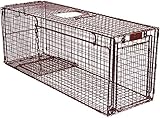
- Works for cats, skunks, rabbits, and other small animals
Use more than an online search
Online descriptions and photographs can miss a match when a cat is dirty, thin, frightened or photographed from an unfamiliar angle. Check new-arrival listings as often as the agency permits and visit in person where possible. Bring the cat’s photographs and distinctive-marking details so staff can compare beyond a name or color label.
Refresh records, do not file once and forget
Tell every agency that the cat is still missing and provide updated contact information. If the cat has a microchip, give the chip number and confirm the registry details. Petfinder can help locate local shelter and rescue listings, but it does not replace direct calls and visits.
Ask whether the agency scans every incoming animal, how long animals are held, and whether stray reports are shared with neighboring jurisdictions. Record the date and staff member for each contact so the next check can address changes rather than repeat the same conversation.
How do I use food and a camera without losing track of the cat?
Set up a monitored feeding station at the escape point or a location supported by a credible sighting. A motion-activated camera can establish whether a cat is visiting and reveal the time pattern before any trapping attempt.
Do these 3 things before closing this tab:
1Repair Windows errors before they cause bigger problems2Scan for outdated or missing drivers - takes under a minute3Clear out junk files and repair common Windows errorsSet up the station
- Place food and water in a quiet, sheltered spot that does not block a public walkway.
- Position the camera so the bowl and the approach route are visible.
- Check recordings regularly and record dates, times and identifying features of every visitor.
- Remove or adjust the station if it attracts wildlife or creates a nuisance for neighbors.
Do not conclude that a cat is present from an empty bowl alone. The camera should show the animal and, ideally, markings that can be compared with the missing-cat poster.
When is a humane trap appropriate?
HumanePro guidance recommends setting a humane live trap only after camera evidence confirms that the missing cat is visiting. Use a trap sized for cats, place it where the camera shows activity, and monitor it frequently. Never leave an occupied trap unattended; exposure to weather, stress or another trapped animal can cause harm.
Follow local rules and shelter or rescue advice on trap placement. If a non-target animal is caught, contact the appropriate local service for instructions rather than improvising.
Also popular on Amazon

- Wide Application: As urban and wilderness ecosystems intertwine, animals may disturb your life. Our cat trap is a versatile solution for various animals, including cats, raccoons, rabbits, groundhogs, armadillos, and opossums. It effectively addresses issues such as farmland invasion, release, and harassment.
- Humanized Designs: We prioritize humane care with our raccoon trap. The L-shaped lever ensures the trap won't harm animals when triggered. The dense mesh prevents escapes and protects against external attacks or stolen food. Smooth wire edges prevent animals from panicking or biting the wire, ensuring their safety.
- Sturdy and Durable: Our animal trap is built to last. It is constructed with sturdy, thickened wires that withstand animal bites and impacts without deformation or cracking. The galvanized coating provides excellent corrosion resistance, ensuring stability and durability in all weather conditions.
- Simple and User-friendly: Our live trap is designed for your convenience. It comes pre-assembled, saving you from tedious setup steps. Just unfold the cage, secure the rear door, and connect the trap mechanism to start using it quickly. This saves time and effort, allowing you to engage in capture work promptly.
- Portable and Easy to Store: Our efficient groundhog trap is portable and easy to store. It features a convenient handle for easy mobility, with an extended design that prevents accidental injuries from animals. The collapsible design allows for easy storage, freeing up space when not in use.
What should a missing-cat poster include?
A useful poster lets a passerby identify the cat quickly and contact one dependable person. Use several recent views when available, with at least one image showing the face and one showing body markings.
What’s actually slowing this PC down?
Pick the symptom - the matching free tool is one click away.
- Coat color, pattern and unique markings.
- Sex and approximate size.
- Name and likely temperament.
- Whether the cat should be approached or is likely to flee.
- Last-seen location and date.
- A reliable phone number and, if used, a monitored email address.
Place posters where pedestrians, drivers and neighborhood workers can read them safely. Replace faded copies and refresh online posts so old contact details do not continue circulating.
What should I do if someone reports a possible sighting?
Gather evidence before arranging a capture. Ask for an exact location, time, direction of travel, a photograph if possible and details such as coat pattern, tail markings, collar or body size.
Before you go
- Compare the report with the cat’s distinctive markings and previous sightings.
- Ask the observer to remain at a safe distance and avoid following the cat.
- Bring a carrier, familiar-smelling item, food and the current photograph.
At the location
Approach slowly and speak quietly. Do not chase, surround or grab a frightened cat. A chase can cause it to bolt into traffic, a building or another hiding place. If the cat is aggressive, injured, trapped in an inaccessible space or in immediate danger, contact animal control or an emergency service instead of attempting physical capture.
If the cat enters a carrier, close and secure it before moving. Once contained, keep the carrier stable and quiet, and arrange a veterinary scan for a microchip as soon as practical.
Recommended Free Tools
Can a microchip find my cat?
No. A microchip is an identification device, not a GPS tracker. It helps only when a shelter, veterinary clinic or animal-control facility scans the cat and the registry contains current contact details.
Check the registration now
Confirm that your telephone number, email address and address are correct with the chip registry. If you changed any details after the cat disappeared, update them immediately and tell relevant shelters that the record has been corrected.
Also popular on Amazon

- Safe & Humane Trapping – Designed with animal welfare in mind, this live trap safely captures animals without injury, making it ideal for humane relocation.
- Durable Galvanized Steel Build – Constructed from high-strength, rust-resistant steel for long-lasting performance in any weather condition.
- Reliable Trigger Mechanism – Features a highly sensitive trip plate and spring-loaded door to ensure fast and secure captures, every time.
- Spacious & Versatile Size – Accommodates a range of medium-sized animals including raccoons, groundhogs, armadillos, and stray cats.
- Simple Assembly– Folding to save space and easy assembly with no tools required—perfect for homeowners, farmers, or pest control professionals.
Use identification alongside the search
A scanned chip can connect a found cat to its owner even when the cat’s appearance has changed, but scanning is not automatic everywhere. Continue contacting agencies and visiting shelters; a chip cannot report where the cat is or whether it has entered a private home.
What long-term search routine should I follow?
Turn the search into a repeatable cycle so that new information is acted on without exhausting one person. Adjust the frequency to local shelter hours and credible activity.
Quick wins for a faster PC:
Repair Windows errors before they cause bigger problemsFix Now →Fix the driver behind crashes, sound loss and screen glitchesFind Drivers →- Every day or each available intake day: review new shelter, rescue and animal-control listings and follow up on fresh reports.
- Several times a week: review camera footage, refresh food and water when appropriate, and inspect the escape area during a quiet period.
- Weekly: contact the most relevant agencies, replace damaged posters and repost current information in local groups.
- After any credible sighting: map the location, request a photograph, reposition the camera or feeding station if warranted, and update helpers with the new facts.
Keep a dated log of searches, contacts, sightings and camera observations. It prevents repeated dead ends and helps identify patterns such as a regular nighttime visit.
What mistakes can reduce the chance of a safe reunion?
Most problems are process failures rather than a lack of effort. Correct them as soon as they are noticed.
- Searching only far away: return to the escape point and nearest enclosed spaces before widening the radius.
- Checking shelters once: intake changes daily and photos can be misleading; establish repeat checks and ask about local holding procedures.
- Chasing a sighted cat: request a location and photo, then use a calm, planned approach.
- Trapping without confirmation: use camera evidence first and monitor any humane trap frequently.
- Using outdated information: replace faded posters, refresh online posts and keep one reliable phone number active.
- Assuming a microchip is live tracking: verify the registry and tell agencies that the chip must be scanned.
- Entering private property without permission: ask owners to inspect garages, sheds, porches and vehicles themselves or grant explicit access.
Persistence is most effective when it is organized, quiet and evidence-led. The RSPCA describes the anxiety of a missing cat and emphasizes that practical guidance can help owners continue the search; a long gap is a reason to refresh the plan, not a reason to abandon it.
Frequently Asked Questions
How often should I contact a shelter that says my cat is not there?
Ask how often its intake list changes, whether it scans every incoming animal and how long strays are held. Set a reminder based on that agency’s process, and check neighboring jurisdictions because intake boundaries differ.
Free tools Windows power users keep installed
One-click scans. No signup required.
What if a neighbor says a cat has been visiting but cannot get close?
Ask the neighbor to stop trying to approach and instead record the time, direction and a photograph from a distance. A camera at the reported location can confirm identity and show the safest time to use a carrier or monitored humane trap.
How can I tell whether an online sighting is credible?
Look for a precise location, date, direction of travel and details that match distinctive markings. Treat a report without those details as unconfirmed and ask for an image before changing the search plan.
What should I do if my cat is found but appears ill or injured?
Keep the cat contained in a carrier and seek veterinary care promptly. If the cat cannot be safely approached or is in immediate danger, call animal control or an emergency service rather than attempting a physical capture.





Leave a Reply