Recommended Free Tools
Teach children to care for pets through small, supervised jobs—not by making them responsible for an animal’s health or daily needs. There is no single age when every child is ready: match each task to the child’s maturity and ability to follow directions, and to the animal’s temperament and care needs. Adults stay responsible for the pet and for keeping interactions safe.
Decide whether your child is ready for a pet-care task
Readiness depends on the child, the animal, and the specific job. Consider whether your child can follow directions reliably, stay calm and gentle, and wait patiently. Also consider the pet’s size, temperament, comfort around children, handling needs, and daily care routine. Age can offer a rough guide, but it cannot establish readiness on its own.



The American Academy of Pediatrics (AAP) says adults will probably do most of the work. Children around five and older may be able to help with simple chores, such as holding a dog’s leash with an adult, offering a treat after a walk, or refilling a water bowl. Use an adult-checked routine, such as a schedule for brushing or exercise, and confirm that the animal’s needs were actually met. A child’s participation does not make the child the sole caregiver. AAP: How old should our children be before we adopt a pet?
Choose chores that fit the child and animal
Start with one or two simple jobs and show the child exactly how to do them. Keep tasks within the child’s abilities and the animal’s comfort; an animal that is large, nervous, or uncomfortable with handling may not be appropriate for a child to manage. Adults should oversee any job involving restraint, exercise, feeding, or equipment.
Do these 3 things before closing this tab:
1Clear out junk files and repair common Windows errors2Fix the driver behind crashes, sound loss and screen glitches3Repair Windows errors before they cause bigger problems#1 Best Overall
- Water: A child may refill a bowl with an adult checking that it is clean, stable, and full.
- Food: A child can help prepare or offer food only under adult direction. Teach them not to approach or touch the animal while it is eating.
- Gentle care: If the animal tolerates it and the child can be gentle, an adult can supervise a short brushing session.
- Dog walks: A child may help hold a leash with an adult present and in control. Do not leave a young child to walk or restrain a dog alone.
- Cleanup: Adults should handle dog and cat waste and clean litter boxes; children should be kept away from feces and areas that may contain it.
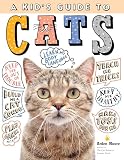
A child-care book can help explain what an animal needs, but it supports—not replaces—adult instruction and supervision. Before adopting, the AAP suggests considering the family’s time, the child’s developmental stage, and the animal’s temperament and daily care needs. A visit with a friend’s pet can help a child see what the routine is like; shelter adoption staff or responsible breeders can help identify an animal suited to the household. The sources do not establish a universal best pet species for children. AAP: How to Choose the Right Pet for Your Family
Teach safe behavior around pets
Repeat the same rules before and during interactions. Young children need close adult supervision around animals, and young children should always be supervised around dogs—even familiar family dogs. CDC also advises supervising children under five around animals generally. CDC: Ways to Stay Healthy Around Animals · CDC: Dogs
- Use gentle hands. No pulling tails or ears, grabbing, teasing, roughhousing, or chasing.
- Leave pets alone while they eat or sleep. Do not take food, bones, or toys from an animal.
- Keep the child’s face away from the animal’s face and mouth.
- Do not approach unfamiliar animals. With a known dog, follow the owner’s directions and let the dog notice and sniff before contact.
- Older children can learn to notice warning signs such as a rigid body, stiff tail, staring, barking, or crouching. If they see these, they should stop approaching and get an adult.
These boundaries reduce the chance of frightening or provoking an animal; they do not guarantee that a bite or injury cannot happen. AAP’s bite-prevention guidance also emphasizes careful supervision and safe interactions. AAP: Prevent Bite Wounds
Make handwashing and waste safety part of the routine
Have children wash their hands after touching or playing with a pet, handling its food or equipment, or cleaning up. Adults should supervise handwashing for children under five. Keep children away from dog and cat feces, which can contain germs and parasites, and have an adult clean up waste. CDC recommends cleaning a cat’s litter box daily to lower exposure risk. CDC: Ways to Stay Healthy Around Animals
Free tools Windows power users keep installed
One-click scans. No signup required.
Precautions also depend on the animal and setting. At animal exhibits, children under five should not touch reptiles, amphibians, or poultry; follow the venue’s hygiene guidance as well. CDC: Tips for Staying Healthy at Animal Exhibits
Independent reader supportYour contribution helps us test, update, and keep practical guides available for everyone.Adjust the plan as your child and pet change
Reassess chores when the child’s abilities, the animal’s health or behavior, or the household routine changes. If a child cannot reliably follow a safety rule, pause that task and return to a simpler one with closer adult help. If an animal seems uncomfortable, give it space rather than insisting that the child complete a chore. The goal is a dependable routine in which the pet’s needs are met and the child learns to respect the animal’s boundaries. The CDC notes that pets can teach children compassion and responsibility, but adults must provide the oversight that makes those lessons safe.
Quick Recap
Rank #4
Product prices and availability are accurate as of the date/time indicated and are subject to change. Any price and availability information displayed on Amazon at the time of purchase will apply.




